I know I’m not the only one who feels confused when I get scared or anxious for no immediate known reason. The interesting thing about that experience is not only its occurring but my response. Recently, I have noticed new opportunities to choose to respond differently. So, I want to share with you what I have learned so far.
In this video, I share how I heal my fears. I discuss beliefs, mindsets, and self-talk.
Like I said in the video, the biggest lesson I have learned so far in healing my fears is being compassionate with every part of myself. My triggers are not meant to be suppressed or dismissed, but rather nurtured and released. If you are like me, having a conference meeting with yourself can really help. Either by talking out loud or journaling…or both!
I’m sharing my experience with you as a note of encouragement. Pay attention to how you talk to yourself. I feel our beliefs are a reflection of our reality. You have the power to reconfigure those beliefs as many times as you want, starting with how you talk to yourself.
Have you experienced this before? How do you maneuver your fears? Share with me in the comments so we can continue the conversation.
I get a bit personal and vulnerable with you in this video. Heads up, if you’re not in the heart space to hear sadness, you may want to save this for later. If you are ok, you may want to grab some tissues.
Summertime is here! That means (among other things) we are one year out of the “era” that felt like the world was on fire through protests, murders, arrests, awareness, and a whole lot of noise. Can we reflect on what has been accomplished since that time? Instead of discussing this broadly, I’m taking it personally.
In this post, I share with you my experience receiving messages/apologies influenced by the “era,” how kindness and meanness have influenced my life, and what I hope all of this means in the future. This is part of my story (not all of my story is sad). I felt called to share this because someone needed to hear it to encourage them to keep going. To reassure them they are loved. To remind them they are heading in the right direction. So, this is not solely about me. It’s deeper than that.
I am encouraged, but we still have a long way to go.
I am thinking about life choices and attachments. Yes, part of this is inspired by the recent chatter about Will Smith, Jada, and Entanglements. In this video, I discuss my perspective on how Will Smith, as a character and career, is a great case study to reflect on how to maneuver life choices for success. In particular, how attachments can make or break your success.
Like I mentioned in the video, I have a few questions that I have yet to find the answer to. How do attachments make or break my success? Looking at what I find inspiring about Will Smith, work ethic and discipline means everything. A lot of that is a solo mission. No one can do the work for me. So, how does that translate to attachments? Maybe that becomes easier as I gain clarity on my value and purpose. The balance of making connections to exchange value can be slippery if you look at it as solely a transaction. Maybe not everyone is my real “friend,” but I do care about the people I connect with.
So, I focus more on what I give and experience. I check if I am coming from a space of clarity, generosity, and accountability. I pay attention to whether I feel drained, neutral, or rejuvenated while interacting with someone. I observe how receptive we both are regarding each others priorities. This all sounds good in theory, but it can get confusing in reality. Life and time can change people. Or, maybe, life and time allows people to reveal their true colors.
Regarding family, how do I effectively build a legacy? It seems like there are two parts to it. First, build it. Second, raise children in a way that aligns them to take what I built to the next level. Or, alternatively, it could be to first, build it and a team, and second, manage that team to take what was built to the next level. Or, it could be a combination of both. My question is, are you working on both parts simultaneously? While I am building, should I be thinking of how my future child or future team will make this better? Or does that come later? I want to develop and establish generational wealth. If later my future children or future team decide to go in a different direction, does that make my work a failure? Or is it still a success because the generational wealth enabled them to go in that direction?
This is why I find Will Smith’s career and insight motivational. He has built and obtained success while being transparent about chasing perfection. This is important to me because perfection is what I have tried to obtain for the majority of my life, which has left me feeling a bit empty. I now feel that great quality work and results is more fulfilling than the persona of perfection. When it comes to entanglements, this recent gossip-turned-news illustrates that marriage is not perfect (even though I still feel this story and explanation is none of our business). I am not sure yet if that really is relationships in general, or the individuals who choose to be in the relationship.
What do you think? Let me know in the comments below.
Also, feel free to connect with me on Instagram, Twitter, and Facebook. I love hearing from you.
If you want to know why something is happening, follow the money. To further the discussion to heal the distance between Africa and its Diaspora, let us go over the historical and current economic oppression that influences and determines the Black experience.
In this video and post, I am focusing on Black America and Ghana. For Black people outside of America and Ghana, please do not feel isolated or excluded in this conversation. The point is for all of us to win. Understanding how we can strategically do that is key. As you read further in this post, I widen the focus to other parts of the world.
Let’s dive deeper. Starting with economic oppression and Black America, there are two layers to this agenda: the wealth gap and the income gap. The wealth gap was created by the exploitation of free labor from Black slaves, passing down of profits from that exploitation, and destroying and stealing from Black businesses.
The history of slavery in America is diluted and distorted in American history. The wealth gap began with cotton. America’s first big business, which pushed it to be the leading economy in the world, revolved around slavery. At one point, American cotton made up two-thirds of the global supply of cotton. This was all off the backs of slaves. Americans became millionaires off the bleeding backs of enslaved Black people. This is also where police brutality began. Aggressive and barbaric white “supervision” was used to return runaway slaves to the plantation while violently and brutally questioning the work and movement of slaves. This Vox article gives more details on how slavery became America’s first big business.
Like I mention in the video, there are two historical massacres that are referred to as the illustration of why telling Black people to pick themselves up from their bootstraps is not valid.
The Tulsa Massacre in 1921 occurred in Tulsa, Oklahoma in the Greenwood District, which was also known as Black Wall Street. It was an affluent Black American community that included thriving and peaceful Black businesses and residential areas covering 35 city blocks. The incident that started the massacre is still surrounded by rumors around what happened when Dick Rowland, a Black man, and Sarah Page, a white woman, stood in an elevator. A white mob formed reacting to this rumor that was further embellished as it spread through the town. Rowland was arrested and held at the police station. The mob outside was met with a group of concerned Black residents who understood that Rowland was in danger of being killed by either law enforcement or this white mob. This response added to the rumors that spread among the white mob pitting for a race war. The white mob grew in size and hate. They proceeded to burn and destroy Black Wall Street, leaving around 10,000 Black Americans homeless and murdering around 300 Black Americans. The Tulsa Historical Society and Museum have archived the details of the Tulsa Massacre through documents, photos, and audio on their website. They also provide a free exhibit.
The Rosewood Massacre in 1923 occurred in the predominately Black town, Rosewood, in central Florida. It also was instigated by an alleged rumor that a white woman was offended, in this case sexually assaulted, by a Black man. The white mob that responded to this acted on further embellished rumors to burn the town to the ground and lynch / murder any Black man they could find. Again leaving those who survived homeless. More details are in this Black Past article.
The income gap continues through occupational segregation. Let’s go over some numbers. In 2018, 20.8%, which is 8.9 million, of Black America were living underneath the poverty threshold, being the second largest group in America living in poverty. (Source from Talk Poverty) The overall largest group is Native Americans at 25.4%. Like I mentioned in the video, Black people in America got the shorter end of the stick and Native Americans did not get a stick at all. Systematic inequality cannot continue to wipe them out either. Let me know if you would like to learn more about the Native American experience so I can direct you to the voices you need to listen to. Regarding unemployment, in 2018, the overall rate was at 3.8% and the Black rate was 6.5%. In 2020, the overall rate is 13.3% and the Black rate is 16.7%. America has the biggest incarcerated population in the world. Prison policies and reform has more depth than a few percentages could show. This report gives more details on the issue of mass incarceration in America. The income gap is not only maintained by unemployment. There is an additional layer with wages. This article breaks down how the wage gap is widening further. For more insight, read this report on systematic inequality and economic opportunity.
When we talk about systematic racism and systematic inequality, these numbers are part of the picture. One cannot “catch up” when the game is fixed or when the goal post continues to be moved. The gap is not actually influenced by the mask of education, home ownership, or job title. The gap is only influenced and maintained by the deliberate effort to keep the gap. This article from CityLab about why we can’t close the racial wealth gap has some good insight. This is part of why it is so exhausting to be Black in America. Always working hard and following the rules accepting that you will always have to tolerate less in every industry, field, interaction, and experience.
This is also why America always starts sweating when the conversation about reparations comes up. It is not because it is impossible to calculate the wealth Black America created and never benefited from. It is not because Black America is living so much better now compared to the 1800s or 1960s. It is because America prefers to drag its feet. It is because America prefers to do everything but what was asked for, like painting Black Lives Matter on a street, manufacturing band-aids that match brown skin, and kneeling while wearing cloth that looks like Kente cloth.
How can we learn from this? For the first time in a while, Black America used its purchasing power as an effective tool and Black-Owned businesses made millions of dollars over night. This is a good start. How do we take this further?
Now, let’s talk about economic oppression and Ghana. When I compare what was happening in Ghana with the same historical dates I listed above, I see there is a lot Africa’s people, in and out of the continent, can learn from to heal the distance and enhance the link.
In the 1860s, which was during the height of the cotton empire in America, the export of slaves was gradually diminishing. Even though the import of slaves to America was outlawed in 1808, the demand for slave labor continued after that. Later, Ghana experienced a shift as colonizers pivoted to competing with each other for colonial territories. During this time there were a variety of alliances and struggles for power, including the Ashanti-Fante War and the Anglo-Ashanti Wars. The latter wiped out different levels of British forces.
The debate as to whether Africans sold Africans into slavery is an interesting one. I have noted Africans rebutting that there is no evidence that a sale transaction occurred. I have noted Black people outside of Africa express suspicion on whether Africans were sold or stolen. Some argue that trying to discuss whether Africans sold Africans is like discussing black on black crime, which is a distraction from the movement. To me, it sounds like both discussions trigger people in different ways. I believe in holding each other accountable, which includes looking in the mirror and reading real history. The primary point is to avoid repeating history. Stop trying to distance yourself from the problem. We need to do better.
British authorities in the 1920s in Ghana adopted a system of indirect rule. Even though they put traditional chiefs in position of local authority, they took instructions from their British supervisors. During this era, transportation, water supply, public buildings, schools, prisons, hospitals, and other services were developed by colonial rule and African hands. Ghanaians also assisted Britain in World War I and World War II. A national conscious, which lead to independence, developed after WWII when veterans and the growing educated population no longer were satisfied with the humble position colonial rule kept them in. In some respects, Ghana was lucky compared to other African colonies. They did not experience limbs being chopped off, like Belgium rule in Congo, or complete destruction, like French rule in Algeria. However, one could analyze a wealth gap in how much was extracted from Ghana during this time.
Before I fast forward to the income gap of today, let’s pause here. If we focus on the historical events listed above for both Black America and Ghana, what do you see? Black people in America had a different experience with white people compared to Black people in Ghana during that time. Both set of colonizers utilized economic oppression, but in different ways. I feel this needs to be understood by Africans and Africa’s diaspora. This might be the reason why there is a sense of urgency to fight the power on one end and a sense of confusion and no urgency on the other. Remember, colonizers do not want us to be on the same team. I feel education has a role to play in this too. When I speak to Ghanaians about colonialism and Ghana’s relationship with England now, I do not pick up a sense of animosity or disdain. The narrative is not focused on exploitation, but rather how the British enhanced Ghana, historically speaking. Like I noted above, development did occur during colonial rule. Also focus on the fact that British rule had authority over education and implemented the British educational curriculum in Ghana. Making sure the Ghanaian population learned British history under a British lens, it is no surprise the British continued to frame themselves as a hero. This is similar to the American education system, which continues to frame the founding fathers and corporations as heroes. However, Black Americans have a different narrative when they speak about slave masters, Jim Crow law, and police brutality. Black British and Black French also have a different narrative when they speak about their experience with colonizers, which does include police brutality, economic oppression, and pushing statues back into the sea. I do not have the answer yet, but this disconnect should not be dismissed nor should it allow us to create more barriers between us.
Fast forward to the income gap of today in Ghana. In 2016, 56.90% of Ghana’s population was living underneath the international poverty threshold. In 2018, the unemployment rate in Ghana was 4.16%. There is a lack of transparency in the value of labor and skills in Ghana. This is why the numbers, which are primarily calculated and reported on by NGOs and international corporations, may not always add up. The focus of these numbers are primarily on national policy, like this report on Ghana’s poverty rate and inequality. There is a discrepancy between what Ghanaians are paid and what expats are paid in Ghana. There is inequality between what women are paid and what men are paid in Ghana. More details on this inequality are analyzed in this Oxfam report. As development continues, the gap between the rich and poor continues to widen.
These numbers and lack of numbers is part of the picture. This is why the sense for most in Ghana is that nothing you do will really change the bigger things that keep your life the way it is. Some still spend half the day without electricity. The floods, that could be prevented, still kill and displace people every year during rainy season. This supports the assumption that big money only comes from abroad or corruption, not real work. When you compare this to how many foreign companies are making real profits in Ghana and taking it outside of Ghana, like this company producing organic bananas, I have to wonder if this attitude is systematic to reduce competition.
How do we learn from this? There are plenty of Black owned businesses in Ghana and Africa. There is a strong purchasing power in Ghana and Africa. However, there is still a mix-match. How can we fix it?
How do we learn from how economic oppression has been utilized against us to effectively protect what we build? On a people, corporate, and government level. How do we prevent our efforts from being destroyed by those who want to maintain the status quo? Let me know what you think.
The energy we are feeling right now is a golden opportunity. The shift and change is possible, if we continue speaking up, evolving, holding each other accountable, and making a difference. Below are more resources for you to continue supporting Black content and businesses.
Also, feel free to connect with me on Instagram, Twitter, and Facebook. I love hearing from you.
Freedom Agenda
Black Owned Apps
JoinMi – safe space for HBCU students to converse about concerns and life.
Gbook – e-commerce platform for students to buy/sell products and services.
Are you ready to learn from a boss? Madam C.J. Walker is the first female self made millionaire in American history. Her beauty empire and social activism made an incredible impact on the community and history. Her story is even more inspiring.
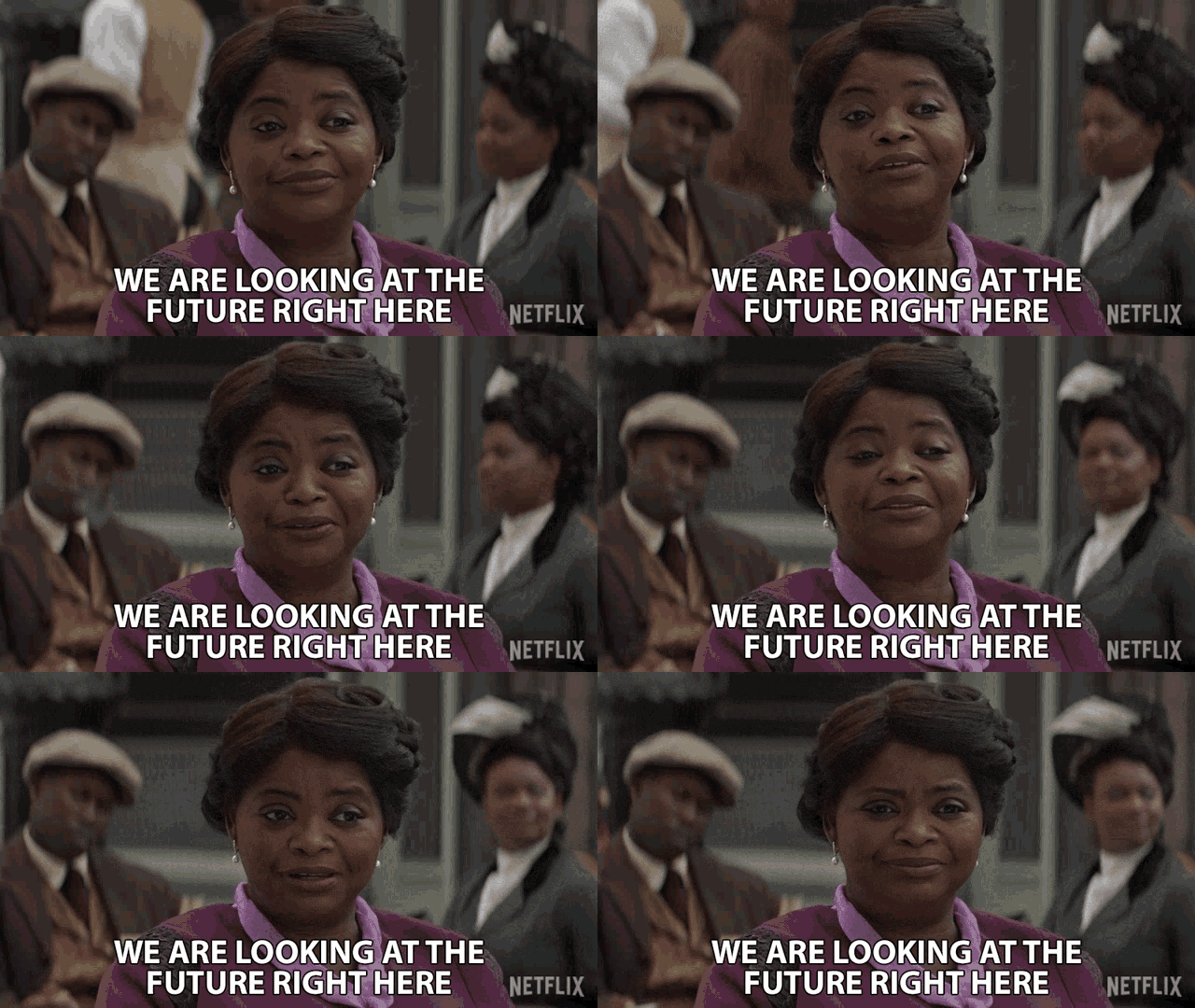
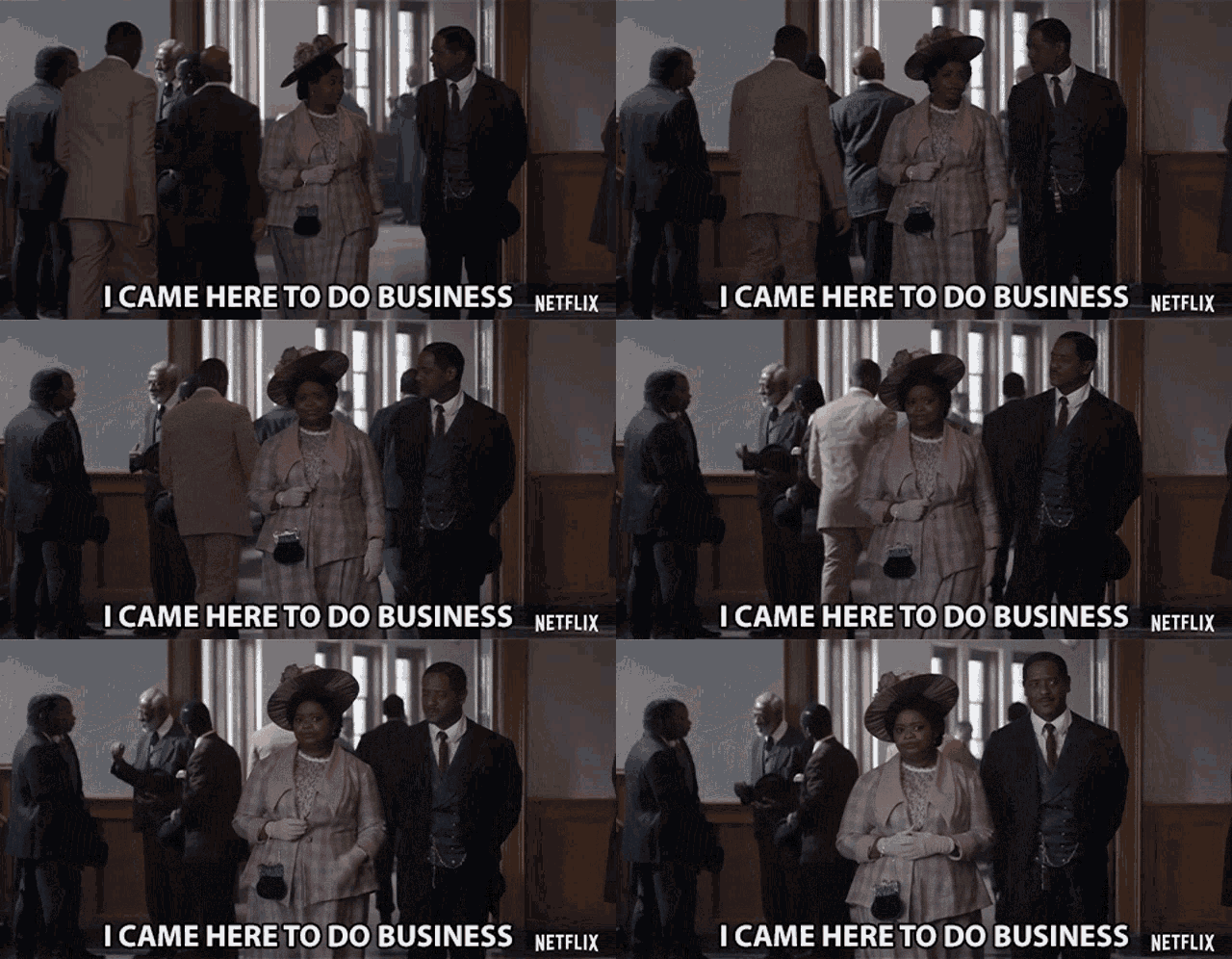
In this video, I talk about tips I gained from Self Made: the Netflix series inspired by the life of Madam C.J. Walker, including: the balance between being urgent and greedy, the importance of betting on yourself, and how to succeed in relationships.
Now, let’s dive deeper. Like I said in the video, this series was not a biopic. At first, while watching it, I found the music selection jarring. The aesthetic is early 1900s, but the music is modern. That is what made me think that this might be more of an introduction to Madam C.J. Walker’s life, just like the movie “Like Martin.” However, I gradually realized that was not the case.
Let’s start with the two main characters: Madam C.J. Walker and Addie Munroe. In the series, they are two black women pushing a similar product for black hair. From throwing shade outside of church to throwing punches in a boxing ring, their rivalry is repeatedly illustrated through colorism and sabotage. In reality, Madam C.J. Walker and Annie Malone were business rivals with their own respective empires.
Annie Malone started producing her self made product Wonderful Hair Grower in the early 1900s. When she moved to St. Louis, she hired 3 sales agents, including Madam C.J. Walker, to help her continue sell her product door-to-door. She gave free treatments to attract more customers. Annie Malone continued to expand her business with her company Poro Company and opened a shop to train more women to sell her product. In 1918, she opened the Poro College, a cosmetology school and center that included a manufacturing plant, a retail store, business offices, a 500-seat auditorium, dining and meeting rooms, a roof garden, dormitory, gym, bakery, and chapel. Through its curriculum and businesses, the college created jobs for 75,000 women in North America, South America, Africa, and the Philippines. Annie Malone became a multi-millionaire in the 1920s.
In a sense, Annie Malone mentored Madam C.J. Walker. The glitch in their relationship is up for interpretation, depending on whose story you look at. According to Team Walker, Madam C.J. Walker moved to Denver, Colorado to continue selling Wonderful Hair Grower and develop her own hair-care product. Annie Malone accused her of copying her formula, petroleum jelly and sulfur, which apparently had been used for hundreds of years. According to Team Malone, there was a disagreement between the two and Madam C.J. Walker left the company. She took the formula and made her own brand of it. This caused Annie Malone to copyright her products under the name “Poro” to discourage counterfeit versions.
Madam C.J. Walker marketed herself as an independent hairdresser and retailer, with the help of her then husband and business partner, C.J. Walker. Her daughter remained in Denver to lead the mail-order operation while she and C.J. relocated to Pittsburgh, Pennsylvania to open a beauty parlor and a training program called the “Walker System” to create a national network of licensed sales agents. Later, she closed the business in Denver, relocated the headquarters in Indianapolis, and established an office and beauty salon in Harlem. The headquarters included a factory, hair salon, beauty school, and laboratory. At the height of her career, the company trained over 20,000 women and increased sales around the US and the Caribbean.
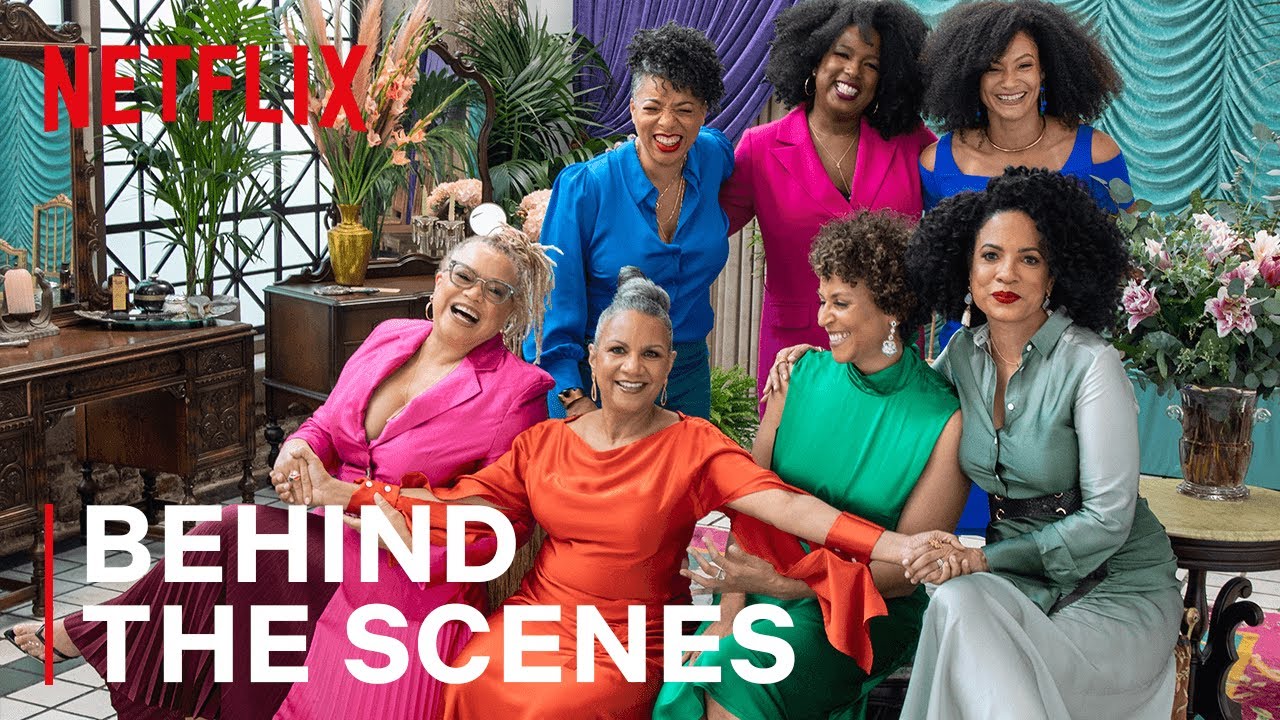
With this information, why did the team behind the Netflix series decide to tell a different story? At first, you might assume the team was disconnected from the true story. Then you might take the time to find out who the team was. This is them talking about making the Netflix series Self Made.
So, a team full of black women, one of which is Madam C.J. Walker great-great-granddaughter, decided to illustrate the story like this. Now, don’t get me wrong. I am all for filling the gap in representation. I love that black history is being illustrated and shared on a bigger platform. It is wonderful and inspiring to see more black women in front of and behind the camera. Let’s continue that. I don’t agree with how they chose to alter history to paint certain people as heroes and others as villains. I don’t like how they diluted the hustle and impact all the characters had in real life.
I understand the series is entitled “inspire by” and “based on a true story,” but this is Black history. Can you honestly produce a movie “inspired by” the life of Abraham Lincoln and depict his wife as a lesbian having a secret affair with the neighbor’s wife? Can you really produce a movie “based on a true story” of the holocaust and depict a Jewish family as the villain? This is tricky. Black history is special because so much of it has been and continues to be erased, hidden, distorted, and destroyed. Children do not learn Black history in school. A lot of adults could learn more about Black history. So, if you have the golden opportunity to illustrate Black history on a mainstream platform, why not keep it 100?
It was a beautiful and high quality production, from cinematography to wardrobe. I feel so many of us are concerned about the content because we understand its impact. This series could be an introduction to this portion of history for a lot of people. Even though it should encourage folks to dig deeper and research on their own, will they? Can you rely on that? If not, this series unfortunately further enhances its audience’s bias against colorism among the Black community, depicting Black men as a liability instead of an asset, and inserting LGBTQ fantasies as if the original story was not enticing enough. There needs to be a balance. Black joy and Black pain can’t always be a form of entertainment.
Now, let’s look into relationships. This is the clip I mentioned in the video:
1968. By the late 1960s, relations btwn Black men and women changed. Women became professionals and asserted their social independence. Black men felt that Black women don't allow them to emerge as Black men and don't sympathize w their struggle. A discussion on the subject: pic.twitter.com/f1Z4IerEip
Has anything changed or evolved? Do we feel the same? Have our priorities changed? Do we still need programming? For me, watching these types of discussions make me feel like I am watching a Tom & Jerry episode where a 3rd character knocks the man and the woman from behind without them seeing, and they both argue with each other assuming it was the other who did it. What if the enemy or perpetrator is not even in the room? Would that change the discussion? Yes, there is a lot we need to take responsibility for. There is a lot more we could to move forward.
The feeling of inadequacy and being attacked is on both sides. This creates the defensive behavior and guarded personality we carry everywhere. How do we balance the need for trust and generosity in our relationships? Fast-forward to now, there is a lot of talk, as well as real participation, about therapy, self-care, and healing. There is more discussions about accountability and acceptance. Is this making a difference in our relationships with others? I hope so.
Overall, I enjoyed the Netflix series as well as researching the characters and history. What did you think about the series and history? What do you think about the clip? Let me know in the comments below.
Also, I always love hearing from you. Feel free to connect on Instagram or Twitter.
Living in a time and space where all beings can co-exist wholesomely, peacefully, and equally seems to be a dream that drifts further and further. It is as if everything and everyone is burning. As a royal member of the Vibranium Seals, it is my duty to protect our peace. My peace. But, I can’t help but wonder how we could influence time to keep that peace.
I am a 1st generation moon child. A descendant of afropolitans, androids, and healers.. An intergalactic citizen. The only life I know about Earth is what I have swiped in textbooks. The space station I grew up in hovers above Africa, at least what is left of it. My childhood was beautiful and carefree. I traveled to different planets with my family, had friends from different galaxies, and always felt loved. Now, things have changed.
The United Planets has been hijacked by a robotic clan, but we think they are being supported by The Republic, a human society that has been in hiding for centuries. Their mission is to erase the history and legacy of all free spirits. Some say they are building a weapon. Rumor has it they murdered one or our royal elders. We are no longer safe.
I can’t tell you the details of our defensive strategy because…you know…secret agent stuff. My friends and I had planned a vacation at the Pluto Polo Club for next month. My company is launching our new collection of tech-suits next week. My fiance & I finally agreed on where to have our honeymoon. My parents are retired, but I know they are still searching for my twin brother. But, my mission is to travel to a time when the pedagogy of the oppressed was flipped on it’s head. The year when truth was revealed. The year when flames cleansed the Earth. The year when pure hearts overpowered cursed souls. The year when everyone lifted each other up for freedom. The year 2020.
Well, Happy New Year. Above is an excerpt from a project I am working on. A story that has been in my head for way too long. Trust, you will get to share in the adventure soon enough. Now, back to 2020. There really is a lot going on. Not only personally, but all over the world. It is exciting and concerning at the same time. As I reflect on life, time, and space, here are a few things I am focusing on.
Now is the time to show up for yourself. Speak up for yourself. Stand up for yourself. We are all going through an internal transformation. Habits and thoughts that served the old you, positively or negatively, will no longer fit the new you. Distinguishing between your heart’s true desires and expectations imposed by others will become crystal clear. I feel this year we are all coming to a point where we no longer have to question “when will,” or “how long,” or “only if.” Everything you deserve is right here. The question is, are you ready?
This year, I will no longer rationalize the incidents, people, and thoughts that do not serve me. All my life I had to fight…ok…not exactly. But, I have always made excuses for how people treat me or why things don’t turn out the way I thought it would. Concluding there must be something wrong with me and withdrawing further into my mind. It’s 2020. We done with that! I need to be loyal to me. I need to be the bigger person for me. It is time to find that balance. Allow yourself to shine without being concerned of others comfort or approval. Dive into the unknown trusting you are blessed and brilliant. Say yes to expanding your horizons. When it comes to people and circumstances, interact with your surroundings with love. If they are down to ride the train with you, cool. If they can’t keep up with your train, that’s cool too…keep it moving.
Listen to yourself. Where are you in life right now? There is a lot of focus on vision boards and goal action plans. Steps to succeed in finances, health, love, career, etc. That is all great. In addition to that, take a moment to reflect on how you want to feel in this new year and new decade. It can be one word or a paragraph. Then, reflect on what you need to release, heal, and/or forgive to experience that feeling. I have taken the time to release disappointment, heal pain, and forgive myself. The depth of love and gratitude I feel within in myself right now is deeper than I have ever experienced. Almost like I am a kid again, but with more clarity and insight. I think doing this makes your vision board and action plan more real. As you release, heal, and forgive, you gain more clarity on what your higher plan is. This brings you closer to aligning your goals and attention with your soul’s purpose.
This new year and new decade will be as magnificent as you make it. How are you setting the pace for this new chapter? Share with me below.
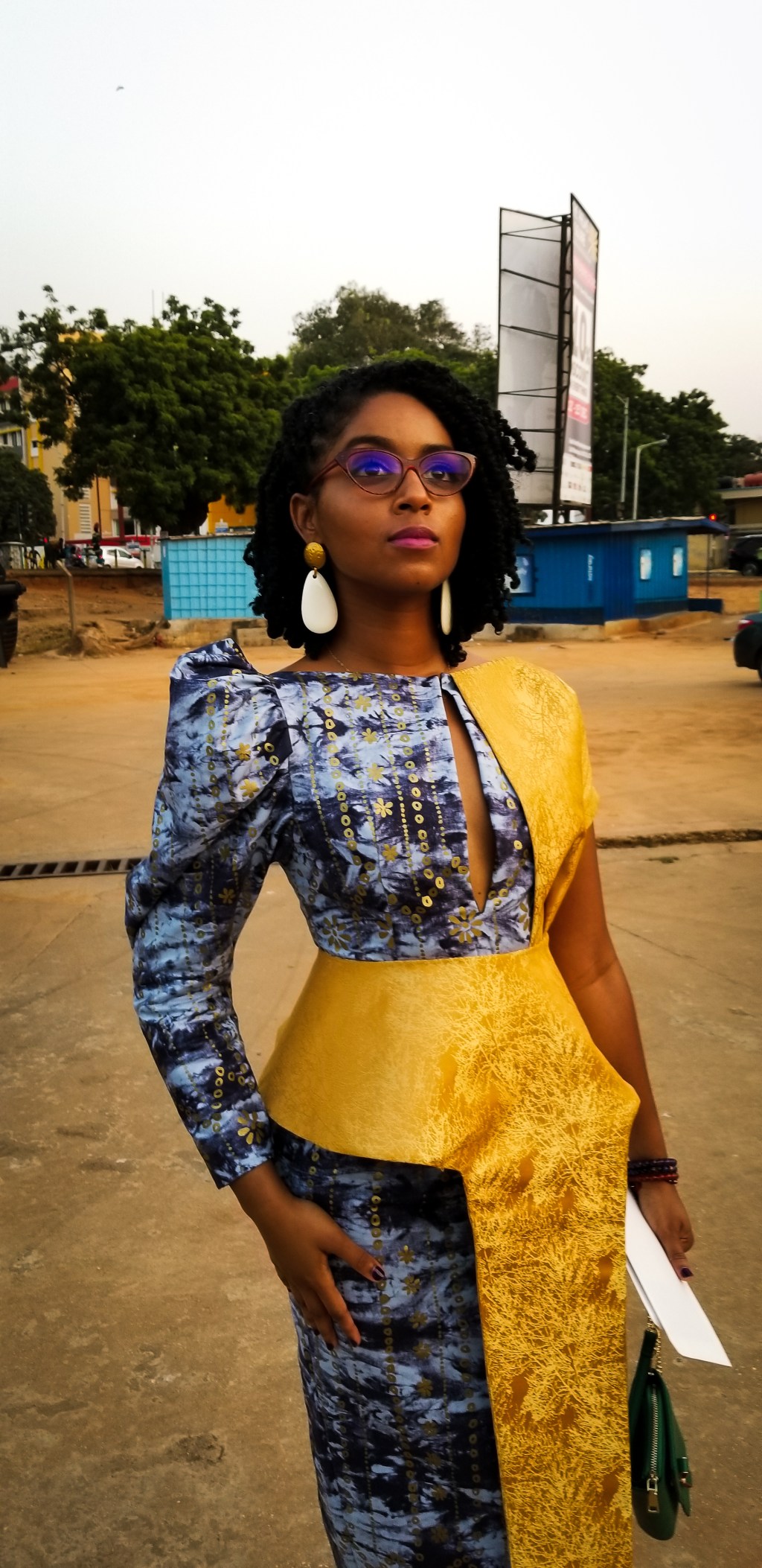
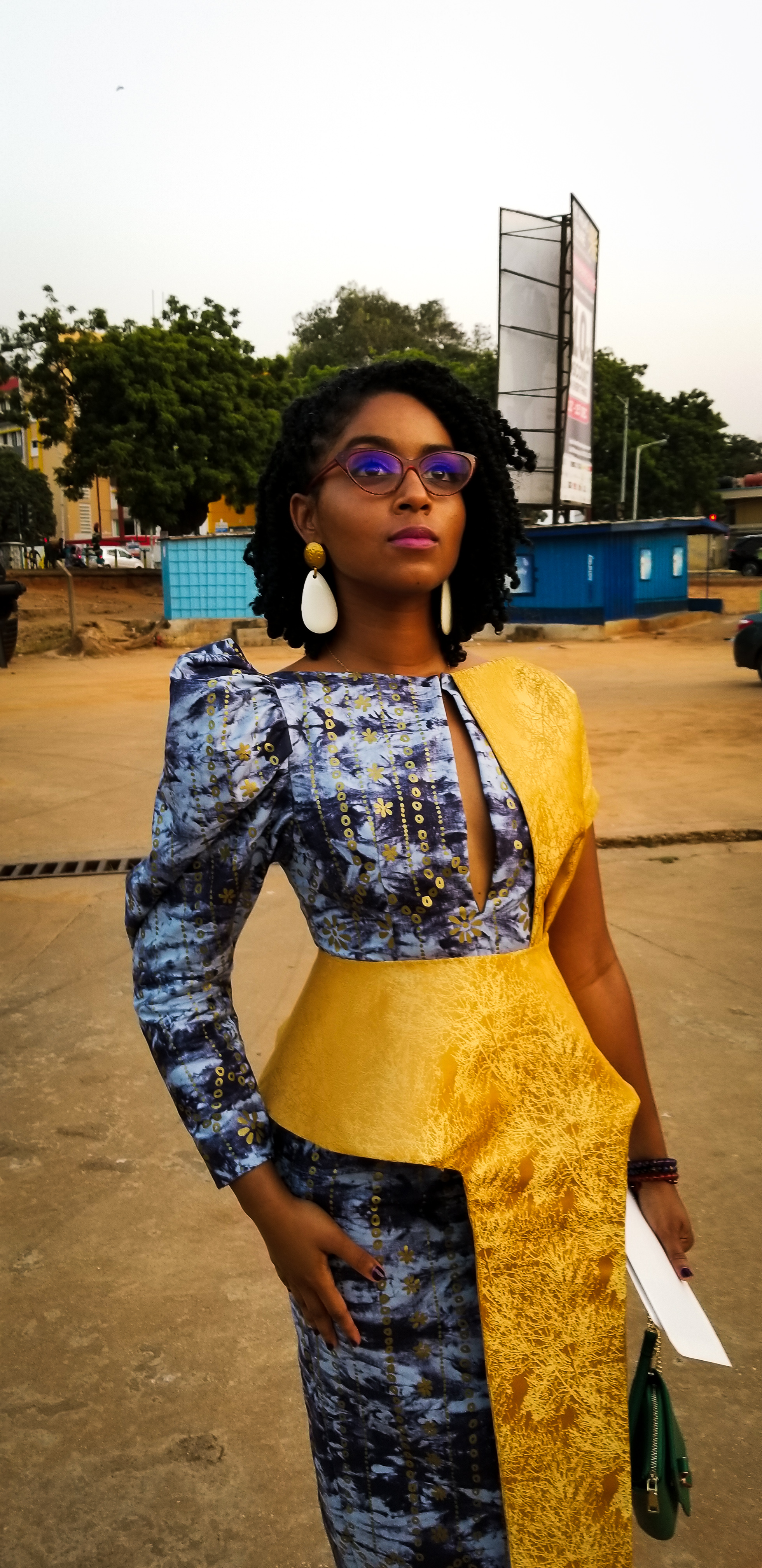
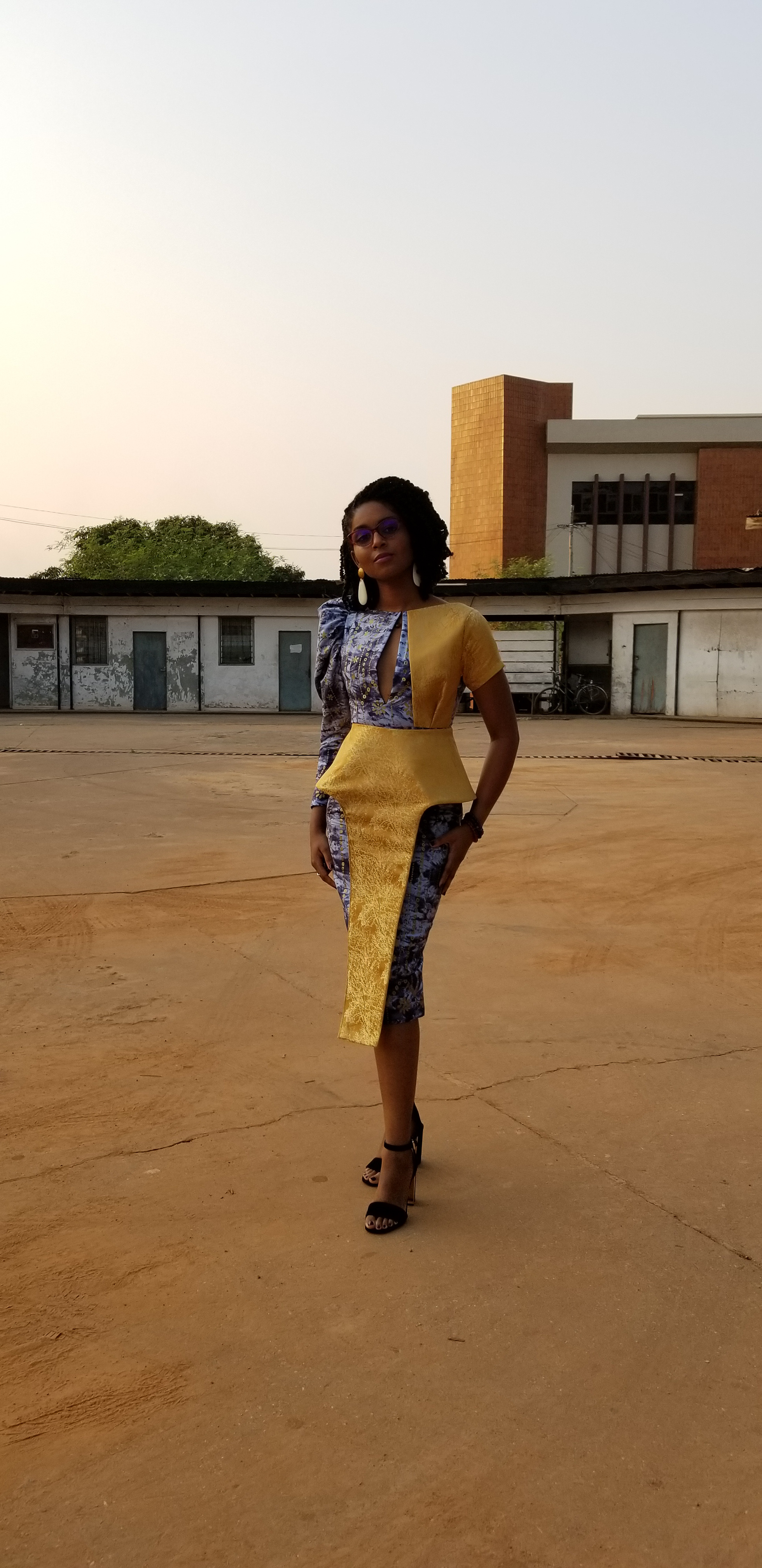
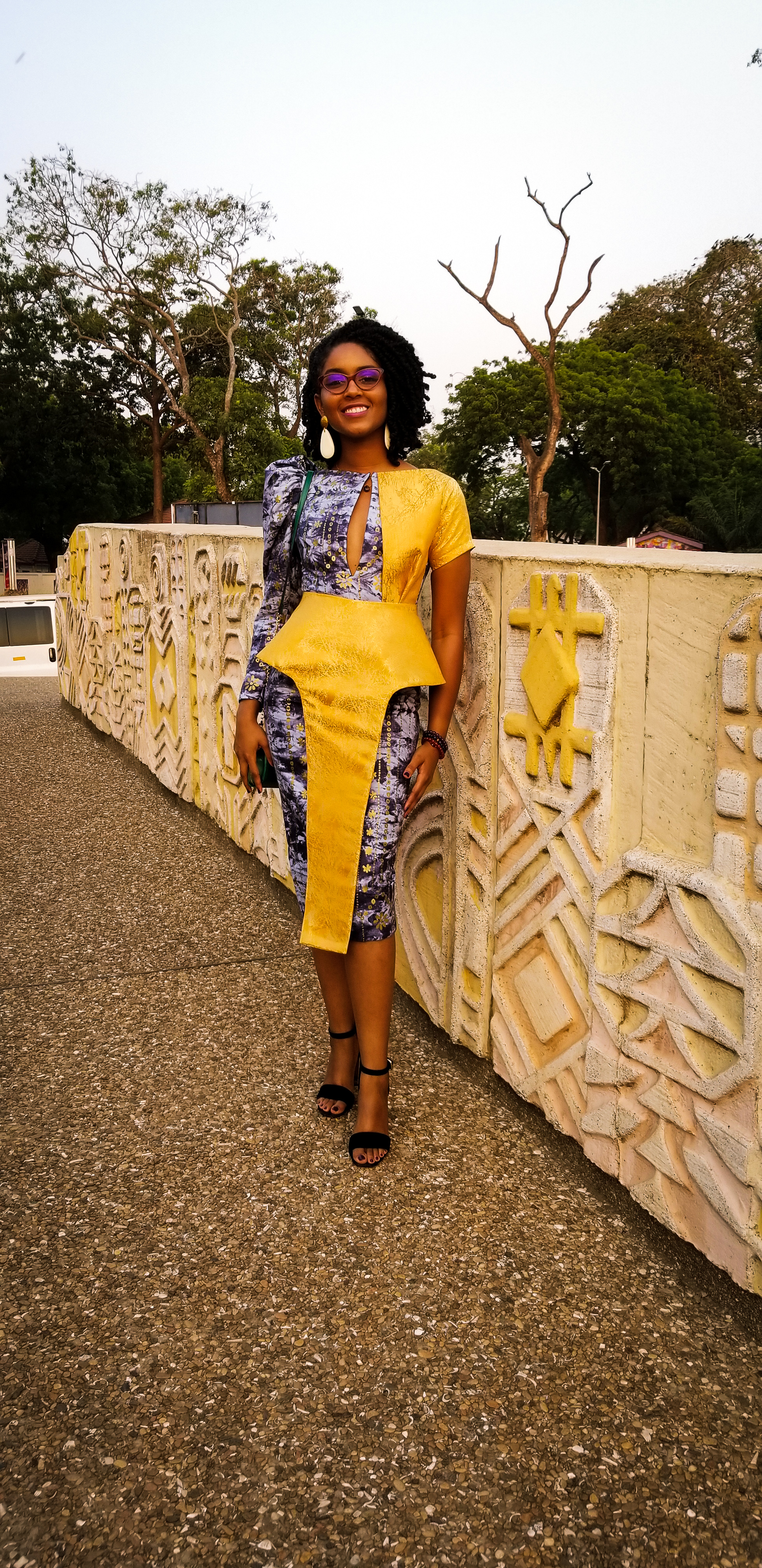
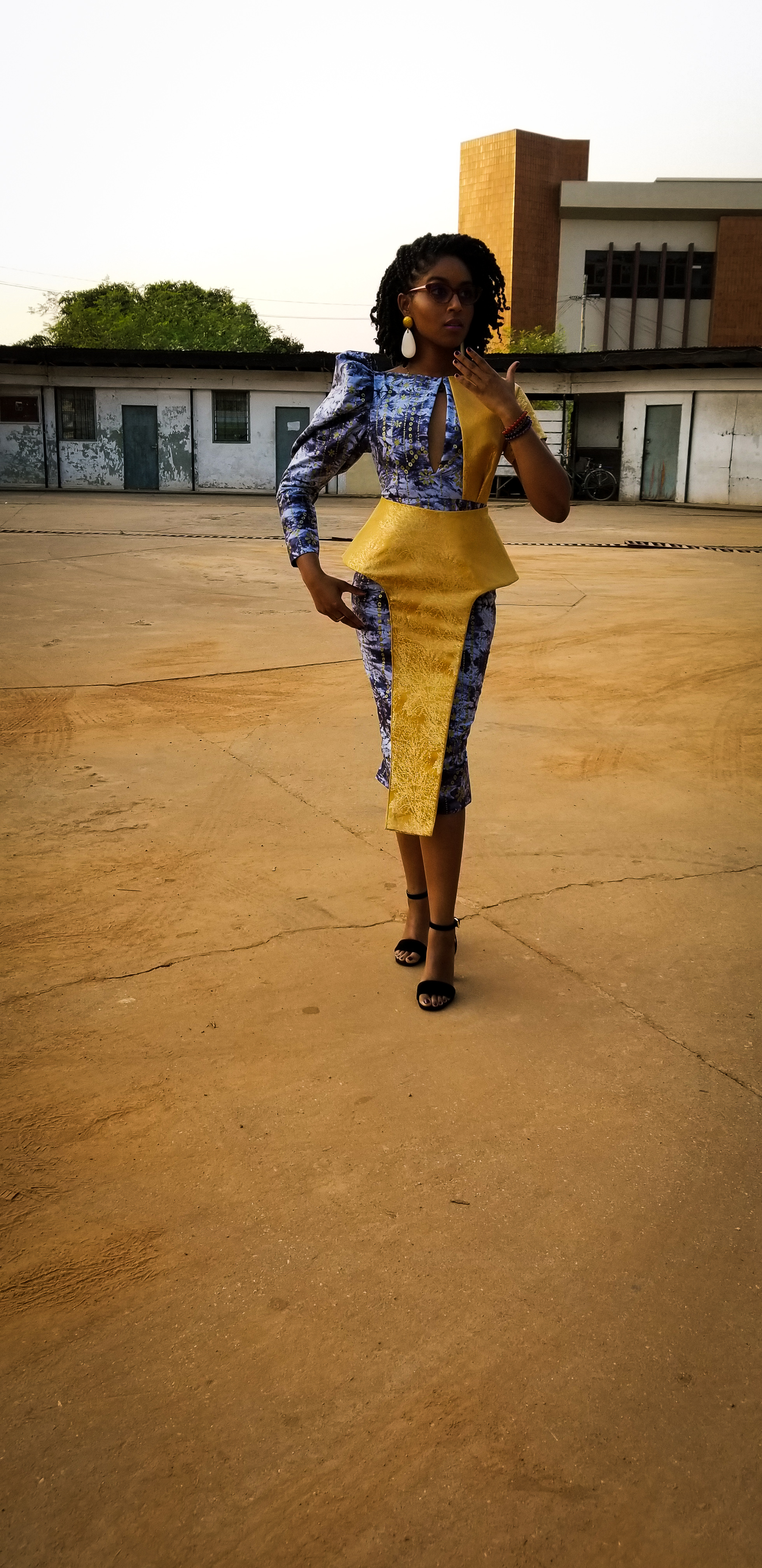
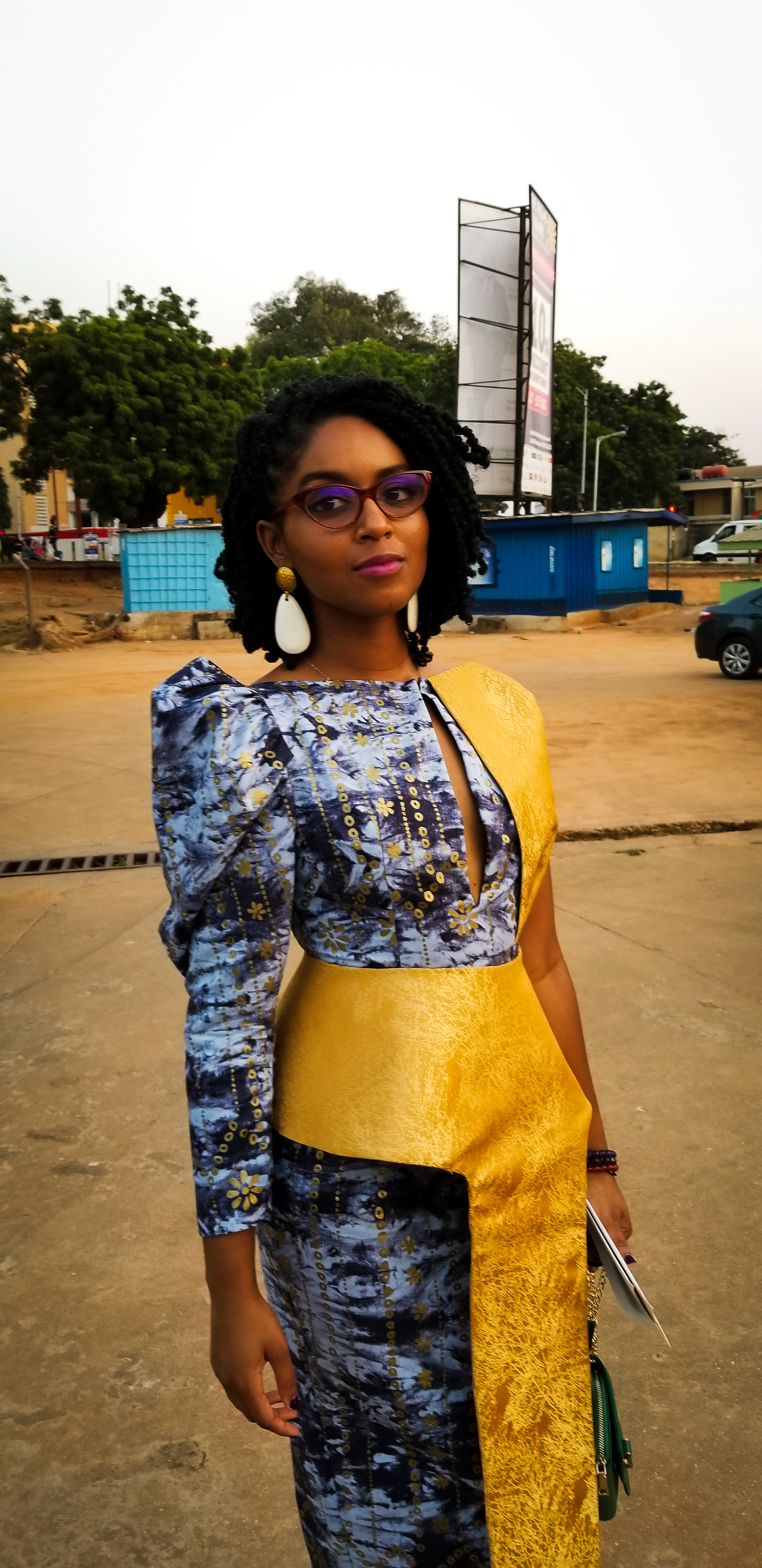
Style Details! This dress was custom designed by Ometsey. Check out her Instagram and my interview with her. I collaborated with her for The Black Gala , an event in Accra showcasing art and music. The theme was Afrofuturism, which is my true love.
As always, I love hearing from you. Share with me in the comments. Let’s connect on Instagram and Twitter.


 Dagny Zenovia