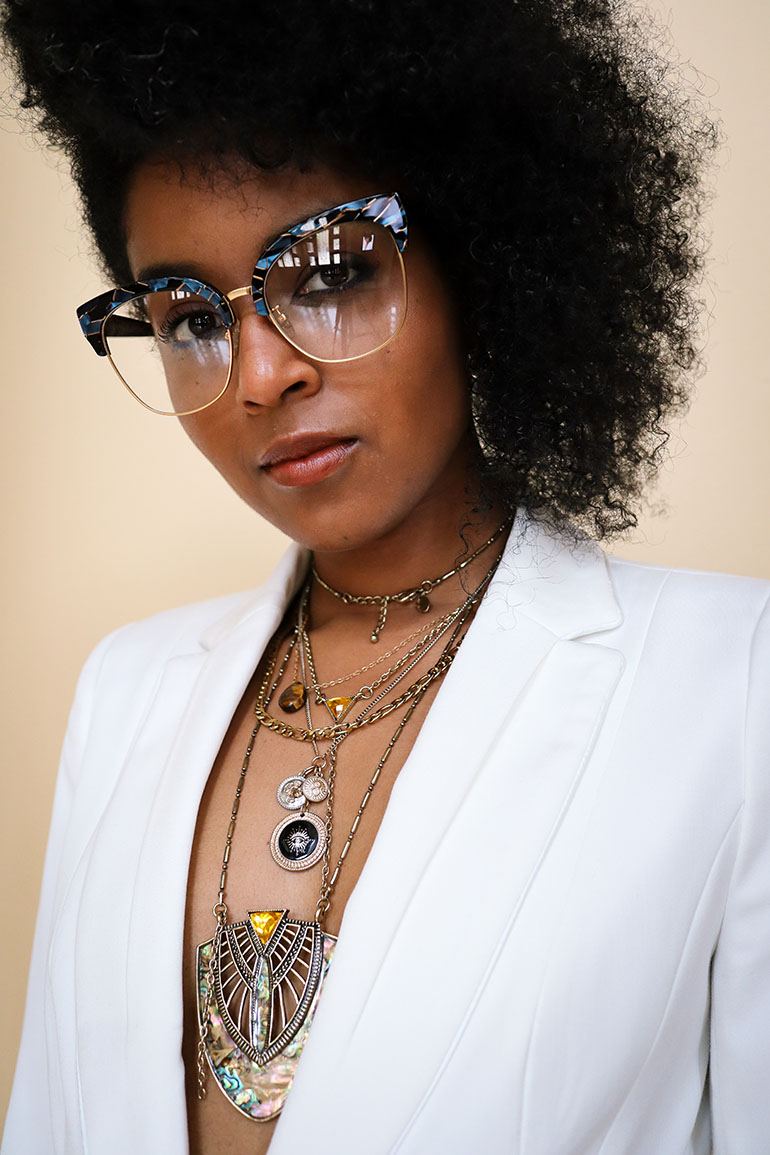
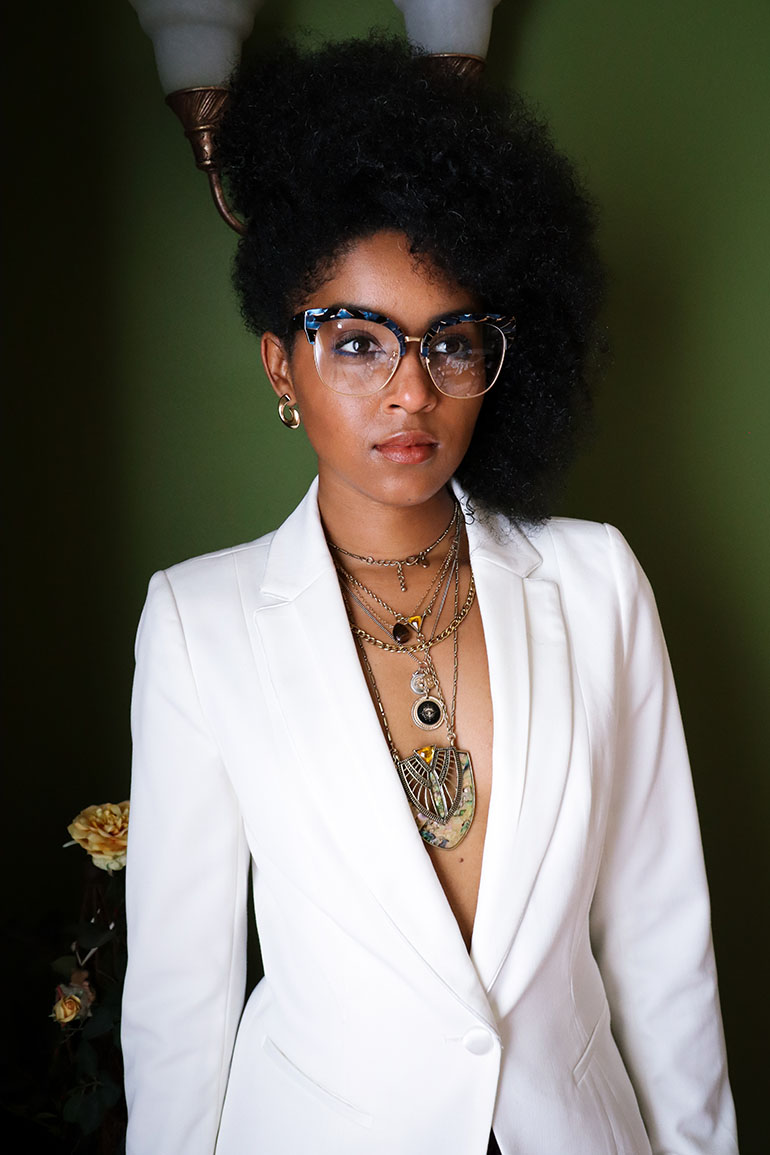
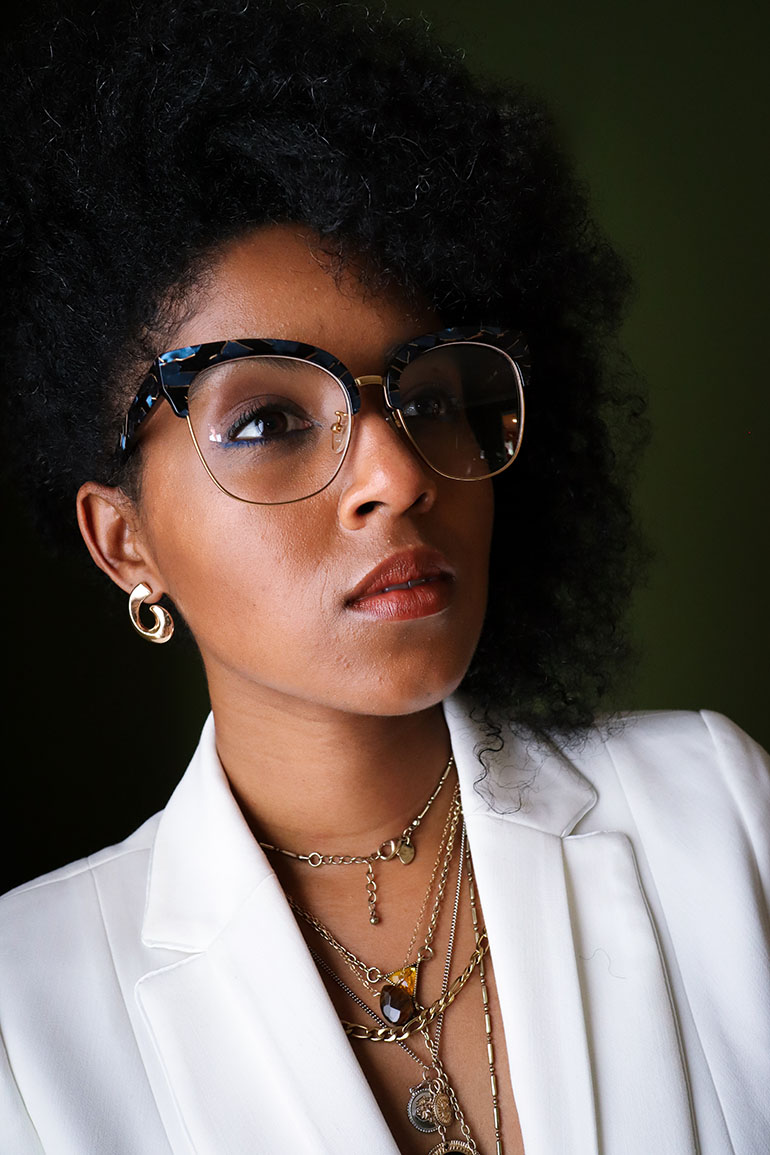
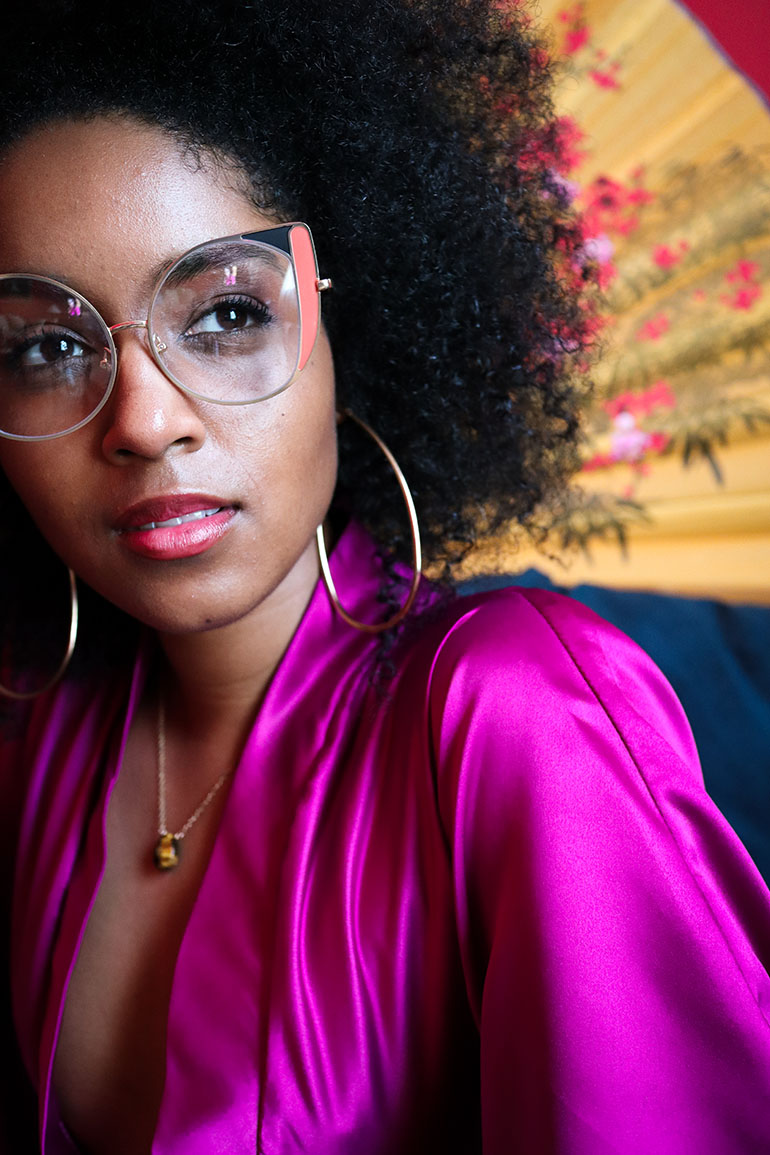
For the first time in my entire life, I ordered glasses frames online. I loved what I got so much, I felt the need to share them with you. In this video, I share details about the frames and how I found them.
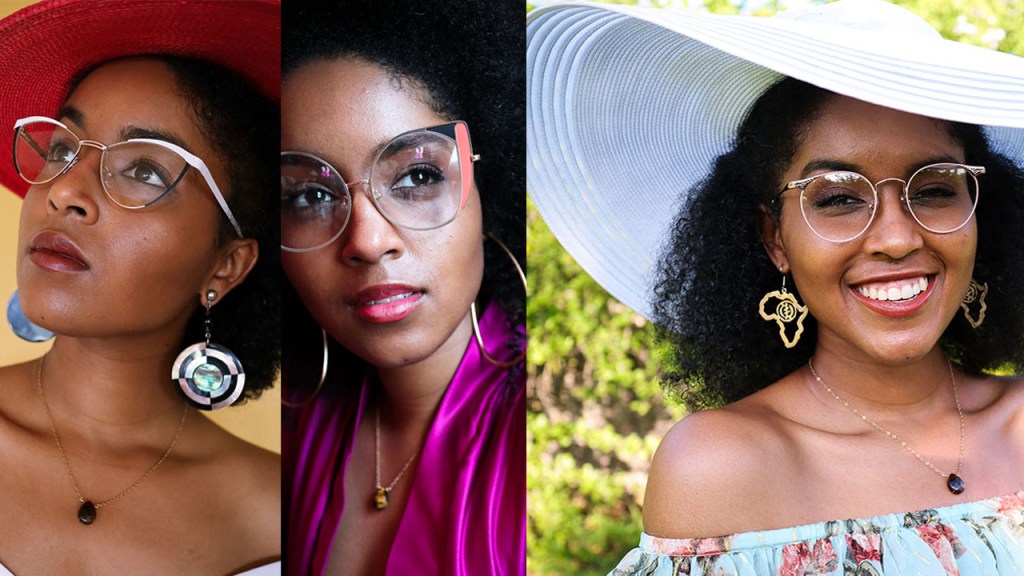
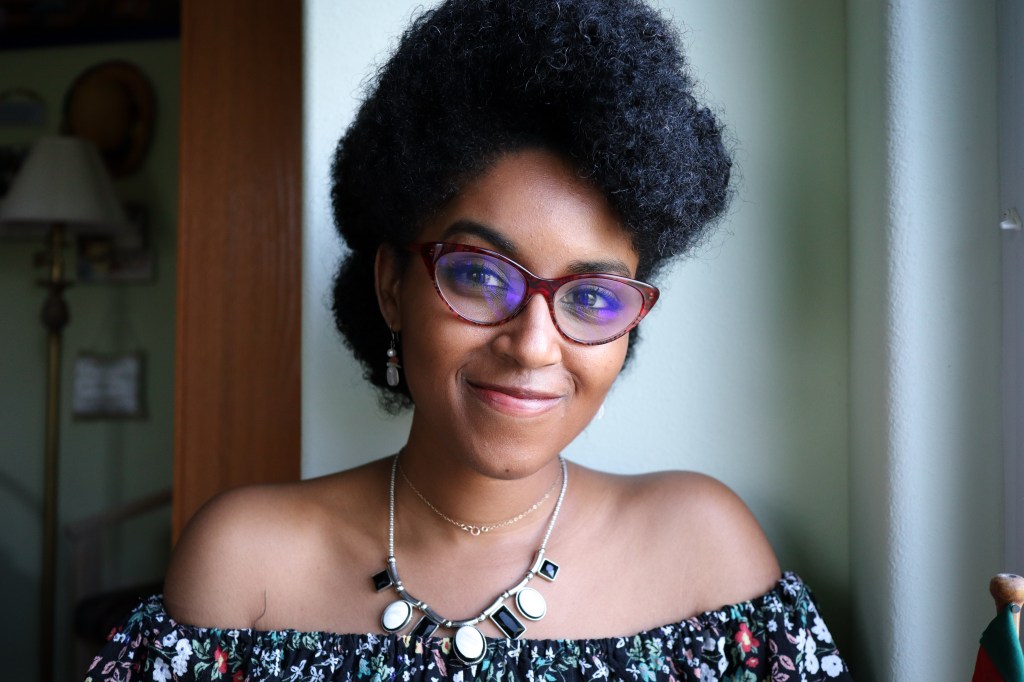
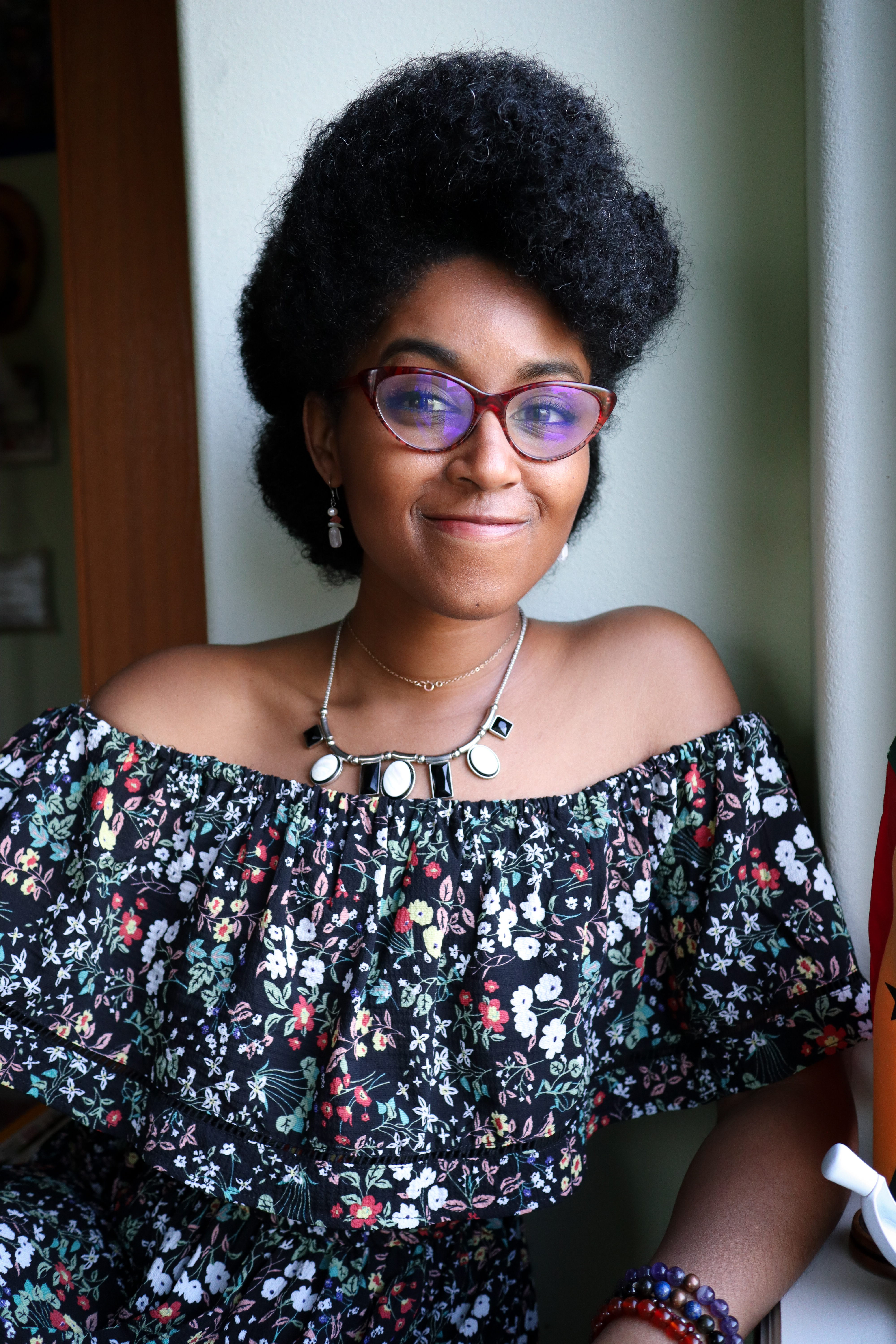
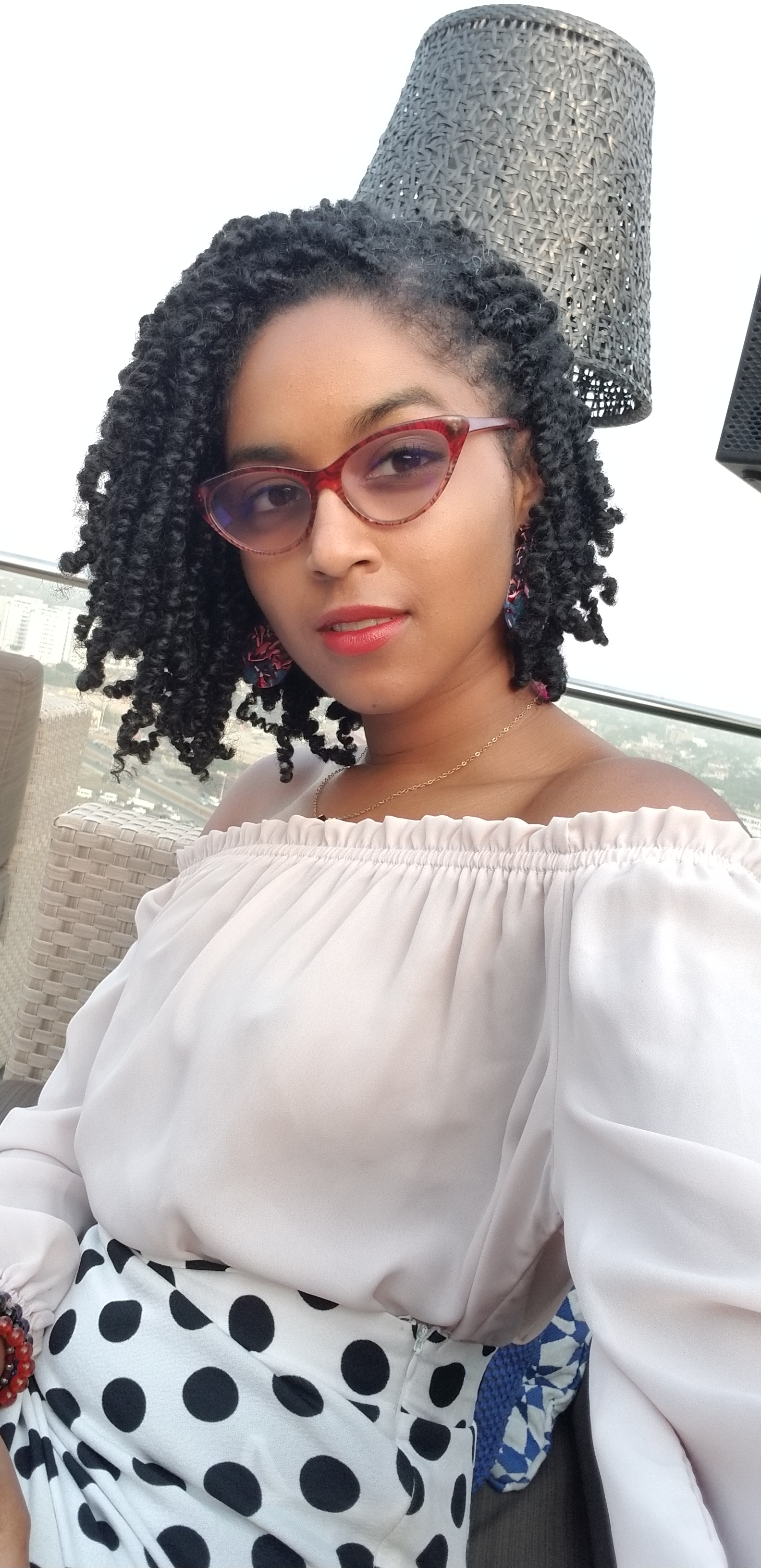
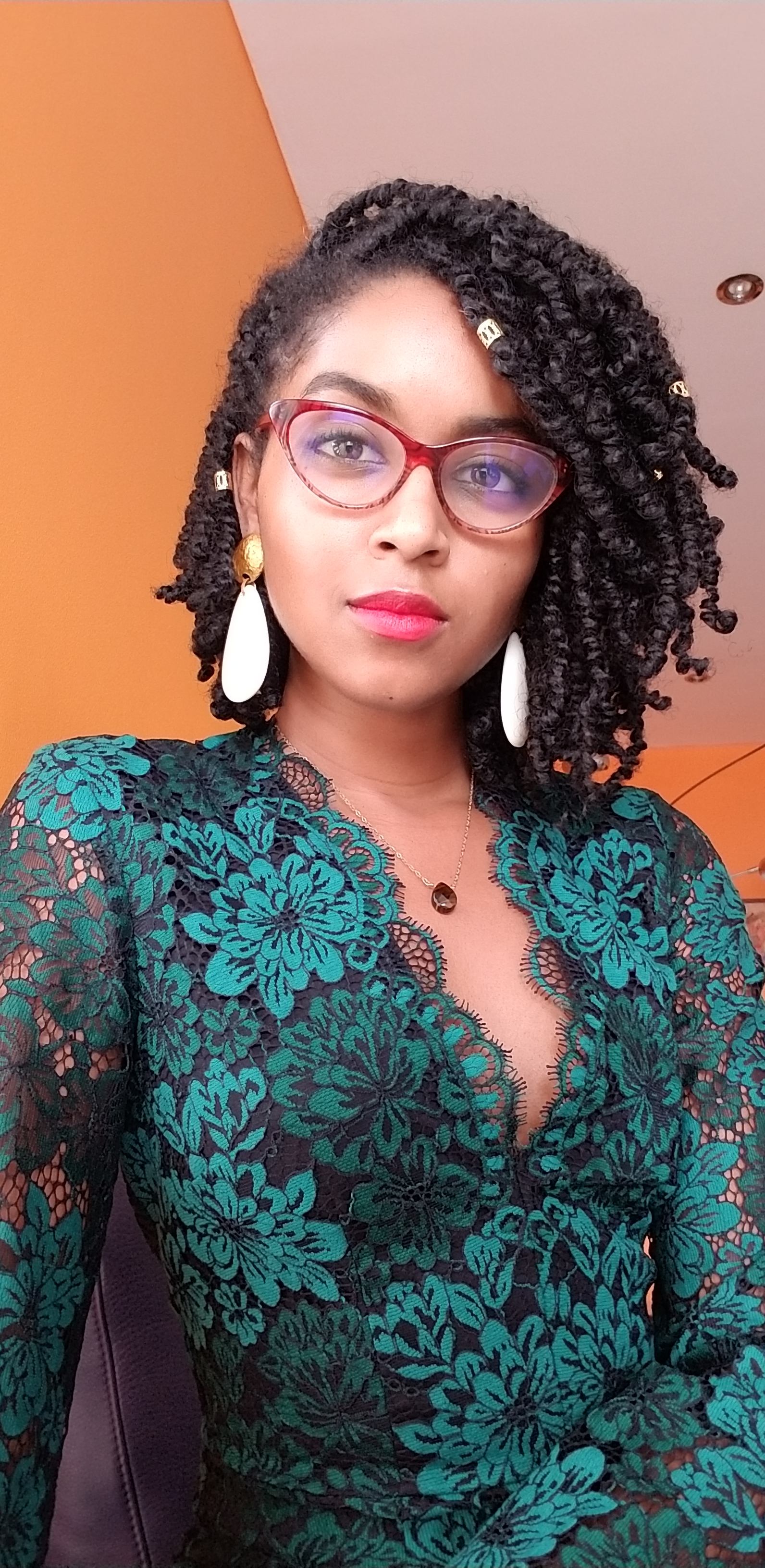
Now, let’s talk about these fabulous glasses. As you may now know, I have been wearing glasses all my life. Due to that, glasses have always been more of a utility. Growing up. my prescription evolved to be quite thick. Thus, back then, frames were not designed as jewelry and there was a limit to the style one can use with a thick prescription. Now, thanks to technology and fashion, there are more choices. The red frames you see me in now have been on my face for about 6 years. So, I have been itching for about a year and a half now for new frames, but had yet to find any in stores that catered to my personality. Thanks to now having extra time at home, I made it a project and treat for myself to explore different online eyewear stores.
First, Vint & York creates “eyewear for the modern nostalgic.” They take vintage trends to design stylish frames.
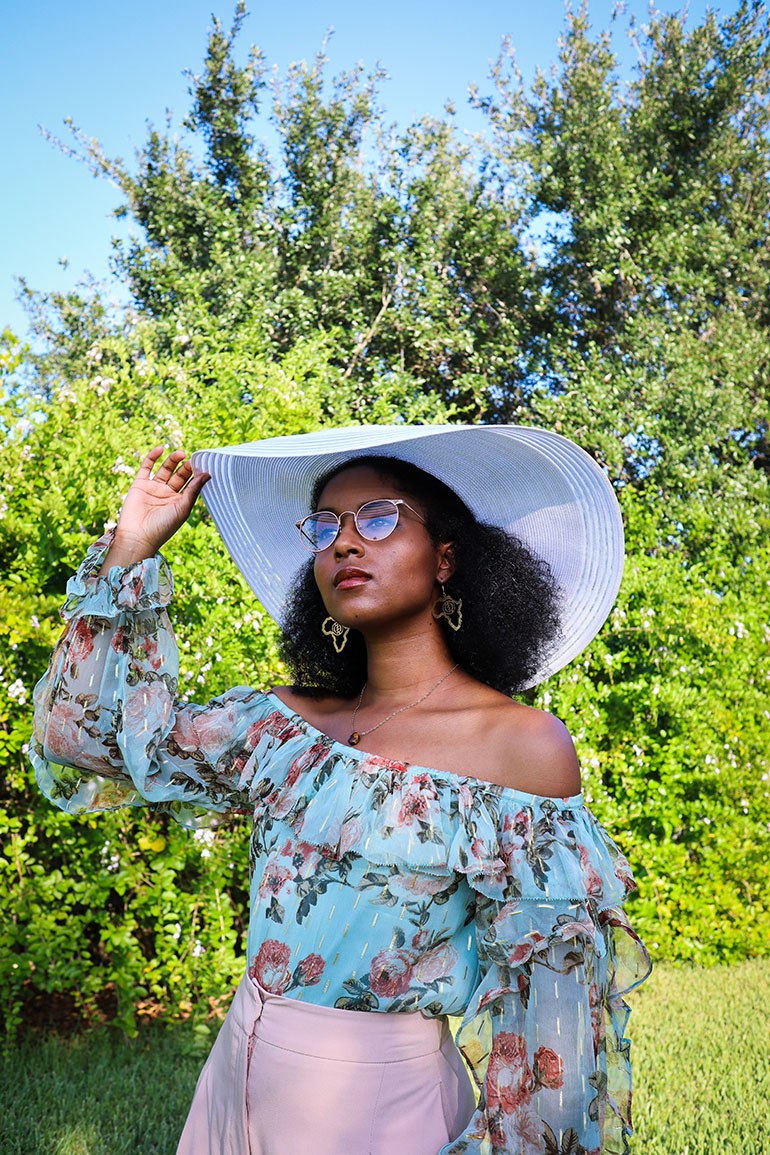
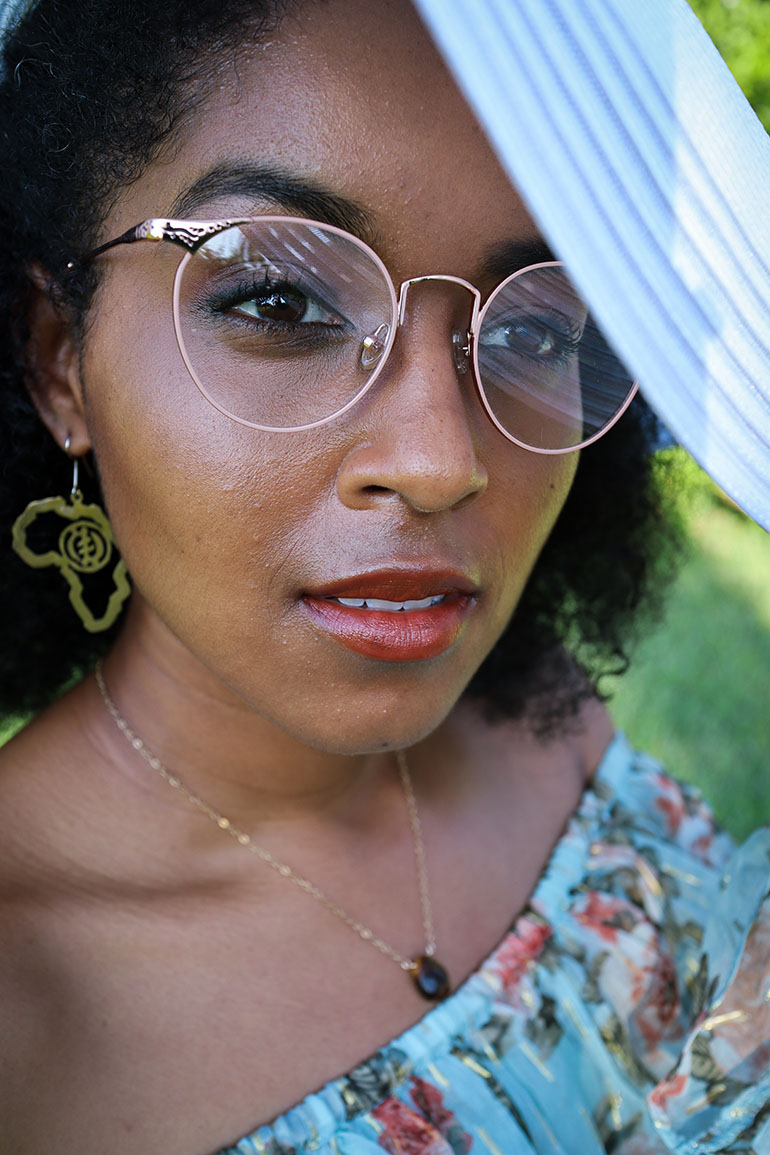
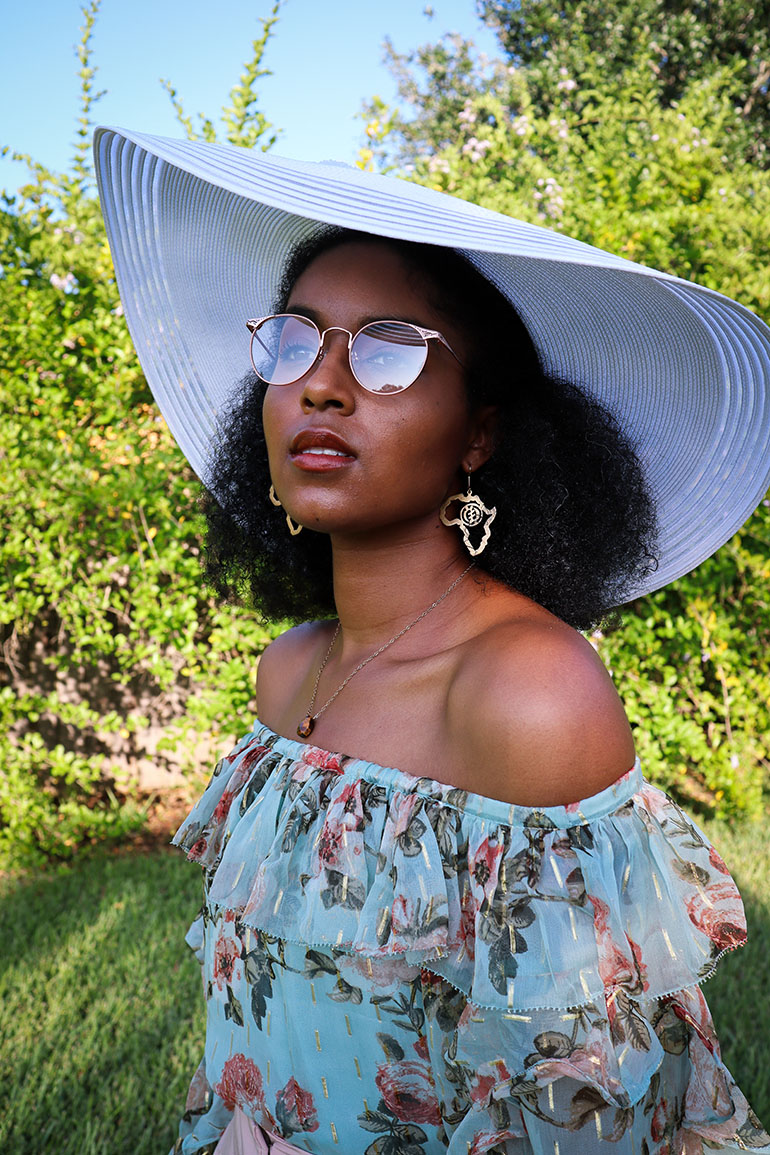
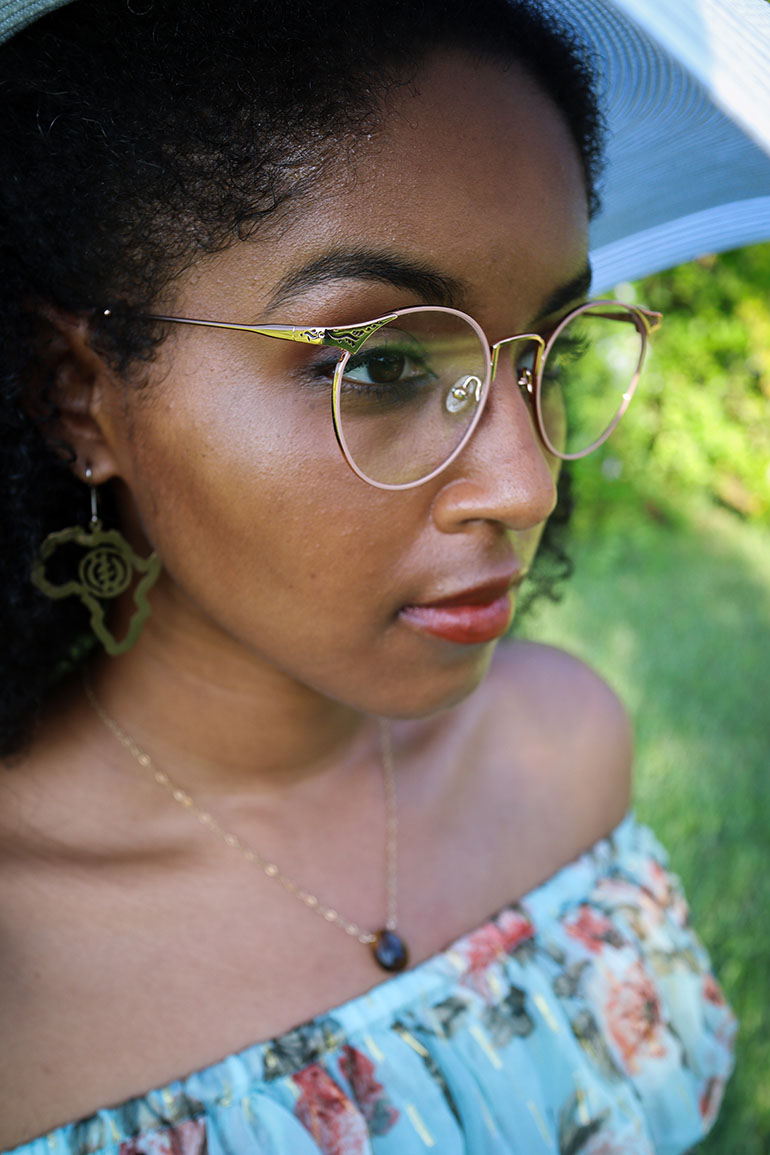
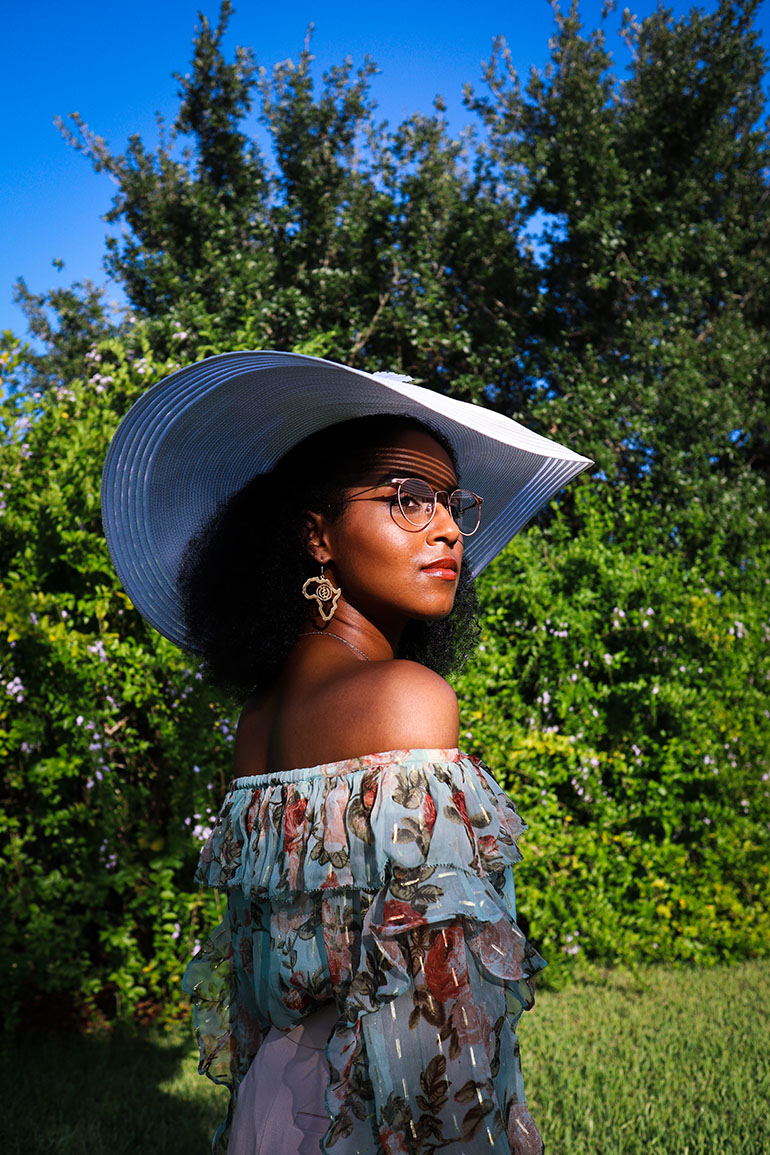
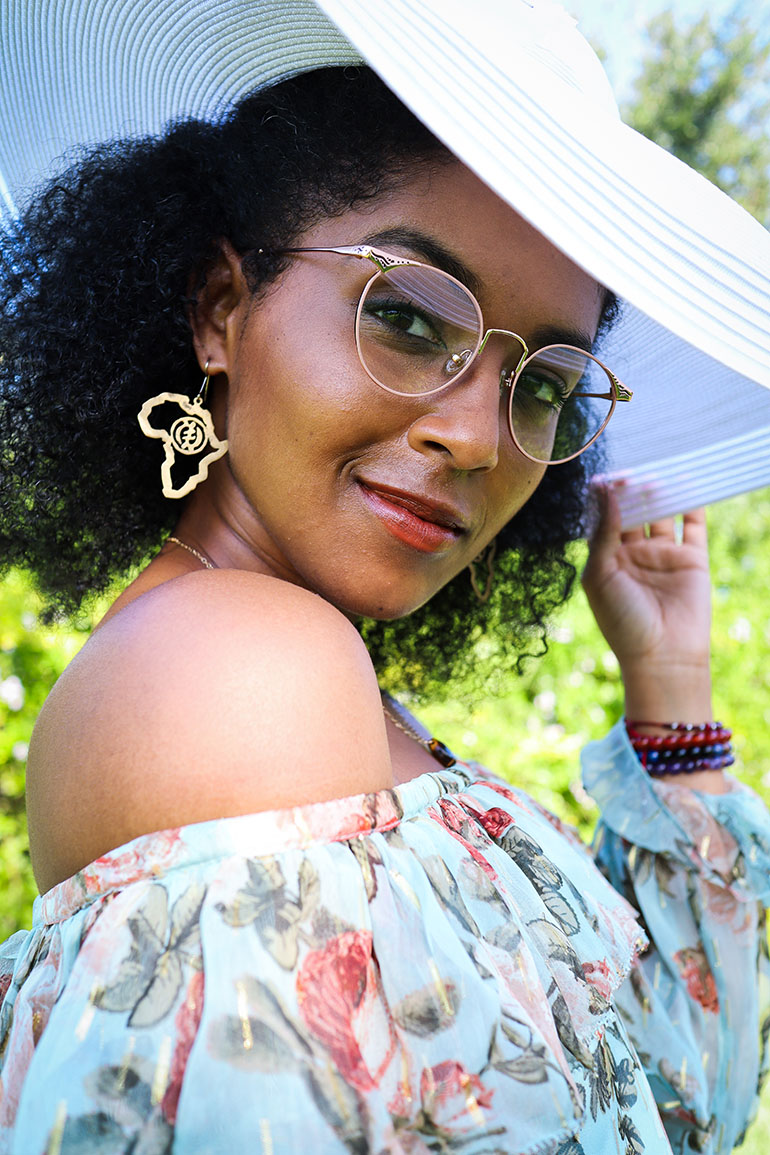
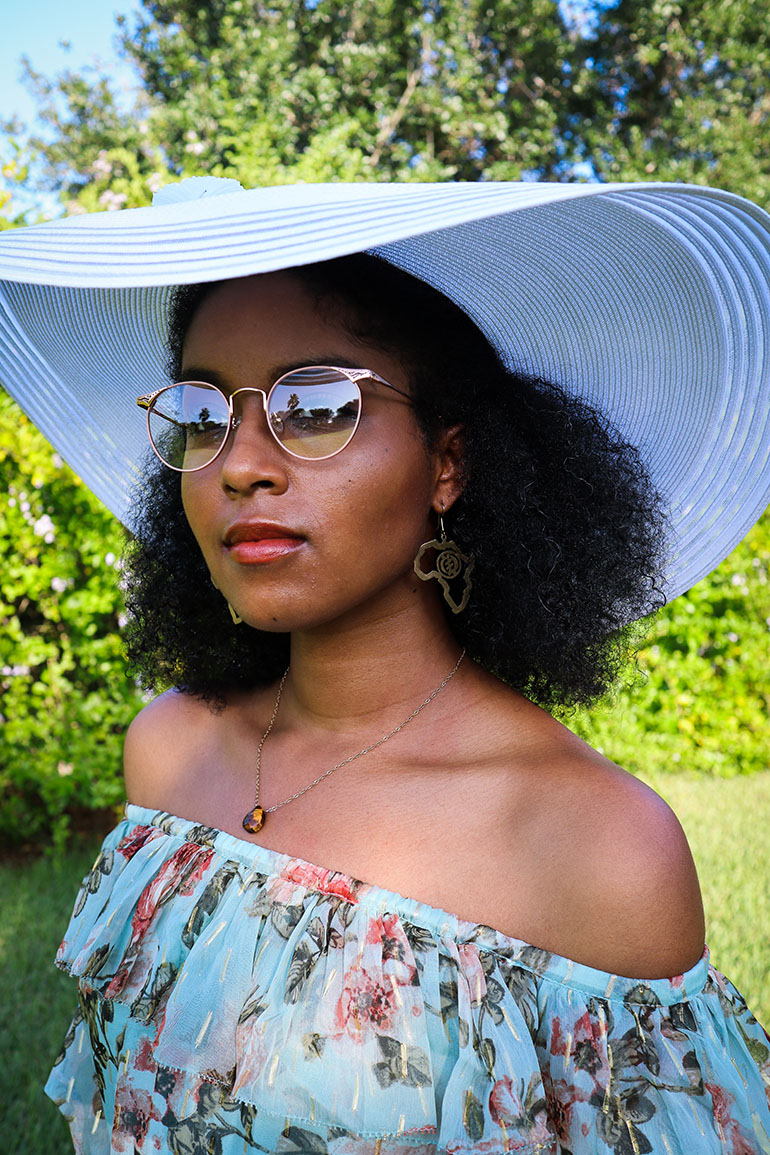
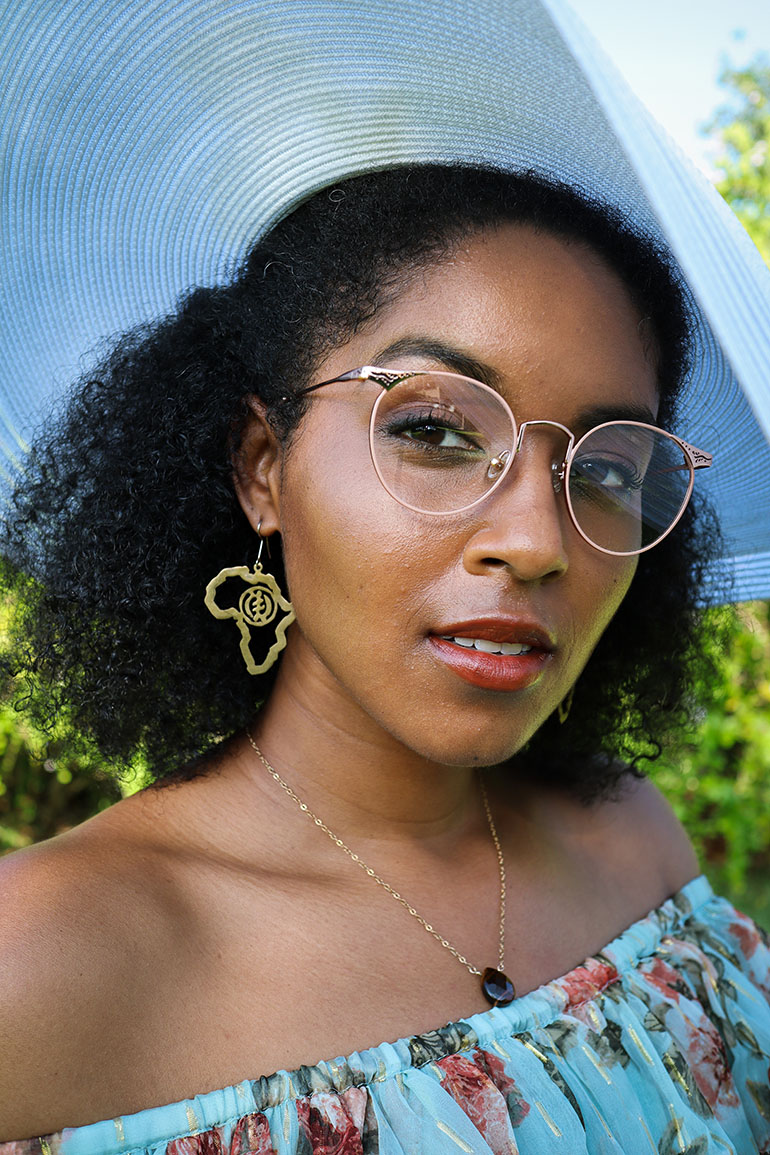
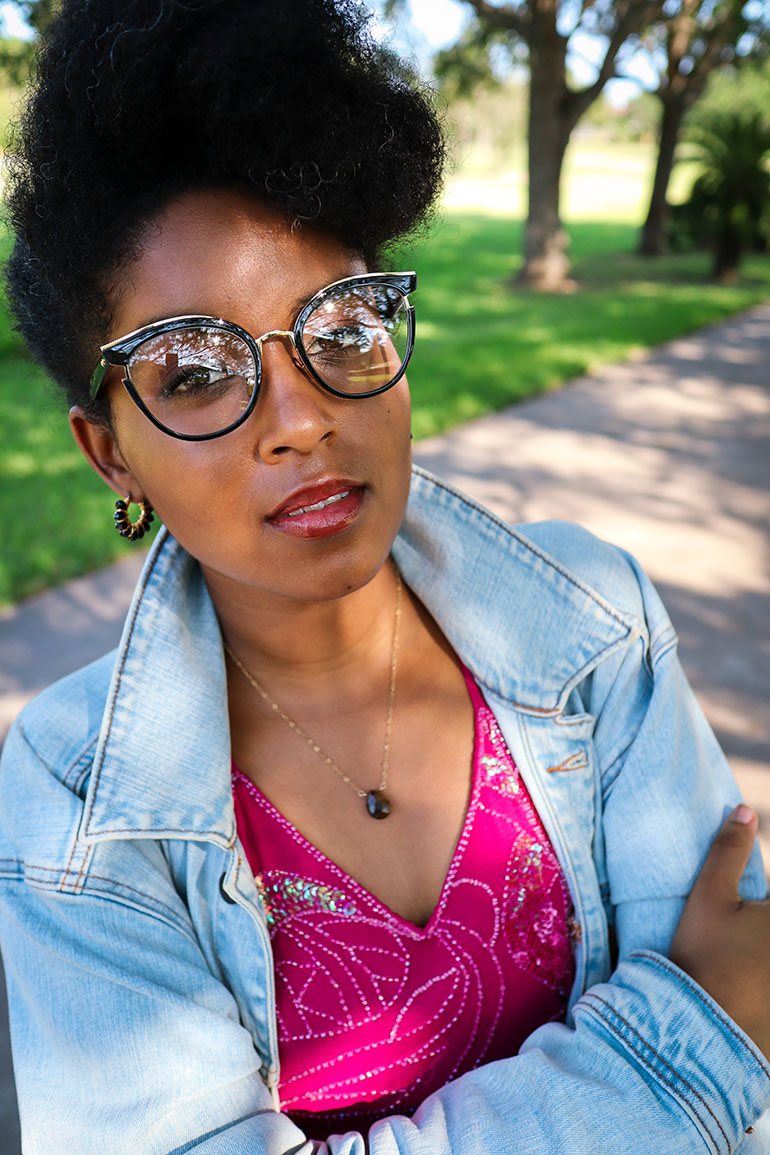
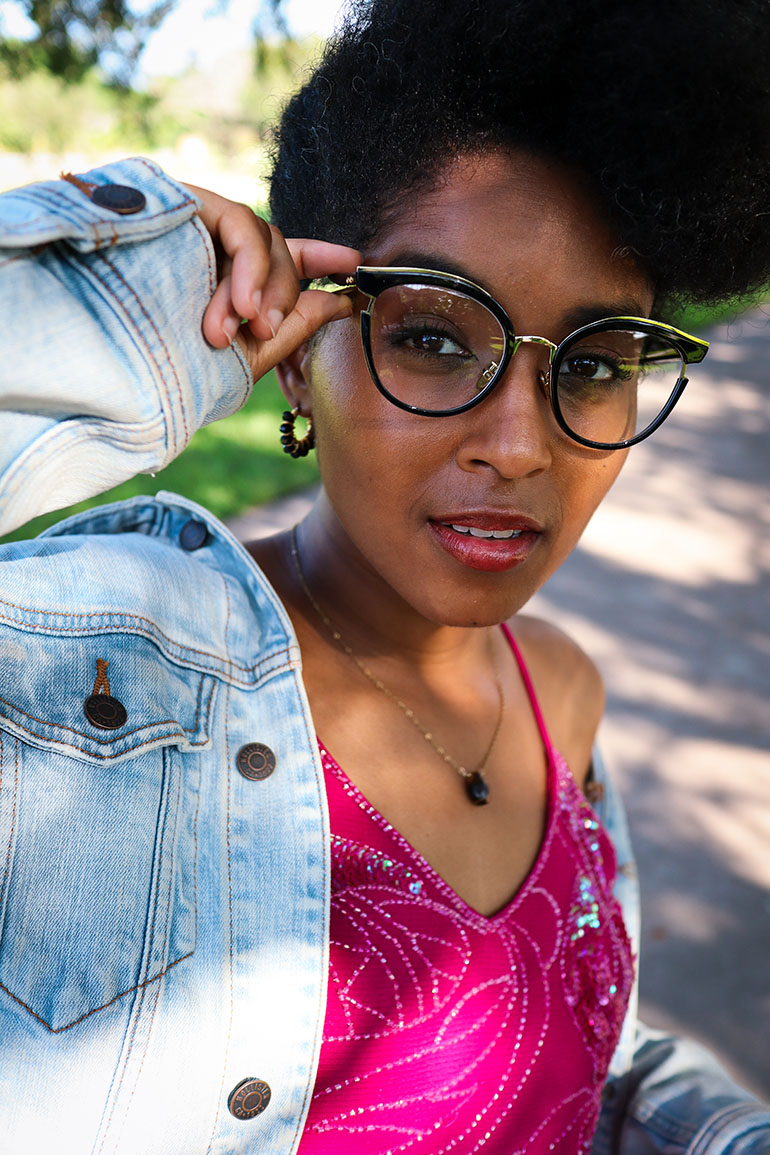
This is “Ella.” I chose the pink design and absolutely love them. Do you see the engraved details? They are elegant and edgy as well as discreet. The vintage design reminds me of My Fair Lady. They feel light weight on my face and are really comfortable.
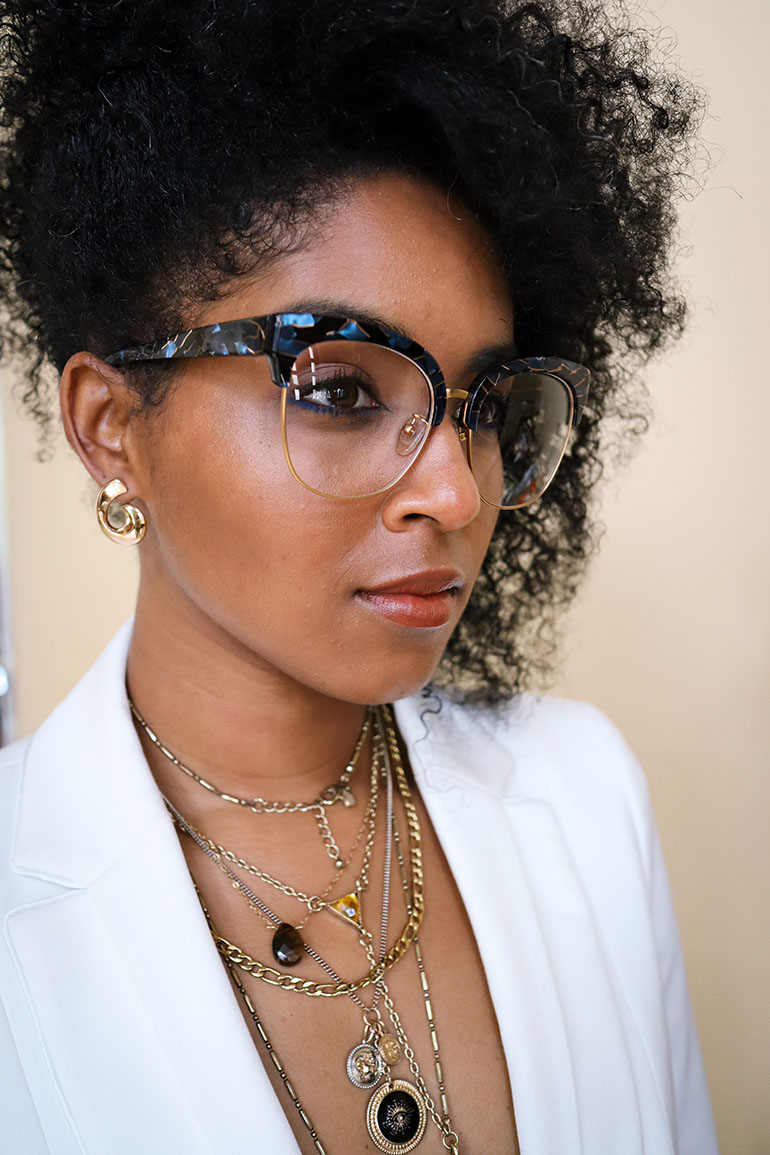
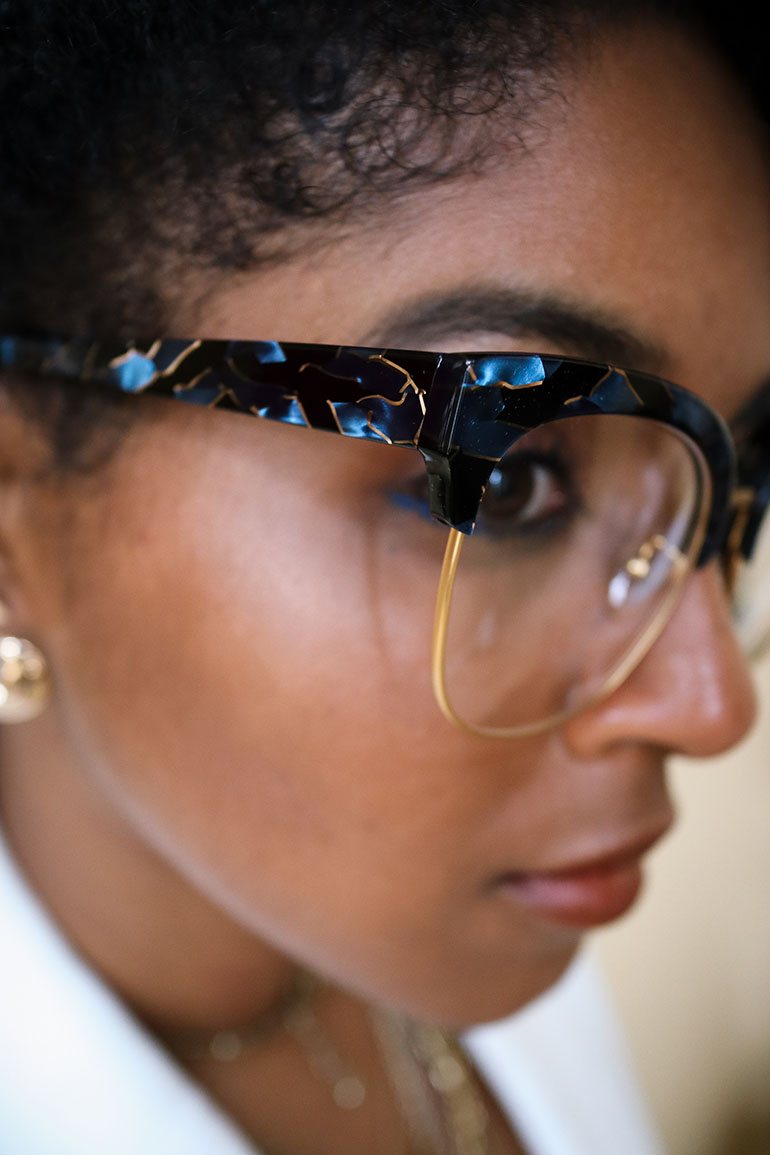
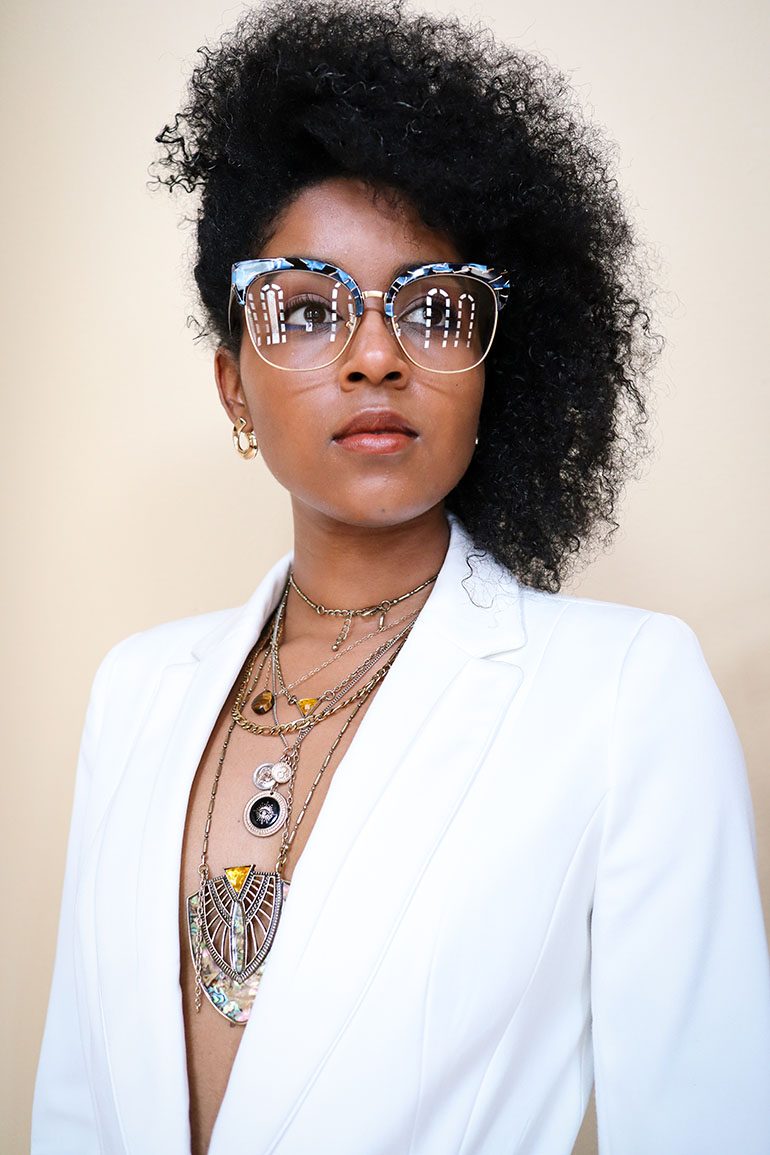
This is “Zelda 2.” I chose the Belize Blue design and really love them. The design reminds me of African print and Vibranium. They are bold and sophisticated. This design reminds me of Afrofuturism. In terms of size, this might be the biggest in my history of eyewear. But, due to the design, I like that it does not swallow my face. Rather, it still accentuates my eyes. They also feel light weight and comfortable.
Next, Voogue Me tag line is “born to be unique.” They have a variety of styles that are classic, bold, and trendy.
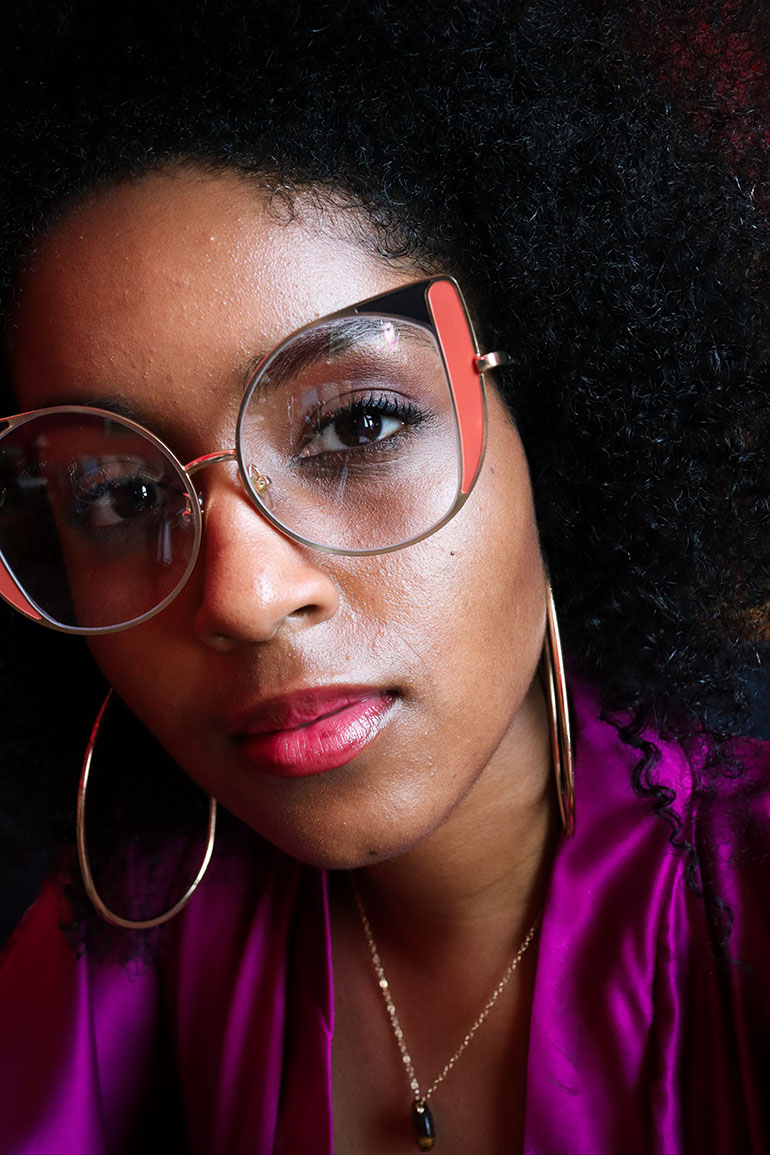
This is “Eleni.” I chose the orange design. It reminds me of blaxploitation movies, like Cleopatra Jones, and R&B music in the early 2000s, like “Dip it Low” by Christina Milian or “Call on Me” by Janet Jackson. It also makes me think of anime. I really love this design. It is bold and funky. They are also light weight and feel good quality.
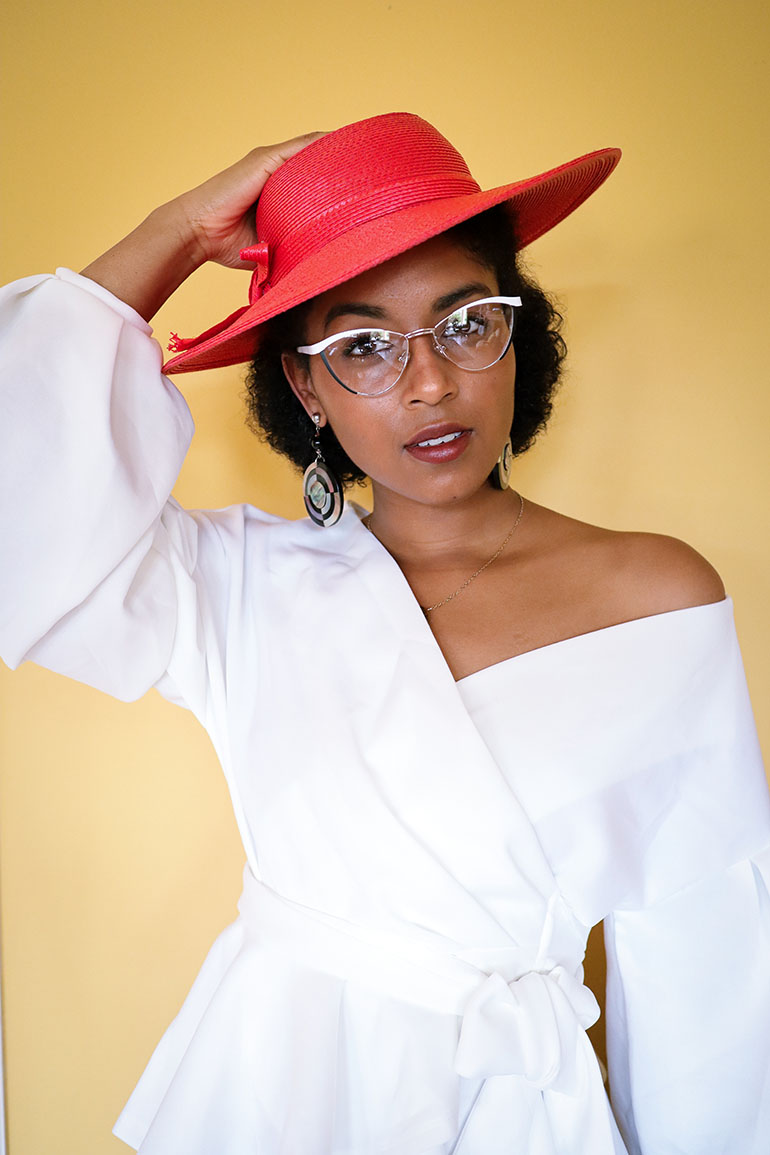
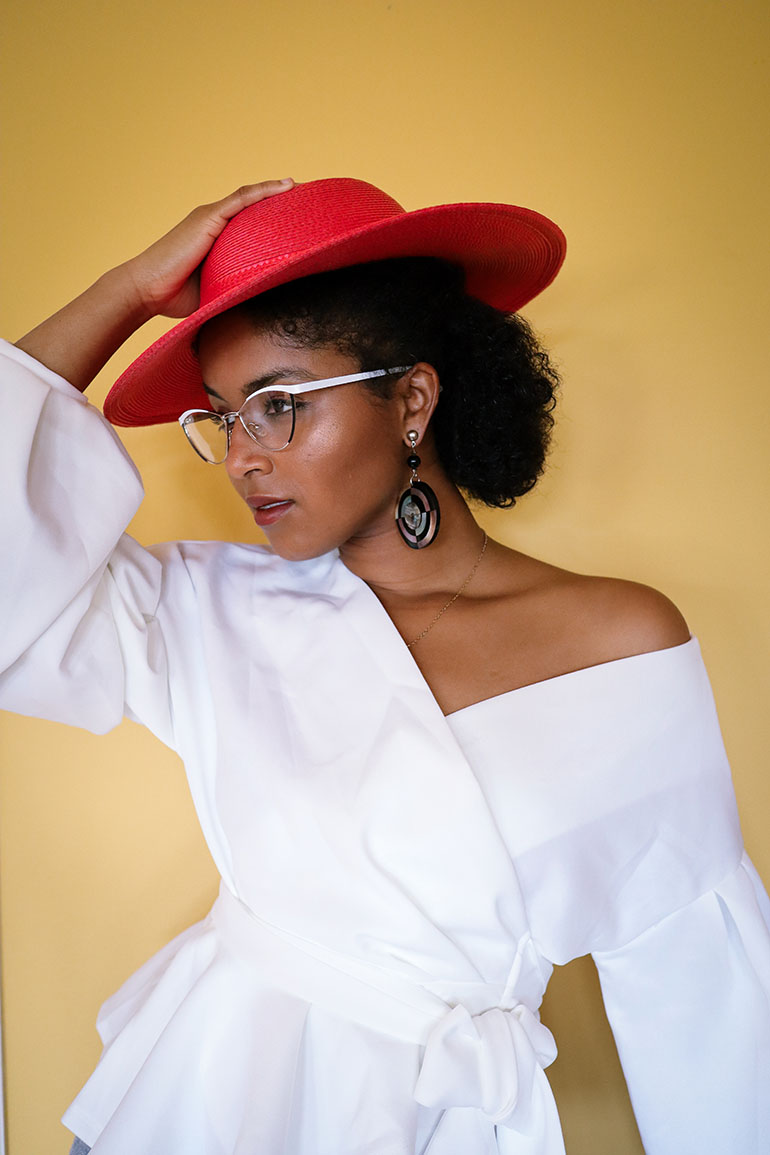
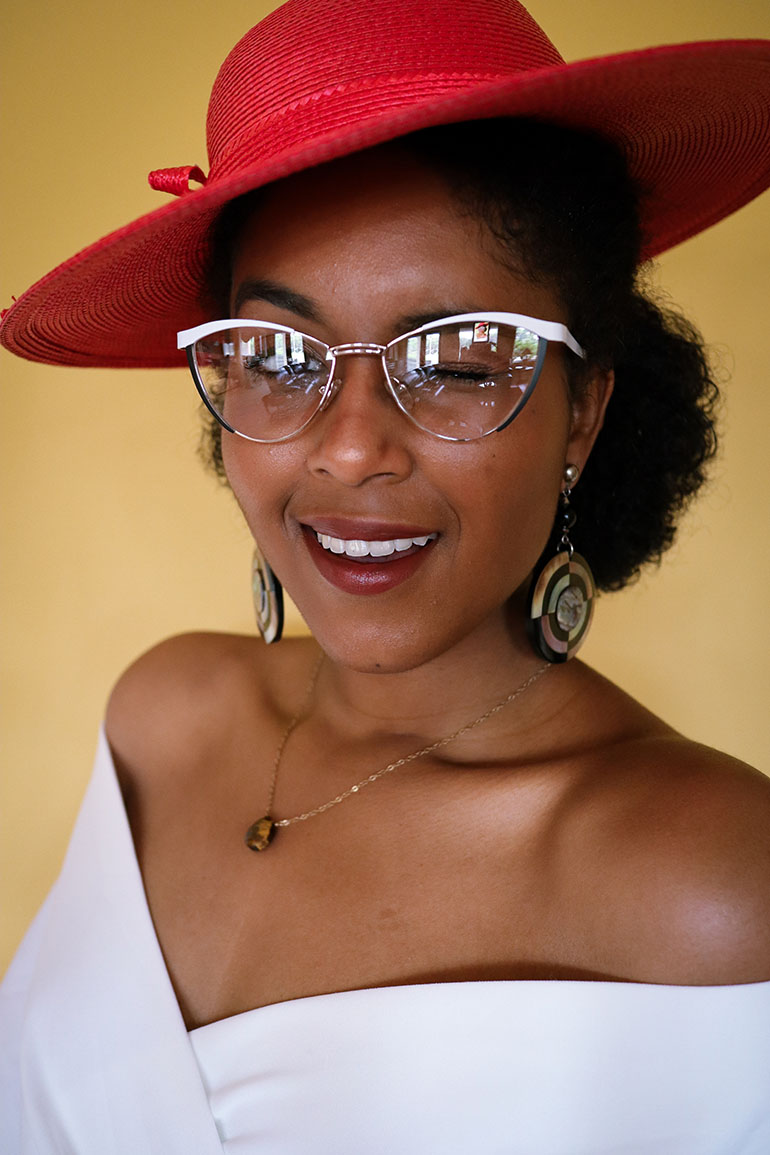
This is “Sydney.” I chose the black and white design. It reminds me of the Hollywood Glamour era with Audrey Hepburn, Eartha Kitt, and Dorothy Dandridge. I love this design’s twist on the cat eye shape. It is elegant and retro. They also feel good quality.
Finally, UBlins provides a variety of eyewear frames that are good quality and affordable.
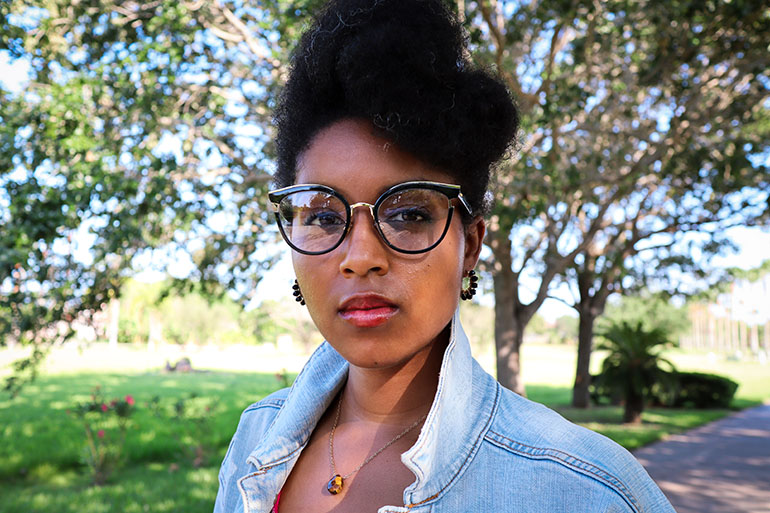
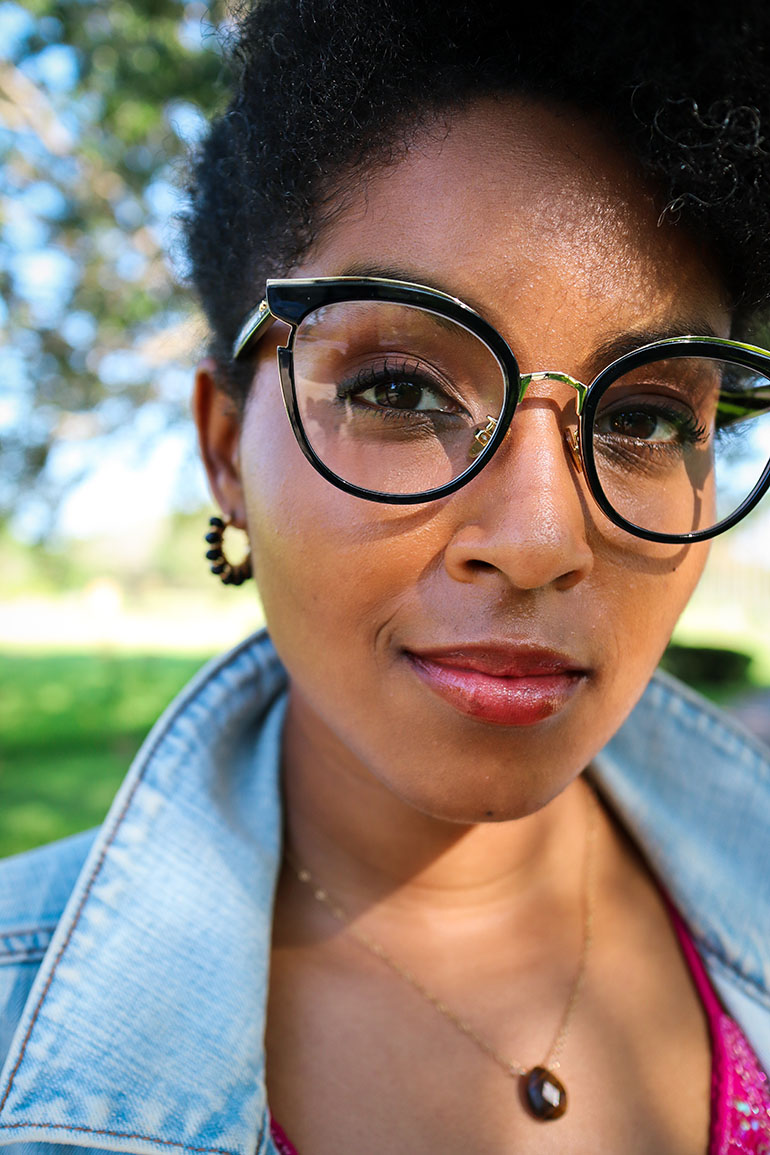
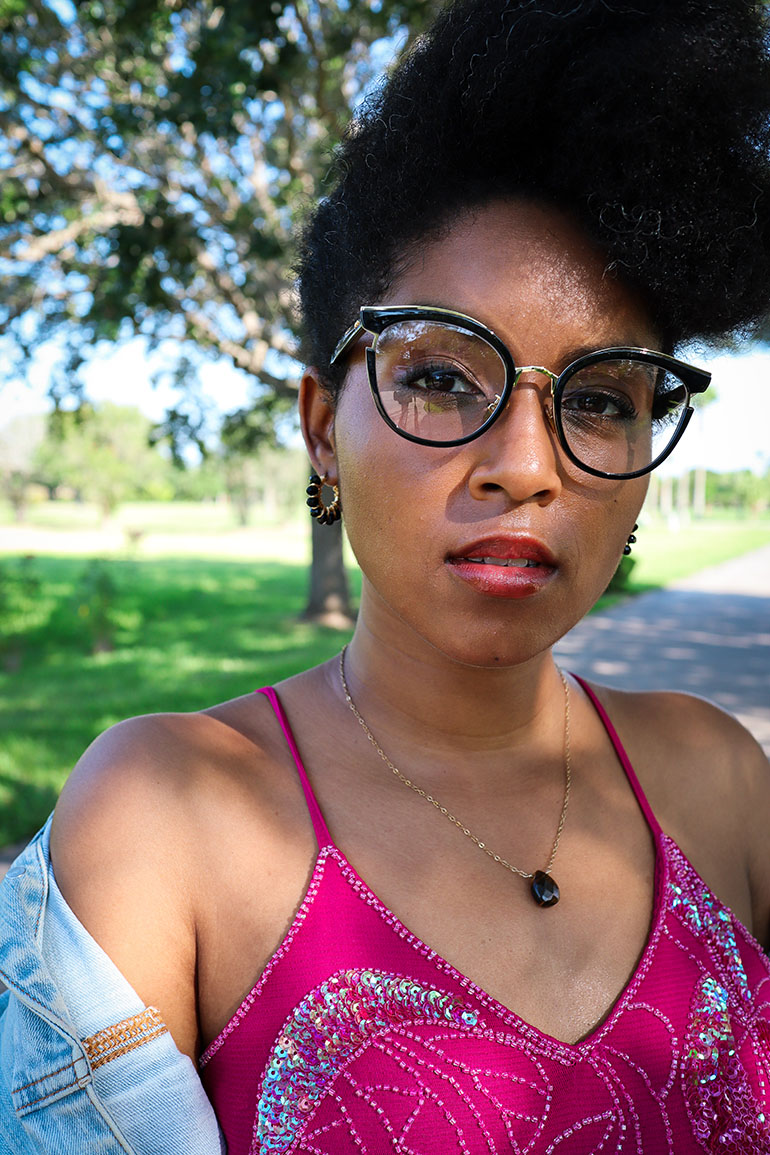
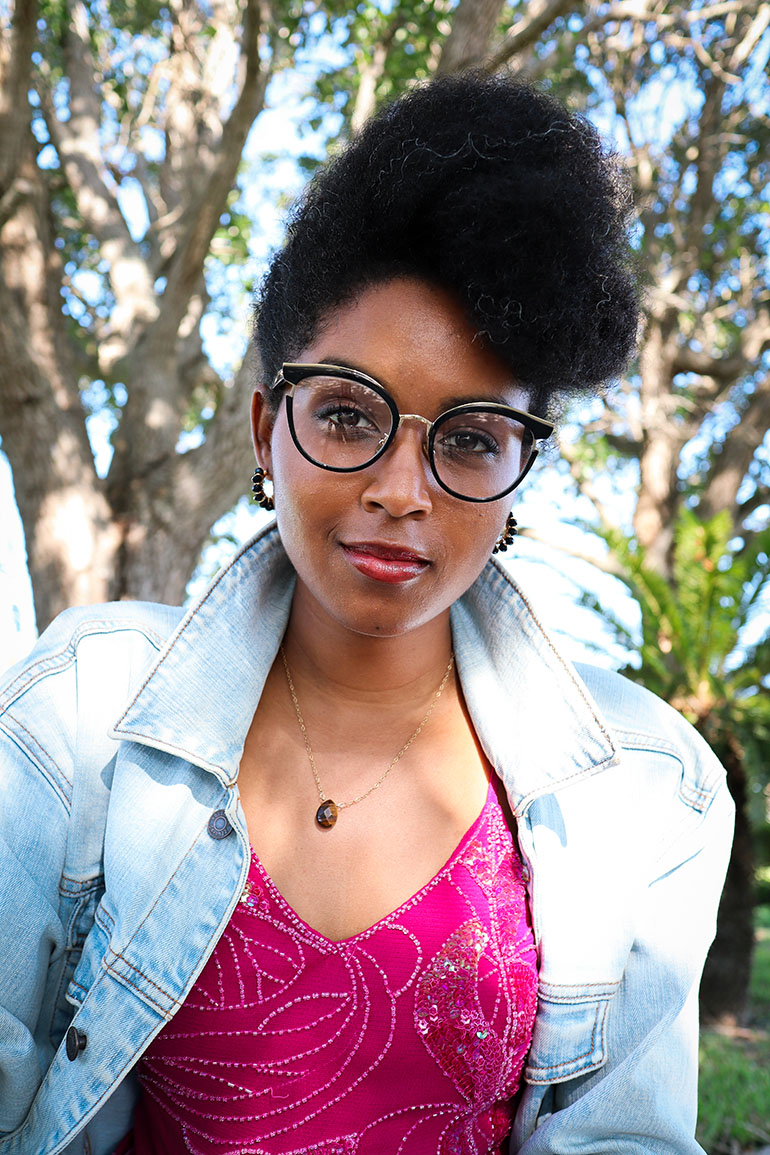
This is “Anna.” I chose the black design and tortoise design. They both have a professional feel with personality. Elegant and discreetly edgy with the gold accents and cut-out on the sides. They are light weight and feel comfortable.
Overall, I am so pleased with my purchases. This was my first time hearing about any of these companies and I am really glad my online search lead me to them. I am really glad to see how eyewear design continues to evolve. It is encouraging to have so many options to choose from, if you take the time to search for them. Also, creating mini-lookbooks for each frame was a lot of fun.
Which eyewear design is your favorite? Which look was your favorite? Share with me in the comments.
Also, remember to connect with me on Instagram, Twitter, and Facebook. I love hearing from you.
Let’s talk about money. The thing everyone wants and the thing most are uncomfortable sharing details about. Financial literacy really makes a difference in your life, regardless of where you live. How you spend and budget is equally as important to how much you earn. So, in this video, I discuss how I made a point to understand the variety of payment methods and transactions in Ghana and monitor what things cost and how much I spend.
The payments methods I use in Ghana are cash, debit card, checks, and MTN mobile money. The most convenient method is mobile money because it can be used to pay monthly bills, purchase products and services, and be used as a method to receive payments. In the video, I explain how to set up mobile money on your phone.
Living expenses can vary depending on where you live and your lifestyle. Like I said in the video, my monthly bills slightly fluctuate. For estimating purposes, my electricity bill is 200 Ghc ($40), diesel bill is 200 Ghc ($40), water bill is 20 Ghc ($4), internet is 350 Ghc ($70), groceries is 100 – 200 Ghc twice a month ($40 – $80) and gas is 170 Ghc ($35). Finding where to shop for essentials makes a difference in how much you spend. Accra has a number of grocery stores, including Palace, Shoprite, Game, Melcolm, MaxMart, and Koala. I have shopped at all of them and found each of them have such helpful people working there. I primarily shop for legumes, frozen vegetables, rice, couscous, and spices at MaxMart, bread at Koala, and plantains, avocados, and peppers at an outside mini market.
When it comes to keeping a budget, the first thing you need to do is monitor your spending, like what I mentioned above. I used a note on my phone. There are also a variety of apps you can use to monitor your spending. The information you need to focus on is the dates you spend and categorizing your expenses. Search the app store for “budget” or “personal spending” for options that fit your preference.
I monitored my spending for about 6 months because I was also learning the currency and what things cost. You can monitor your spending for at least a month. The categories are important because it helps analyze your data. For example, you may not have any control over your essential expenses, like rent and amenities, but you could find alternatives for lifestyle expenses, like take-out food. Once you have this data, you can compare it to the amount of money you earn. The goal is to balance spending less than you earn. You can do this intentionally without depriving your lifestyle by planning your future spending. Each month you stick to alternatives for your lifestyle expenses to maintain that balance. I find this helps shift your mindset around your power with money. It is needed to pay bills, but it can also be used to plan, invest, and save beyond recurring essential expenses.
Regarding consumerism culture, I have found my spending habits evolving while living in Ghana. I have always been frugal, but shopping, especially for miscellaneous things, was usually an isolated experience. I would check ASOS to see what they have, even if I have no where to go. Now, when I visit home, I still check ASOS, but don’t feel the urge to purchase as much. Instead, I really enjoy shopping in Ghana at pop-up events. Since the majority of my wardrobe has been Western focused for so long, I am more focused on adding statement pieces that are afrocentric and traditionally African. There are a variety of boutiques in Accra plus many talented designers and tailors. I love shopping at pop-up events because it feels more personal. I get to chat with the designer and brand owner. I always ask about their inspiration, how long they have been in business, and what their brand story is. During every national holiday that creates a long weekend, the Accra Goods Market hosts a pop-up event. It features several vendors in clothing, accessories, fabric, decor, and food. Plus a DJ to keep the party vibe. I have attended three of their pop-ups so far and have purchased so many unique gems each time.
My consumerism behavior has become more intentional while living in Ghana. I feel this is because there is more of a sense of community and more opportunities to shop local. My purchase goes beyond a faceless transaction between a product and currency. Each piece has its own personality, which makes the shopping experience more worth while.
How do you keep a budget? What is your shopping personality? Share with me in the comments below.
Also, remember to connect with me on Instagram, Twitter, or Facebook. I love hearing from you.
Africa is the future. The real question is, whose future does it benefit? What does Beyond the Return look like now? Before moving to Ghana, I did a lot of research to try to understand the country and see where I could fit. Even though that helped to encourage me to take the first step, it did not compare to what I needed to learn on the ground. In this video, I discuss what has worked for me in finding and creating my niche in Ghana and Africa.
As I discussed in the video, nothing compares to learning from experience. Being patient, adaptable, and open to learning will take you much further, if you are looking to find and create your niche in Ghana and Africa.
Networking does play a role in your success. Instead of insisting there is only one way to do this, I encourage you to explore what works for your industry and your personality. Some people need to be in everyone’s face. Others prefer to keep their circle of contacts small and close. I have found that a mixture of in person socializing and online outreach allows me to have a diverse network of people to learn from, collaborate with, support, and work with. This lends itself to the work culture in Ghana. You do not need to limit people to one transaction or interaction. The person you purchase furniture from can also introduce you to a business opportunity, help you with your garden, invite you to meet their family, or find that particular gadget that is not available in stores. The person you met at an event can also collaborate with you on a project, introduce you to the manager of a bank, teach you how to cook traditional dishes, or introduce you to their tailor. It all depends on how you value and maneuver your interactions.
Even though these connections feel more wholesome compared to the isolating transactions I experienced in Houston, or America in general, I am still learning how these interactions evolve to create your closer circle of friends. This might be influenced by the societal notion that everyone should know their place. Some people, in spite of interacting with each other for an extended period of time, may never feel comfortable enough to invite me into their home. As an American, this is not unusual because we all have friends who don’t know where we live. From my understanding, Ghanaians do invite their real friends home and introduce them to their families. I have also learned that people in Accra are different from people based or born and raised in other parts of Ghana. This might be similar to other big cities, but the sense that not everyone is truly as they seem or say is not foreign in Accra. I am very grateful that I have met and continue to connect to the people who are wholesome, supportive, authentic, and interesting.
Regarding the established network groups I mentioned in the video, I feel they are a great start to get a sense of who is around, what people are talking about, and what you can connect to. Ahaspora is a group for young professionals. I have also used their job listing to find opportunities. AAAG, the African American Association of Ghana, is the group that introduced me to the W.E.B. Du Bois Center in Accra. Ghana Must Read Book Club is a lovely group of book nerds. I really enjoyed the meet up I attended to discuss Children of Virtue and Vengeance by Tomi Adeyemi. This year, each month is dedicated to a different region of the world. There are many more groups for a variety of interests through out Ghana. These are the ones I have participated in thus far.
When it comes to figuring out if your industry exists in Ghana, or another country in Africa, it is important to remember that it may look different than what you are used to. Even though most of the data you need will come from word of mouth, there are startups developing ways to gather that data for all industries. Survey54 is a platform focused on emerging markets in Africa and its diaspora. I met the founder, Stephen Eyeson, in Ghana during the December holiday season. Him and his team are doing an impressive job developing their product. This article in African Business Magazine discusses the industries that are buzzing due to need to shift the economy into a digital landscape. Like I mentioned in the video, mobile financing, online education, and tele health are on their list. There is also a luxury market in Africa that continues to expand and grow. Another article from African Business Magazine discusses this in more detail. The speed of development, debt, and demand creates an interesting environment in Ghana and Africa. The mixture provides a blank canvas for you to choose how you further your business, make an impact, and gain in every aspect of your life.
So far, this is what has encouraged me to continue my journey. Are you looking to move or work in Ghana or another country in Africa? Are you already based in the royal continent and looking to expand or pivot? What do you find helpful? Let me know in the comments. Let’s continue the conversation.
Also, feel free to reach out and connect with me on Instagram, Twitter, or Facebook. I love hearing from you.
Let’s talk about the historical, monumental, and hysterical Instagram Live battle between Teddy Riley and Babyface. This was the most anticipated battle of pandemic era time. Nostalgia for 90s R&B and New Jack Swing plus block parties brought around 500,000 people to watch this epic dual of music producers. They had to bring the hits, the shade, and the legends. In this video, I recap on how the battle went down and discuss what this live stream era means for culture.
Now, let’s dive deeper. As I mentioned in the video, this was such an enjoyable virtual experience. It was so cool to feel connected to everyone who is feeling the same nostalgia and joy in music and teasing each other. Taking note of how crisp Teddy Riley’s individual live stream, this is a really exciting time to see how virtual experiences evolve.
Looking to Instagram Live for music entertainment began with DJ D-Nice and his DJ sets coined “Club Quarantine.” In March of 2020 he set the record for the most live stream viewers in the history of Instagram while playing 9 hours straight. This was encouraging and uplifting because, if you read his story, he has been in the entertainment business for a long time without fully being recognized for his talent. He started in the mid-1980s as a member of a teenage hip-hop group Boogie Down Productions. He released a solo album in 1990 and 1991, which were produced by him, sold half a million copies, and reached #1 on Billboard’s Hot Rap Tracks chart. In spite of that, Hip Hop was considered one hit wonders by the main stream music industry, so his record label did not renew his contract. He later added photographer and DJ to his high-profile collection of hats. Fast forward to the stay-at-home order in L.A., DJ D-Nice decided to share his gift and live stream his DJ sets while sharing stories and shouting out people who were watching. You can read more about his story in this LA Times article.
This lead to the next wave of Instagram Live Stream trends: R&B producer battles. Swizz Beats and Timbaland host Verzuz beat battles on Instagram Live. In this series, two prominent producers pair up on IG Live to prove who has the better catalog. The live viewers decide who wins. Similar to the original DJ battles in Hip Hop history. Read more about who won the battles so far in this Vulture article. This series has been really cool because you get to enjoy the music while also getting insight on how many people are involved in creating a song. I think it is also an interactive way to celebrate history and culture.
Currently, these experiences are a way to cope and connect. I feel we should also be proactive in archiving these experiences and protecting the content. At the moment, live streaming is free and convenient. It will become the new normal for education, entertainment, and services. What does that mean for documenting and protecting culture? There are so many platforms to focus on. For example, during the Teddy Riley vs Babyface Verzuz battle, there was a lot of activity in the live comments and social media. There were also numerous reaction videos and articles. How could this be archived for a future exhibit?
This got me thinking about the future of museums and experiencing curated history and culture. Will we feel comfortable again to enter a room with a large group of people to enjoy an exhibit? Can the things and people needed for exhibits travel reliably? Is there enough funding to maintain the industry as is? I am someone who loves to take my time in museums and galleries in real life. As of yet, virtual tours of exhibits cannot create the same ambiance. I am excited to see how some museums and galleries are being innovative in thinking outside of the box. For example, the CFHILL gallery in Sweden is currently hosting their new exhibit BLACK VOICES / BLACK MICROCOSM to illustrate the “fragile intersection of art and race, gender roles and beauty and socio-economic, as a miniature representation of what it is to be human and black right now.” The exhibit features artists and artworks from 15 cities on 3 different continents. It includes a digital show opening, live streaming, guided 3D tours, artist talks, and video footage made by the artists in their studios. This is so neat!
“But,” you may ask, “what about the money? How do we monetize these collections?” Well, Black Art In America, an arts media company based in Georgia, is currently hosting a Black Art Auction virtually. Their website includes an online catalog, bidding account, and in person previews via Facetime.
When it comes to archiving, celebrating, and protecting the culture in the live stream era, we need to focus more on impact instead of likes and follows. Do we need platforms owned by people who represent the culture? Absolutely! Do we need people who represent the culture sitting at the table with established brands, platforms, and institutions? Absolutely! This is an opportunity to level and expand the playing field. Whether it is a live stream Hip Hop battle, carrot bacon, or Tik Tok dance challenge, we are once again setting the trends. This time, let’s own it.
Have you watched any of the IG Live sets or battles? What did you think of the Teddy Riley vs Babyface session?
Do you enjoy museums and galleries? How would you like to experience exhibits now?
Share with me in the comments. I love hearing from you. Feel free to reach out on Instagram, Twitter, or Facebook.
When it comes to being healthy, what you choose to eat and put on your skin are just as important as anything else. Ghana has a variety of local ingredients that provide a wholesome lifestyle, including ground nut, shea butter, and African black soap. The question is, are we using all of them? I attended VegFest Ghana at the W. E. B. Du Bois Center in Accra to find out. The Vegetarian and Vegan community is growing in Ghana and it was nice to see so many healthy people in one place. In this video, I speak with some of the vendors and organizers, including Sheroes Foundation, Skin Gourmet, VegGhana, Earth Seed, and Wear Ghana, to get a sense of what this community offers and how it has evolved. Enjoy!
I really loved how much community was involved and represented at this event. Initially, I expected to stay for about an hour or so while walking around the vendors, possibly purchasing a few things, and be on my way. Instead, in addition to that, I sat down with a group of wonderful people to eat and chat.
Have you ever had a conversation with someone, or a group of people, where you did not notice time passing and you felt as if you solved all the problems of the world during that discussion? I feel that sort of experience can only happen with like-minded people. That doesn’t mean you agree with everything, but your priorities match. I had a lovely conversation at this event. We discussed how Ghana could incorporate more healthy methods in their daily life. For example, all food vendors, from restaurants to kiosks to sellers on the street, serve their meals in plastic or Styrofoam. All of that packaging ends up on the floor, which contributes to the unacceptable trash issue. What if we could use sustainable materials to serve food? Like cassava leaf. Or bags made out of bio-degradable material. Could that work?
This inspired me to think of more ideas. I have been vegetarian for 8 years now and leaned into vegan this past year. This choice really transformed my life, or, at least, it inspired me to continue to transform and evolve. I don’t insist everyone should follow this path, but adding more greens and colors in your meal through vegetables and fruit is a good thing for everyone. In Ghanaian traditional food and original Soul Food, most of the meals are focused on a variety of meat or fish with a starch. Unless you make an effort to have greens or a salad, you can go for days without eating any vegetables or fruit. How can we make healthy choices more of a habit in our lifestyle? If I give you a recipe for vegan kebabs, you might refuse it because it sounds foreign and lacks soul. If I give you a recipe for kebabs that promise you clear skin and a bouncy booty, will you try it immediately?
Distinguishing between the trendy version of being green, which has been hijacked by a certain portion of the population and capitalism, and the historical origins that show how Black people have been eating “green” for centuries is very important. In Ghana, we really should not be importing the majority of produce and food in general. I can feel quite full after eating bambara beans, spinach stew, jollof rice, fried plantains, grilled mixed vegetables, and bofrot. All of that is traditional food and is healthy. Maybe you can try Meatless Monday, where you choose to not eat meat on Monday. Maybe you can try to include mixed vegetables in your meal. The key is to adapt a lifestyle that makes you feel happy and comfortable.
Well, make sure you check out the video above for more details about the Vegan community in Ghana.
What else would you like to know about being vegetarian or vegan? Would you like to hear more about using food, to eat and on your skin or hair, to improve your life? Let me know in the comments.
Also, I always love hearing from you. Feel free to connect with me on Instagram or Twitter.
I think it is safe to say that everyone was in Ghana in December during the Year of Return. I attended a number of events during the holiday season, including Decemba2Rememba, Afrochella, The Black Gala, African Royalty Night, The Polo Beach Club, and Plantain Fest. In this video, I share my feedback on the events that stood out to me and give tips on how to leverage Beyond the Return.
So, let’s dive in deeper.
The CirqMixer is the first event I mention in the video. I was really excited about this event because it focused more on dialogue and connection. At the beginning of the event, they had a variety of icebreakers. First, they had a map of the world. We had to use three different color pins to show where we were born, where we studied or worked, and where we live now. Looking at the map, it was so cool to see how Africa’s diaspora almost represents every part of the world. The next icebreaker was bingo. We had to ask guests if they had certain skills or experiences to fill the bingo boxes. The type of traits listed included living abroad, speak 3 Ghanaian languages, drive in Ghana, etc. This activity lead to chatting with different people with interesting stories of what they are doing outside of vacationing in Ghana. The main activity was kind of like speed networking. Each guest had to choose three categories out of socializing, creativity, social impact, living in Ghana, and business in Ghana. There was a table for each category with a panel of individuals who spoke on the subject. We had 30 minutes at each table. Then everyone gathered in the middle space of the venue to discuss identity.
Like I said in the video, I really loved the concept of this event and hope they continue to expand with it. The biggest suggestion I would make is taking extra note on who to invite to be on panels or direct activities. I got the sense, in my experience and from other guests, that throughout the different directed conversations, guests did not really learn anything new. The conversations that started naturally during intermission as people mixed and mingled seemed more enjoyable.
Plantain Fest was delicious. I really enjoyed my food and the way the set up the event. In spite of the heat, they managed to create an enjoyable space. Make sure to watch the video above for more details and clips.
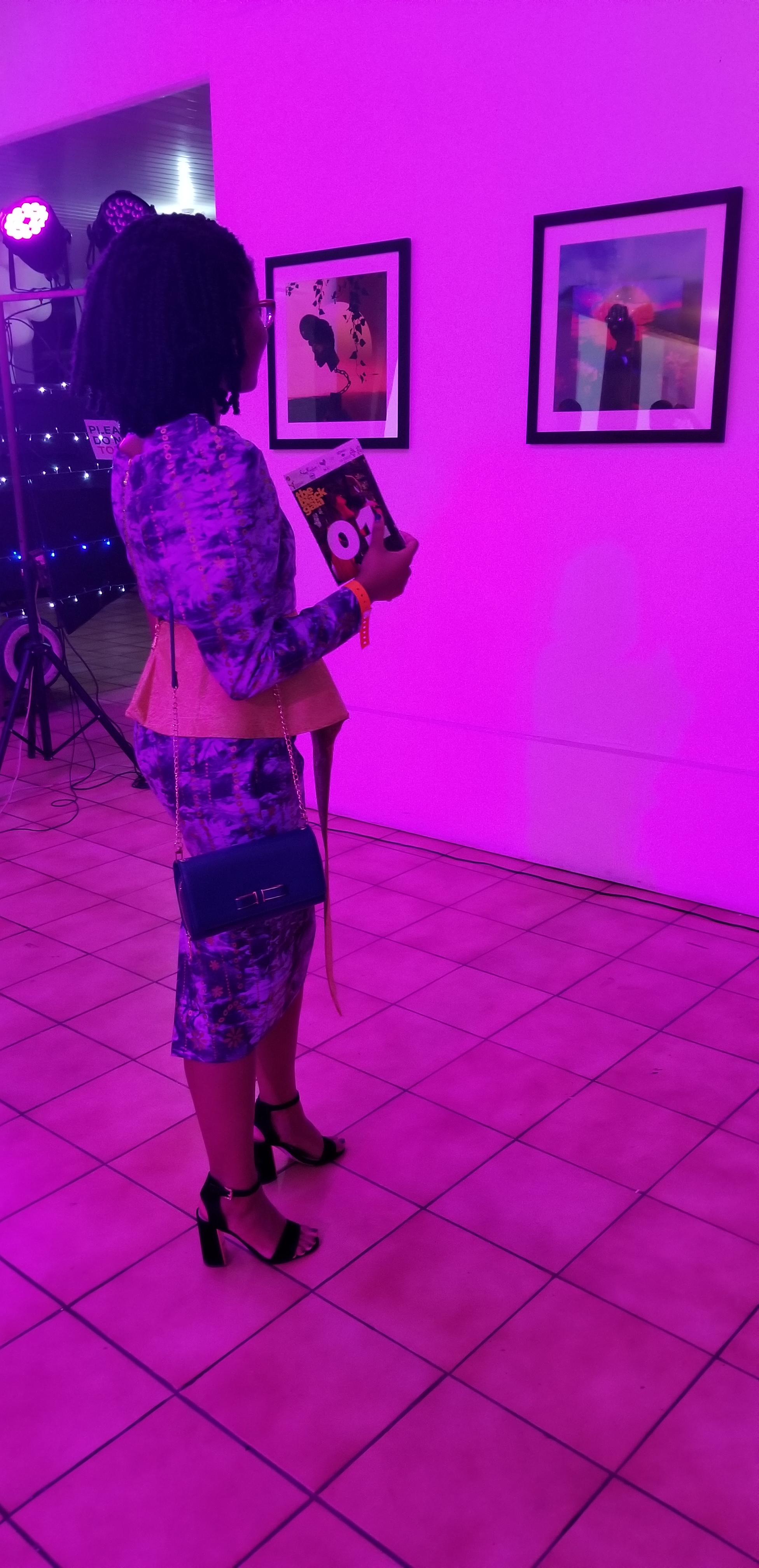
The Black Gala was nice and has a lot of potential. I loved the concept of having a high fashion event focused on Afrofuturism that also promotes local art. The venue was the Museum of Science and Technology. They set up a variety of photo booths as well as displayed artwork. They also had a silent disco with an awesome playlist by SoundHive. Seating include mini couches and stools to encourage mingling and moving around. Later they also hosted an art auction.
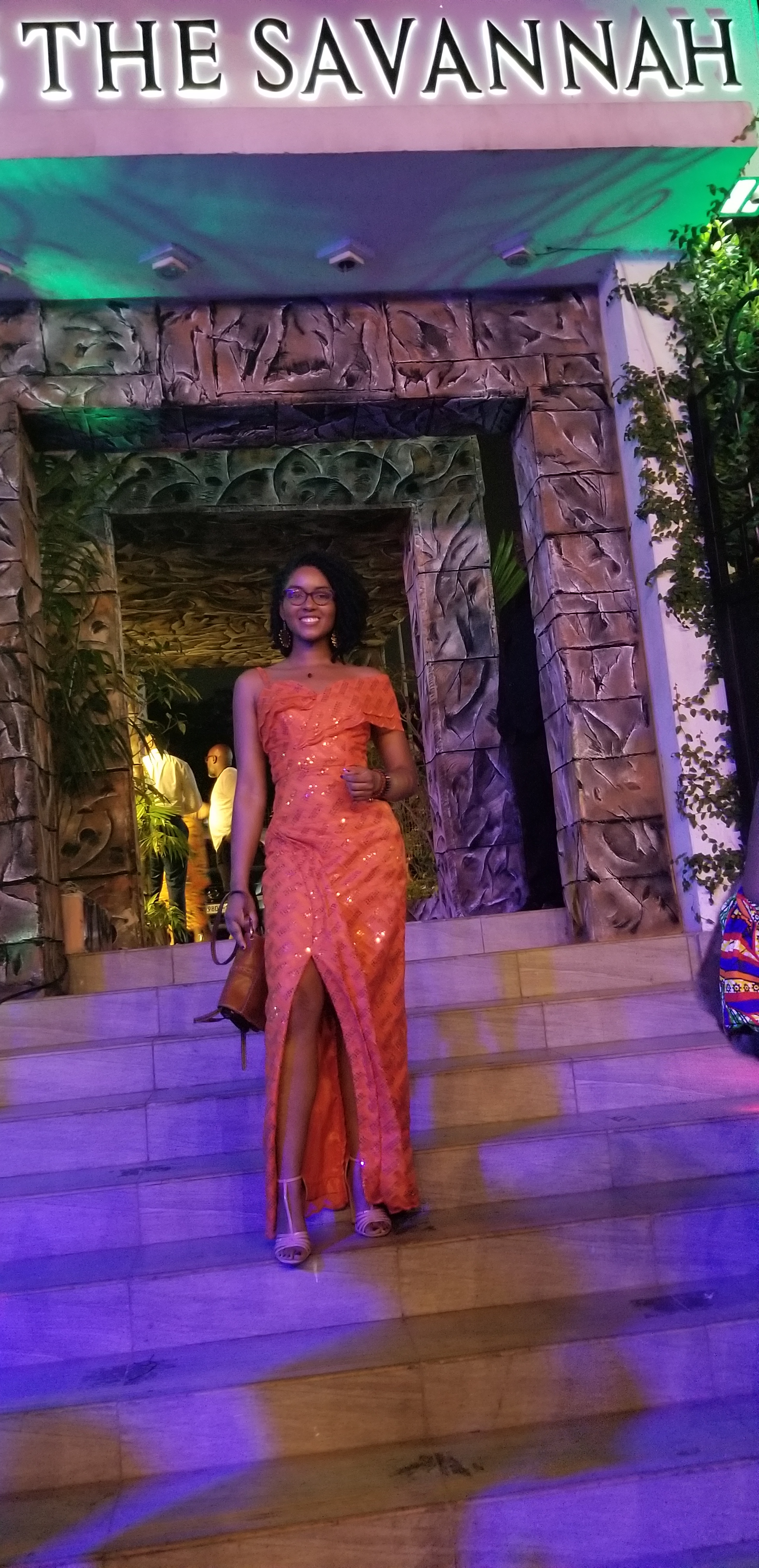
Like I said in the video, I was really looking forward to this event. I even got a dress made for the theme…because you know how much I love Afrofuturism. The main suggestion I would make is to put more effort on the activities and entertainment. Even though the decor was lovely and the displays were nice, I could walk through and admire them in less than 10 minutes. After that, what are your guests supposed to do? There was a bit of a wait until the event officially started. Guests really made an effort to dress up, and some left before the event started due to waiting too long. It was obvious guests wanted to have a reason to mingle more and interact. However, the music was too loud, acoustics were not pleasant, and there was no real ice breaker to get people moving. Also, the attempt to control the temperature in the museum was ineffective. This made it uncomfortable for guests who dressed up expecting to not sweat. There is also so much more that could have been done with the Afrofuturism theme. From entertainment, to artwork, to food, to activities. I do hope they host it again. It was one of the more elegant events for the December season.
Afrochella was the event everyone was talking about. My favorite part was standing in line and seeing all the celebration of blackness from all over the world. It was so colorful, fun, and empowering to see so many of us come together to support celebrating our culture. That was awesome. After getting in, I will admit I was disappointed. I’m not sure what I was expecting, but I felt like I had arrived when the first shift had closed and the second shift had yet to set up. The crowd around me seemed to have the same feeling. We waited for a while, first standing and later finding some seats, for the show to start. Finally, after seeing the MC’s and the back of Tina Knowles head, we left the stadium. So, I did not get to enjoy the concert.
I know a lot of effort was put into Afrochella and it really paid off. The main suggestion I would make is to have a real agenda and schedule for the event. Also, stick to the schedule. That stadium is not a place to hang out all day if there are no activities to keep you occupied outside of taking pictures. I am looking forward to more of the events they host outside of the main concert. I think I have come to prefer more intimate sized gatherings.
The Polo Beach Club for New Year’s Eve was the best event of the season. The decor was great, the mix was awesome, the customer service was on point, and the vibe was fabulous. It was the only event that really felt like a good party. The type where you can really dance. So, the day before the event I went to Labadi Beach Hotel to purchase a table. This is one thing I learned during the season of activities. Purchasing a regular ticket online for any event meant you get in, but won’t get a seat. Which is different from shows or events I am used to: regardless of your ticket type, you can enjoy the show.
Anyways, I met with the organizers who were setting up. They were very knowledgeable, polite, and helpful. I chose the location of my table and purchased it on the spot. They also had a proper website and social media presence illustrating all the information you needed. At the event, my table was ready, we had a dedicated server take our order, and one of the organizers checked on us periodically. They made you feel like you were really being taken care of. As if all you need to focus on is to have a good time. The guests were more of a mixture of Diasporans and Africans from outside of Ghana. They were all so generous of spirit. Dancing with strangers and hyping each other up while wishing each other a happy new year. It was really wholesome. I have not been to a party that fun in a long time. I was really impressed.
An African Royalty Night was beautiful. One of the more elegant events, it featured a round-table dinner and fabulous decor. The MC, Mawuli Gavor, did a nice job keeping the guests engaged. The DJ, Nana Kwabena, had the smoothest mix I heard in the entire December in Ghana holiday season. It was lovely. The main suggestion I would make is also to have a time schedule to stick to so that guests know what to expect.
Overall, I am really glad I took the time to experience December in Ghana during the Year of Return. The Diaspora really answered the call and showed up to celebrate. I really hope this increase in interest and exposure leads to even more benefits for Ghana and its Diaspora.
How did you spend your holiday season? Were you in Ghana? How did you spend your time? Let me know in the comments.
Also, remember to connect with me on Instagram and/or Twitter. I love hearing from you.






















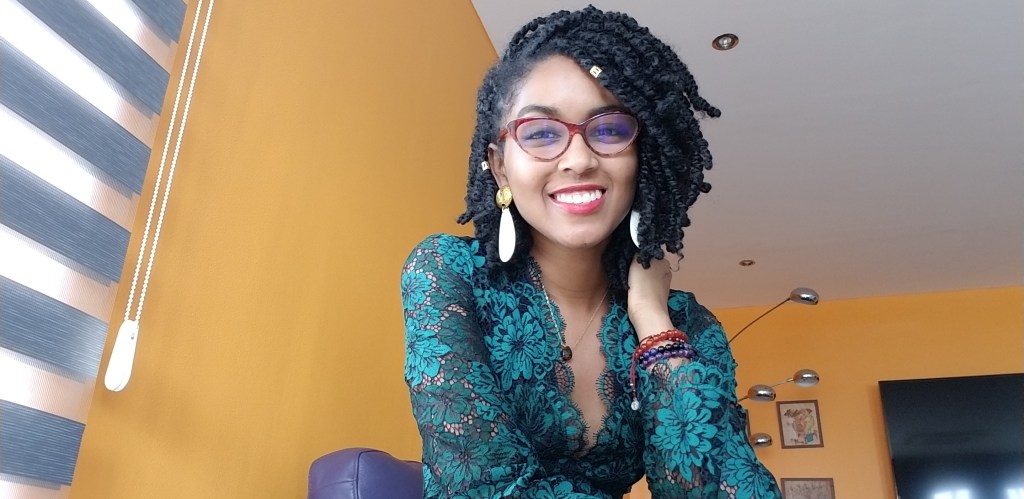
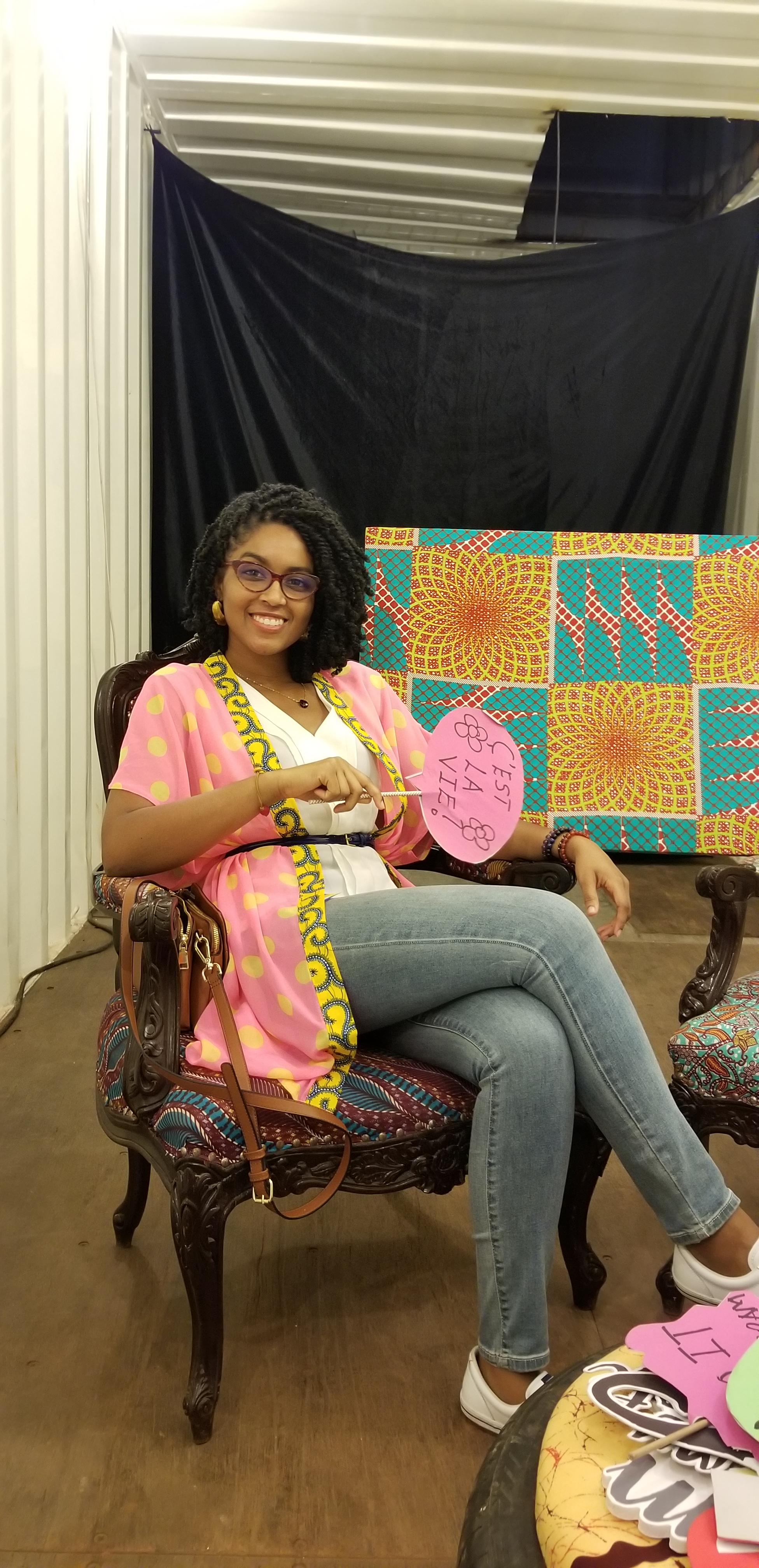
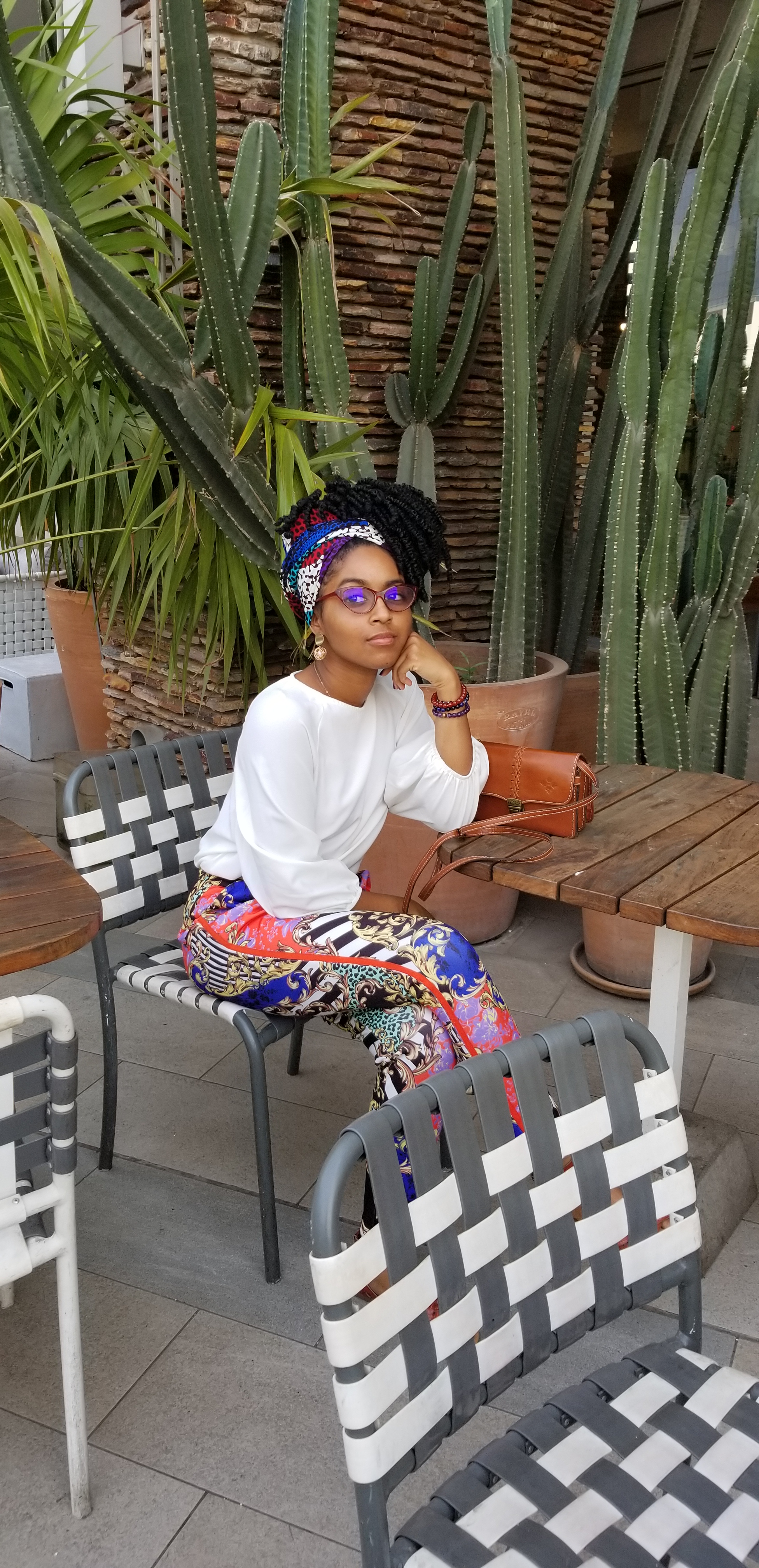


 Dagny Zenovia