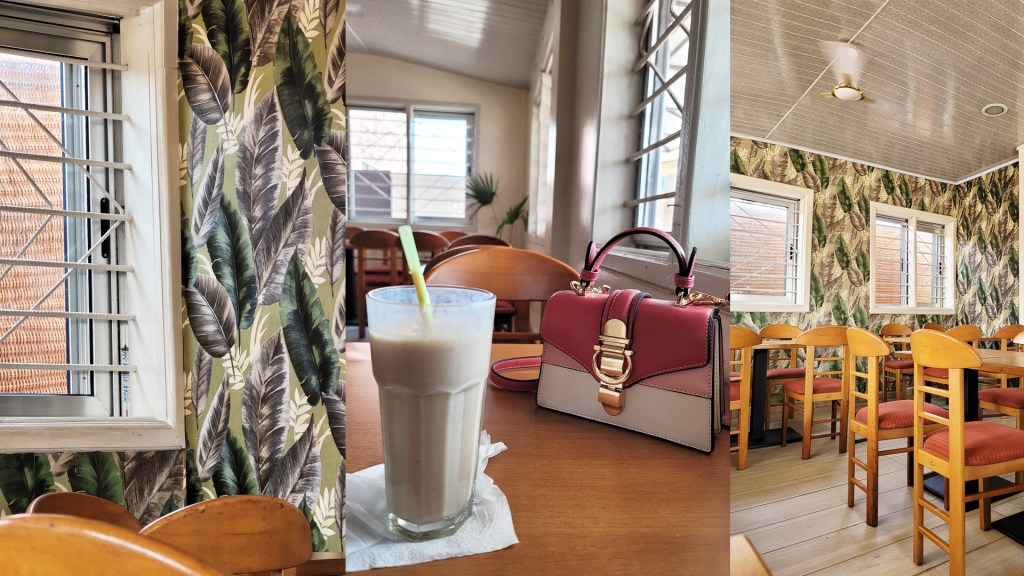
Being healthy in Ghana is becoming easier as I find more opportunities to use local ingredients. That is why I was so excited to find Tatale Vegan Restaurant. Located in Osu, the restaurant has a peaceful and cute vibe. Customer service is great as the waiters and owner are very attentive and helpful. They really understand the importance of presentation. The food is so good, you will forget there is no meat on your plate. You might even consider the vegan lifestyle for yourself. In this video, I take you with me to order the food, pick it up, and eat it at home. I really enjoyed my meal and look forward to trying everything else on their menu.
Note that this post is not endorsed. I ordered my own food and loved it so much I had to share.
Have you been to this restaurant? Would you try it? Share with me in the comments.
Also, remember to connect with me. I love hearing from you.
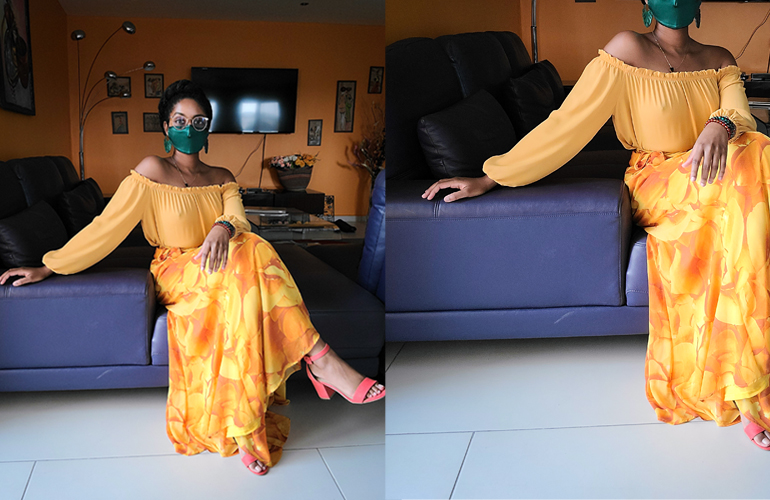
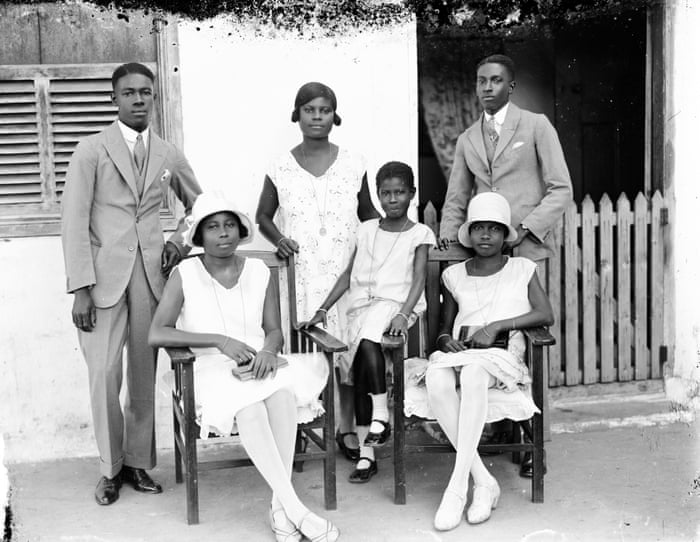
Is it truly a bad thing if certain history repeats itself? For instance, comparing the current Panoramic decade to the 1920s, would it be beneficial or chaotic if our behavior turned out to be the same? Along with developing a collection of masks to coordinate with my outfits, I have been wondering if there is any correlation between these two decades. This lead me to discover what different parts of the world were experiencing in the 1920s and if any of that compares to how we all will maneuver this decade.
Let’s start with the 1920s in the US. The jazz age. The Great Gatsby. The delicate clash between glamour and rebel. During this time, there was a dramatic rise in consumerism. Film and literature hyped up the parties and lifestyle a portion of the population was experiencing. On the other hand, the US was clamping down on immigration through legislation. The stock market began its descent. Henry Ford introduced the 49 hour work week with the auto industry. The younger generations of the time were pushing back against traditional taboos. Overall, it seems as if the 1920s in the US was a vibe.
In contrast, the 1920s in Ghana had a different vibe. During this time, the Gold Coast was still exporting gold and producing more than half of the world’s supply of cocoa. Due to this continued wealth, the 1920s was a decade of industrial and economic development in Ghana under the orders of Governor Gordon Guggisberg. He took on a 10-year development program and proceeded to develop and improve transportation, water supply, drainage, hydroelectric projects, public buildings, schools, hospitals, prisons, and communication lines. Their set goal was to fill half of the colony’s technical positions with Africans as soon as they could be trained. It seems that to an extent Ghanaians did benefit from the developments in this decade, which also aligned with growing resistance against British rule over Ghana.
Next, in Brazil, a similar resistance was happening. The 1920s in Brazil was partly defined by a modern art movement. As Brazil celebrated 100 years of independence from Portugal, artists began to produce avant-garde artwork that focused on human naturalism and anatomy. Of course, at first, the general response was a mixture of horror and shock. However, there was a desire to rid Brazil of imported art, literature, ideas, and ideology to push back against European art being seen as superior to Brazilian art. Also, fun fact, in the 1920s, many small towns in Brazil educated children in German or Japanese and Portuguese was rarely spoken. This was due to the mass migration to Brazil from Europe and Asia in the 1890s. However, when it was disclosed that the German government was aiding anti-government groups in Brazil, the Brazilian authorities closed schools that did not teach primarily in Portuguese.
Are you starting to notice a pattern? Surrounding resistance, identity, and drama? Let’s add one more.
This pattern was also happening in Japan. In the 1920s, a form of nationalism took hold in Japan to preserve traditional Japanese culture and reject Western influence. The British Empire ended its 21-year “alliance” with Japan, signaling the West’s apprehension of Japan’s growing power in East Asia. However, many Japanese who lived in the cities watched Hollywood movies, enjoyed Western-style dancing, and found Baseball, golf, and tennis popular. They also appreciated Western examples of democracy, liberal institutions, labor unions, and Women’s rights and proceeded to implement a version of these ideologies that worked for them at the time.
Looking at this sample of the world, the 1920s was a decade of resisting the traditional, redefining and reprioritizing identity, and experiencing an overwhelming amount of drama. The West was fighting among themselves, while countries colonized or hijacked by the West were starting to shake the table. All while everyone was wearing similar fashion styles and listening to similar music.
Now, fast forward to today. The first year of the 2020s was defined by resisting a virus and the traditional forms of basically everything, redefining identity and equality, and experiencing a devastating amount of drama. This time, it was overwhelmingly documented. So, what will the 2020s decade look like? What can we learn from the 1920s?
I’m glad you asked. I don’t know. Got ya! Ok, I have some ideas. The added layer to this experience is the technology and a global virus. Countries had to turn inward, after spending years getting comfortable with the good and bad side of globalization. People found creative ways to collaborate across borders and produce locally. Even I got to work with and get involved with groups of people I would have never crossed paths with if it was not for this push for community online. I feel it is also due to this turning inward that there was an increase in holding the failings of traditional norms accountable. The question is, how will this decade resolve all the issues we learned about and protested against in 2020? We all did a lot of talking while we had to stay in place or stay at home. Now that movement is becoming the norm again, we need to walk the walk too.
Despite all the varying and confusing information about The vaccine, I feel we still need to applaud humans on Earth. You made history! Developing a vaccine and rolling out distribution all in one year. That is awesome. Now, of course, me being someone who has no B.S. behind my name, (get it? Because I did not study science, but we should always question rules too) I must ask why it is taking so long to develop a malaria vaccine when a large part of Africa and Asia are heavily affected by it. Hopefully, we can get on that next.
From an individual standpoint, mental health is the bigger conversation that might shine during this decade. Again, thanks to technology and the people who are brave enough to share their authenticity, access to a community, resources, and solutions are expanding in ways like never before. The way this progresses will have such a major impact on everyone as a whole. Mental health is not only about what is happening in your mind. Cultures around work, relationships, health, consumerism, education, authority, and society at large are all influenced by mental health.
I feel we have set ourselves up for quite a fascinating decade. I am grateful to see beyond the year of doom. I feel more aligned with who I am and more comfortable in how I choose to create my reality. As calm and cool as that might be, I also deeply feel the continued unnecessary suffering the world and my mind still face. It is such a surreal balance because it keeps me very present at the moment. Looking at what was going on in the 1920s and how that influenced decades later, it seems like we are right on time in how we are defining the 2020s.
What do you think? I hope you have been keeping safe. Share your thoughts with me. Also, remember to connect with me on YouTube, Instagram, Pinterest, Twitter, and/or Facebook. I love hearing from you. As wonderful as the internet is, being online still gives me this surreal isolated / connected feeling. You know what else is funny? In January of 2020 I posted a short story called The Year 2020. At the time, I had no idea how the year was going to be, but the story has some foreshadowing. It is fascinating how the imagination works.
Also, this mix is officially part of my 2020s soundtrack. Wouldn’t it be cool to chill at a lounge or picnic with this vibe? Enjoy.
What is the big deal with that guy who allegedly traveled to Ghana with no connections and met with the Vice President of Ghana to build a new city? Why is there so much frustration for those who want to build and thrive in Ghana? In this video, I am sharing my take on the Twitter fiasco and the cycle of draining intellectual energy in Ghana and Africa. I believe we can do better and prevent this cycle, but we need to put our heads together to make the change long-lasting.
The answer to this might not be as complicated as we assume. I feel a lot of it has to do with holding ourselves accountable and no longer tolerating the status quo.
What do you think? Share with me in the comments and let’s continue the conversation.
Also, remember to subscribe to my YouTube channel. I love hearing from you.
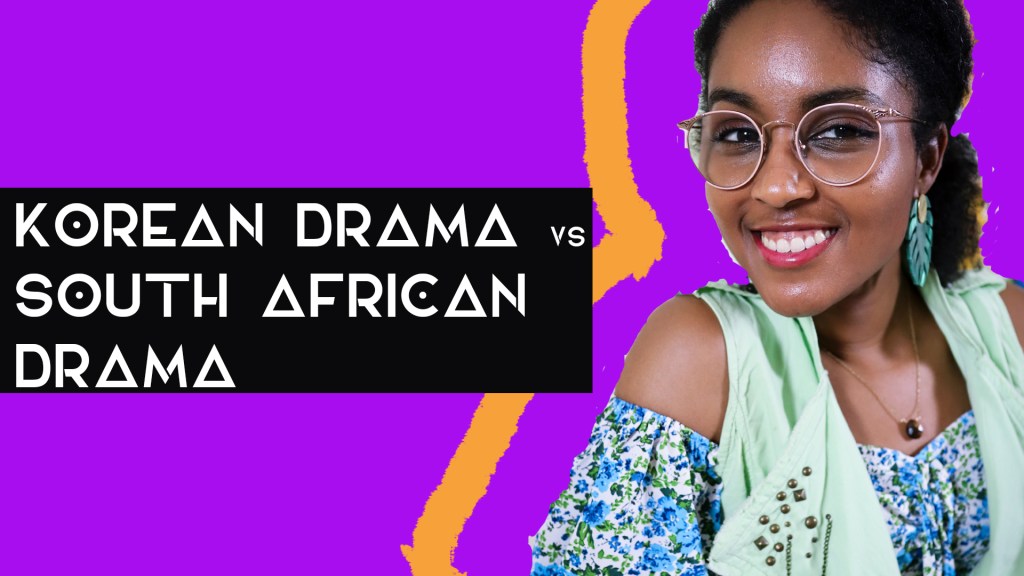
Let’s compare K-Dramas with South African dramas as an example of how to pack more in our stories. In this video, I am sharing what stood out to me in the Korean series Crash Landing On You and Misty plus the South African series Queen Sono and Blood And Water. I watched each of these series on Netflix. I loved all of them and want to see African films do more in character development and cultural showcase.
Have you watched any of the series I mentioned? What did you think of them? What would you like to see more of in African film? Let me know in the comments. Let’s continue the conversation.
Also remember to reach out on Twitter, Instagram, or Facebook. I love hearing from you.
Let’s travel! I visited Morocco in 2017. Even though I shared photos at that time, I had yet to sift through all of the footage I took during my trip. Re-living my trip while editing this video has been really fun. In this video, I share my experience in visiting Marrakesh, Rabat, and Ouarzazate.
Make sure to view my blog post To Morocco, With Love: Travel Guide for photos and details on how I prepared for the trip, what each day was like, and my tips on how to enjoy your visit.
Have you visited Morocco? Is it on your travel bucket list? Share with me in the comments.
Also, remember to connect with me on Twitter, Instagram, or Facebook. I love to hear from you.
As we continue our journey to explore and learn about Africa and its Diaspora, the spectrum of opportunities and possibilities can feel overwhelming. I like to think of the New Africa Renaissance as a mindset that is the foundation behind claiming Africa as the future. In this video, I share business opportunities in Africa, including real estate, agriculture, and tech, plus how you can find and connect to the right opportunities, including how to move, Odanna Connect, and the New African Renaissance.
Real estate is a popular investment topic across the continent. As I mentioned in the video, I feel this has two branches. One is building new cities and renovating established cities. For example, Akon City is a futuristic, cryptocurrency themed, city that will be developed in Senegal, West Africa. Akon recently announced he secured a $6 billion contract to build it. Phase 1 of construction is scheduled to be completed in 2023. For more details, I wrote about how Akon plans to bring Akon City to life on Africans On China. There is a big need for these types of projects. As Africa grows more urban, the infrastructure and industrialization needed to support that urbanization has a lot of room to catch up. Now, when I say “urban,” I do not mean building mini Houston or Paris in Africa. I mean combining technology and creativity to protect the environment, enhance the people’s well being, and modernize convenience. I am really excited to see how this becomes a reality across the continent.
The second branch of real estate opportunities is focused on residential and commercial. From what I have seen, the sales point for both of these is investment. As in, purchase to rent to someone else. That is cool. I would also suggest building and selling to customers who want to live or work there. For example, a lot of the Diaspora who is looking for real estate in Ghana or Africa do not only want rental investment. Some want to live in a neighborhood with a community of like-minded people, convenient location for groceries, business, and leisure, plus open spaces to hang out or collaborate. I am not sure yet how the after-effects of The Virus will influence this, but the fact that working from home or co-working is needed even more should be incorporated in your building blueprint. We also need to expand the “affordable” spectrum. Quality housing across the board is in dire need of fulfillment. Plumbing, electricity, and paved roads still do not reach everywhere. Not to put a damper on your enthusiasm…and I am not expecting anyone to put on a superhero cape…but, I feel the rise in innovation and development should narrow the gap between the haves and have nots, not widen it.
Agriculture in Africa has so much to offer if done the right way. Every sector of food has room for improvement plus voids that need to be filled. For example, Bountifield International invests and creates agricultural opportunities in Africa by providing tools and services for African rural entrepreneurs to efficiently process, save, and sell more food.
Tech in Africa is exciting because it is capable of supporting so many industries, sectors, and demographics while solving so many issues. Balancing culture, security, and convenience is key. One example I share in the video has to do with eCommerce. If you want to take advantage of this growing opportunity, look beyond creating a product. Infrastructure, manufacturing, inventory storage, customs, and shipping also have voids that need to be filled efficiently. This TechPoint Africa article does a good job breaking down the challenges eCommerce in Nigeria is currently facing.
Now, where do you fit in all of this? I am glad you asked.
This free ebook, “How To Move To Africa, Specifically Ghana,” provides insight and resources to understand how to prepare before you purchase your ticket and what to expect in maneuvering your new reality. The ladies behind it, Bridget and Nana, have combined their experiences as educators and entreprenuers to give you and easy-to-read guide to make your move a success.
Odana Connect is an online platform to connect and collaborate with hard to find Africans for investment, business opportunities, job opportunities, and experts in the field. At the time of writing this article, the waiting list is still open to sign up before its launch. It is by the people behind Odana Network. If you are interested in Africa, I am sure you have seen one or multiple videos on their YouTube channel showcasing African business and innovation. I am excited to see how this platform develops.
The New African Renaissance hosted it’s debut conference, virtually, in June 2020. They are creating a community to build capital for Africa’s development. Their funding focuses on building new cities, invest in startups in Africa, plus investing in education and talent accelerator programs.
Impact Hub Accra recently launched New Economy Booster, an accelerator program. They are providing resources and tools for entrepreneurs and startups, and non-profit organizations who are contributing to Ghana’s post-pandemic economy recovery.
The list above is not exhaustive, but I feel these initiatives will enhance your experience and plan as you continue your search. Regardless if you are planning to visit or move or have been living in Africa all your life, there is something here for you.
I hope you found this helpful. What would you like the New African Renaissance to look like? Comment below and lets continue the conversation.
Remember to connect with me on Twitter, Instagram, or Facebook and subscribe to my YouTube channel. I love hearing from you.