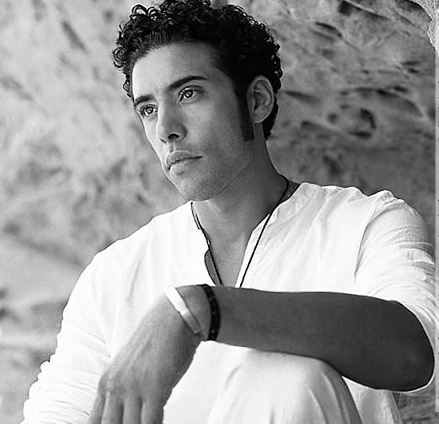
Ahmed Soultan is a Moroccan singer whose musical style is considered the “Afrobian soul for Afro-Arabian.” He sings in multiple languages while blending traditional Moroccan and African music with R&B and soul. In 2011 he contributed to the Radiowaves Project by singing with other African musicians on “People Power” to fight against climate change in Africa and the world. I love how his music and his lyrics show that all of Africa is connected and that all Africans should support each other. Enjoy.
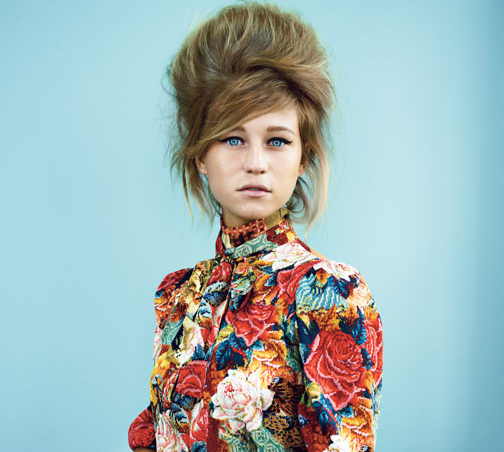
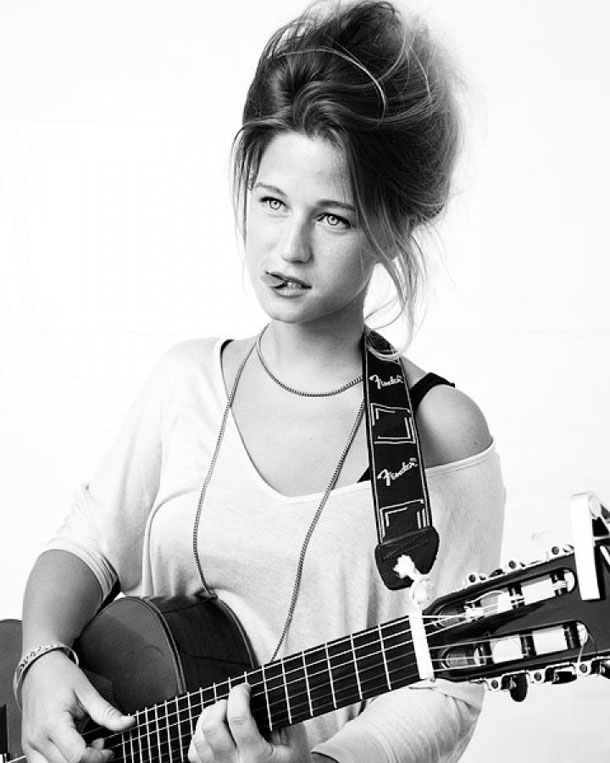
Selah Sue is a musician and songwriter from Belgium. I love how she blends her unique and passionate voice with a neat mixture of reggae, R&B, and soul. Her self-titled debut album came out in 2011 and was an instant success. Along with the great music vibe, her lyrics are incredible. She really has a gift with words and you can tell she took her time to share a story. Here is one of the singles from her album and an interview for you to get to know her better. Enjoy.
After all the meetings, parties, and plenty of people, sometimes we want to escape to somewhere quiet and eclectic to unwind with our new spouse. I think I found just the place for you. The Villa Monticello, located in Accra, Ghana, is a luxury boutique hotel with unique trimmings and beautiful accommodations.
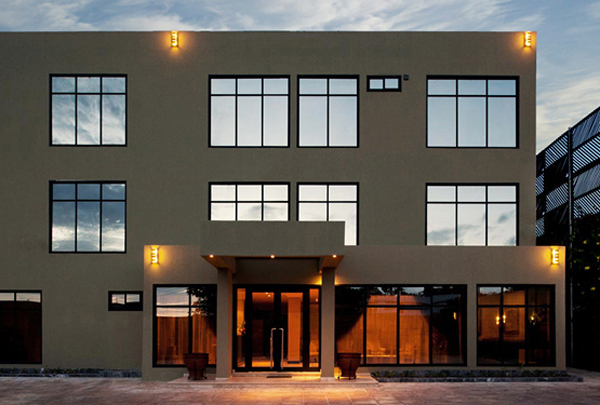
Do not let the minimalistic facade fool you. I think this is how they maintain their relaxing sanctuary from the bustling urban streets of Accra. The most fabulous part about this exclusive retreat is its 14 individually custom-decorated luxury suites – each designed with a unique theme to feel like a very fancy home. Here are my favorites:
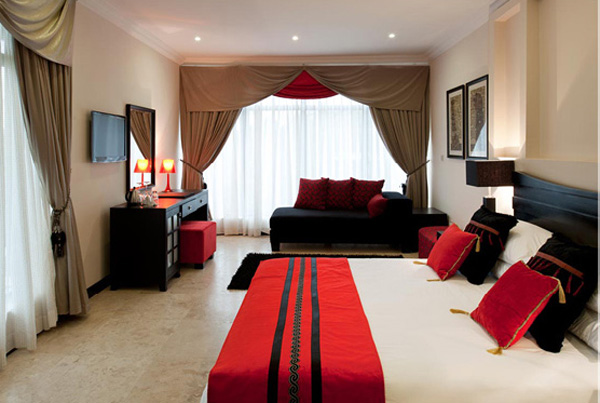
The Last Emperor Suite fuses historical and contemporary oriental design. The combination of red, black, and white is so elegant and powerful.
The Out of Africa Suite is designed to portray the colonial life of the last decades of the British Empire. It is decorated with beautiful images of the Kenyan savanna.
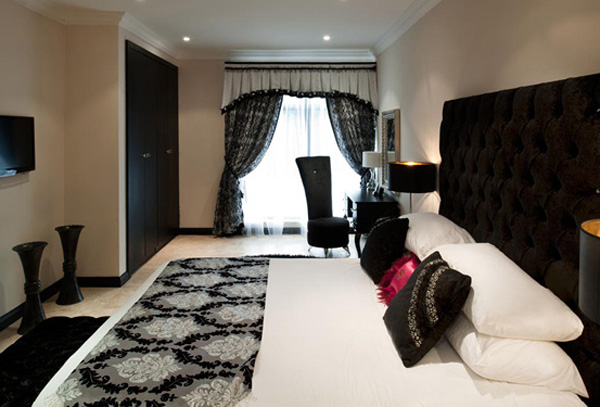
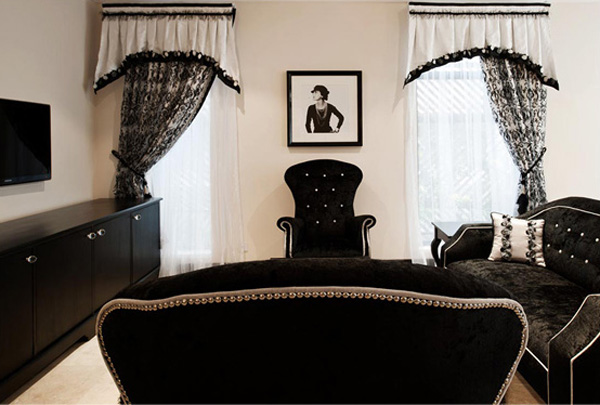
The Coco Chanel Suite is inspired by the creations of 20th century fashion designer Coco Chanel. Featuring contemporary French furniture and signature colors, I think this room is all the rage for simple elegance.
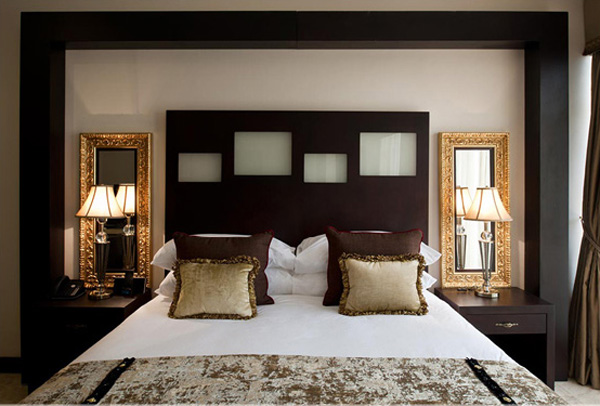
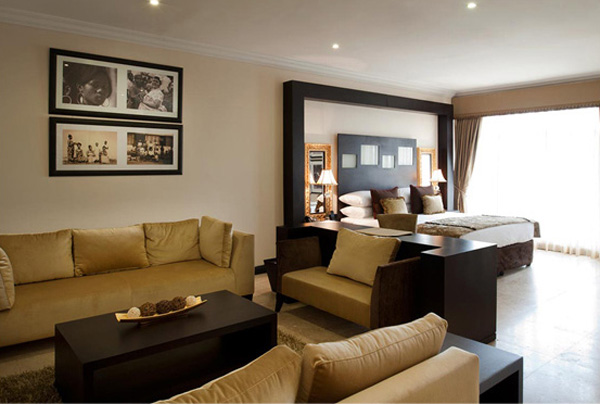
The Ghana Gold Coast Suite portrays a celebration of Ghana’s history and promising future through its blend of contemporary design and earth tones. Usually these colors tend to darken a room, but I love how they were able to use the color scheme and still brighten the room.
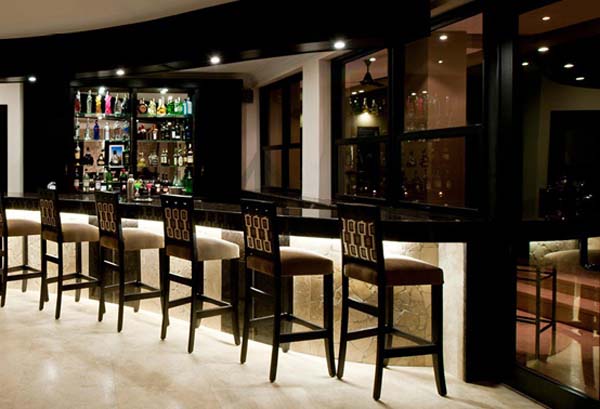
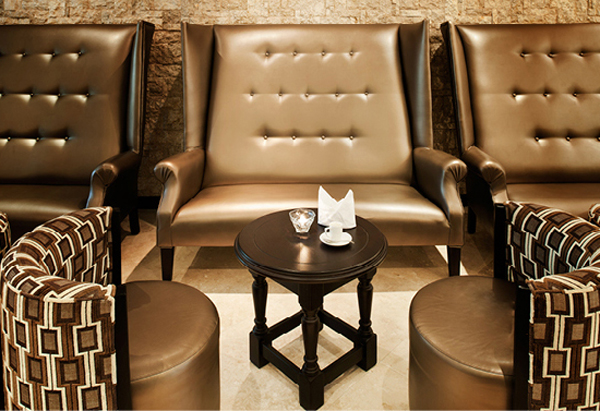
Their lovely dining area features an exclusive dining room and an intimate cocktail lounge. I love their modern twist to Afrocentric furniture and interior design.
Of course, to indulge in our favorite past times, we must lounge around this lovely pool.
Music Spotlight:
Since we are visiting Ghana in this post, it is only appropriate to feature the famous musical genre & dance that has taken Ghana and pretty much the world by storm. ”Azonto” is a Ghanaian dance and music genre that involves hand and knee movements to mimic everyday activities or signal an amusing intention. The style went viral in early 2011 and instantly gained global appeal. I am explaining all of this to you because the origin and creation of this style has been confused. Due to its massive appeal, many other African countries have adapted the style and produced music for it. Regardless of where you might have heard it first or who claimed they learned it from, I am here to set the record straight. Azonto is from the one and only Gold Coast – Ghana.
I decided to share this video because I think it nicely portrays the universal appeal of Azonto and how all Africans enjoy it. The medley includes songs by Sonni Balli (Ghana), D-Black (Ghana), Sarkodie(Ghana), Gasmilla (Ghana), Yaw Siki (Ghana), Iyanya (Nigeria), and T.O. & Stunnakid(Ghana/Germany). If you are planning to host or attend any sort of party, you should definitely include some of this music in the mix and learn these dance moves. Enjoy.
To experience culture and history on an enchanting vacation, Morocco is at the top of my list. From the photos and clips, I think the Amanjena Resort is the best place to experience all of it.
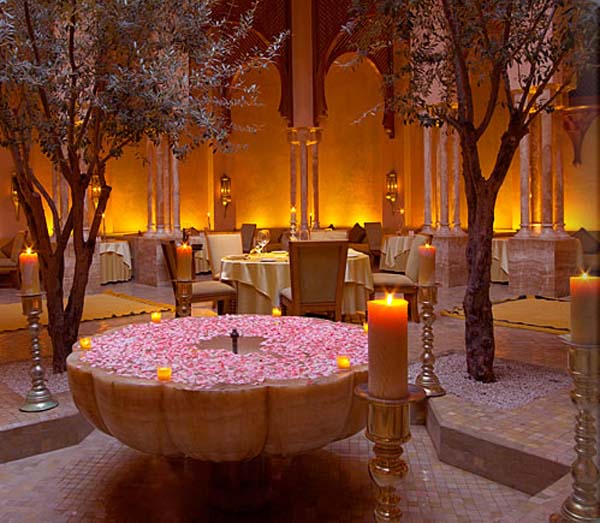
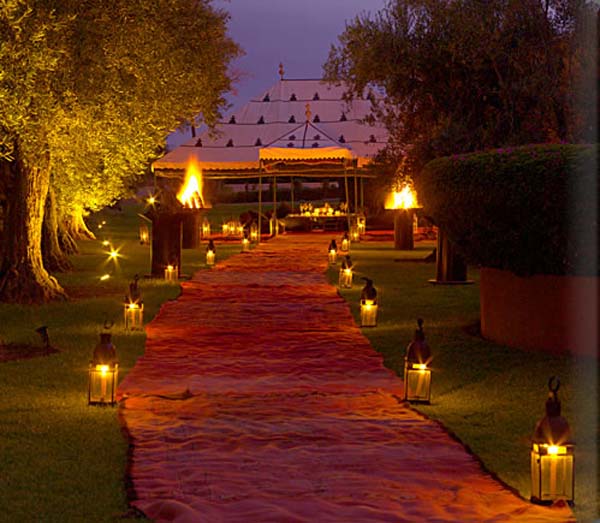
Located just outside Marrakech, Morocco, the Amanjena offers 32 private pavilions to indulge in relaxation, elegance, and romance. Aren’t their rooms gorgeous? I’m pretty sure any guest here feels like royalty.
Their restaurant specializes in authentic Moroccan and Mediterranean cuisine. From breakfast in their Thai Restaurant, to lunch on the Pool Terrace, to an intimate private dinner in the Caidal Tent, there are so many romantic eating opportunities to entice anyone’s taste buds.
Of course, no one can have an enchanted vacation without lounging near or swimming in a 33-metre reflective pool.
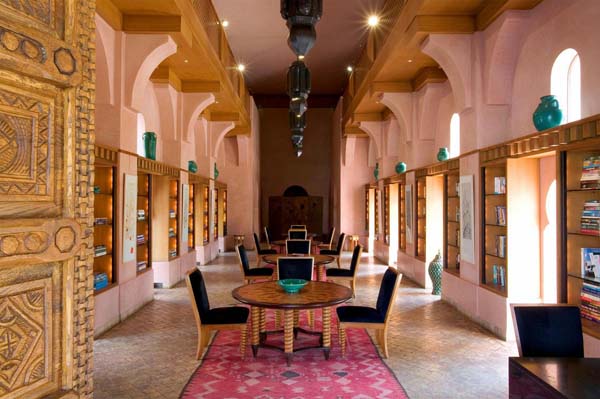
My favorite part of this resort is their two-story library. It has a fireplace, high ceiling, and cozy, elegant furniture. Their library features books, magazines, newspapers, and board games. Between exploring the Sahara Desert and learning how to cook Moroccan food, I would probably spend the majority of my indoor time here snuggling with a good book or playing Mancala.
Music Spotlight:
Ahmed Soultan is a singer from Morocco. His signature style fuses Berber (a traditional Moroccan style of music) with soul music, which is why he is called the “Afrobian Soul for Afro-Arabian music.” I sampled some his other work and really like how he continues to advocate for a connection between all African countries. Regardless of region or religion, we should accept each other as just African brothers and sisters. I also like how the video showcases some parts of Morocco you might not see as a tourist. Enjoy!
I am pleased and ecstatic to announce that I am interning with Munaluchi Bridal Magazine, an online/digital/print magazine that caters to women of color for weddings, style, and culture, for the next 6 months. Contributing to their Travel Tuesdays series as well as their real wedding showcases, I will be working as your romantic-travel-correspondent and African-music-guru.
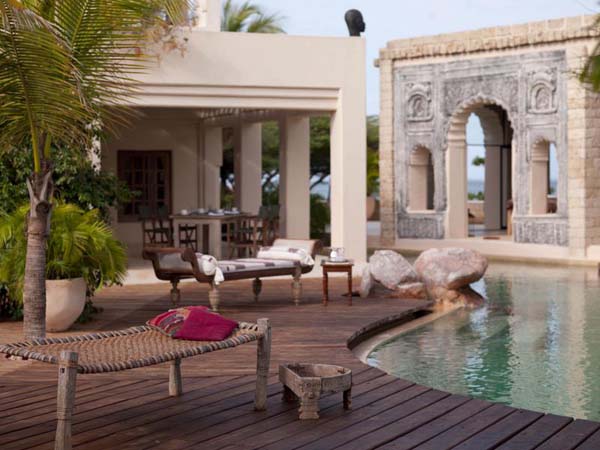
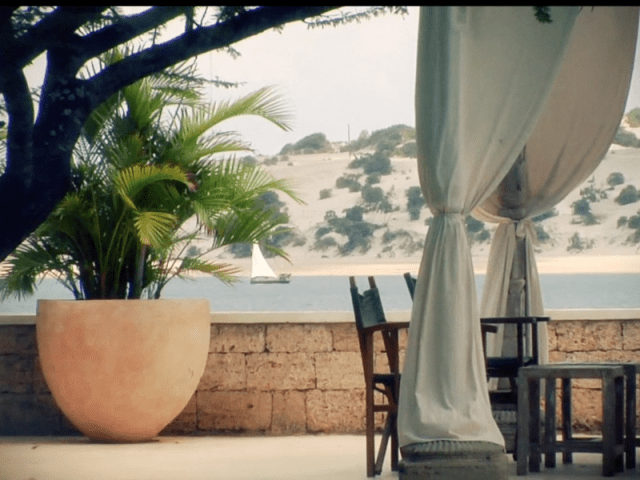
The Majlis Hotel, a luxury beach hotel on Lamu Island, off Kenya’s Northern Coast, with stylish accommodations and breathtaking views of the bay, is Kenya’s #1 Beach Hotel. From the pictures, I fell in love right away with it’s tropical elegance and African roots.
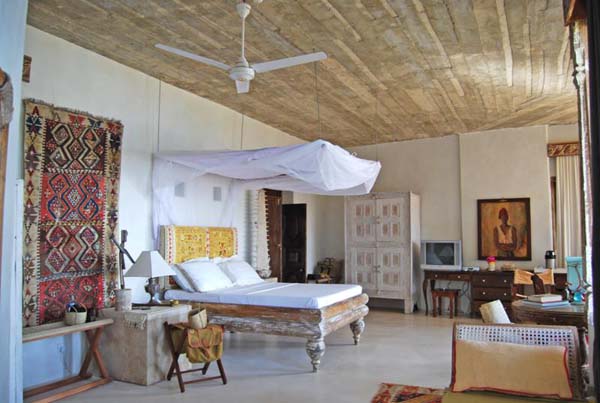
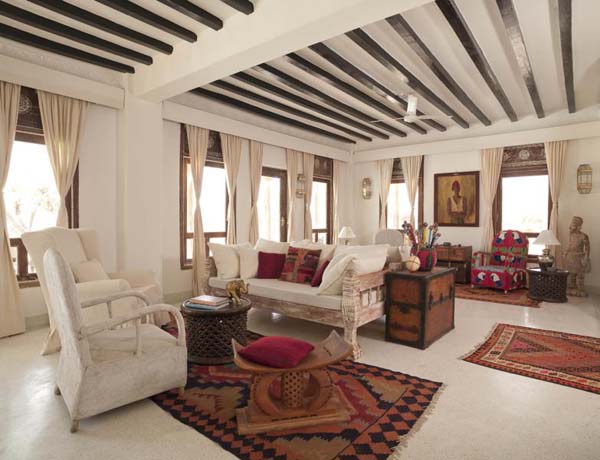
Established in 2009, the boutique hotel has 25 rooms divided into 3 villas. Each villa was constructed with natural resources to enhance and preserve the beauty of the local surroundings. Intricately decorated and tailored, all rooms showcase East African heritage with doors and furniture hand-crafted locally.
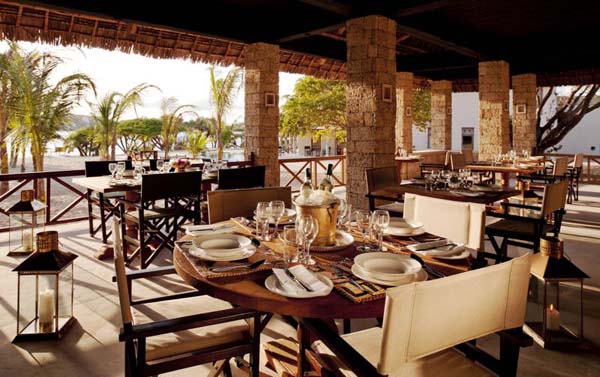
The Majlis Restaurant offers a diverse set of cuisines, including international, Italian, and Swahili dishes. The set menu is changed everyday by the Restaurant chef to feature the best in local produce and fresh seasonal ingredients. The decor for their restaurant reminds me of the film Casablanca with a contemporary twist. I love how they incorporate African wood carvings in the pillars.
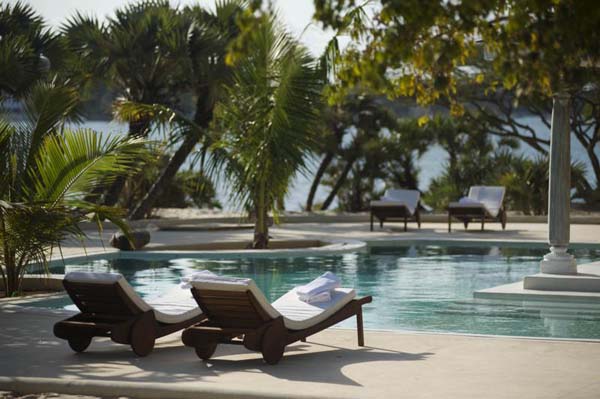
In addition to beach games and a jungle gym, their “Kid’s club” includes sailing an authentic Arabian Dhow vessel, learning how to make your own bow and arrow on the Massai Warrior Experience, and Swahili cooking classes. They also offer boat and mainland safaris, fishing, and cultural excursions. With all of those adventures, I would probably spend the majority of my time lounging at one of their two very inviting pools.
Fun fact: The resort participates in community work in the area and uses a hybrid energy power system. Just sharing an example to show that Africa, in luxury and regular business, is already taking care of their own.
I am a big fan of music (and used to be a radio DJ) and am always searching for something to expose people to. I thought this song would be perfect to start a laid-back pool party at the Majlis Resort.
This is Liz Ogumbo from Kenya. She is a performing artist and fashion designer.













 Dagny Zenovia