I get a bit personal and vulnerable with you in this video. Heads up, if you’re not in the heart space to hear sadness, you may want to save this for later. If you are ok, you may want to grab some tissues.
Summertime is here! That means (among other things) we are one year out of the “era” that felt like the world was on fire through protests, murders, arrests, awareness, and a whole lot of noise. Can we reflect on what has been accomplished since that time? Instead of discussing this broadly, I’m taking it personally.
In this post, I share with you my experience receiving messages/apologies influenced by the “era,” how kindness and meanness have influenced my life, and what I hope all of this means in the future. This is part of my story (not all of my story is sad). I felt called to share this because someone needed to hear it to encourage them to keep going. To reassure them they are loved. To remind them they are heading in the right direction. So, this is not solely about me. It’s deeper than that.
I am encouraged, but we still have a long way to go.
If you want to know why something is happening, follow the money. To further the discussion to heal the distance between Africa and its Diaspora, let us go over the historical and current economic oppression that influences and determines the Black experience.
In this video and post, I am focusing on Black America and Ghana. For Black people outside of America and Ghana, please do not feel isolated or excluded in this conversation. The point is for all of us to win. Understanding how we can strategically do that is key. As you read further in this post, I widen the focus to other parts of the world.
Let’s dive deeper. Starting with economic oppression and Black America, there are two layers to this agenda: the wealth gap and the income gap. The wealth gap was created by the exploitation of free labor from Black slaves, passing down of profits from that exploitation, and destroying and stealing from Black businesses.
The history of slavery in America is diluted and distorted in American history. The wealth gap began with cotton. America’s first big business, which pushed it to be the leading economy in the world, revolved around slavery. At one point, American cotton made up two-thirds of the global supply of cotton. This was all off the backs of slaves. Americans became millionaires off the bleeding backs of enslaved Black people. This is also where police brutality began. Aggressive and barbaric white “supervision” was used to return runaway slaves to the plantation while violently and brutally questioning the work and movement of slaves. This Vox article gives more details on how slavery became America’s first big business.
Like I mention in the video, there are two historical massacres that are referred to as the illustration of why telling Black people to pick themselves up from their bootstraps is not valid.
The Tulsa Massacre in 1921 occurred in Tulsa, Oklahoma in the Greenwood District, which was also known as Black Wall Street. It was an affluent Black American community that included thriving and peaceful Black businesses and residential areas covering 35 city blocks. The incident that started the massacre is still surrounded by rumors around what happened when Dick Rowland, a Black man, and Sarah Page, a white woman, stood in an elevator. A white mob formed reacting to this rumor that was further embellished as it spread through the town. Rowland was arrested and held at the police station. The mob outside was met with a group of concerned Black residents who understood that Rowland was in danger of being killed by either law enforcement or this white mob. This response added to the rumors that spread among the white mob pitting for a race war. The white mob grew in size and hate. They proceeded to burn and destroy Black Wall Street, leaving around 10,000 Black Americans homeless and murdering around 300 Black Americans. The Tulsa Historical Society and Museum have archived the details of the Tulsa Massacre through documents, photos, and audio on their website. They also provide a free exhibit.
The Rosewood Massacre in 1923 occurred in the predominately Black town, Rosewood, in central Florida. It also was instigated by an alleged rumor that a white woman was offended, in this case sexually assaulted, by a Black man. The white mob that responded to this acted on further embellished rumors to burn the town to the ground and lynch / murder any Black man they could find. Again leaving those who survived homeless. More details are in this Black Past article.
The income gap continues through occupational segregation. Let’s go over some numbers. In 2018, 20.8%, which is 8.9 million, of Black America were living underneath the poverty threshold, being the second largest group in America living in poverty. (Source from Talk Poverty) The overall largest group is Native Americans at 25.4%. Like I mentioned in the video, Black people in America got the shorter end of the stick and Native Americans did not get a stick at all. Systematic inequality cannot continue to wipe them out either. Let me know if you would like to learn more about the Native American experience so I can direct you to the voices you need to listen to. Regarding unemployment, in 2018, the overall rate was at 3.8% and the Black rate was 6.5%. In 2020, the overall rate is 13.3% and the Black rate is 16.7%. America has the biggest incarcerated population in the world. Prison policies and reform has more depth than a few percentages could show. This report gives more details on the issue of mass incarceration in America. The income gap is not only maintained by unemployment. There is an additional layer with wages. This article breaks down how the wage gap is widening further. For more insight, read this report on systematic inequality and economic opportunity.
When we talk about systematic racism and systematic inequality, these numbers are part of the picture. One cannot “catch up” when the game is fixed or when the goal post continues to be moved. The gap is not actually influenced by the mask of education, home ownership, or job title. The gap is only influenced and maintained by the deliberate effort to keep the gap. This article from CityLab about why we can’t close the racial wealth gap has some good insight. This is part of why it is so exhausting to be Black in America. Always working hard and following the rules accepting that you will always have to tolerate less in every industry, field, interaction, and experience.
This is also why America always starts sweating when the conversation about reparations comes up. It is not because it is impossible to calculate the wealth Black America created and never benefited from. It is not because Black America is living so much better now compared to the 1800s or 1960s. It is because America prefers to drag its feet. It is because America prefers to do everything but what was asked for, like painting Black Lives Matter on a street, manufacturing band-aids that match brown skin, and kneeling while wearing cloth that looks like Kente cloth.
How can we learn from this? For the first time in a while, Black America used its purchasing power as an effective tool and Black-Owned businesses made millions of dollars over night. This is a good start. How do we take this further?
Now, let’s talk about economic oppression and Ghana. When I compare what was happening in Ghana with the same historical dates I listed above, I see there is a lot Africa’s people, in and out of the continent, can learn from to heal the distance and enhance the link.
In the 1860s, which was during the height of the cotton empire in America, the export of slaves was gradually diminishing. Even though the import of slaves to America was outlawed in 1808, the demand for slave labor continued after that. Later, Ghana experienced a shift as colonizers pivoted to competing with each other for colonial territories. During this time there were a variety of alliances and struggles for power, including the Ashanti-Fante War and the Anglo-Ashanti Wars. The latter wiped out different levels of British forces.
The debate as to whether Africans sold Africans into slavery is an interesting one. I have noted Africans rebutting that there is no evidence that a sale transaction occurred. I have noted Black people outside of Africa express suspicion on whether Africans were sold or stolen. Some argue that trying to discuss whether Africans sold Africans is like discussing black on black crime, which is a distraction from the movement. To me, it sounds like both discussions trigger people in different ways. I believe in holding each other accountable, which includes looking in the mirror and reading real history. The primary point is to avoid repeating history. Stop trying to distance yourself from the problem. We need to do better.
British authorities in the 1920s in Ghana adopted a system of indirect rule. Even though they put traditional chiefs in position of local authority, they took instructions from their British supervisors. During this era, transportation, water supply, public buildings, schools, prisons, hospitals, and other services were developed by colonial rule and African hands. Ghanaians also assisted Britain in World War I and World War II. A national conscious, which lead to independence, developed after WWII when veterans and the growing educated population no longer were satisfied with the humble position colonial rule kept them in. In some respects, Ghana was lucky compared to other African colonies. They did not experience limbs being chopped off, like Belgium rule in Congo, or complete destruction, like French rule in Algeria. However, one could analyze a wealth gap in how much was extracted from Ghana during this time.
Before I fast forward to the income gap of today, let’s pause here. If we focus on the historical events listed above for both Black America and Ghana, what do you see? Black people in America had a different experience with white people compared to Black people in Ghana during that time. Both set of colonizers utilized economic oppression, but in different ways. I feel this needs to be understood by Africans and Africa’s diaspora. This might be the reason why there is a sense of urgency to fight the power on one end and a sense of confusion and no urgency on the other. Remember, colonizers do not want us to be on the same team. I feel education has a role to play in this too. When I speak to Ghanaians about colonialism and Ghana’s relationship with England now, I do not pick up a sense of animosity or disdain. The narrative is not focused on exploitation, but rather how the British enhanced Ghana, historically speaking. Like I noted above, development did occur during colonial rule. Also focus on the fact that British rule had authority over education and implemented the British educational curriculum in Ghana. Making sure the Ghanaian population learned British history under a British lens, it is no surprise the British continued to frame themselves as a hero. This is similar to the American education system, which continues to frame the founding fathers and corporations as heroes. However, Black Americans have a different narrative when they speak about slave masters, Jim Crow law, and police brutality. Black British and Black French also have a different narrative when they speak about their experience with colonizers, which does include police brutality, economic oppression, and pushing statues back into the sea. I do not have the answer yet, but this disconnect should not be dismissed nor should it allow us to create more barriers between us.
Fast forward to the income gap of today in Ghana. In 2016, 56.90% of Ghana’s population was living underneath the international poverty threshold. In 2018, the unemployment rate in Ghana was 4.16%. There is a lack of transparency in the value of labor and skills in Ghana. This is why the numbers, which are primarily calculated and reported on by NGOs and international corporations, may not always add up. The focus of these numbers are primarily on national policy, like this report on Ghana’s poverty rate and inequality. There is a discrepancy between what Ghanaians are paid and what expats are paid in Ghana. There is inequality between what women are paid and what men are paid in Ghana. More details on this inequality are analyzed in this Oxfam report. As development continues, the gap between the rich and poor continues to widen.
These numbers and lack of numbers is part of the picture. This is why the sense for most in Ghana is that nothing you do will really change the bigger things that keep your life the way it is. Some still spend half the day without electricity. The floods, that could be prevented, still kill and displace people every year during rainy season. This supports the assumption that big money only comes from abroad or corruption, not real work. When you compare this to how many foreign companies are making real profits in Ghana and taking it outside of Ghana, like this company producing organic bananas, I have to wonder if this attitude is systematic to reduce competition.
How do we learn from this? There are plenty of Black owned businesses in Ghana and Africa. There is a strong purchasing power in Ghana and Africa. However, there is still a mix-match. How can we fix it?
How do we learn from how economic oppression has been utilized against us to effectively protect what we build? On a people, corporate, and government level. How do we prevent our efforts from being destroyed by those who want to maintain the status quo? Let me know what you think.
The energy we are feeling right now is a golden opportunity. The shift and change is possible, if we continue speaking up, evolving, holding each other accountable, and making a difference. Below are more resources for you to continue supporting Black content and businesses.
Also, feel free to connect with me on Instagram, Twitter, and Facebook. I love hearing from you.
Freedom Agenda
Black Owned Apps
JoinMi – safe space for HBCU students to converse about concerns and life.
Gbook – e-commerce platform for students to buy/sell products and services.
What is blackness? It can be uplifting and frustrating to recognize how complex the answer to that question is. It is a spectrum of colors, a history of movements, a source of swag, a hybrid experience, and a resilient soul. Unlike others who can choose when it is convenient to step out of their privileged bubble, we are always in a time where our voices need to be heard and our presence needs to be respected. Our reality is filled with the unrelenting battle between our royal essence and brutal environment. A balance that is constantly shifting.
Sometimes, I experience that shift when I feel I have to constantly second guess myself in interpreting how people interact with me and how I allow my identity to be swayed by self-doubt. It takes so much emotional energy to resist carrying my color as a burden. Feeling as if no one around you really understands how much unfair foolishness you have to tolerate on a daily basis. So, when I came across this discussion with Melissa Harris-Perry about the crooked room analogy to define black women’s identity, you know I was snapping my fingers for the entire clip. Her book “Sister Citizen” is on my reading list for this summer. The gist of the analogy: black women are sitting on a crooked chair in a crooked room. As we try to adjust our chair to be aligned with who we believe we are, we overcompensate the adjustment to either oppose the limited spectrum of stereotypes or suppress our natural glow.
This analogy is so true! It is also one of the first things I thought of after watching Beyoncé’s beautiful performance at the Grammy’s. (I am not sure if that was the intention, but let us flow with it.) So, how should we align our crooked chair? Is it as simple as paying attention to what influences our mental conditioning? or is it as complex as healing centuries of damage. That is a discussion I would love to continue.
How do you use your blackness? I feel there is no one right way to do this, but a few questionable ways to do so. Since everything we do becomes a trend, there will always be some who choose not to participate in order to refrain from jumping on the band wagon and others who choose to participate to make an impact on directing that band wagon. The truth is, there really is no band wagon. Similar to the crooked room, sometimes we are made to feel foolish for doing what is right and made to feel confused for not doing anything. This came to mind while viewing a number of things.
First, the New York Times did a feature on Harry Belafonte to reflect on his life near his 90th birthday. One of the many gems he dropped in that interview spoke about leadership. During the civil rights movement, a number of people were pushed forward to run for office and represent in politics. Ironically, those “leaders” stepped up to office and proceeded to forget about their community and leave their supporters behind. As you may or may not know, the majority of those “leaders” are still in office and “the community” still feels forgotten. This wisdom influenced my response to the recent headlines about black leaders refusing to meet with President Trump and HBCU representatives meeting at the White House. I feel there are two sides to this. One, the black community has grown comfortable with the illusion of freedom. Just because we can sit anywhere on a bus, tweet to our heart’s content, attend any school, and announce that “our president was black, and our lambo is still blue” does not mean we are really equal. It does not mean we are considered significant. Every other group in America skips the line ahead of the black community. Why is that? It is quite heartbreaking, actually. I feel it is similar to when slavery was abolished and some slaves did not want to leave the plantation due to the wicked conditioning they had suffered in believing “massa” protected them. It is similar to what Harriet Tubman noted that she could not rescue everyone because some did not realize they were slaves. So, instead of getting upset, just work with what you have. On the other hand, we should not be shocked when proposed meetings end up only being a photo opportunity. It seems hypocritical, doesn’t it? It is. That is why utilizing blackness can be exhausting and draining.
Second, the film “I Am Not Your Negro” is a powerful documentary. Even though reading James Baldwin’s work would give you a similar impression, hearing his words juxtaposed with images from then and now really emphasize how everything he said resonates with what we are experiencing today. I feel it pushed the envelope within the documentary category because it is not simply a biography. The way the director painted a story with James Baldwin’s words, historical photos and footage, as well as current images is really creative. Not only can it be used to introduce James Baldwin to different audiences, it also illustrates how we possibly have not made as much progress as we thought we did.
Does this mean that anytime we refer to blackness it should always refer to gloom and doom? No. We are still experiencing a version of the Harlem Renaissance. Take note of all the creative work that has been published and acknowledged: such as 13, Moonlight, Hidden Figures, Lemonade, A Seat At The Table, etc. The increase in community-based programs and individuals stepping up and showing up for their community. The spike in interest to no longer be oblivious of reality. We continue to make something out of nothing. This is one of the many sentiments I picked up from President Obama’s farewell speech. America may never be ready for the change we were willing to bring, but that does not mean we sit back and give up. As long as we help at least one person, that change is still valid. As long as we continue to step up and show up, that hope is still alive.
Now, when I refer to “America” throughout this post, do I mean every single American person including your pet cat and virtual pet fish? No.
How do you think we can continue to use our identity to empower? Let me know in the comments below.
Also, remember to connect with me on Twitter and Instagram. I would love to hear from you.
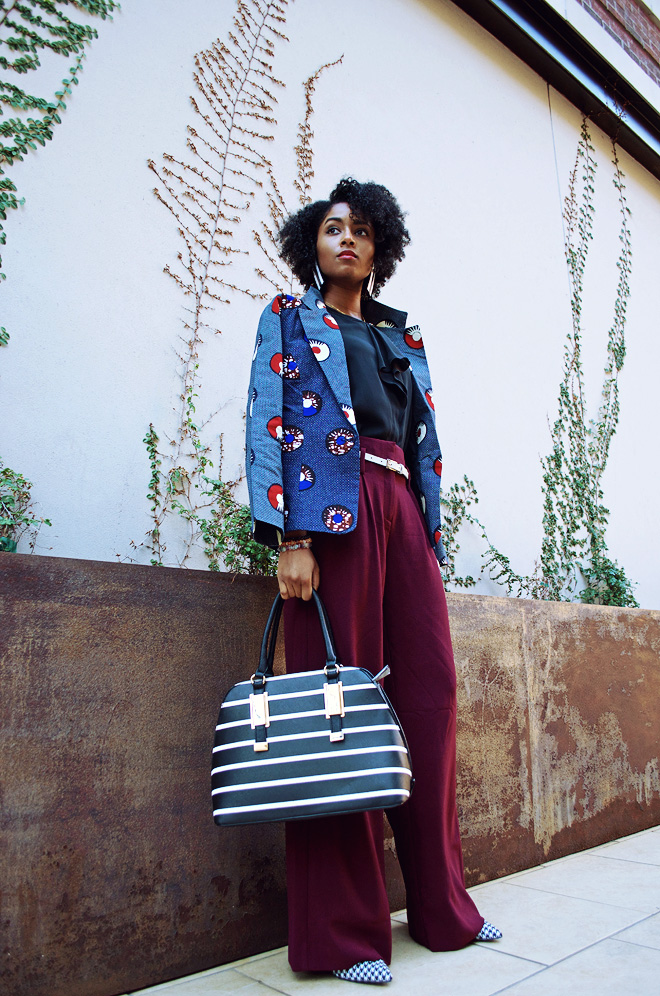
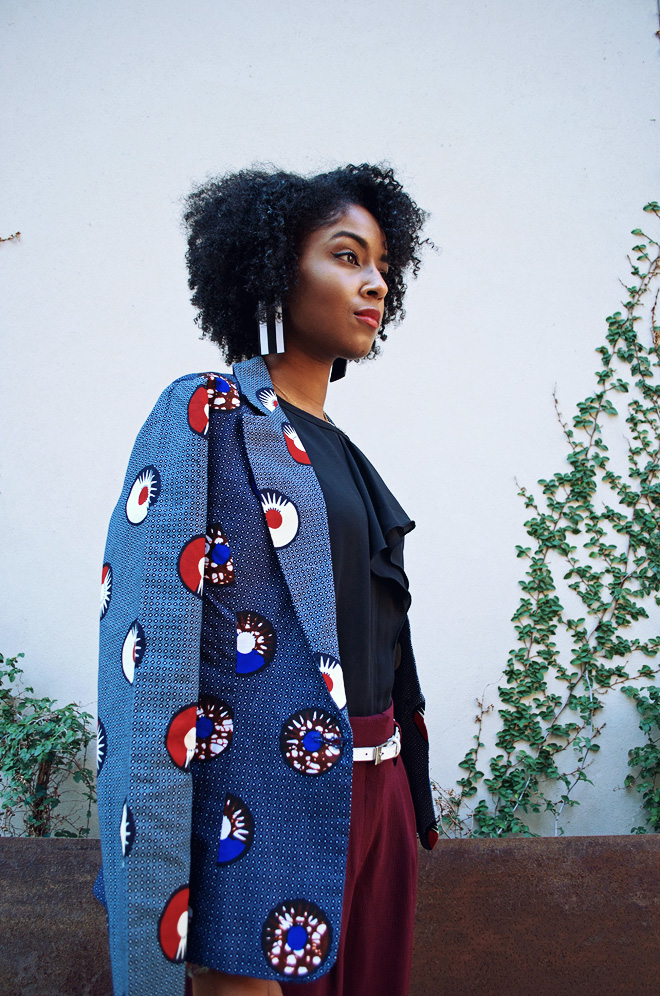
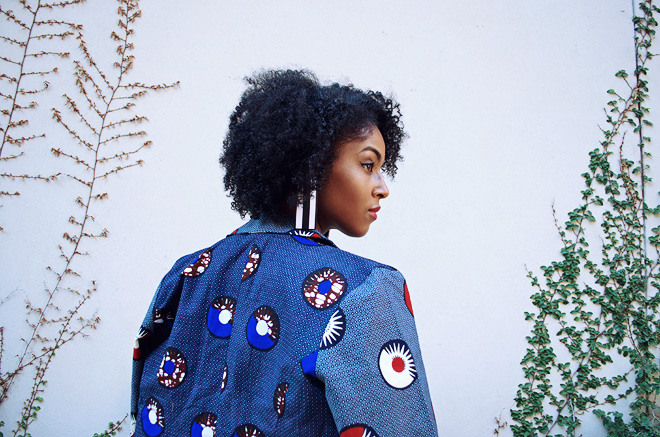
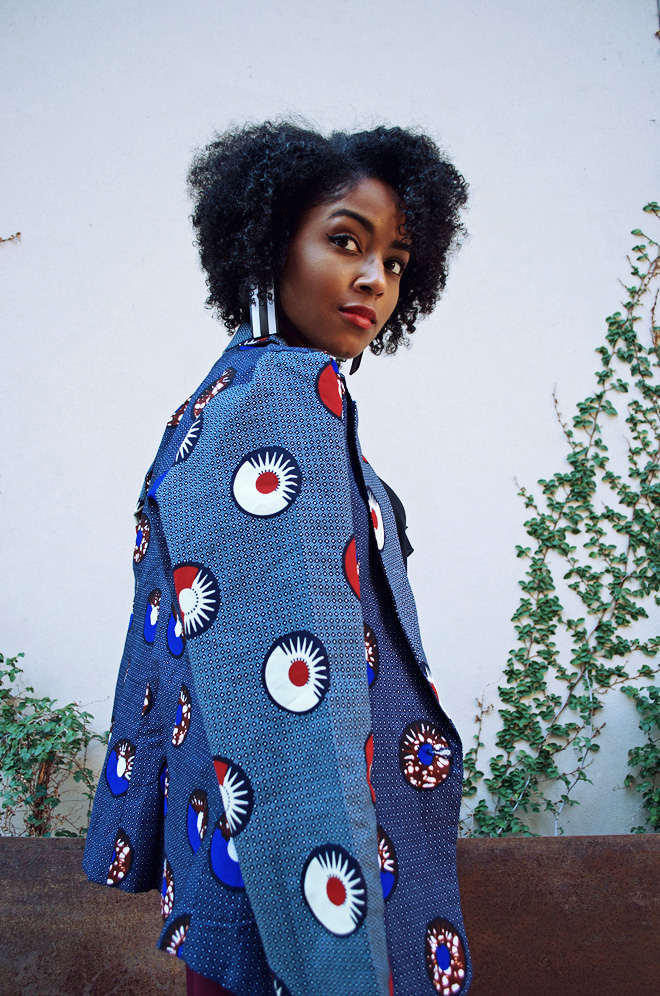
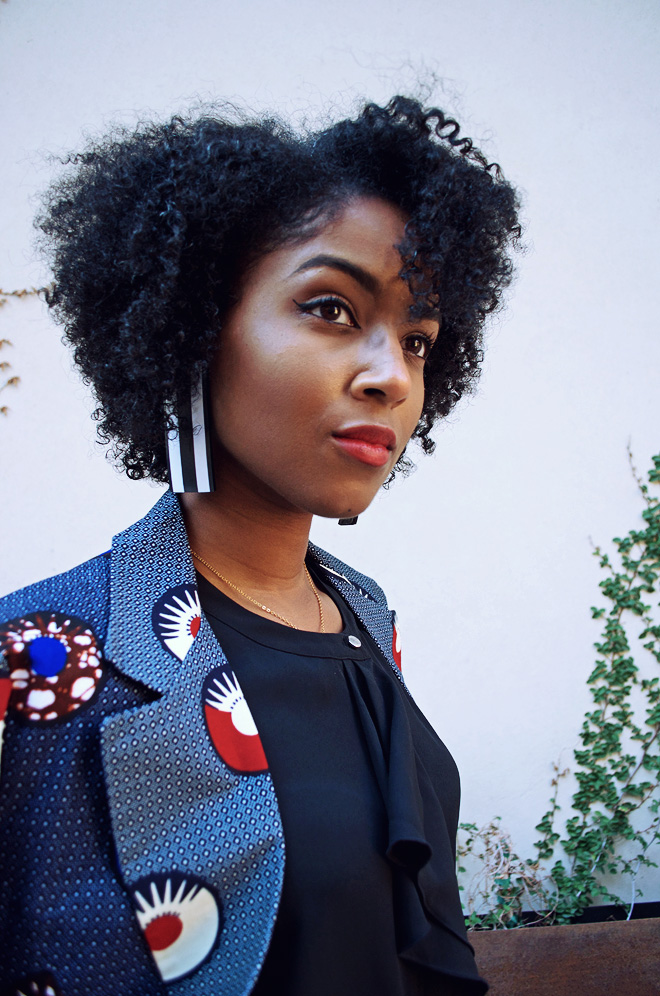
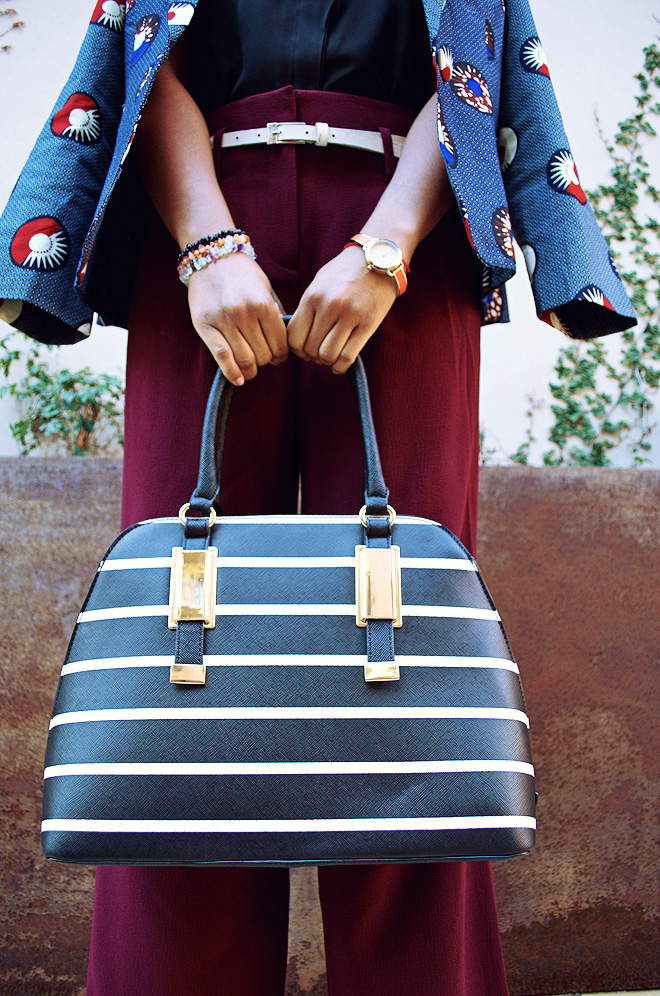
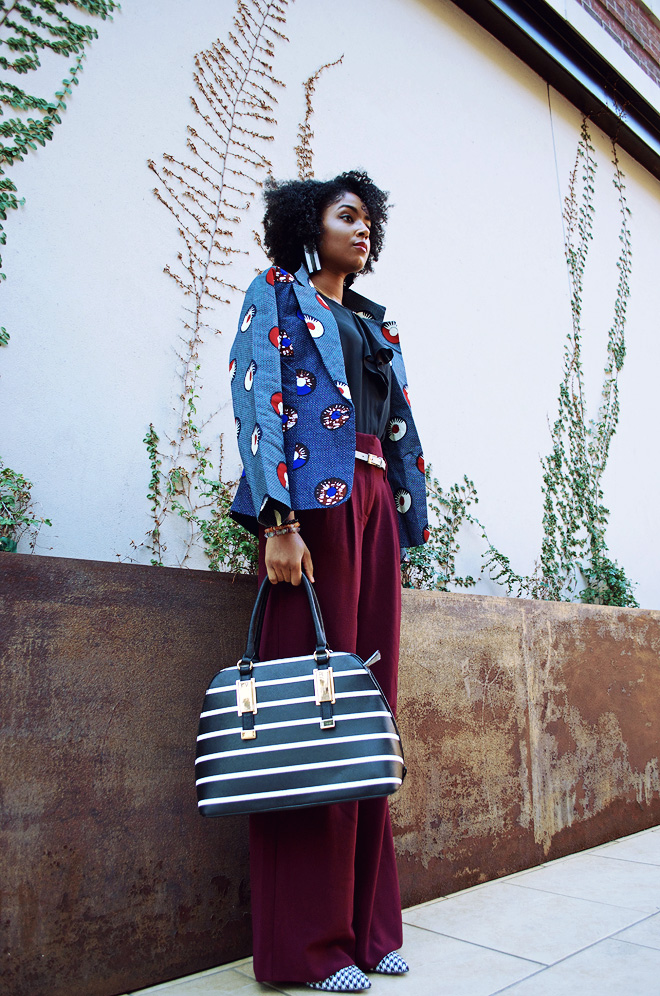
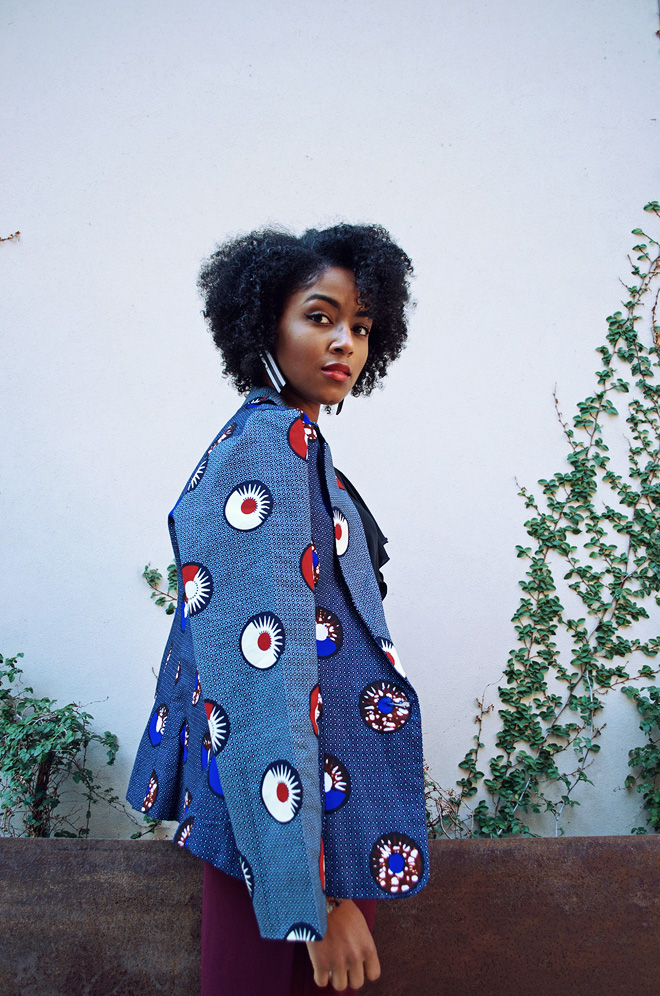
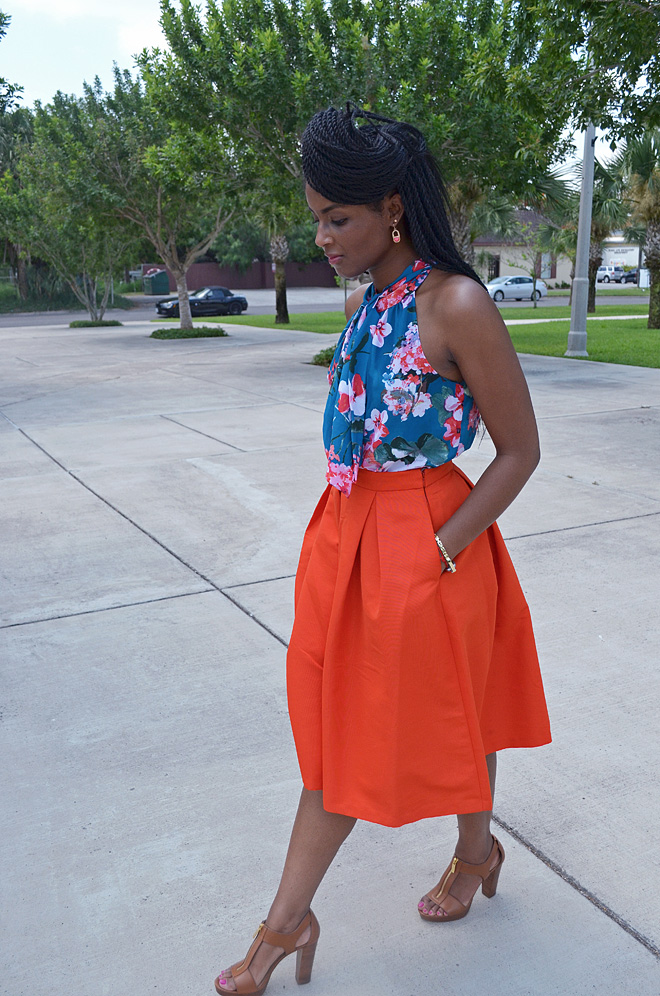
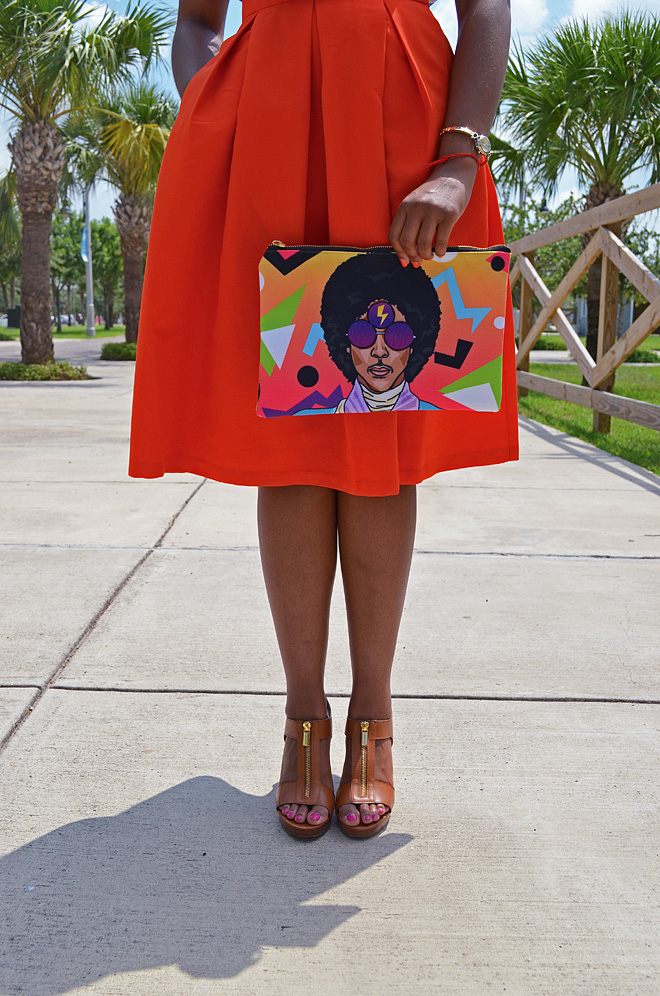
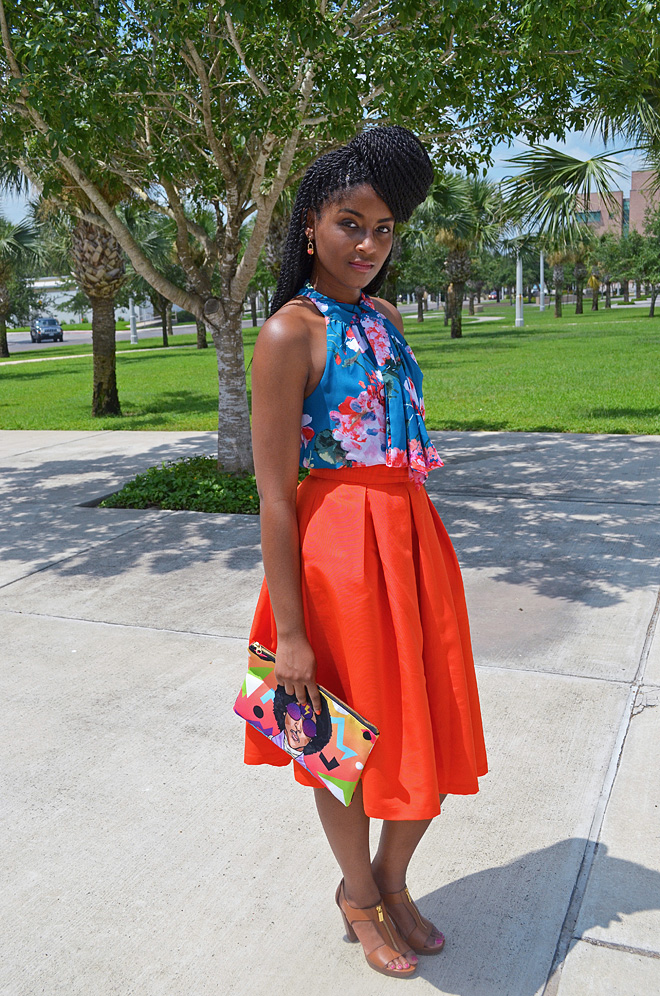
Wearing: Zuvaa blazer; New York & Company blouse; The Limited pants; DSW heels; Aldo purse; Vinti Couture earrings
You might have seen the photo with a group of successful people sharing a good laugh. It included Beyoncé, Jay-Z, Alicia Keys, Puff Daddy, etc. The fascinating thing about being a content creator is that you see potential and ideas everywhere. As simple as the photo is, it has created a whole discussion on success and colorism.
It started with a twitter thread about that photo and an essay about Lil’ Kim by Myles E. Johnson, where the sentiment behind love being controlled by color continued. Do all successful black men only date and marry light skin women? Is this still an issue or a misguided assumption? I think it is both. To some, this is a conscious decision to reach their goal to rub shoulders in certain circles. A product of toxic conditioning. For others, they honestly found love in someone who does not look like them. I cannot say which is the majority, but I do think we need to be cautious of who we look up to.
As much as we can blame mainstream media and an oppressive society, we cannot deny how we contribute to this. Ashley Coleman shared a great post on her experience about this on her blog Write Laugh Dream. Team light skin versus team dark skin is holding us back. It is a distraction to shift the focus away from how much we need to support and respect each other.
Believe it or not, as a child I had a consistent deeper complexion. Throughout grade school, if the lighting was odd, or if I was placed in the back of the group photo (which happened too many times), all one could see were my teeth and the glare from my glasses. Outside of home, I was not the ideal beauty. Now, even though I tan easily, I do not get to spend as much time with the sun as I would like to. Depending on the season and location, I probably go through 52 shades of brown every year. It is kind of funny because, regardless of the season, I do not view myself as light skin, nor do I assume others see me as such.
Maybe it is because of my childhood experiences or over-observant nature, but I notice the difference in confidence between team light skin and team dark skin. Insecurity and self-doubt haunt all of us. There is no need to build more barriers between us. Of all the things colorism affects, I think the biggest issue is the feeling of being unworthy of love. That is what causes us to settle for mediocrity, suffocate healing, and shut out love. It is not easy to let go of, but you must believe you are worthy. No one can fill that void for you. Do not let others ignorance block the love you deserve.
Have you been affected by colorism? Let me know how you deal with it in the comments below.
Also, remember to connect with me on Twitter and Instagram. I would love to hear from you.
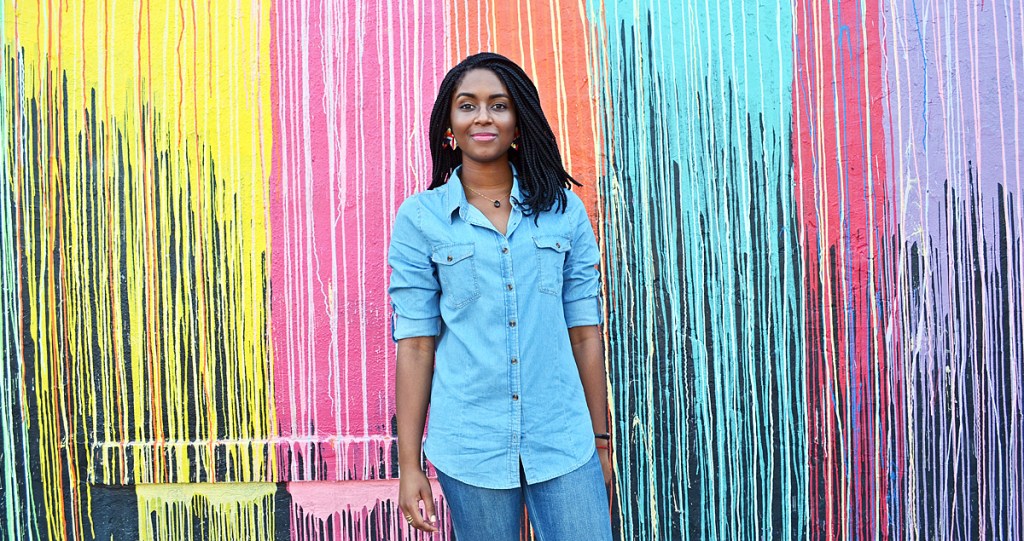
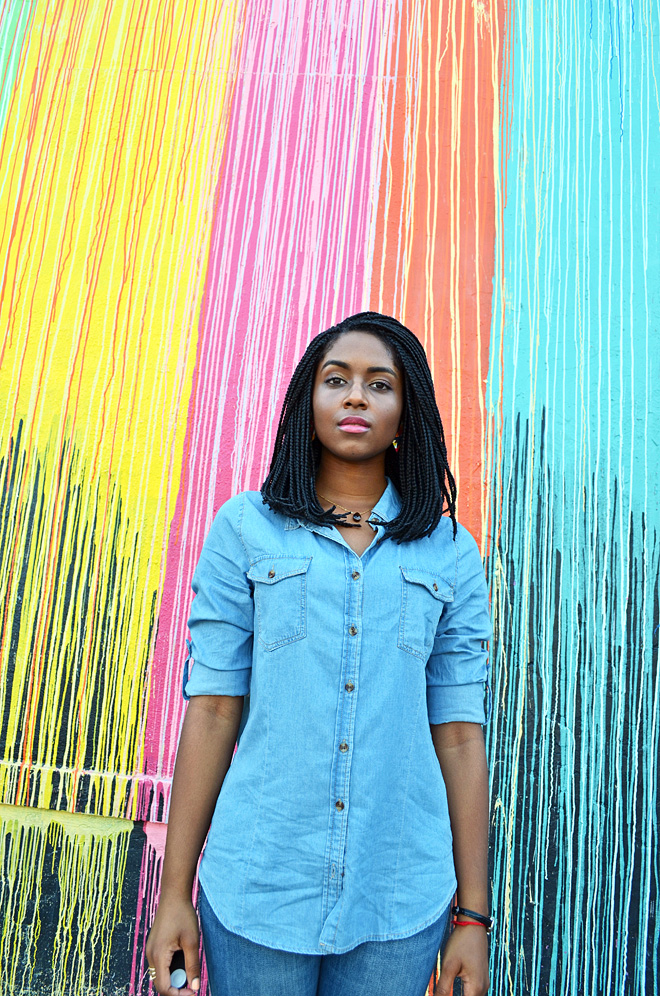
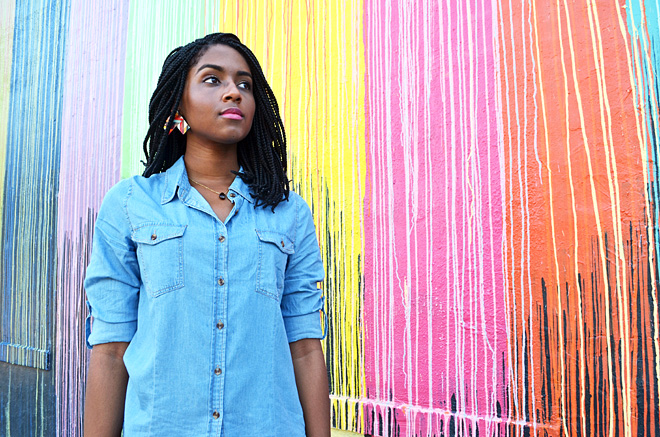
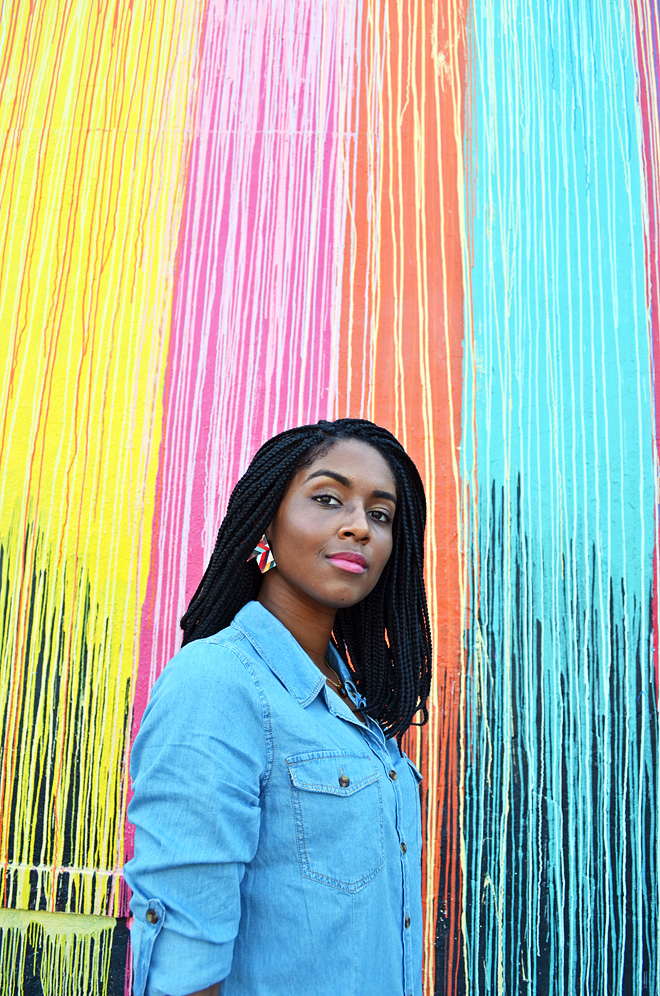
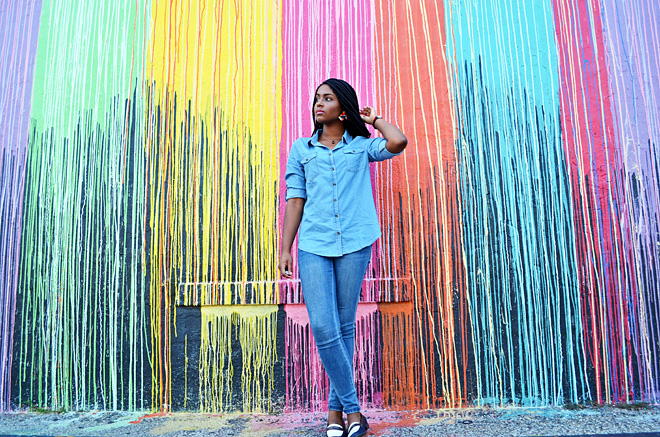
Wearing: Marshall’s shirt; New York & Company jeans; DSW shoes
Cyber-security breach and data leaks seem to be normal occurrences these days. The question of privacy seems to be naive when all information and communication is monitored and hackable. Maybe it is because I recently (read…finally) saw the new Jason Bourne movie or because I work with a variety of data and media, but I have been thinking a lot about how data storage is evolving. Space and convenience is not the issue. Security and longevity is what we still do not get.
Gone are the days when we would “search on Google” for our name and possibly freak out if there was one obscure mention of a link. Now we are all encouraged to have a professionally branded – but still personal – presence online. We are encouraged to sync all of our devices. We are made to believe the best way to back up precious memories, important documents, and big files is on virtual clouds and drives. It is funny how our discomfort in seeing our names pop up outside of the Yellow Pages has become hesitantly open to every device upgrade. On the one hand, that is the beauty of technology. It is constantly changing to push our potential and innovation further. On the other hand, values and concerns should be respected.
I am not sure if security will ever become a full guarantee as we progress in this cyber direction. From the recent Dropbox breach to apps discreetly linking information, ahem Facebook and WhatsApp, it seems that no information is secure. Nothing is hack-proof, regardless of good intentions behind passwords, two-step authenticity, fingerprints, and any other secret codes. Since this is the case, I urge you to be mindful of where you save your stuff. A printed copy saved in a locked drawer or a box under the bed is not silly. It will probably save you a headache. Regarding future developments in security, maybe we should not only focus on better passwords or bigger servers.
Since I have been working with media for a while, technology upgrades are bitter-sweet. Remembering how much time it took to convert footage from a Hi-8 tape to a DVD, I thought it would save those memories forever. What happens when DVD players join VCRs? With all the photos I diligently archive on external hard drives, what happens when USB ports join floppy disk drives? It is kind of scary to think about. A project I hope to start soon is to create a series of photo albums, I mean really old-school photo albums, for the majority of my photos. As convenient as Google drive and external hard drives are, I want to be able to share these memories with my children 10 years from now and my grandchildren 30 years from now. There is something about sitting around a table with family with an old suitcase full of photos in envelopes and albums that is really special. Watching a slide show on a screen does not compare to that.
I am intrigued to see how data storage and cyber-security evolves during my lifetime, but I do not think I will ever fully trust it. How do you think we can improve on this? How are you keeping your data safe? Let me know in the comments below.
Also, remember to connect with me on Twitter and Instagram. I would love to hear from you.
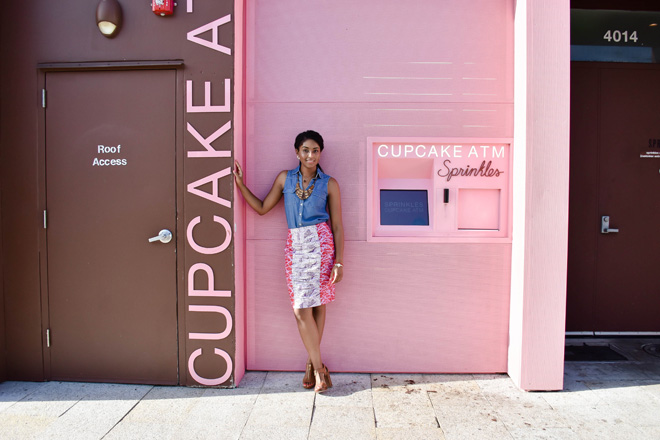
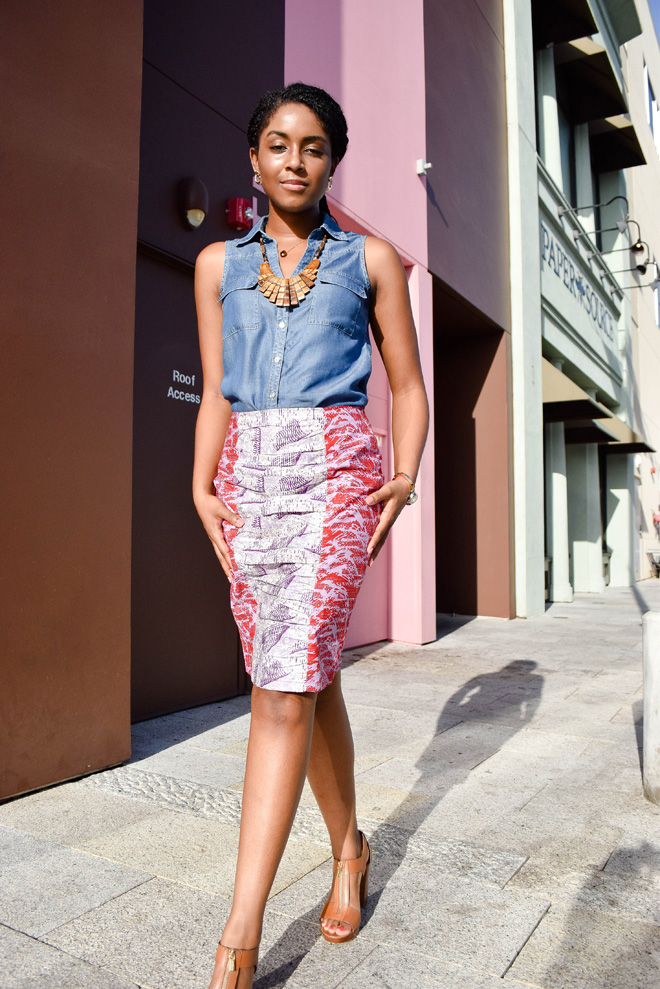
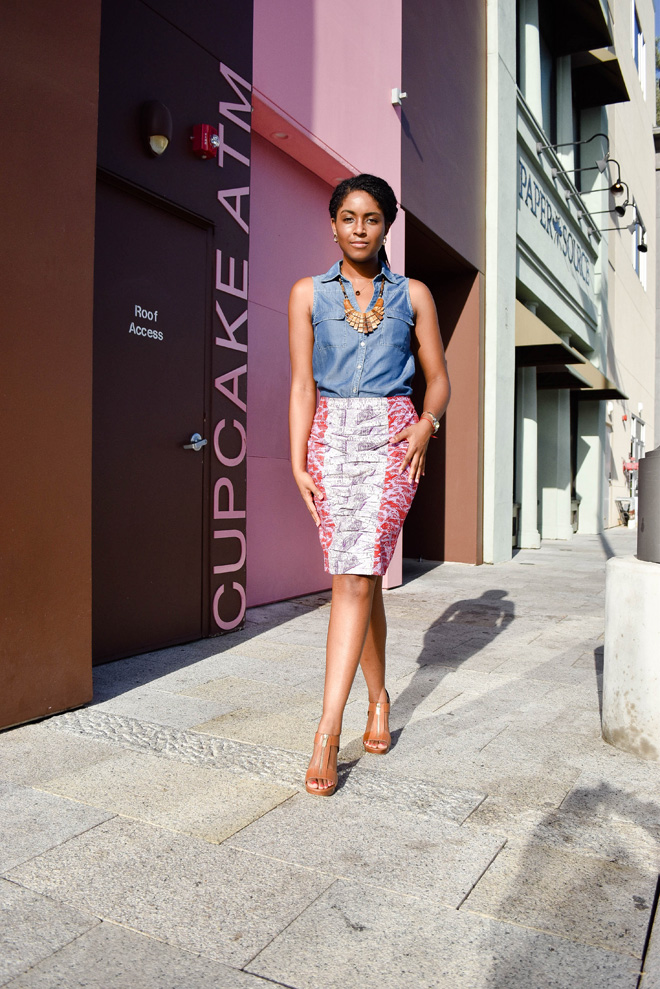
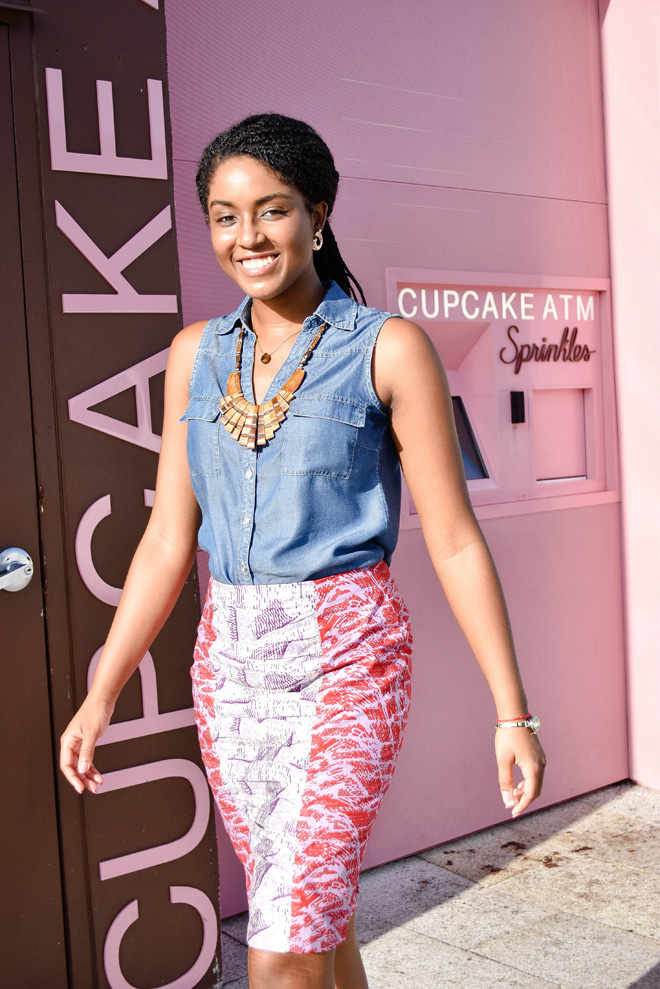
Wearing: New York & Company blouse; Woodin skirt; Michael Kors shoes
I love vintage and futuristic cars. I appreciate the art behind their detailing, colors, and gadgets. Actually, I plan to collect classics when I am mature and fabulous. I visited the Sculpted Steel exhibit at the Museum of Fine Arts Houston and was really impressed by the sculptures. It got me thinking about the need to balance this kind of beauty against the pollution it can cause. I started wondering how technology is protecting and hindering the environment.
It is no secret that our planet is suffering. Pollution caused by car emission is one of many issues. When you think about how many fumes we are spewing into the air on a daily basis, since the Industrial Age, it might seem amusing to think we could make any difference to the inevitable. Regardless of which side of that debate you are on, I think we all should make an effort to make an impact on this.
There are alternative means of energy. The variety of alternative fuels and rechargeable energy should be as convenient as finding gas stations in Texas. However, the source of energy for alternative energy should not be coal and oil. That is kind of counterproductive, don’t you think?
Let’s talk about what we are doing globally and individually to protect the beauty of our planet. We can manipulate the weather. Not only can we make it rain, but we can reduce the number of hurricanes that occur each year. Actually, in 2009, Bill Gates applied to patent technology that would cool the water before hurricanes develop. In 2014, the United Nations published a report showing how the hole in our ozone layer is shrinking thanks to removing certain chemicals from refrigerators, air conditioners, and aerosol cans in the 1980s. However, the substituted chemical apparently contributes to global warming. In 2015, the Dutch opened the world’s first smog-free tower. It is like a jumbo filter that collects polluted air and returns smog-free air.
I am sharing these examples not only to encourage the younger members of my community to explore innovation in STEM courses and industries, but also to show how technology is helping to protect our planet. There are plenty of ideas like these that need to be supported. I feel we can maintain a balance between tech upgrades that enhance our lives and those that hold our lives hostage. Those movies about smart houses and robots catching feelings and making decisions on their own, like iRobot, Eagle Eye, and Smart House, are not fiction. We already have “smart devices” for our homes growing in number and size. Look at the power of your cell phone! I might not be the first to have a robot assistant, but I will be having the ultimate Sonos speakers experience in my home.
What I love about technology and science, sometimes, is how it always keeps the bigger picture in mind. It puts in perspective what we sacrifice for beauty and pollution. We can do better.
What are you doing to protect the beauty of our planet? What do you think of technology’s role in this issue? Let me know in the comments below. Also, remember to connect with me on Twitter and Instagram. I would love to hear from you.







 Dagny Zenovia