I love vintage and futuristic cars. I appreciate the art behind their detailing, colors, and gadgets. Actually, I plan to collect classics when I am mature and fabulous. I visited the Sculpted Steel exhibit at the Museum of Fine Arts Houston and was really impressed by the sculptures. It got me thinking about the need to balance this kind of beauty against the pollution it can cause. I started wondering how technology is protecting and hindering the environment.
It is no secret that our planet is suffering. Pollution caused by car emission is one of many issues. When you think about how many fumes we are spewing into the air on a daily basis, since the Industrial Age, it might seem amusing to think we could make any difference to the inevitable. Regardless of which side of that debate you are on, I think we all should make an effort to make an impact on this.
There are alternative means of energy. The variety of alternative fuels and rechargeable energy should be as convenient as finding gas stations in Texas. However, the source of energy for alternative energy should not be coal and oil. That is kind of counterproductive, don’t you think?
Let’s talk about what we are doing globally and individually to protect the beauty of our planet. We can manipulate the weather. Not only can we make it rain, but we can reduce the number of hurricanes that occur each year. Actually, in 2009, Bill Gates applied to patent technology that would cool the water before hurricanes develop. In 2014, the United Nations published a report showing how the hole in our ozone layer is shrinking thanks to removing certain chemicals from refrigerators, air conditioners, and aerosol cans in the 1980s. However, the substituted chemical apparently contributes to global warming. In 2015, the Dutch opened the world’s first smog-free tower. It is like a jumbo filter that collects polluted air and returns smog-free air.
I am sharing these examples not only to encourage the younger members of my community to explore innovation in STEM courses and industries, but also to show how technology is helping to protect our planet. There are plenty of ideas like these that need to be supported. I feel we can maintain a balance between tech upgrades that enhance our lives and those that hold our lives hostage. Those movies about smart houses and robots catching feelings and making decisions on their own, like iRobot, Eagle Eye, and Smart House, are not fiction. We already have “smart devices” for our homes growing in number and size. Look at the power of your cell phone! I might not be the first to have a robot assistant, but I will be having the ultimate Sonos speakers experience in my home.
What I love about technology and science, sometimes, is how it always keeps the bigger picture in mind. It puts in perspective what we sacrifice for beauty and pollution. We can do better.
What are you doing to protect the beauty of our planet? What do you think of technology’s role in this issue? Let me know in the comments below. Also, remember to connect with me on Twitter and Instagram. I would love to hear from you.
The resurgence of poaching in Africa needs to be re-introduced to the West to portray the magnitude of the threat in having a world without elephants or rhinos. Unfortunately, there are not many journalists covering this important story. The Western media maintains a distant narrative on this issue. Focusing on numbers and corruption limits their audience reach to animal or environmental conservationists. Media outlets should focus on raising awareness among all viewers by shifting their narrative to one that is more personal, comprehensive, and accurate.
To portray this story with a personal tone, journalists should make a point to focus on the experience of animals that are suffering.
Keith Lindsay is a researcher for the Scientific Advisory Committee for Amboseli Trust, an elephant research and conservation project based in Kenya, and understands the effects of poaching on elephants at an individual level. “[It] is pretty devastating,” said Lindsay, “they take the biggest and oldest individuals first because they have the biggest tusks, which messes up the whole social structure of the elephants. The older animals are the ones who are wiser and learned lessons about dealing with people. When you remove them, conflicts with people will increase as well.”
Even though they have not experienced as many losses as other conservation parks, researchers at Amboseli Trust have noticed the disruption of social and reproductive strategies among elephants due to the resurgence of poaching.
“If elephants are wiped out,” said Lindsay, “the whole conservation movement loses an aspect for their reason to be.”
For viewers to understand the bigger picture behind poaching in Africa, journalists need to provide a comprehensive narrative that explains how this issue effects and involves a variety of factors and people.
“We’re losing diversity with a flagship species that is usually used to outline the parks,” said Dr. Thoralf Meyer, lecturer in the department of Geography and the Environment at the University of Texas at Austin, who also lived and worked in Botswana prior to his work at UT.
“The trade of illegal wildlife product, according to my knowledge, is the third biggest illegal economy in the world after the illegal sales of weapons and drugs,” said Dr. Meyer. Thus, the militarization among poachers and rangers has become the main focus for resources. “Public money is forcibly spent on anti-poaching operations,” said Dr. Meyer, “but we also shouldn’t forget that a lot of money should actually be spent on efforts to eradicate the demand. So at the moment we’re just fighting the effects, but we’re not solving the problem.”
The biggest demand for ivory is traced to South East Asia, in particular China. It has been reported that ivory and rhino horn is used in South East Asia for jewelry and traditional medicine.
“Basically,” continued Dr. Meyer, “other nations are destroying other people’s heritage.” Due to the level of poverty in these rural regions, it is relatively easy to recruit poachers for much less then the price ivory is sold for. “I don’t think these people want to poach,” said Dr. Meyer. “I think this is done for a different reason, simply for the fact that they need money for whatever they need the money for. These are some big issues for countries like Zimbabwe, Botswana, and South Africa to handle efficiently.”
Additionally, avoiding inaccuracy requires starting a conversation with animal and environmental conservationists who have either worked in the region or with government organizations that can speak to how the international community must collectively pay attention to this issue.
On November 14th, the US Fish and Wildlife Service (FWS) publicly denounced poaching by crushing six tons of seized ivory for the world to see. Dr. Richard Ruggiero, the chief of the Africa branch for FWS, said they “intended this event to make a strong statement that the government of the US is taking a stand and confronting the ivory crisis firmly with our full attention.” The pieces that were crushed included a large collection of elephant tusks, carvings, and jewelry.
“Efforts should be focused on three main areas,” noted Dr. Ruggiero, “securing the habitat, breaking up the trafficking networks, and the market demand. There is not one cure for this ailment.
“You need a lot of money,” said Dr. Meyer, “man power, technology, and a lot of intelligence as secret service information to do this effectively.” The trafficking networks could be affected at the grassroots level. “ Hopefully we can make these communities somewhat aware of these poaching problems,” continued Dr. Meyer, “so if they see something suspicious they will point it out or to educate them in a way so that they actually see poaching as a threat to themselves that threatens their economy or heritage.”
“We need education campaigns combined with good evidence based data,” said Lindsey, “to show that the way they are trying to change opinions in South East Asia is actually having some effect.”
“The ivory crisis is a global problem. The solution must also be global,” said Dr. Ruggiero.
Of the few media outlets that have covered this topic, the personal, comprehensive, and accurate tone is lacking in their stories. This small cohort of journalists, who most are out in the field covering this story, are not accessible by phone or e-mail, which also effects their story’s tone and reach.
The New York Times and the Guardian are two of the few media outlets that have published articles reporting on this issue. The New York Times published “The Price of Ivory” in 2012 as an online multimedia series to curate all the articles and media their reporters post on this topic. Jeffrey Gettleman, the New York Times bureau chief for East Africa, is the main journalist for this series. In these stories, Gettleman illustrates the green jungle in Kenya, armed rangers in the Democratic Republic of the Congo, and the underlying theme of corruption throughout the continent. The Guardian published two new blogs – “Nature Up” by Adam Welz and “Africa Wild” by Paula Kahumbu – in March of 2013, which also primarily portrays the facts and corruption narrative. These two publications do not provide their readers with a comprehensive narrative to gain a better understanding or a personal tone to provide a better connection.
An example of an encouraging attempt to cover this story is Journeyman Pictures’ documentary “Where Have all the Elephants Gone?” for ABC Australia. Even though they feature conservation rangers, elephant orphanages, and animal traffickers, the film could have gone a step further in giving insight on where the demand and profit for ivory is coming from. Again, corruption and poverty were the protagonists in their story, with elephants casted in a supporting role.
Finally, poaching in Africa is a big and complex issue. Thus, it is even more important for the western media to pay close attention to how it reports this tragedy. The resurgence of poaching in Africa is not just about corruption, facts, and distant politics. This genocide against elephants and rhinos is about the future of our planet, the straining relationship between the animal kingdom and human beings, and the undeniable source of demand leading to criminal violence against both animals and people.
Subject: Due to climate change and human habits, Texas’ access to water is gradually entering a danger zone. The Texas State legislature is currently in session and have a number bills regarding the environment to attend to. Working with a group of individuals, including journalists, advocates, and representatives, I am conducting research and interviews for three long form articles. Our topics focus on the organizations dedicated to water protection in Texas, the alleged tension between Texas and Mexico for water access, and the people who are directly affected by the lack of water infrastructure in Texas.
Publisher: Working with an editor at The Dallas Morning News.
Posted: Article still in progress. If you have experience with this topic or know of anyone who would like to have their story told, please leave a comment below or contact me. Thanks in advance.
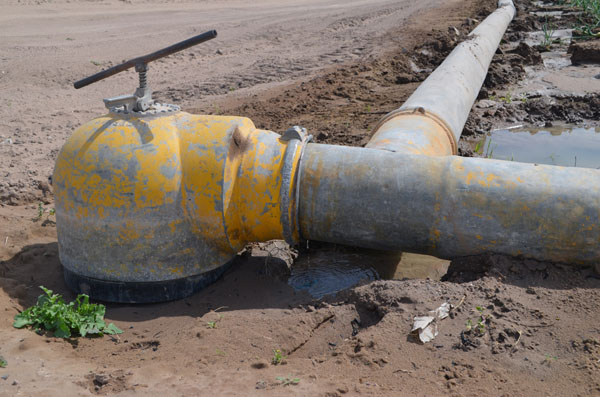
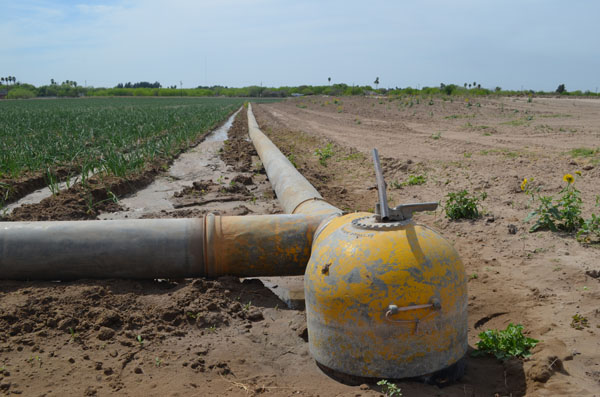
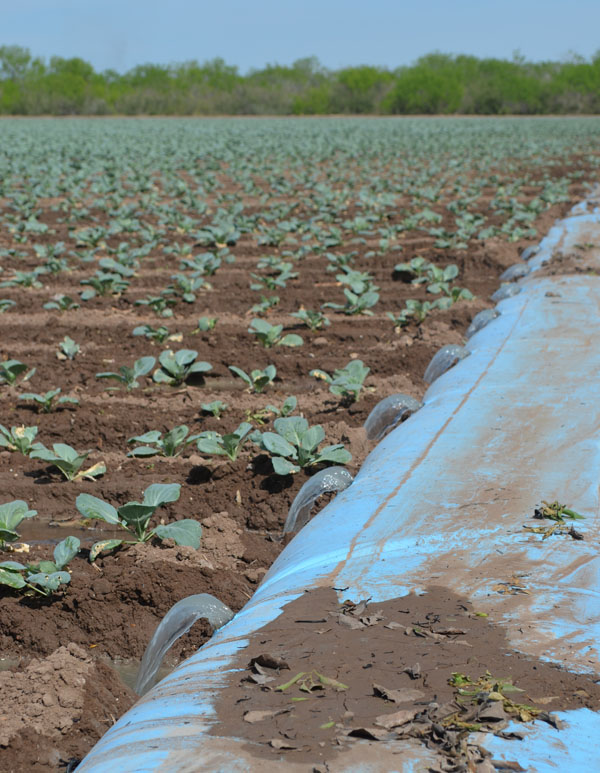
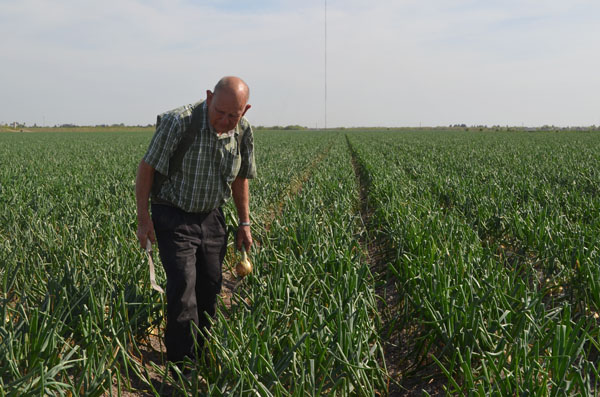
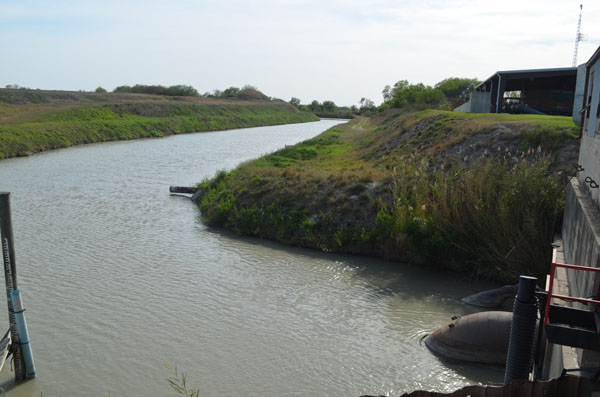
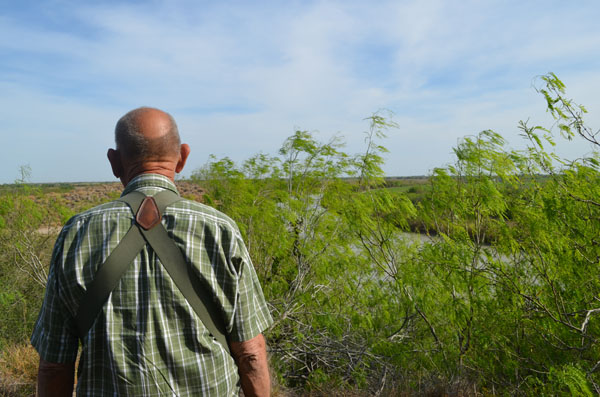
Update: The articles worked out beautifully, but publishing seems nonexistent. Thus, I would like to share some of the photos I took for our story on the water tension and debate between Texas and Mexico. These photos were taken in South Texas in Harlingen.












 Dagny Zenovia