Category: Social Issues

  • Can We Capitalize on Creativity Equally

    Can We Capitalize on Creativity Equally

    Creativity has reached new heights with the internet and social media. Gone are the days when your brilliant artwork was only framed on your parents refrigerator. Now it has the potential to go viral with a simple tweet, insta-post, or snap. The question is, where does all of that new attention lead to?

    dagnyzenovia_colorpair2

    Digital influence, according to Techopedia, is the ability to create an effect, change opinions and behaviors, and drive measurable outcomes online largely through social networking. So, it is more than just a popularity contest, but still has some mystery behind it. As I learn more about branding and production to enhance my blog and future projects, I have noticed a variety of patterns in what gets loved and lost. Also, being interested in intellectual property and legal protection of creativity, I have noticed a gap in protection and awareness.

    dagnyzenovia_colorpair5dagnyzenovia_colorpair9

    Certain niches or content tend to pick up more attention quickly. Women are the majority of online creators. Fashion and beauty get the most attention. The definition of quality content is based on a preference for polished personal branding. This is where the difference among titles comes into play.

    • The blogger post has a few paragraphs similar to a journal entry with a lot of pretty pictures, sponsored links, and social media followers.
    • The writer post has numerous paragraphs similar to a short story with a few illustrations or gifs, helpful links, and social media followers.
    • The journalist post has numerous paragraphs similar to a news article with pretty pictures, source links, interviews, and social media followers.

    For the consumer, the internet is a great asset because you have access to all kinds of content. For the creator, depending on your circumstances, the internet feels highly saturated. Which of these three posts would you pay the most for? Which of these three posts do you think receives the most revenue?

    dagnyzenovia_colorpairdagnyzenovia_colorpair4

    Monetizing creativity is not a new phenomenon, but the internet has taken it to another level. This new level of digital influence comes with some questionable characters. People can buy followers, likes, and comments. This diminishes the credibility and value of the digital influence industry, which was brilliantly called out in this article by The Luxury Spot. On the other hand, since this industry is still evolving, there are no concrete rules or rates. Creatives who are organically growing their following are being ripped off by brands. Refinery29 did a great article about this issue. I am glad to see others sharing information and insight on this, but we still have a long way to go to establish whether this industry is a passing trend or a substantial career.

    dagnyzenovia_colorpair8dagnyzenovia_colorpair7

    Across the board, according to the digital influence experts, the one guaranteed way to monetize your creativity online is through e-courses. Initially, online courses with recorded lectures and live interaction were popular among some universities in 2012. This phase faded for reasons I am not sure of yet. Later, bloggers picked it up and adapted it to their niche. From DIY projects, to parenting tips, to business advice, there is an e-course on everything. There are even e-courses to teach you how to create an e-course. Now, we have celebrities doing e-courses: Serena Williams teaches tennis, Christina Aguilera teaches singing, and Dustin Hoffman teaches acting through MasterClass. These courses range from hundreds to thousands of dollars. That adds up to a pretty nice profit. The question is, does the value of the course equal the price? Is the curriculum viable? Is the information more than what you could Google yourself? Depending on what you are looking for, the course could be great or fluff.

    dagnyzenovia_colorpair10

    Protecting creativity is also not new, but does need an upgrade. I worked at a pro bono trademark clinic this past semester and gained some insight in the business behind creating and filing trademarks and copyrights. Our clients were traditional small businesses looking to trademark logos and names, but the work got me wondering how these intellectual property laws apply to new media and digital influence. For example, someone creates something really funny or catchy on Vine or Snapchat and it gets a big response. Then, someone else with a bigger following (who might be a real celebrity or company) picks up the original clip, copies it, and posts it as their own with their face on it. Technically, your work is entitled to copyright protection once it is created. Can the original person present their Vine in court as evidence of copyright infringement? Since the majority of social media is free, the likelihood of anyone paying for litigation to protect their work is slim to none. We need to enhance the support and protection of those who create and innovate. What incentive is there to share your work when it is overlooked or stolen? The Fader did a great article on this issue.
    dagnyzenovia_colorpair6Small

    When balancing popularity contests and mysterious algorithms with no support, it can seem capitalizing on creativity equally is not possible. With the variety of creators and innovators I have interacted with, I think we can shift this digital influence industry to be a more wholesome experience. This is not public radio or cable TV, where the advertiser, sponsor, and shareholder dictates what and who is seen or heard. This is the future of content and culture. The advertiser, sponsor, and shareholder might continue to make the bulk of the profit from this new medium of content, but the consumer is demanding more of a say in what they want to see and hear. We can make an impact on this. So many of us digital influencers are part of the “side hustle” club. Our skills and talents cover more industries than you would expect. Let’s think outside of the box to not only contribute to the never-ending feed of polished photos, funny videos, and trending hashtags, but to also take ownership of an industry we created.

    dagnyzenovia_colorpair3

    What do you think about capitalizing creativity? What do you think about digital influencers? Can we bring equality to this industry? Let me know in the comments below. Also, remember to connect with me on Twitter and Instagram. I would love to hear from you.

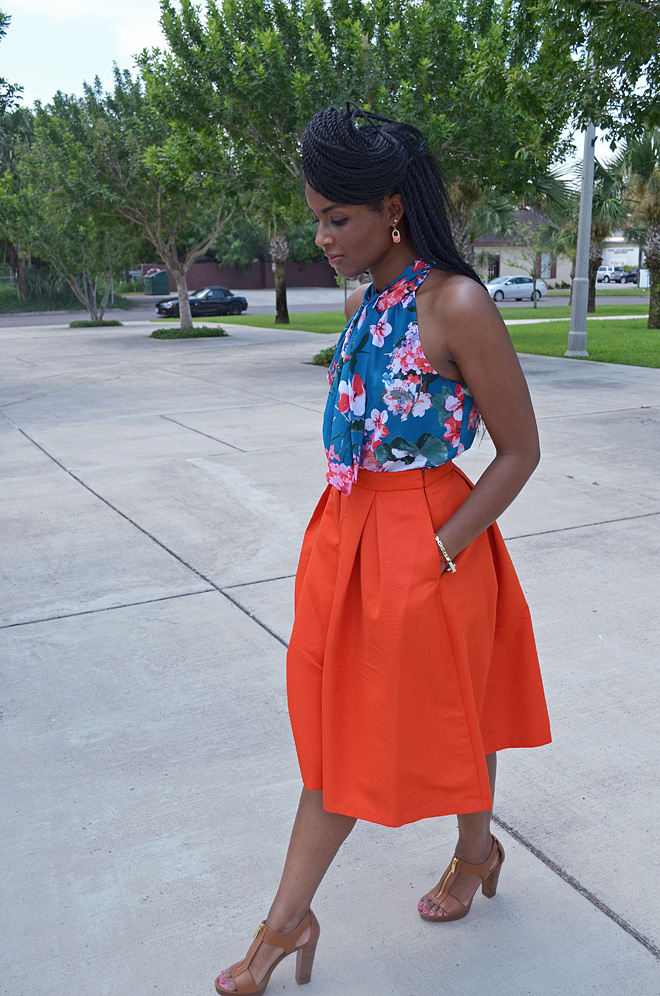
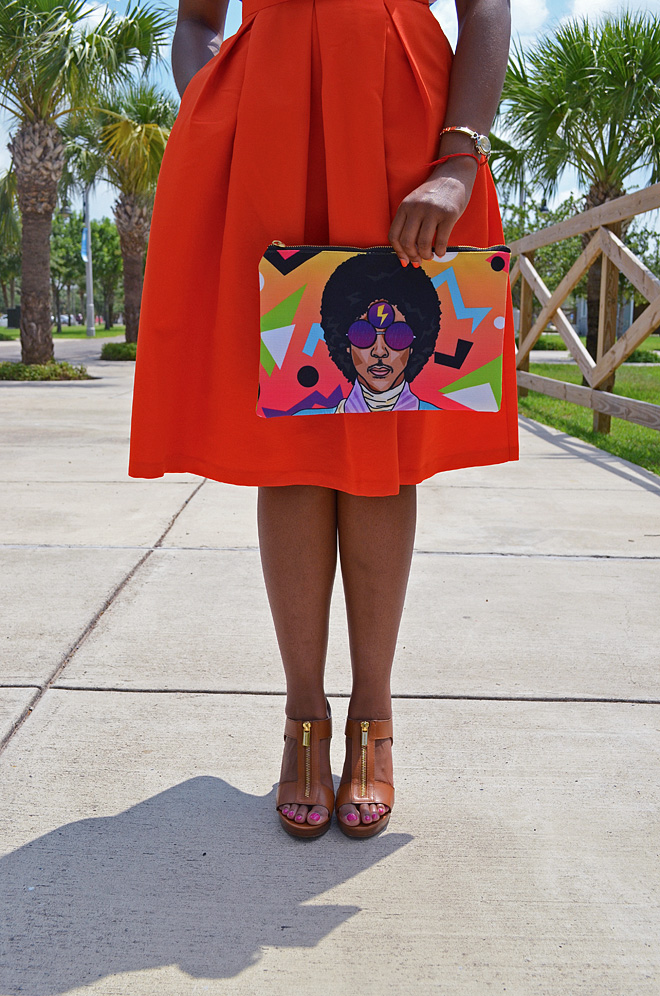
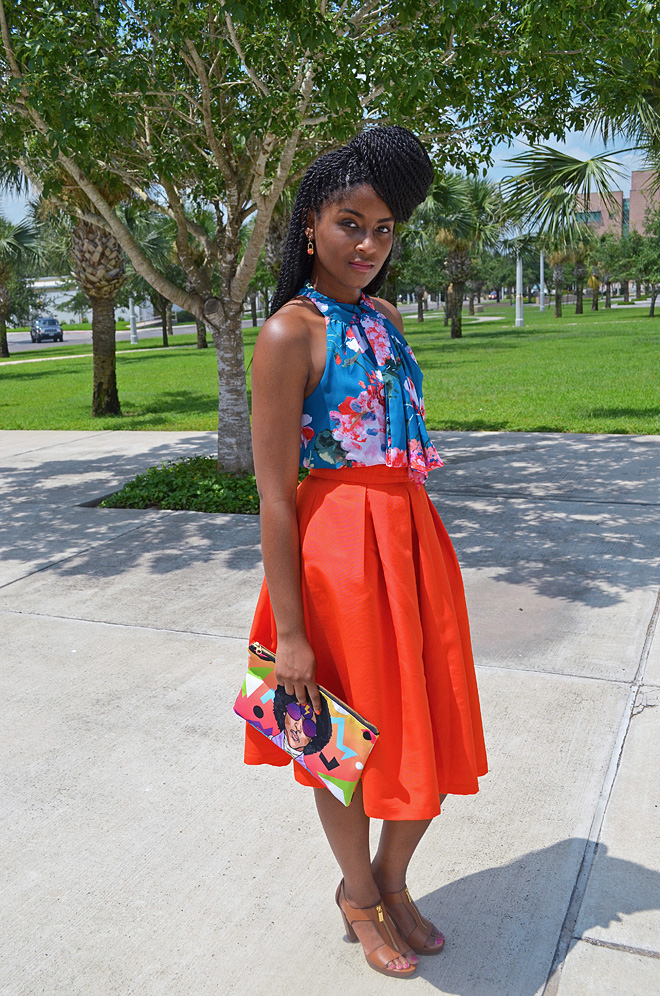
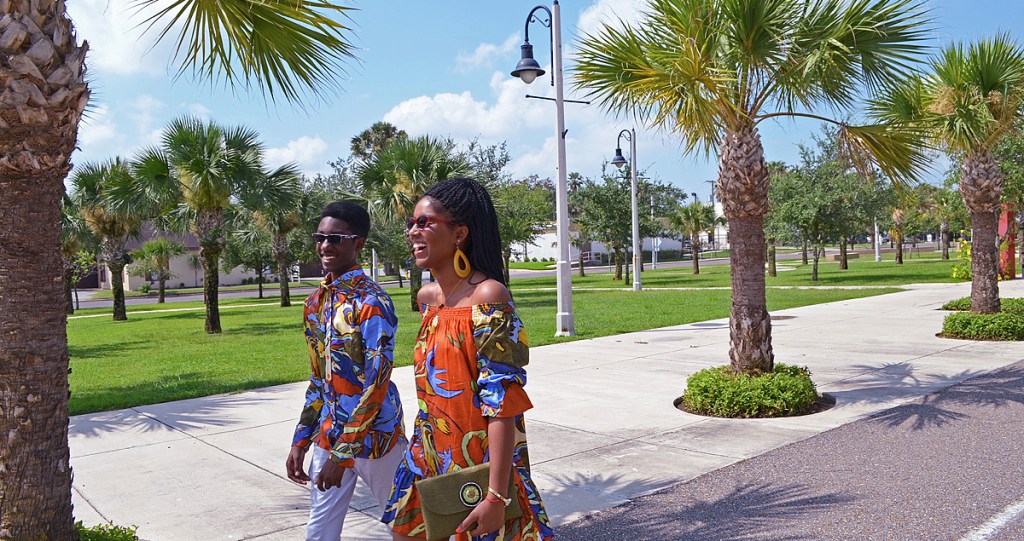
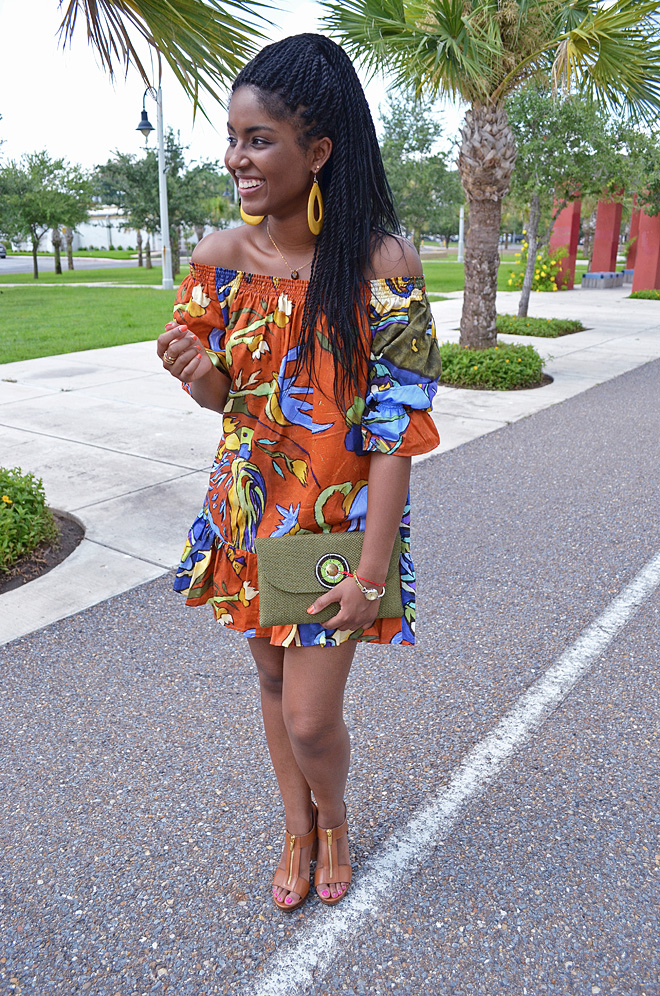
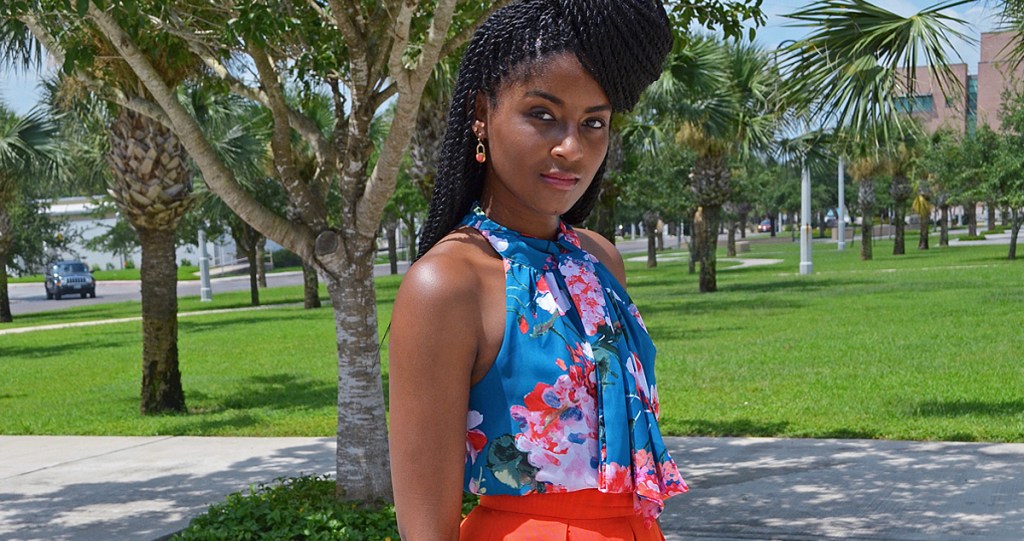
    Wearing: Angela Taioni dress and shirt; Michael Kors heels; Clutch made in Liberia

    Big thank you to Uncle Nii Bonney and Auntie Damali for these beautiful clothes. They really are a work of art.
  • What We Sacrifice for Beauty and Pollution

    What We Sacrifice for Beauty and Pollution

    I love vintage and futuristic cars. I appreciate the art behind their detailing, colors, and gadgets. Actually, I plan to collect classics when I am mature and fabulous. I visited the Sculpted Steel exhibit at the Museum of Fine Arts Houston and was really impressed by the sculptures. It got me thinking about the need to balance this kind of beauty against the pollution it can cause. I started wondering how technology is protecting and hindering the environment.

    dagnyzenovia_blueorange2

    It is no secret that our planet is suffering. Pollution caused by car emission is one of many issues. When you think about how many fumes we are spewing into the air on a daily basis, since the Industrial Age, it might seem amusing to think we could make any difference to the inevitable. Regardless of which side of that debate you are on, I think we all should make an effort to make an impact on this.

    There are alternative means of energy. The variety of alternative fuels and rechargeable energy should be as convenient as finding gas stations in Texas. However, the source of energy for alternative energy should not be coal and oil. That is kind of counterproductive, don’t you think?

    dagnyzenovia_blueorange4

    Let’s talk about what we are doing globally and individually to protect the beauty of our planet. We can manipulate the weather. Not only can we make it rain, but we can reduce the number of hurricanes that occur each year. Actually, in 2009, Bill Gates applied to patent technology that would cool the water before hurricanes develop. In 2014, the United Nations published a report showing how the hole in our ozone layer is shrinking thanks to removing certain chemicals from refrigerators, air conditioners, and aerosol cans in the 1980s. However, the substituted chemical apparently contributes to global warming. In 2015, the Dutch opened the world’s first smog-free tower. It is like a jumbo filter that collects polluted air and returns smog-free air.

    dagnyzenovia_blueorange

    I am sharing these examples not only to encourage the younger members of my community to explore innovation in STEM courses and industries, but also to show how technology is helping to protect our planet. There are plenty of ideas like these that need to be supported. I feel we can maintain a balance between tech upgrades that enhance our lives and those that hold our lives hostage. Those movies about smart houses and robots catching feelings and making decisions on their own, like iRobot, Eagle Eye, and Smart House, are not fiction. We already have “smart devices” for our homes growing in number and size. Look at the power of your cell phone! I might not be the first to have a robot assistant, but I will be having the ultimate Sonos speakers experience in my home.

    dagnyzenovia_blueorange3

    What I love about technology and science, sometimes, is how it always keeps the bigger picture in mind. It puts in perspective what we sacrifice for beauty and pollution. We can do better.

    What are you doing to protect the beauty of our planet? What do you think of technology’s role in this issue? Let me know in the comments below. Also, remember to connect with me on Twitter and Instagram. I would love to hear from you.

    Wearing: New York & Company blouse & skirt; Michael Kors heels; Kashmir VII clutch; Charming Charlie earrings

  • A Safe Space For Students: 15 Years of No Place for Hate in Houston

    A Safe Space For Students: 15 Years of No Place for Hate in Houston

    I believe the children are our future and I’m sure you do as well. Since children spend the majority of their day in school, a school’s curriculum and environment influences their development and our future. With the increase in school’s security, state testing, and in some subjects or activities reduced funding, I sometimes wonder if school’s are heading in the right direction. Thankfully, there are programs that enhance our children’s school experience. I had the pleasure of interviewing Susan Shaw, the education director at the Anti-Defamation League’s Houston office, about their No Place for Hate initiative. The program promotes respect for individual and group differences and challenges prejudice and bigotry in schools K – 12. This year marks the program’s 15 year anniversary in Houston. We talked about the program’s progress in Houston, the upcoming 15 year celebration, and how you can get involved with this wonderful initiative.

    Dagny Zenovia: A Safe Space for Students - 15 Years of No Place for Hate in Houston
    Provided by ADL No Place for Hate Houston

    The No Place for Hate program was launched in Houston in 2001. This was the first time such an initiative was used in schools. Initially, in 1999, the program started in Boston for townships and municipalities. The regional director of the Houston office at the time “made a visit to the Boston office and sort of fell in love with the whole concept,” said Susan Shaw. “Our office along with the Philadelphia office started to recreate the materials and we built an education committee.”

    The program is implemented in schools by forming a coalition, which includes students, administrators, faculty, staff, and parents, to come together to do an assessment of the issues that need to be addressed on campus. All members of the coalition sign the Anti-Defamation League (ADL) resolution of respect and participate in at least 3 anti-bias or diversity activities throughout the school year. For those interested in getting your school to participate in this initiative, this is the application process:

    1. Submit a proposal for the school activities by October;
    2. The review committee determines if the proposed activities are appropriate and whether they address the issues on campus;
    3. Once approved, school proceeds to create and implement the activities;
    4. In May, school submits a report to go over challenges, progress, and how ADL can continue to help in the future;
    5. New schools get a personalized banner with 5 blank stars; for every year they earn a designation, they get a star with the school year to place on the banner.
    Dagny Zenovia: A Safe Space for Students - 15 Years of No Place for Hate in Houston
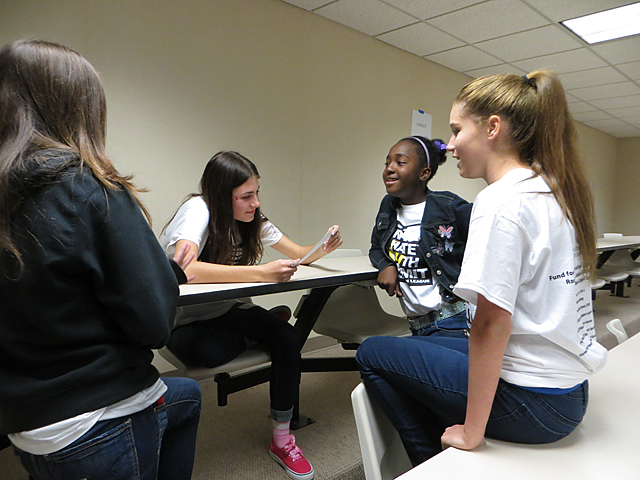
    Students at No Place for Hate Youth Summit at South Texas College of Law (source: ADL No Place for Hate Houston)

    The combination of school proposed activities and ADL lesson plans provide creative and innovative ideas. For example, one of their most popular activities is known as “mix it up.” At lunch, the students get to sit with students other than their friends and are given questions to ask each other. This encourages students to interact with others in school. Another activity that was recently implemented is known as “buddy bench.” Lessons were done through the guidance counselor on bullying, name calling, and acceptance. Part of the activity included building a buddy bench so that no students would feel isolated or excluded.

    Dagny Zenovia: A Safe Space for Students - 15 Years of No Place for Hate in Houston
    Provided by ADL No Place for Hate Houston

    Susan has worked with ADL for 18 years, after previously working as the education director at the Holocaust Museum in Houston and as a 2nd and 3rd grade teacher in Spring Branch ISD. Her work in anti-bias and diversity reaches beyond her job to her upbringing in Long Island, New York. “I’m a product of the 60s and remember very clearly when integration came to our community,” said Susan. “My parents were more about acceptance and I think I carried a little of that baggage with me. That is why ADL seemed like a perfect fit for me.”

    From the beginning of No Place for Hate in Houston, Susan has directed and created this program every step of the way. During their first year, they had 9 schools participate. Due to the success of that first year and word of mouth, they doubled their numbers every year after that. They now have 21 regional offices and 1500 schools participating in the program. During the 2014 – 2015 school year, 350 public, private, and charter schools earned No Place for Hate designation. During this past school year, 2015 – 2016, more than 400 schools have applied. “It’s great to see schools not only focusing on the basic reading, writing, and arithmetic, but also respect the importance of social and emotional learning in the classroom,” said Susan.

    Dagny Zenovia: A Safe Space for Students - 15 Years of No Place for Hate in Houston
    Students at No Place for Hate Youth Summit at South Texas College of Law (source: ADL No Place for Hate Houston)

    That progress is what makes the upcoming Luncheon so special. ADL’s annual luncheon will celebrate the 15th anniversary of the No Place for Hate initiative by recognizing the hundreds of schools that have achieved No Place for Hate designation and honoring three educators for their efforts to create a school atmosphere that promotes diversity. The honorees include Dr. James W. Cain, Klein ISD Superintendent, Yvonne DeLeon, Kenneth E. Little Elementary School Counselor, and Dr. Nancy Simpson, Kinkaid Lower School Counselor. The Luncheon will also feature keynote speaker Dr. Jennifer Arnold, M.D. of Texas Children’s Hospital and TLC’s “The Little Couple.” This special event will be on May 4th at noon at the Hilton Houston Post Oak. For more information and tickets, contact Alexis Tahara at alexis@integrateagency.com or Dena Marks at dmarks@adl.org.

    “This is my favorite event of the year,” said Susan. “Not only is it an opportunity for ADL to showcase the great work we do in education, but it is also an opportunity to honor and recognize the educators that are doing the work. We get to say thank you for the their support, creativity, compassion, and collaborative efforts.”

    Dagny Zenovia: A Safe Space for Students - 15 Years of No Place for Hate in Houston
    Provided by ADL No Place for Hate Houston

    I think the influence of an initiative like No Place for Hate is really important. In addition to creative activities, this can impact a student’s performance and development in and out of the classroom. A school atmosphere that is truly free of hatred is more secure. Students would have more of an incentive to attend school and perform well in an atmosphere where they feel safe and appreciated.

    “The No Place for Hate program has become a safe haven for those who may not traditionally engage in after school activities,” said Susan. “We consistently think of what resources and support educators need to feel comfortable addressing these issues [such as Ferguson and transgender identity] in the classroom.”

    If you would like to learn more about the No Place for Hate initiative in Houston, visit http://www.adl.org/noplaceforhatehouston and houston.adl.org/noplaceforhate

    Have you participated in a No Place for Hate activity? What do you think of the initiative? How do you think we can improve our children’s experience at school?

  • Why Multi-Racial Identity Is Too Complex For A Check Box

    Why Multi-Racial Identity Is Too Complex For A Check Box

    How do you define your identity? Is it determined by your family, neighborhood, or name? Is it influenced by your status, choices, or society? Depending on the person, it could be a combination of any of these. I think the bigger question is whether your identity is something you create or something you accept.

    Dagny Zenovia: Why Multi-Racial Identity Is Too Complex For A Check Box

    I came across a video by Franchesca about the challenges multi-racial people face. People responded to the question “I am a bi-racial person who…” with reflections on self-hatred, inner racism, and confusion. Some noted the feeling of not fitting in and being disappointed for not being exotic. Later, BuzzFeed produced a similar video where people noted the frustration of being misidentified and encouraged all multi-racial people to understand they do not need to fit in a mold that others think they should.

    This discussion on identity comes up from time to time with the same issues and conclusions. I want to take this topic further to share with you, regardless if you are multi-racial or not, how much deeper this special identity is.

    Dagny Zenovia: Why Multi-Racial Identity Is Too Complex For A Check Box

    I am multi-racial. My family is from Liberia, Switzerland, and Ghana. I am a first-generation American. I grew up in a home where both of my parents are not the same color. Looking at my photo, could you guess any part of that? The “mixed” population includes a variety of shades and textures, but the stereotypical freckles, light eyes, and wavy hair seems to be the focus of everyone’s mixed fetish. I agree with those in the video how frustrating and sometimes exhausting it is to explain my heritage. Being questioned about your existence is never pleasant when people assume your lying. I have gone through phases where I kept my heritage a secret and felt lost in the process. Next, I would decide to be open and share with everyone and felt more isolated.

    Dagny Zenovia: Why Multi-Racial Identity Is Too Complex For A Check Box

    A word of advice to those who are not multi-racial and are trying to be-friend such a person, your knowledge of or exposure to the world does not define our identity. Intrigue and curiosity is welcomed, but do not isolate us for being unique. There is so much we can learn from each other.

    Dagny Zenovia: Why Multi-Racial Identity Is Too Complex For A Check Box

    Regarding the challenge to identify with all or one side of your heritage, there are a variety of ways this can be solved. A word of encouragement to my fellow multi-racial stars, you have the gift and opportunity to create your identity. This process is not easy. Believe me, it took years of confusion and disappointment for me to get to this point. Since my features do not announce my white heritage and most people approach and interact with me as a black woman, I never questioned whether or not I was black or white.

    Dagny Zenovia: Why Multi-Racial Identity Is Too Complex For A Check Box

    I do not fit in with my Swiss side…I mean my siblings and I are literally the black sheep of the family. In fact, my Swiss grandmother made a big sacrifice to follow her heart since part of her family disagreed with her choice to marry a black man. I do not fit in with my Liberian or Ghanaian side of the family for different reasons. Just how the shadow of slavery affects black Americans today, the shadow of colonization affects Ghanaians today. I tried to find my place there, but it was nowhere to be found. The Liberia (which was never colonized) my grandmother and mother loved no longer exists. Finding my place there has yet to be determined. I also do not fit in with the black American category. As I mentioned in a previous post about blacks vs Africans, we should be able to relate, but that is not always the reality. When I respond to the question, “where are you from?” with “I am from nowhere and everywhere,” I am not completely joking.

    Dagny Zenovia: Why Multi-Racial Identity Is Too Complex For A Check Box

    Thus, my identity continues to evolve. I appreciate all sides of my heritage and upbringing because it gives me more freedom. I am too complex for a check box or elevator pitch. I have a better sense of multiple cultures, which makes it easier to learn about other cultures and people. I have a global perspective on life, which enhances my strength and vision to see beyond the boundaries or limits society places on black women. I have a deeper empathy for suffering. I used to aspire to change the world, now I strive to just make a positive impact on everyone I interact with.

    How do you define your identity? Let me know in the comments.

    Wearing: The Limited blouse; H&M skirt; Aldo sandals

  • What Inspires A Move For Change

    What Inspires A Move For Change

    With the internet, you can find inspiration everywhere. From stories to classes, there is something to keep all of us entertained or enlightened. Through self-publishing and social media, so many brilliant ideas are slipping past barriers and amplifying their voices. I see this as a movement of sorts. A move for change, awareness, and responsibility.

    Dagny Zenovia: What Inspires a Move for Change

    One of the many things I want my blog/platform to provide is a supportive space for other creatives, innovators, and leaders. I am inspired everyday by people and projects I come across on social media because they illustrate how to effectively enhance a movement. From documentaries to community programs to merchandise, we have amazing people pushing beyond a hashtag or march. They are building a legacy. It is important for any movement to live past the hype. To survive the trends, it takes dedication and strategy to maintain clear priorities but also evolve with the issues.

    Dagny Zenovia: What Inspires a Move for Change

    I want to share with you some of the projects I have seen recently that inspired this post. Initially, I was going to write about the discrepancies I have observed within social justice movements today (which I might still reflect on in a later post), but after reading and watching these projects, I have hope that we are moving in the right direction.

    Dagny Zenovia: What Inspires a Move for Change

    Amani Yahya is Yemen’s first female rapper and recently did a project shedding light on women’s rights.

    The Dinner Table Doc is a documentary and community initiative to change the narrative and images of women of color in the media. The director went to Agnes Scott College (which I went to my freshmen year…so we are half scottie sisters!) and she is building a really important platform.

    Dagny Zenovia: What Inspires a Move for Change

    Did you know there is an afro-mexican community in Mexico? Do you know why Black History Month should exist in Mexico? Check this video from Plumas Atómicas.

    The Invention of E.J. Whitaker is an upcoming indie comic book about a woman of color who invents a flying machine in 1901. I am excited to read this adventure once they publish it.

    Dagny Zenovia: What Inspires a Move for Change

    My Creative Connection is a blog that shares stories, resources, and advice to help creatives build their network and achieve their dreams. Their twitter chat #blkcreatives is one of the most encouraging social media experiences.

    Revolt TV did an excellent documentary about Women DJs around the world who are making an impact on dance culture.


    Dagny Zenovia: What Inspires a Move for Change

    An article reflecting on identity and violence as a first-generation American, this is a discussion I know too well and appreciate more voices bringing light to.

    Dagny Zenovia: What Inspires a Move for Change


    This movement is not about pointing fingers or excluding others. It is about being unapologetically authentic and aware of the importance of your influence. What has inspired you recently? What projects would you add to this list?

    Wearing: Kasmir VIII shirt, Ann Taylor skirt, Aldo shoes

  • Dear Blacks And Africans, We Can Be A Winning Team

    Dear Blacks And Africans, We Can Be A Winning Team

    Are Blacks and Africans really that different? Are they really that similar? Recently the debate (and slight tension) between these questions were brought up again with various twitter chats, articles, and documentaries. I agree everyone is entitled to their own opinion on this, but an informed perspective can make a world of a difference. To contribute to the conversation, I want to share my response to these questions and some resources for you to explore later.

    The Constant Comparison Between Blacks and Africans

    Whenever Blacks and Africans are compared to each other, a negative connotation is usually attached. Take for instance The Economist article “Building Afroamerica” that speaks to the fact that African immigrants are the fastest growing group in the American immigrant population and could possibly change what it means to be “African-American.” Noting the trajectory of African immigrants who relocate to the USA, they tend to live in the suburbs, are well educated, and “will succeed nonetheless because their education and motivation will allow them to climb into the middle class.”

    This story features statistics and other quotes to enhance its credibility, which is all fine. However, was it really necessary to add this – “African migrants stand out from American-born blacks. Indeed, on most measures, they have little in common but their colour.” The article proceeds to subtly slight Blacks by giving the impression they are less educated, primarily younger, and less likely to live in the suburbs. These back-handed comments did not enhance the story but rather left a bad after taste. There is no need to dig a deeper division between Blacks and Africans. There is so much both groups can help and learn from each other. Why give the impression there is some competition to be the real MVP African-American? Do we see any articles comparing American-born Mexicans, Chinese, or Italians with recent immigrants from their respective countries? Are they pitted against each other to never solidify their community? No. Alas, their history is not as complex, tragic, and excellent as ours. So this team is more special and should be handled with care.

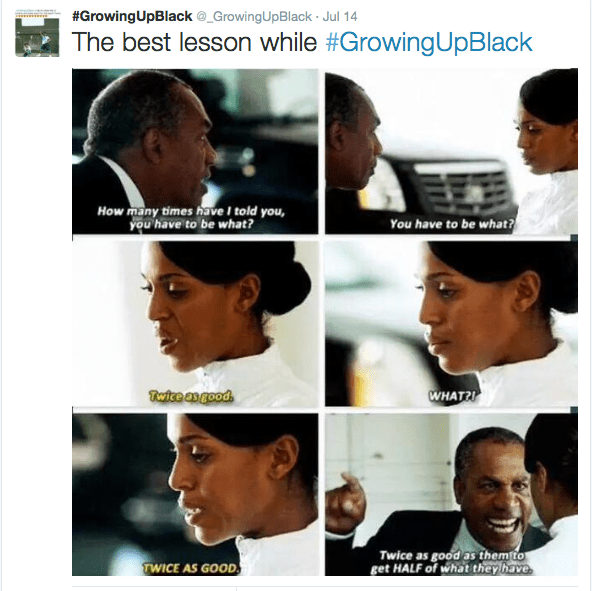
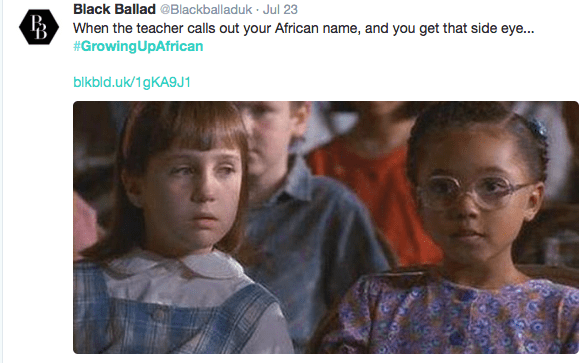
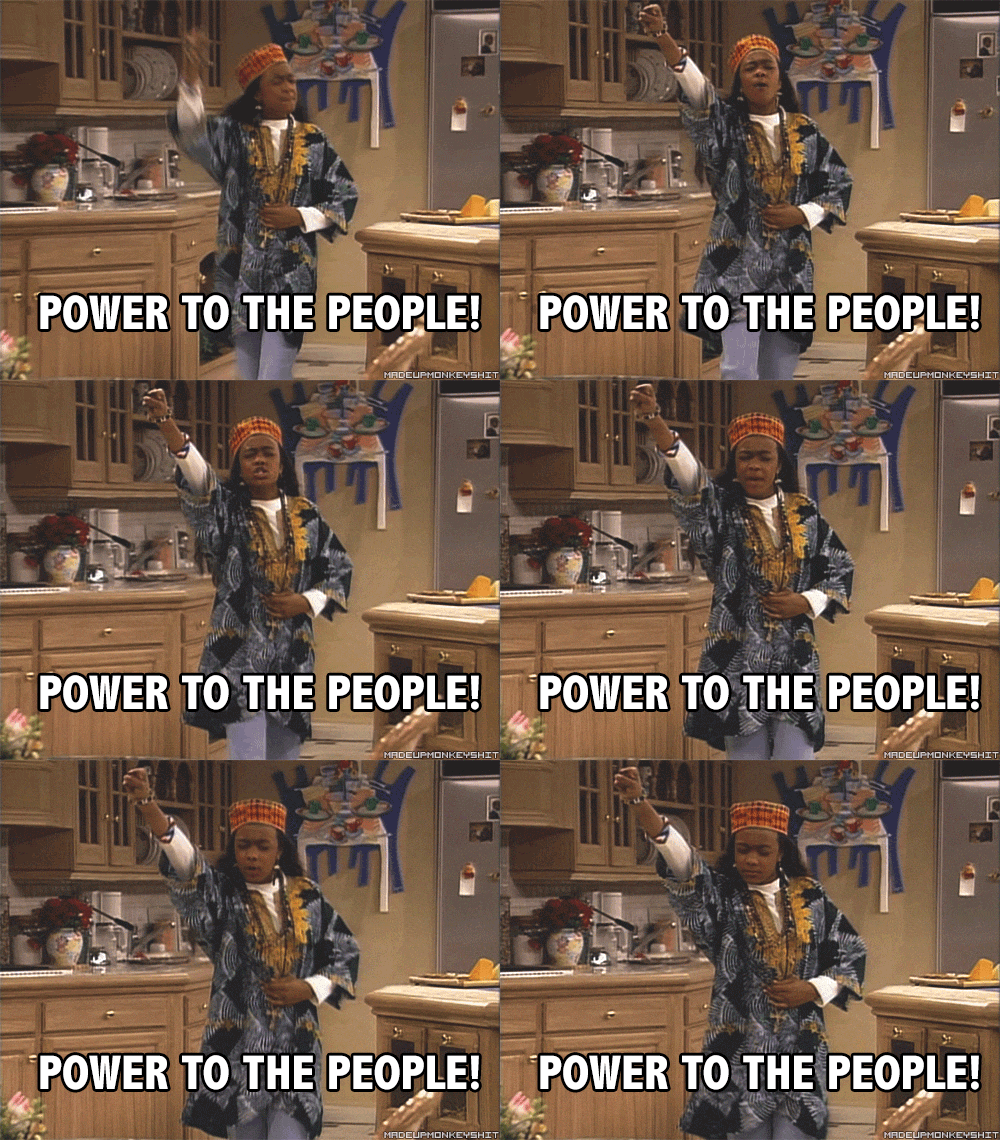
    I would like to propose that there are more similarities between Blacks and Africans then we are comfortable to admit. For example, a few months ago two hilarious twitter hashtags took place: #growingupblack and #growingupafrican. I’m not sure which one started first, but scrolling through the responses, it was self-evident that both groups have a similar sense of humor when they describe the challenges and fond memories of growing up.

    The strive for excellence…

    Dagny Zenovia: Dear Blacks and Africans, We Can Be A Winning Team

    Dagny Zenovia: Dear Blacks and Africans, We Can Be A Winning Team

    The unique names…

    Dagny Zenovia: Dear Blacks and Africans, We Can Be A Winning Team Dagny Zenovia: Dear Blacks and Africans, We Can Be A Winning Team

    The family responsibilities…

    Dagny Zenovia: Dear Blacks and Africans, We Can Be A Winning Team Dagny Zenovia: Dear Blacks and Africans, We Can Be A Winning Team

    The methods of parenting…

    Dagny Zenovia: Dear Blacks and Africans, We Can Be A Winning Team Dagny Zenovia: Dear Blacks and Africans, We Can Be A Winning Team

    We share similar struggles in aspiring for success and equipping our children with the tools and the strength to survive a world that does not support them. In spite of these challenges, we always save room for laughter. We enjoyed our upbringing and would not have it any other way.

    If you are interested in learning more about what connects Blacks and Africans, I highly recommend you view the documentary “Bound: Africans vs African-Americans” by Peres Owino (which is now available on Amazon and iTunes). I attended a screening for it earlier this year and met the director, who is just brilliant. She incorporates history, candid interviews, and storytelling to strip away myths that surround the tensions and barriers between Blacks and Africans.

    It Is Not Appropriation. It Is A Celebration.

    Dagny Zenovia: Dear Blacks and Africans We Can Be A Winning Team

    I am sure you have come across the article “Black America, Please Stop Appropriating African Clothing and Tribal Marks” by now. The responses vary from complete support, disagreement, or just unsure. The author claims that the people pictured attending this years AfroPunk Festival were appropriating African culture as a trendy style. She further tries to compare this with the appropriation Blacks complain about when non-Blacks wear Black culture as a trendy style.

    Blacks are not appropriating African culture. When Blacks speak against appropriation, they are referring to the historical and continued practice of non-Blacks in the USA using their style, culture, and ideas for profit without giving credit where it is due and intentionally skewing praise away from Blacks who are being themselves towards non-Blacks who are wearing Blackness as a trendy style. When Blacks dress to attend AfroPunk or incorporate motifs from different African countries in their style, they are paying homage to their royal ancestors. It is a sign of respect to wear African fabric, tribal markings, and cultural jewelry. It is used to create an independent connection to the continent their roots are from.

    I was discussing this topic with my family the other day and they offered a brilliant comparison. When non-Japanese people get tattoos with Japanese characters, does it degrade or dilute Japanese culture? Is that trend ever referred to as appropriation? No. In fact, Japanese character tattoos and Afrocentric style are examples of globalization. It is the result of having increased access to cultures and people. This is exactly why I feel that the amazing and creative styles that were showcased at AfroPunk this year were not appropriation, but a celebration of culture, people, and black excellence.

    Now that I have shared my opinion, you might be wondering where the source of my perspective comes from. My family is from Ghana, Liberia, and Switzerland. I was born in the USA and have lived here all my life. Thus, I am considered a first-generation, diasporan, and/or afropolitan. I like to think of these titles as part of a third group of people that have the insight and experience to bridge the gap between Blacks and Africans. We also tend to love discussing identity because we constantly have to define our own since it was not pre-packaged. I understand the challenges Blacks and Africans experience individually and collectively and see why both groups do not always agree. However, I also see the amazing potential Blacks and Africans could achieve as a winning team. Together our strength, resilience, creativity, and innovation are incomparable. We have been conditioned to never see value in ourselves and to throw shade before praise at anyone who looks like us. Hopefully with the help of globalization and the access to discuss these topics, others will be empowered to remove this padlock from their minds.

    What do you think about the relations between Blacks and Africans? Do you think globalization is helping or hindering the connections between us?