I wrote an article about Austin, Tx, the school-to-prison pipeline, and community-based programs. It was published today in The Austin Chronicle!
I started working on this story in January of 2013, while I was planning my master’s report. My research continued in the fall of 2013, when I took a graduate seminar, “The School to Prison Pipeline,” and monitored a variety of news outlets on this issue. My initial goal was to discover the solution to this problem and blow everyone’ s mind with this new angle. Subsequently, my focus lead me to community-based programs in Austin and showcasing what is happening on the ground to protect youth from the criminal justice system. From November 2013 through April 2014, I interviewed plenty of individuals, visited schools and program centers, added a lot of PDF research files to my hard drive, and found an angle that still spoke to my initial goal. I am grateful and very appreciative of everyone who shared their story with me, provided a resource, edited my paper, and exposed my article to a broader audience.
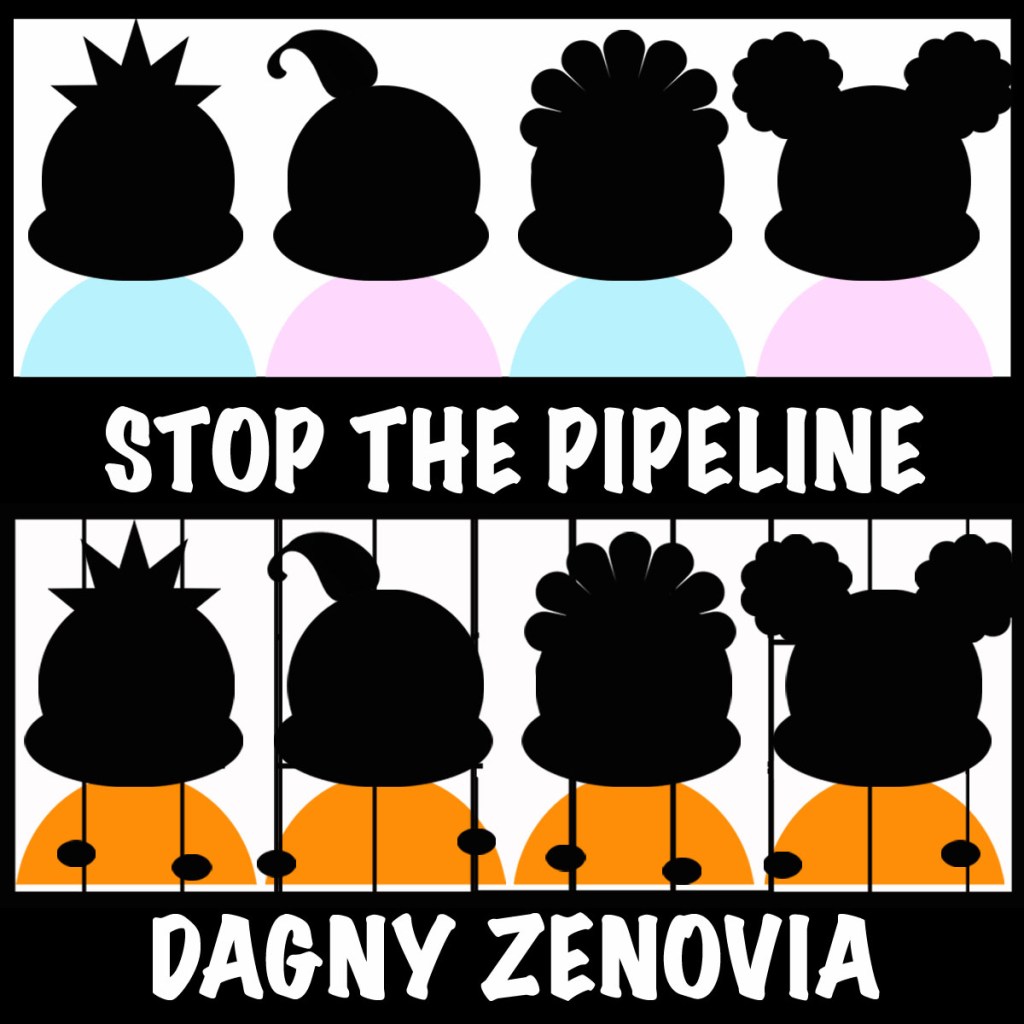
“Stop The Pipeline” is a music video, public service announcement, educational tool, and news supplement attempting to fill the gap between those affected by the school-to-prison pipeline and those who should be paying attention to the pipeline.
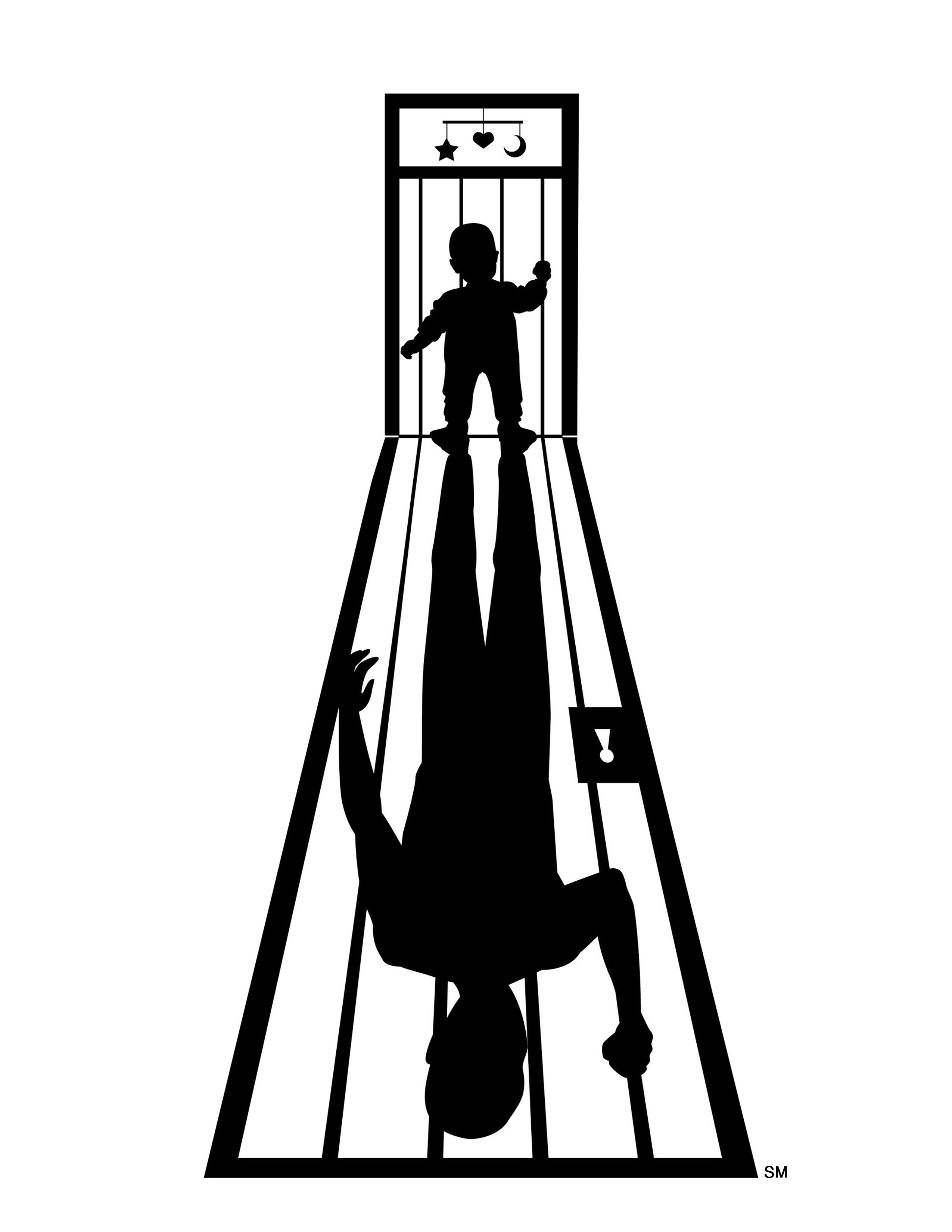
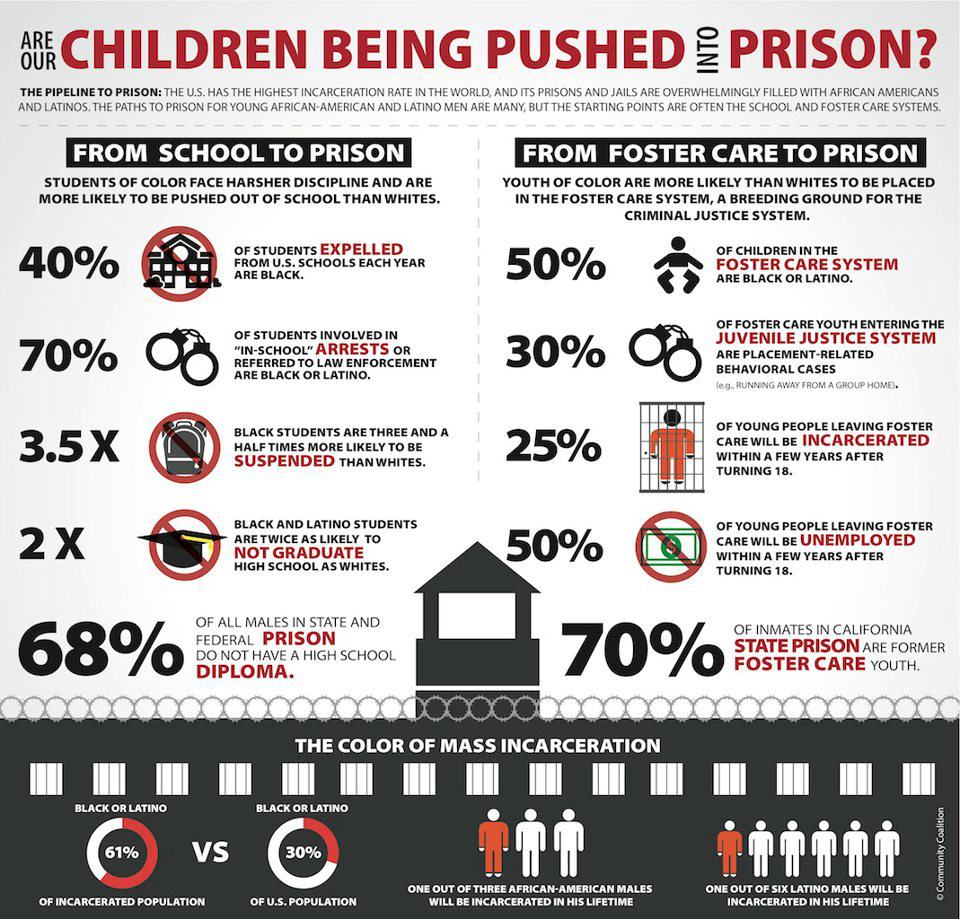
The purpose of my thesis, a.k.a. masters report, is to focus on the school-to-prison pipeline and the need to intervene with school discipline that pushes students out of the classroom and into the criminal justice system. It showcases services and programs in Austin, Texas, including Southwest Keys, Webb Youth Court, and Council for At-Risk Youth as examples for solutions. My report incorporates research and expert advice on the safety and well-being of students while advocating a need to change the policies and culture surrounding schools.
I am still in the process of pitching my report to news outlets and am hoping they will accept the article and video as a full news package.
This media project is my contribution to innovative journalism. A form of storytelling that connects viewers, educates listeners, and inspires all. I know initiatives like this tend to spur conversation, but I hope it also leads to action that really makes a difference.
In January of 2013 I decided to dedicate my thesis to the school-to-prison pipeline. I had noted an increase in conversations and news stories about this issue and I wanted to contribute to the search for a solution. At first I was not sure what aspect of the pipeline I would focus on, but I was convinced I would uncover the answer that no one had ever imagined. As I continued my research that summer, I noted that the majority of voices that were raising awareness about this issue were adult experts. The youth voice was usually casted as the victim or the face of evidence. I felt this agist gap needed to be bridged in order for progress to continue on the right path. I did not want my long-form public affairs news story to only be read by those who still subscribe to a newspaper, but also reach those who are directly affected by the pipeline. My creative side kicked in and started visualizing a civic media project to broaden the audience for my report and contribute to the conversation. In the fall of 2013 I included the media project idea in my proposal noting that I would write a full 4,000 word article as if there is no media – the curriculum does not list a music video as a multimedia option. My readers at the time agreed to it. One Saturday in December of 2013, I sat with my sister, brother, and mother to brainstorm the lyrics for my song. I had written a number of phrases to give the idea of the storyline I wanted to use. Together we created a rap, chorus, bridge, and spoken word segment. We also recorded a demo with GarageBand. It’s always fun to collaborate with my family when we have time. We are kind of like a combination of the Jacksons and the Huxtables with a pinch of loving-crazy.
I was not completely happy with the demo we recorded. Granted, this was the first time I had attempted to create an original song and I was a little hesitant in measuring if it was good or not. Thus, I stepped out of my comfort zone and reached out to strangers to take my project further. From January to March of 2014, it seemed everyone I spoke to were either busy or would disappear and not respond to a second message. In addition to this, my readers seemed to backtrack on their agreement with the video. They wanted to see footage with the first draft of my paper (due in February) and repeatedly noted that their expertise did not include critiquing music videos and they wanted to make sure it was not a form of propaganda. As a creative person, any slight negativity surrounding a project can kill my vibe. I was hoping my project would be seen as a step towards innovative journalism that future students could look to for inspiration. I wanted my project to move further then skim the surface of this issue. I somewhat understood their hesitancy, since this was the first time anyone in this program had attempted such an endeavor, but it would have been nice if they could have been a part of this project. Nonetheless, they were very helpful in editing my written report. I refused to allow this disappointment to detour my inspiration and decided to remove the video from my thesis report. Since I could see the video so vividly in my mind, I was determined to make it a reality. The main dilemma then was figuring out how to convince others to collaborate with me on a project that was not connected to an assignment or monetary source. Luckily, I was taking a second course, Critical Hip Hop Studies, with people who could see the value in my project. After discussing the matter, my professor agreed to accept the video project, along with a bibliography, script, etc, as the final assignment for the class. We also had a special guest, MC AtLas, speak to our class and give a lyricism workshop in the undergrad class equivalent. Along with her inspiring story and encouraging tips, I showed her my lyrics. She gave me some pointers on how to create a melody and noted that my lyrics were good. It was at that point I stopped feeling unsure about my new songwriting abilities. Things were looking up!
The week after Spring Break, I was scrolling through my twitter feed when I noted a tweet about Longhorns Hip Hop and SXSW. It mentioned a few UT students involved with the show. The only one that had a link to a website and portfolio was Avalon Gordon, whom I later learned is a talented, connected, and brilliant producer. I reached out to her on twitter about my project, we e-mailed each other more details, and she was on the team. I must admit that this project would have never gotten off the ground if it wasn’t for Avalon. She connected me to Jared Kinsler with SoundNoodle, who produced the music, posted the casting call, scheduled the film shoot, found the location, monitored our budget, put together a solid crew with a great director and gaffer along with my fellow video journalist Efren Salinas, introduced me to a brilliant editor, Karla Diaz, and was all around pleasant to work with. In one month – April – my project went from a page of lyrics and sketches to a polished song and music video. The way this project came together was amazing. I really am grateful to the cast and crew for contributing all of their talent and time.
*Update June 5, 2014: Published via The Austin Chronicle. View details.
Source: state.sc.us
For my master’s report, I will be discussing the school-to-prison pipeline theory in terms of it’s solutions. Most stories and documentaries about this issue tend to take the blame-route, primarily focusing on the types of children who are in trouble and the types of institutions that are to blame. I am currently taking a class about this theory and have read a variety of studies and stories about this issue. From what I have gathered, a lot of programs and legislation has been implemented to address this issue, but has not eliminated it. For instance, according to a Texas Appleseed report, Texas has decreased the population in state secure facilities by 60%, increased funding for community-based programs, and closed a few facilities. From this perspective, it looks like we have made a lot of progress in a short amount of time. In contrast, I visited a juvenile courtroom and detention center a week ago and sadly it was not empty. Observing the cases and touring the facility, I could feel my heart weep for all these youth who do not get a chance to tell their full story and are given an orange suit too quickly. I suspect there is a disconnect between the implemented solutions and the existing issue. To find the answer to this dilemma, I am interviewing individuals who have worked in education, detention facilities, and promising programs to dig deeper in what has been implemented and their take on what still needs to be done. I will also be using data analysis and research from a variety of organizations dedicated to solving this issue. This project will be a long-form article with a creative media component. If you or someone you know have a story to share about this or suggestions for resources, please comment here or contact me.
I was introduced to the term “afropolitan” while listening to an interview with author Taiye Selasi on NPR. She was discussing her recent book “Ghana Must Go,” and mentioned why she considers herself an “afropolitan,”:
“What distinguishes [Afropolitans] is a willingness to complicate Africa – namely, to engage with, critique, and celebrate the parts of Africa that mean most to them. Perhaps what most typifies the Afropolitan consciousness is the refusal to oversimplify; the effort to understand what is ailing in Africa alongside the desire to honour what is wonderful, unique. Rather than essentialising the geographical entity, we seek to comprehend the cultural complexity; to honour the intellectual and spiritual legacy; and to sustain our parents’ cultures.”
Her story and opinions caught my attention and I continued to research this term to see how it was received. It turned out I was a bit late in this discovery – there is a sophisticated magazine in South Africa, an insightful blog in the UK, a number of news articles, and a variety of exhibits and panels highlighting this subject.
With all of these outlets, the definition for an “afropolitan” seems to be up for self-interpretation depending if the individual lives in Africa or the diaspora. I plan to examine these interpretations and see where this search for identity and community could be taken a step further. At the moment, this project will be a short documentary with a supplementary op-ed piece.
If you or someone you know identifies with the term “afropolitan” or have an opinion you would like to share, comment here or contact me.
I am pleased and ecstatic to announce that I am interning with Munaluchi Bridal Magazine, an online/digital/print magazine that caters to women of color for weddings, style, and culture, for the next 6 months. Contributing to their Travel Tuesdays series as well as their real wedding showcases, I will be working as your romantic-travel-correspondent and African-music-guru.
Subject: Due to climate change and human habits, Texas’ access to water is gradually entering a danger zone. The Texas State legislature is currently in session and have a number bills regarding the environment to attend to. Working with a group of individuals, including journalists, advocates, and representatives, I am conducting research and interviews for three long form articles. Our topics focus on the organizations dedicated to water protection in Texas, the alleged tension between Texas and Mexico for water access, and the people who are directly affected by the lack of water infrastructure in Texas.
Publisher: Working with an editor at The Dallas Morning News.
Posted: Article still in progress. If you have experience with this topic or know of anyone who would like to have their story told, please leave a comment below or contact me. Thanks in advance.
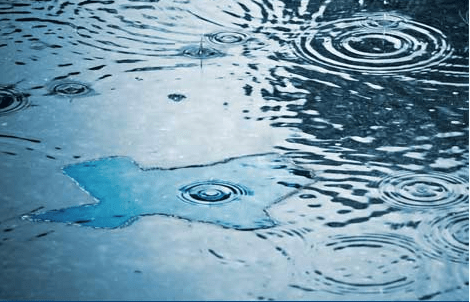
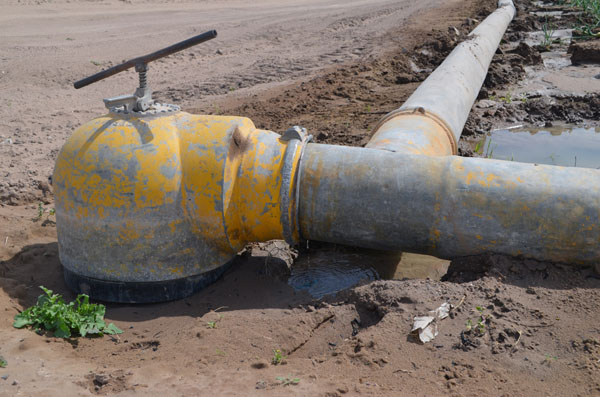
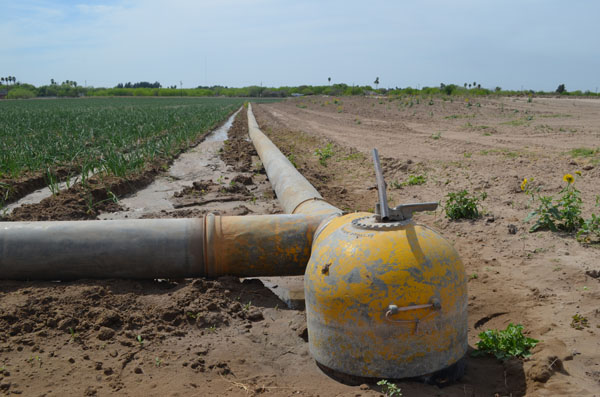
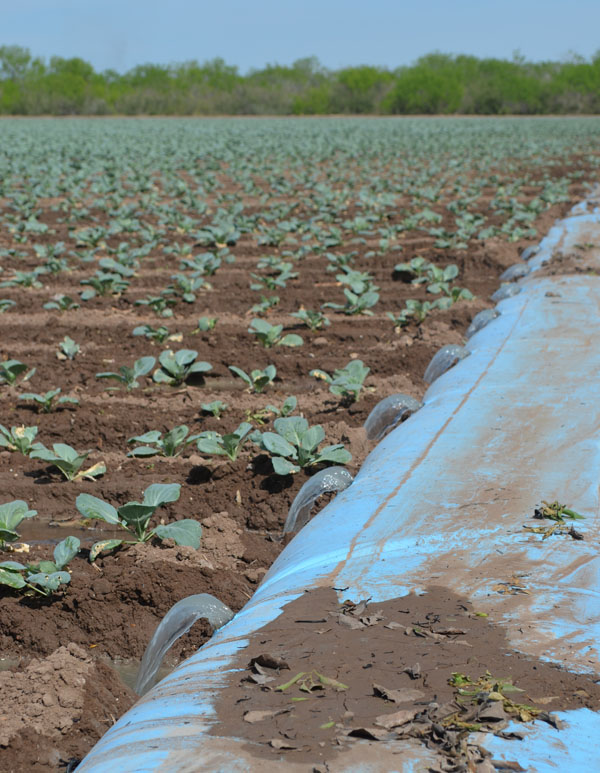
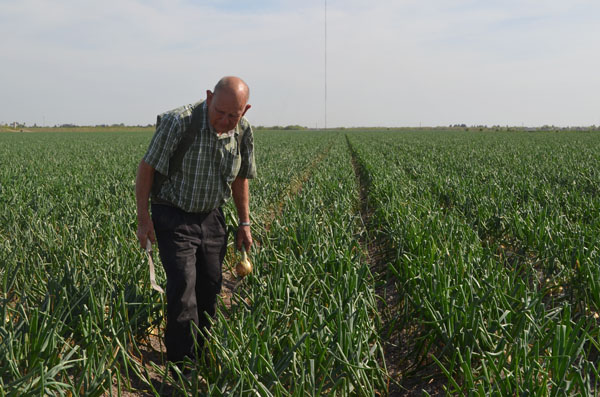
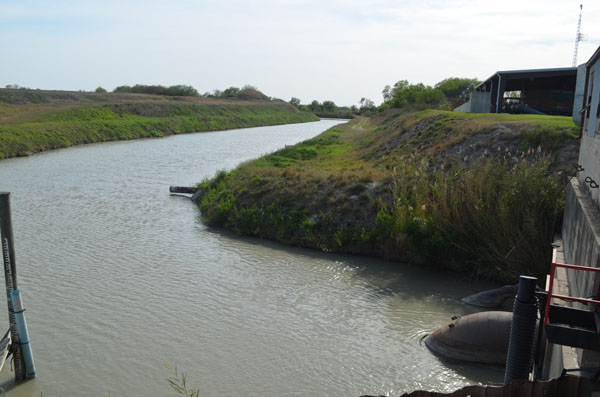
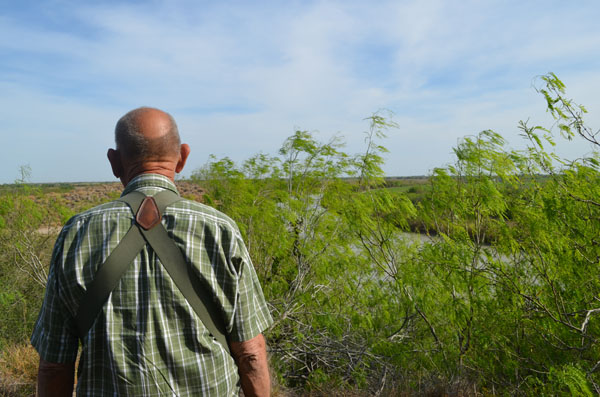
Update: The articles worked out beautifully, but publishing seems nonexistent. Thus, I would like to share some of the photos I took for our story on the water tension and debate between Texas and Mexico. These photos were taken in South Texas in Harlingen.














 Dagny Zenovia