
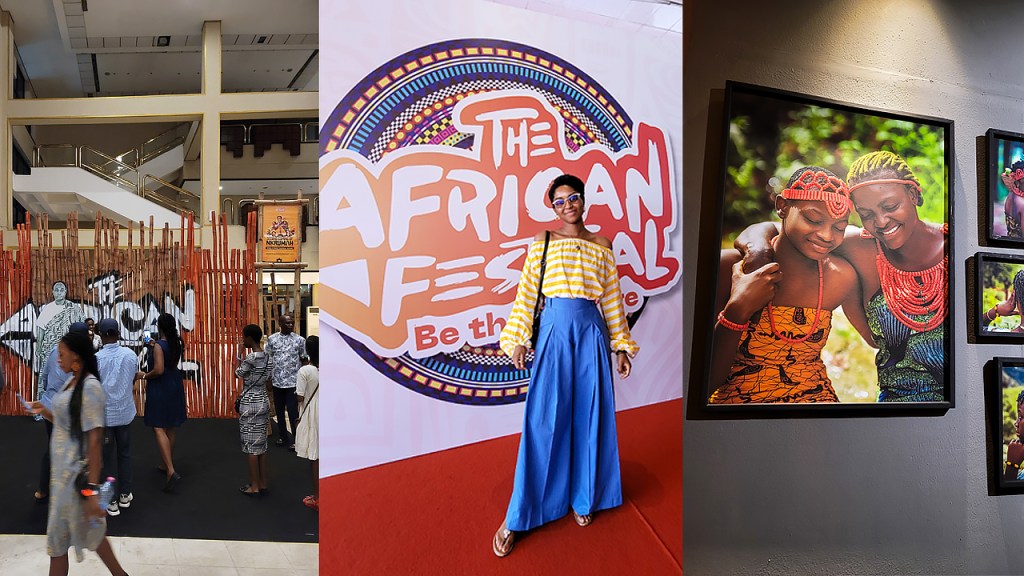
Let’s have a different type of Detty December, shall we? I took the time to connect and search to create a schedule of events and programs that resonated with me. From panel discussions, cultural showcases, and community initiatives, I feel the time was worthwhile. As a disclaimer, some of the events were free, some I was invited to with a free ticket, and some I purchased a ticket. Compared to the last time I indulged in Ghana’s December season (in 2019), I am encouraged to see more variety in programs, events, initiatives, and people. This is something a lot of people were commenting on back in 2019 and I’m glad to see more people show up to make that happen.
Now let’s elaborate on the recap
The MoneyHub Business Summit
First, the MoneyHub Business Summit. The event was very well organized. You know how some events can be a lot of talk with no substance. This was the complete opposite. The speakers shared relatable insight and the community was like-minded in networking priorities.
Disclaimer: I was invited with a free ticket.
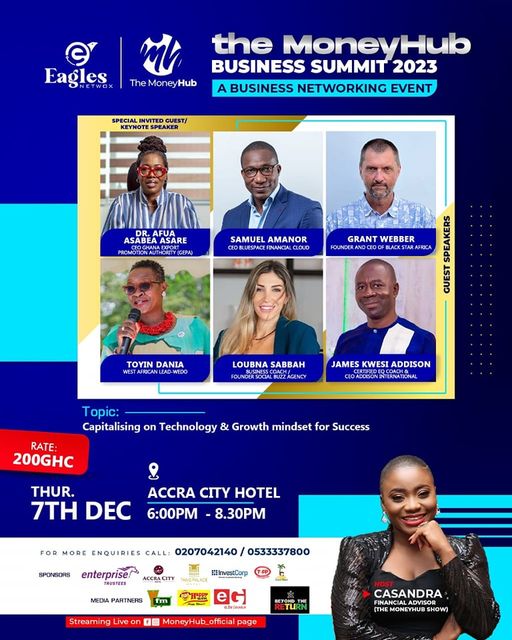
Here are some gems I picked up from the speakers:
- Always keep learning.
- For business in Ghana, focus more on private individuals for building and investments, instead of the government.
- Build it first. Take your time to grow. The team and collaborations come later. You don’t need an office or aesthetics to be successful.
- With your service, product, network, or mentorship: focus on how you contribute to save time and provide a good time to others.
- Be vulnerable. Teach someone. Allow someone to teach you.
Journey to Womb Wealth and Wellness
Next, Journey to Womb Wealth and Wellness with Travel Deeper Inc. This session was focused on fibroids. We had insightful and impactful conversations, empowering testimonies, breath work, affirmations, and a delicious meal.
Disclaimer: I purchased my ticket.
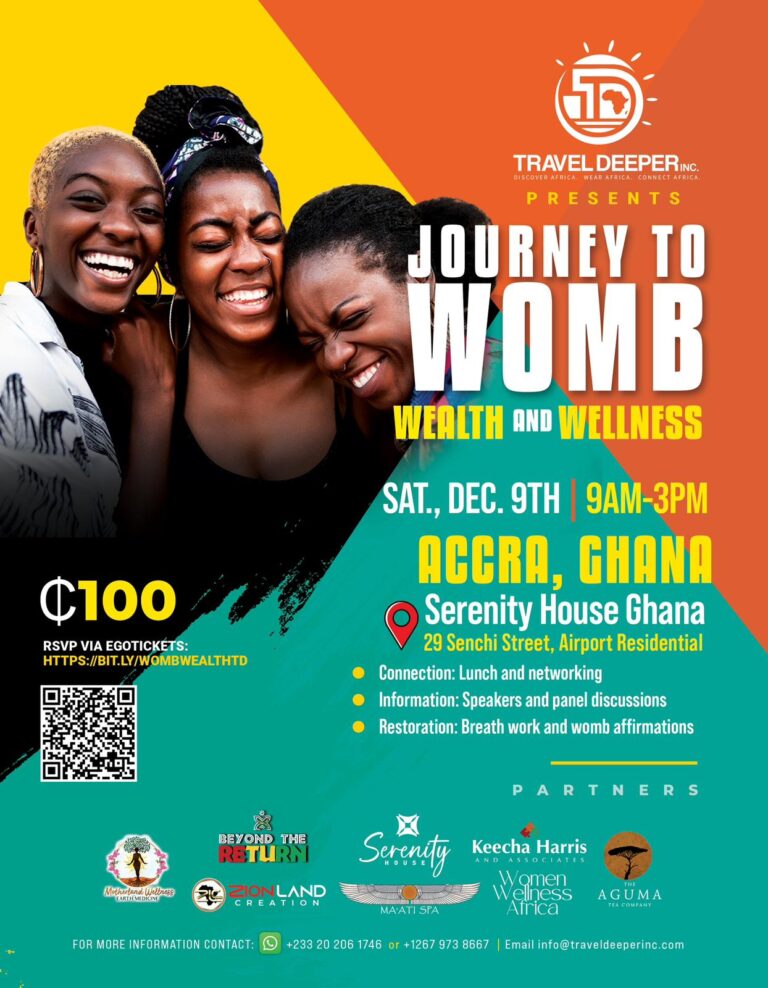
Did you know there is advocacy happening here to raise more awareness and resources for fibroids and grow past stigma? Whether its medically, holistically, traditionally, or all the above, people are taking their power back and sharing the knowledge.
I feel really encouraged events and communitites like this are developing and taking more space here. It’s needed.
Ladies First: A Hip Hop Brunch
The Ladies First Hip Hop Brunch with Crescendo Foods was cool. Three lady chefs prepared a 6 course meal inspired by lady hip hop artists. We also got to jam to a lady hip hop playlist. This was a unique experience.

Wood x Watta: Afro-Caribbean Business Brunch & Art Show
This event featured multiple panel discussions, art exhibit, and networking
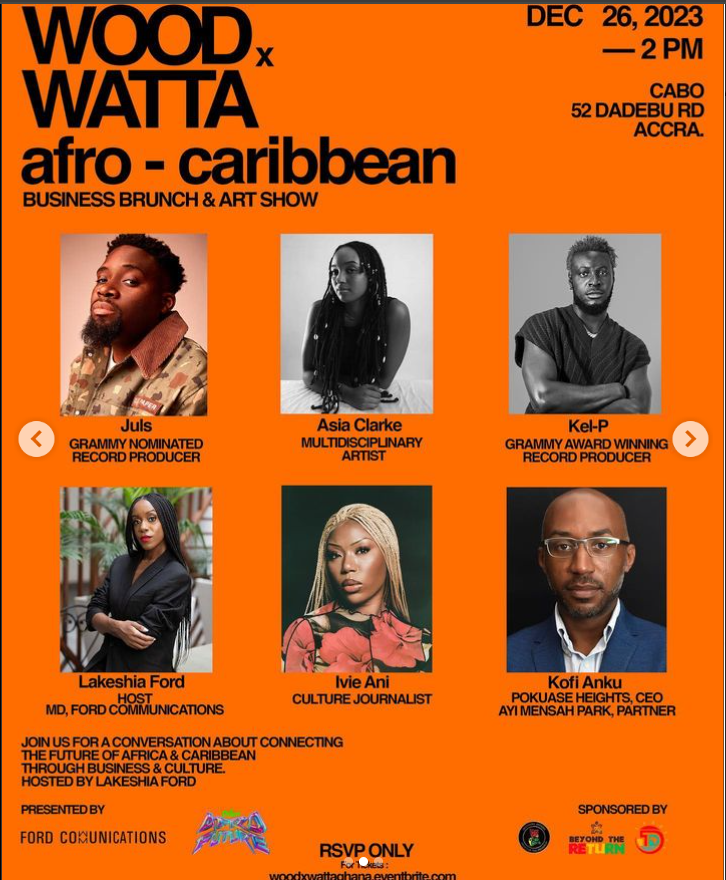
The main gem I picked up: We now are more knowledgeable of the data and evidence for what we are capable of, what our value is, and the limitless possibilities. We are removing the middle men and obstacles. We are doing all of this slow and steady. I really appreciated the initiative and mindset.
For example, during one of the conversations focused on real estate, I noted how the main customer base developers are relying on are Ghanaians living in the Diaspora. This developer and their team made an intentional effort to create a database for this to understand who to target their marketing and who to build for. I found this interesting because since 2019, most of the rhetoric for selling to and marketing to Diasporans have been for people who are not from Ghana. As in, making the claim that all the rising in buildings, events, and prices are due to African Americans, Caribbeans, or others coming to Ghana. On the ground, I have noted this is not the case when it comes to who is living in these new apartment buildings…even when some of them remain empty for some time. So, it was refreshing to hear developers here be honest about what the market actually is.
Additionally, it was at this event they announced the launch of the Ghanaian Jamaican Chamber of Commerce. Proving there is more being done to bridge the gap in business, culture, travel, etc between these two countries.
Pure Persona Relaunch
This woman-owned business started as a natural hair care line. With this relaunch they are expanding as a lifestyle brand with a new tea product. This event was a combination of a product launch and photography exhibit. The theme focused on self-care in a woman’s sanctuary.
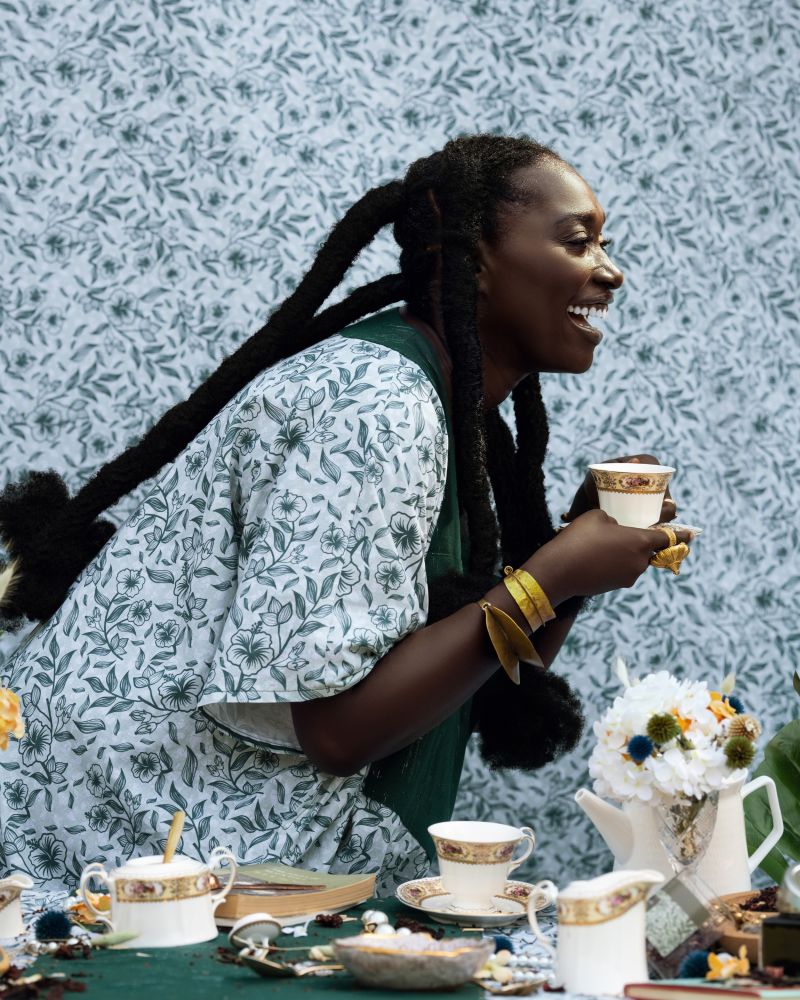
These are some of the gems I picked up:
- Celebrate and respect wellness practices, giving credit to the originals who invented them.
- Self-care looks different for everyone. In this collaboration, the photos showcase women in their sanctuary. Community activities, like weaving together, cooking together, or dancing together, are considered self-care. or a labor of love. It is very different from meditating alone on a mountain in Narnia.
- Give yourself permission to expand in every direction your heart desires. It all connects.
The African Festival: The Second Coming of Kwame Nkrumah
This was one of the most enjoyable experiences for me. It was a spectacular production. I really appreciate the initiative and intention. It was a wholesome event for all ages.
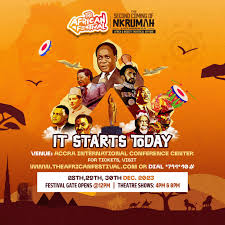
Ok, the plot. The gods request for Kwame Nkrumah to come back to life to save Africa. We see all the freedom fighters in the underworld strategize for this and one by one convince Kwame Nkrumah to accept the request and go. He comes back to life and establishes the United States of Africa. But can a leader who is selfless truly succeed?
Now, this next part does include spoilers for the play. If you don’t want to know what happens in the story yet, skip this next part, please.
Cool, right? The play had history, culture, and comedy. It also planted intentional seeds. I loved how they connected generations and interacted with the audience throughout the play. Kwame Nkrumah had an assistant, who was supposed to also be his bodyguard, who provided most of the comic relief and connected with the audience. He primarily spoke pidgin and would ask Kwame Nkrumah the questions others would feel too embarrased to ask. I thought this was very important because it shows the future and support for Ghana and it’s people is not only restricted to those who speak “big big” english.
They also had a great scene where these two characters were debating which generation had better music. So, they decided to have a competition and the audience must vote. Kwame Nkrumah sang with the band, including songs by Bob Marley and Osibisa. His assistant sang with the band, including afrobeat songs that are being played on the radio now. The audience sang along to all of it, but, of course, voted for the assistant.
Through out the story, we see Kwame Nkrumah surprised or disappointed by what he sees is happening in Ghana today. Once he established the United States of Africa, he hosts a dinner celebration and chooses to invite the Queen of England and a representative from the US. Of course, at this dinner, there is an assassination attempt and his assistant is killed. This causes Kwame Nkrumah to return to the underworld. We see him talking with the other freedom fighters. He is very upset and saddened. Noting that again, he tried to help Africa, and again they tried to kill him. Each of the freedom fighters remind him of why he is the only person out of all of them who can make the difference Africa needs. It is a really powerful and important scene as they each share the history they each contributed to.
In addition to the play, the venue was transformed with exhibits and replicas of African landmarks to take photos with. There were also camels.
For me, this was the highlight of my entire December in Ghana experience. Every detail of this production was intentional, organized, and impactful. I really loved the message. If they end up touring or coming back to Ghana, please make a point to see this and support. It is well worth it. I would see it again.
I, Dagny, DJ
Yes, it is true. I DJ. Actually, I started DJing a while ago, but this is the first time playing publicly and consistently. I share more on that story in the video below. At the moment, I am focusing on Kizomba music. I kind of see this music as another illustration of Pan-Africanism. Music from different parts of the continent and Diaspora.
I’m grateful to the social dance community in Accra who have been open to me playing at their social parties. They have been very encouraging with tips, opportunites, and equipment. It has also been fun creating my signature DJ style and introducing them to new songs, plus witness what people enjoy to dance to.
Just to think, 2 years ago (in 2021) I was introduced to Kizomba dancing in Accra by a stranger. Then, 1 year and a half later (in 2023) I’m traveling to Benin with the Kizomba community to my first dance festival. This year (in 2024), I am DJing at Kizomba parties and my name is on flyers. I’m encouraged to see how this experience continues to blossom.
If you would like to hear some of my mixes, I upload them on mixcloud. I’m also experimenting with posting videos of me practicing with different genres on Instagram (possibly later YouTube). Next, I’m interested in exploring how to produce mashups and remixes.
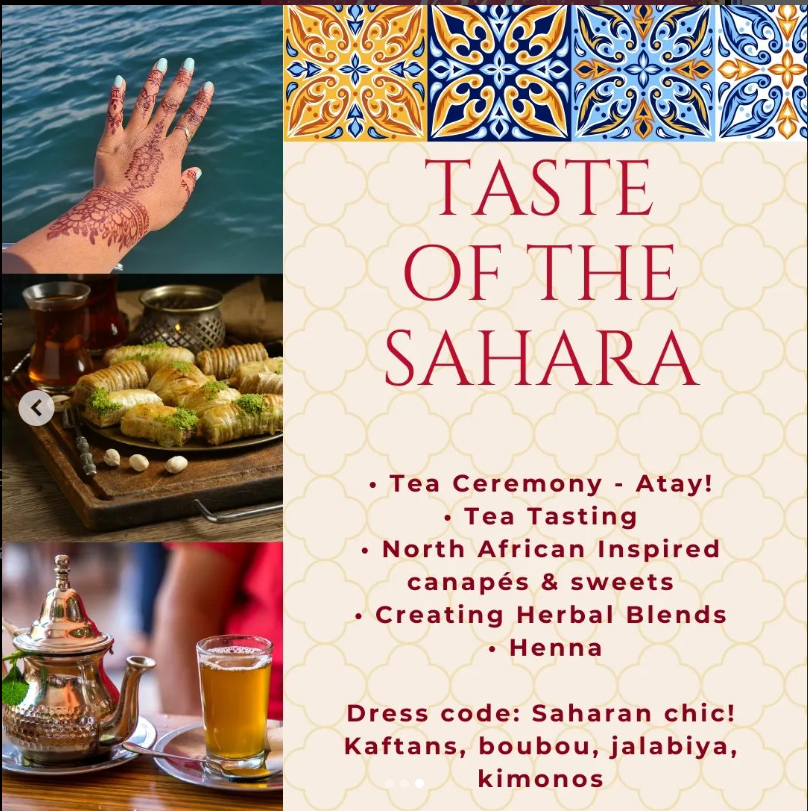
Aguma Tea: Moroccan Tea Tasting
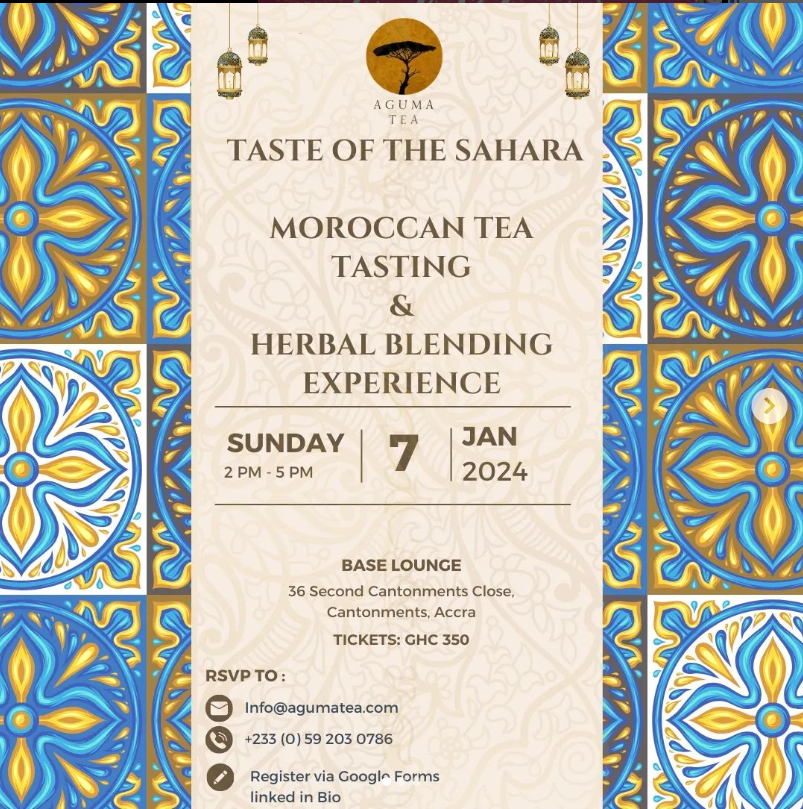
My final event was a Moroccan Tea Tasting with Aguma Tea. This was my first time at a tea tasting. We learned about the benefits of different herbs and created our own tea. We also sampled different teas from Morocco. It was a lovely way to spend a Sunday afternoon. I also loved the theme.
Overall, I enjoyed myself. Which was your favorite event? Let me know in the comments. I always love hearing from you.





















 Dagny Zenovia