
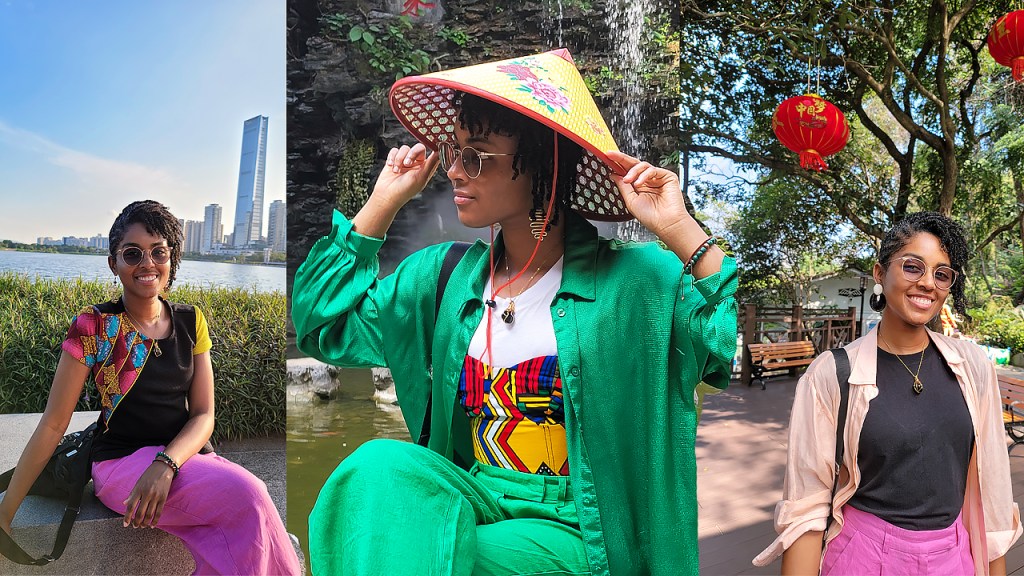
So, do you want to hear about that one time I became a ninja? A few months ago, I visited China. This was my first time in Asia. The trip was awesome. I felt like I traveled to the future. We packed a lot of adventures in 9 days.
Now, before the person behind you reacts with anti-China propaganda, may I ask you to please be respectful and curious about what I’m sharing with you. Fun fact, I served as the editor for an online publication called Africans on China a few years ago. I learned a lot while editing and posting content, training African university students in editorial writing, and interviewing Africans with experience in China. It gave me a glimpse into how Africa – China relations are evolving beyond government agreements.
This trip added another layer of curiosity for me to see the room for improvement and what can be leveraged to create win-win situations. In this post, I share a recap of my trip and elaborate on my reflections about Africa-China relations.
So, let’s get into it. Shall we?
First, the trip. We started in Shenzhen.


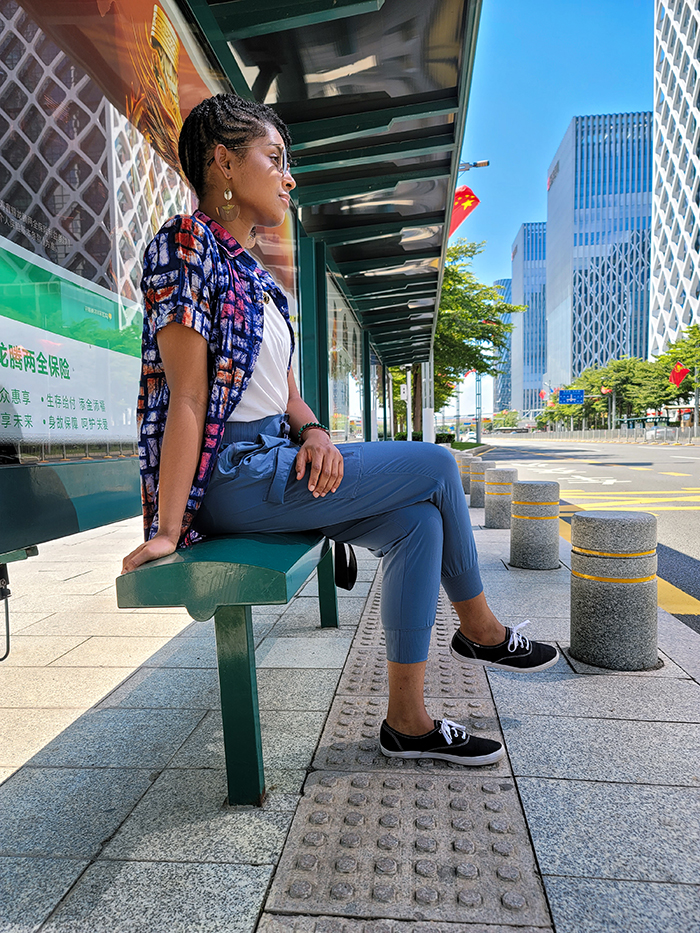

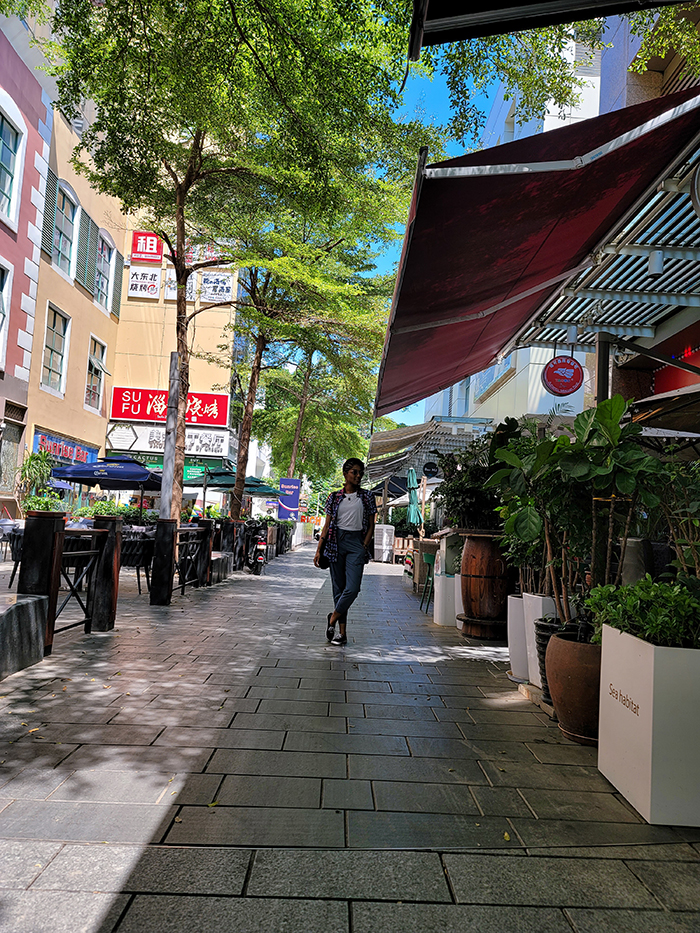
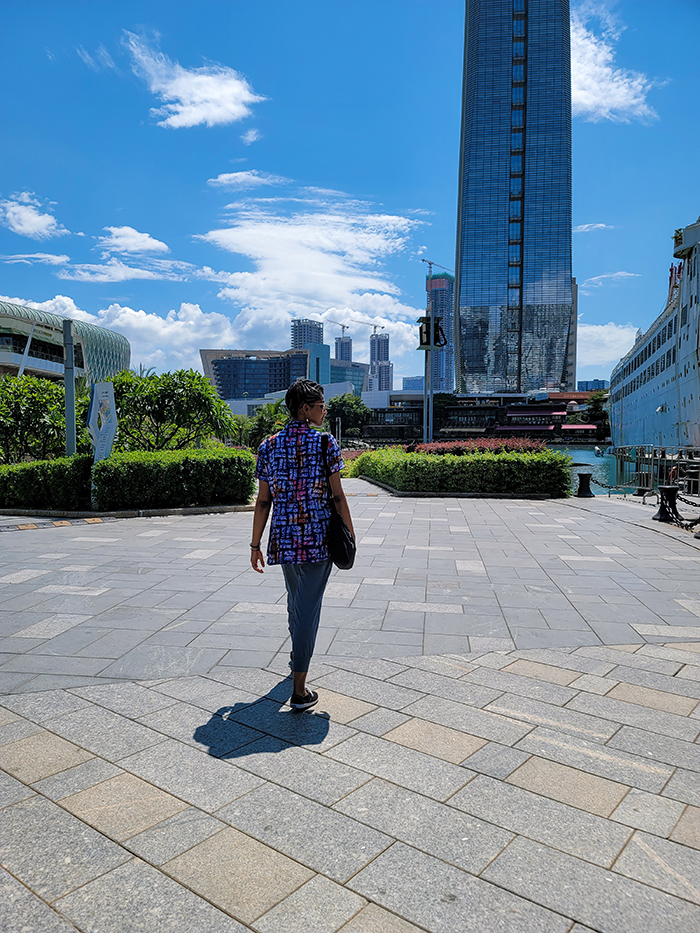

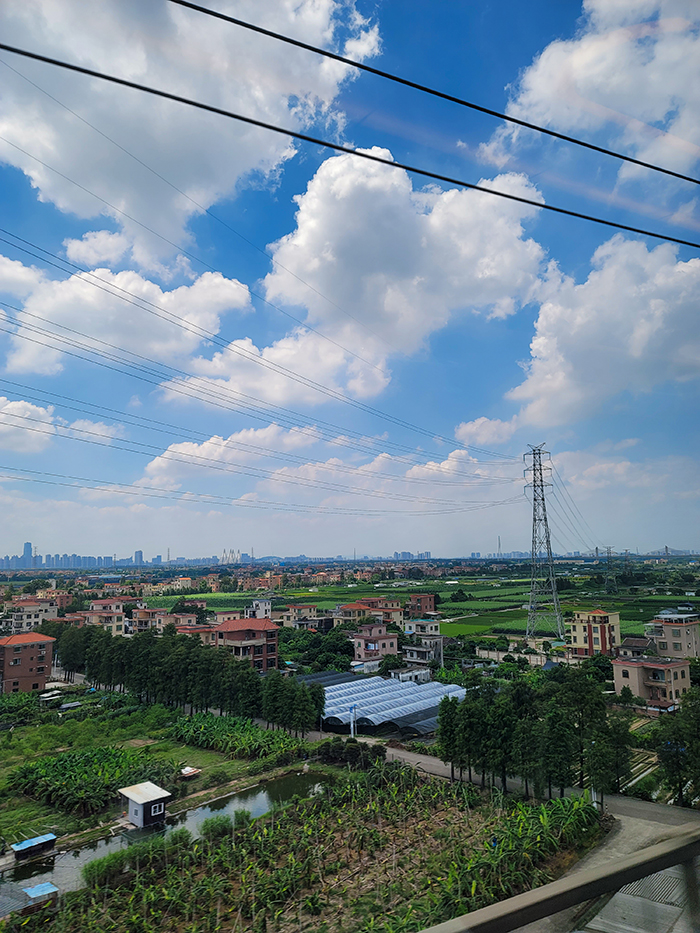
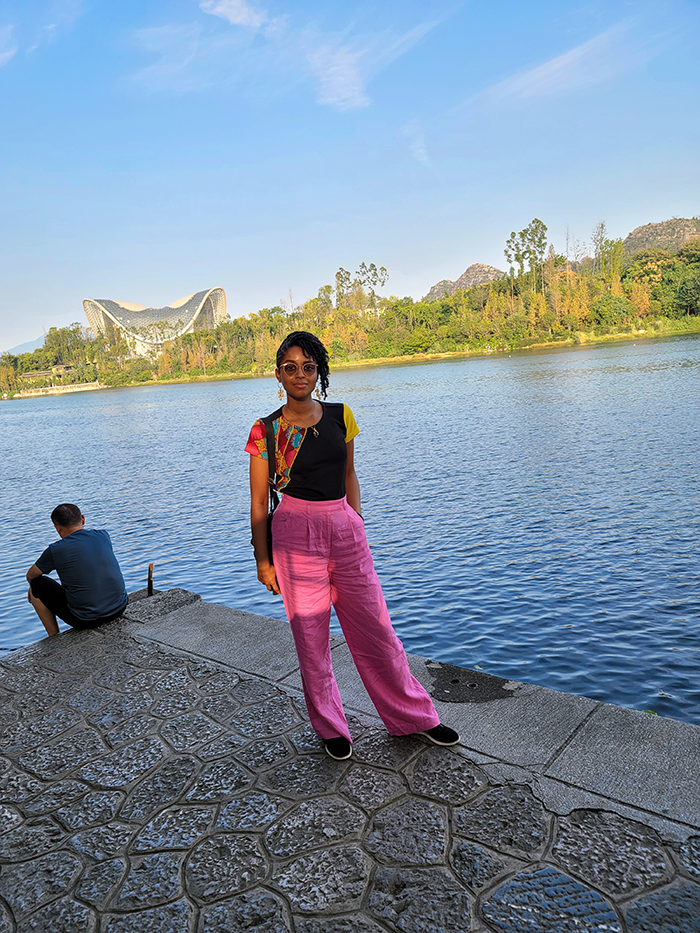
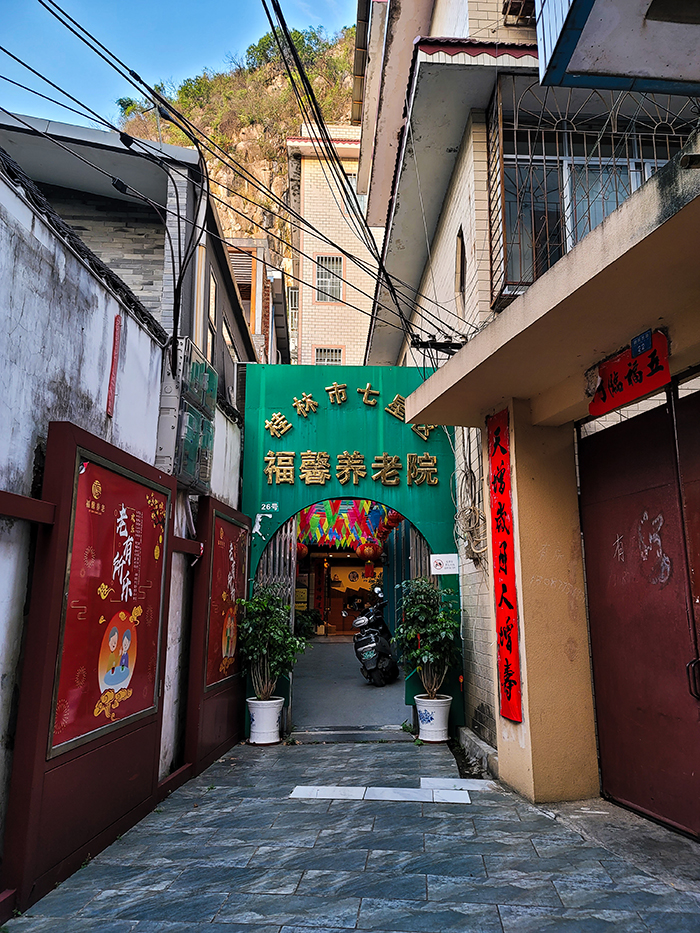
Next, we took a trip to Guilin.
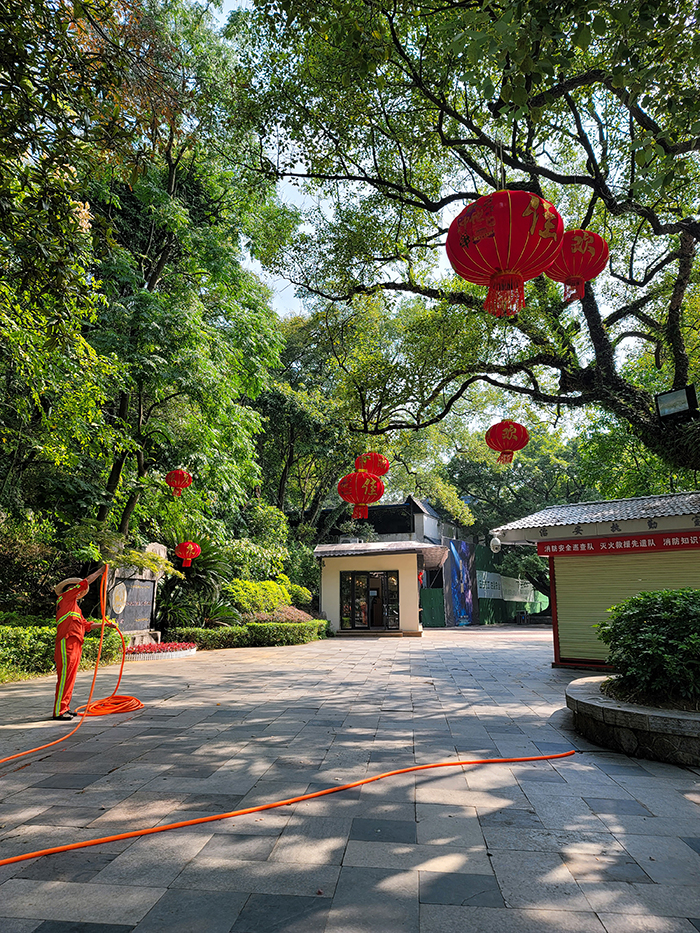
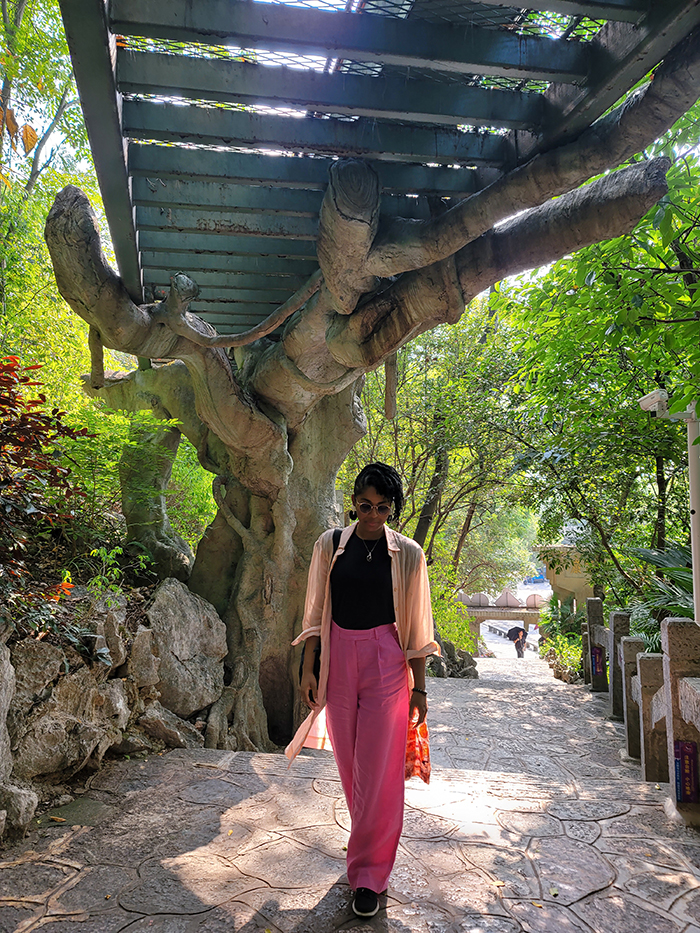
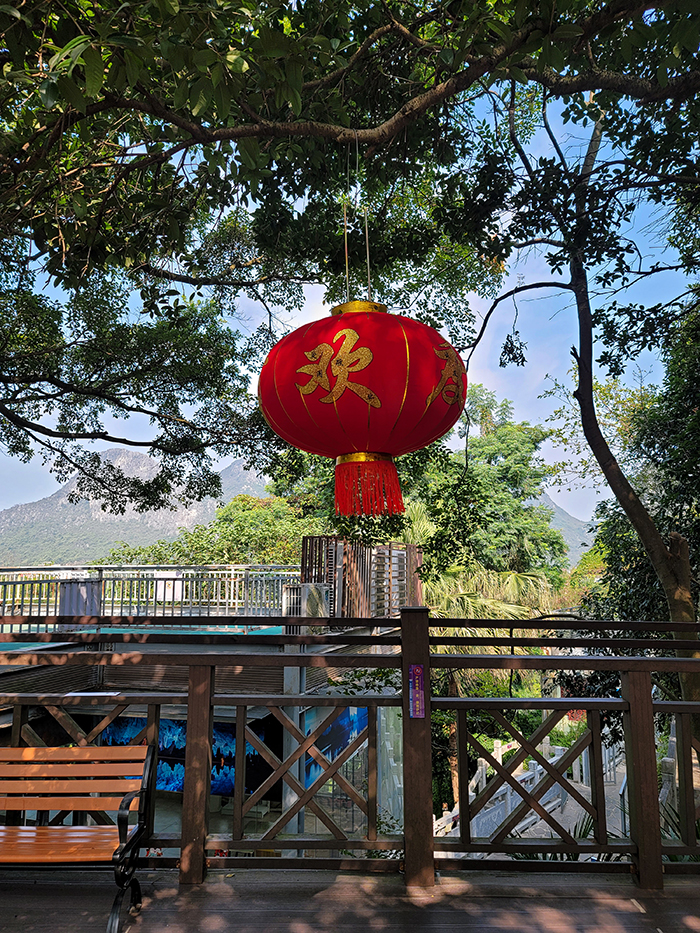
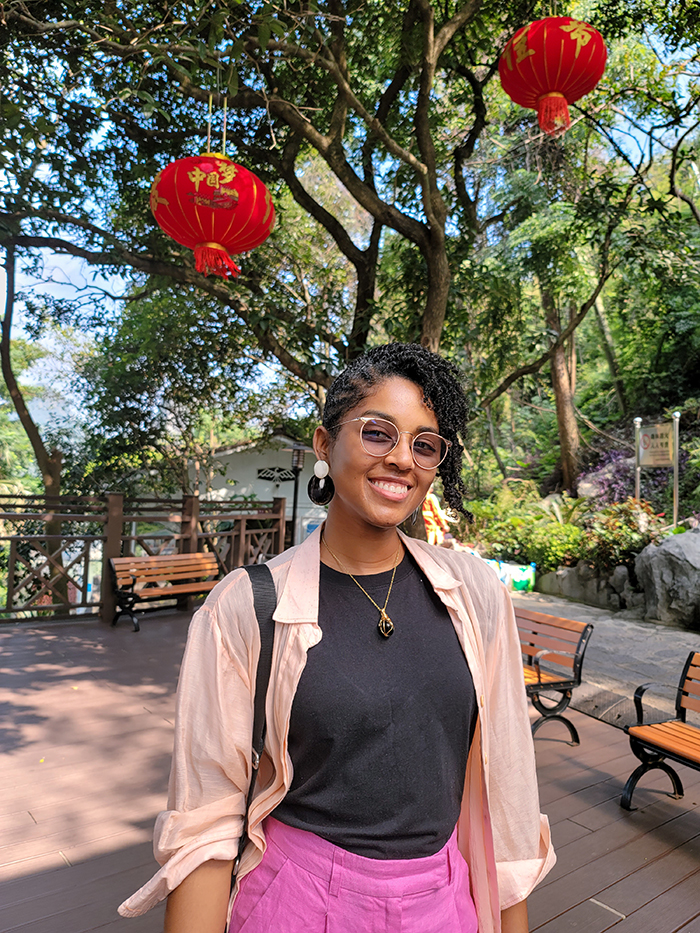
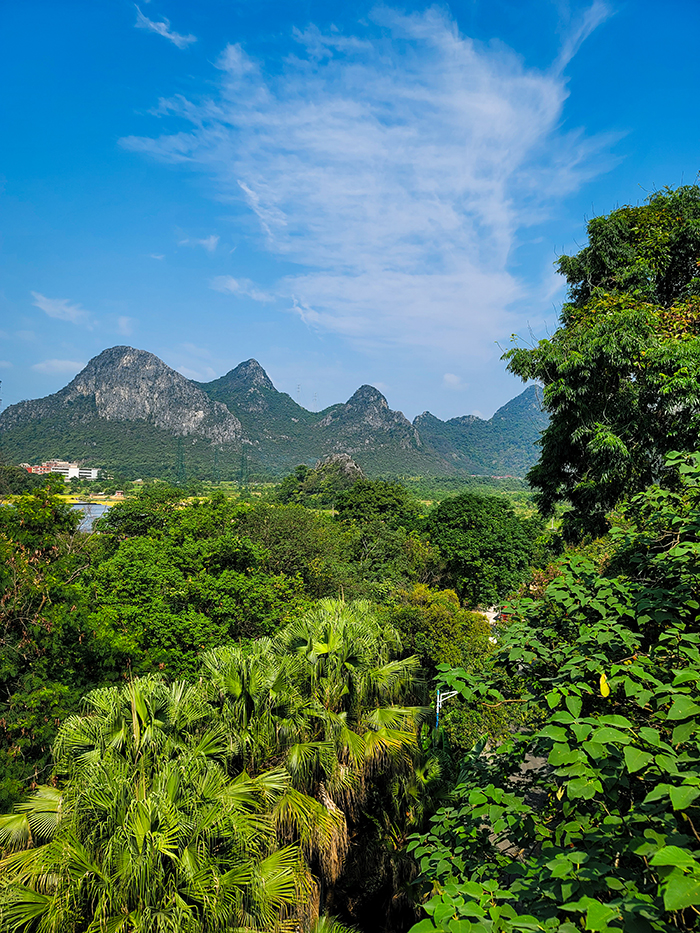
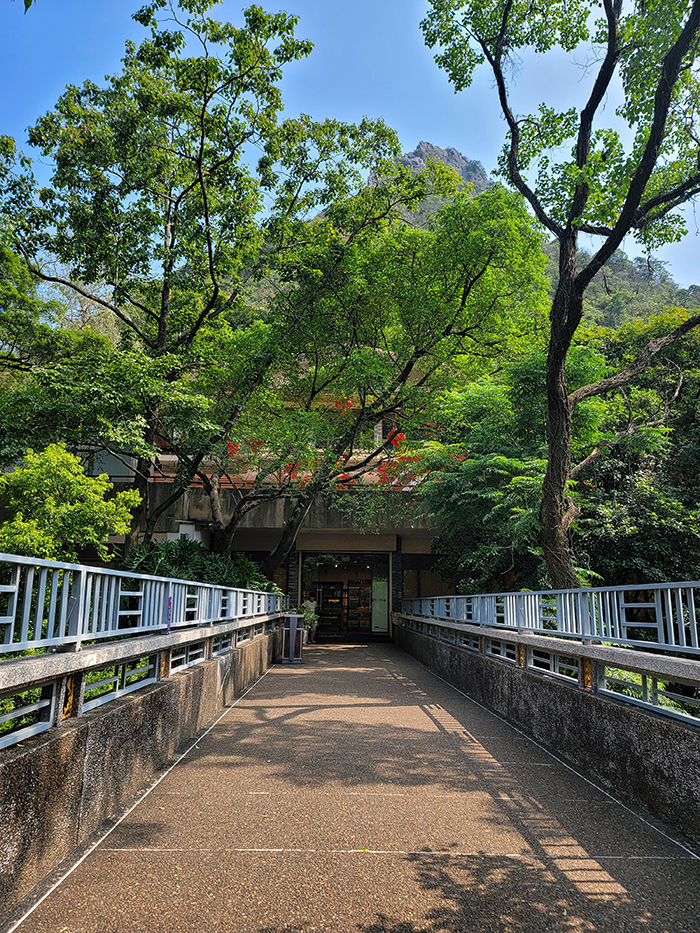
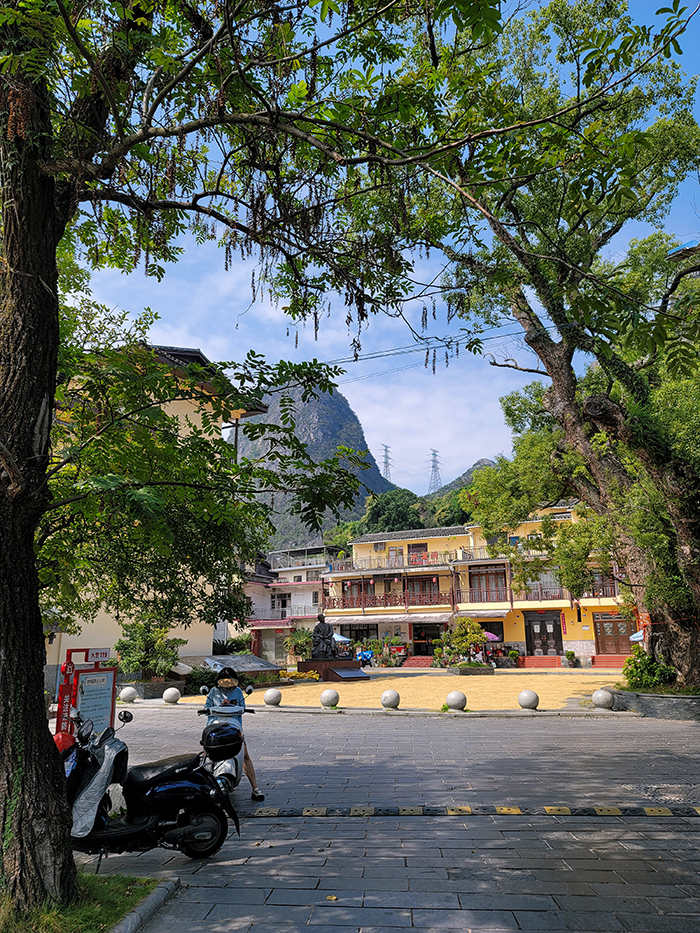
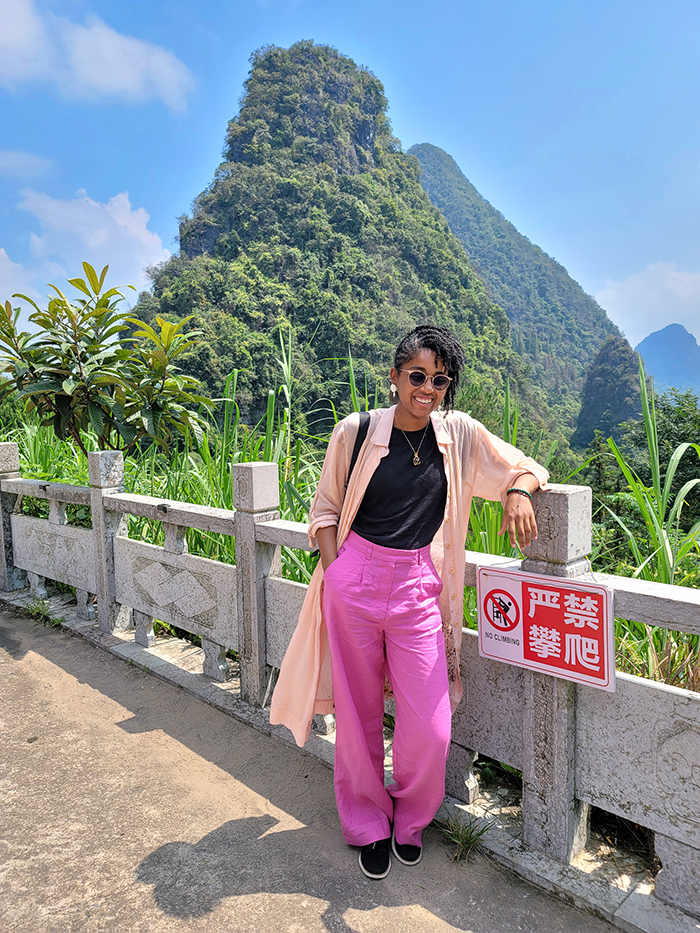


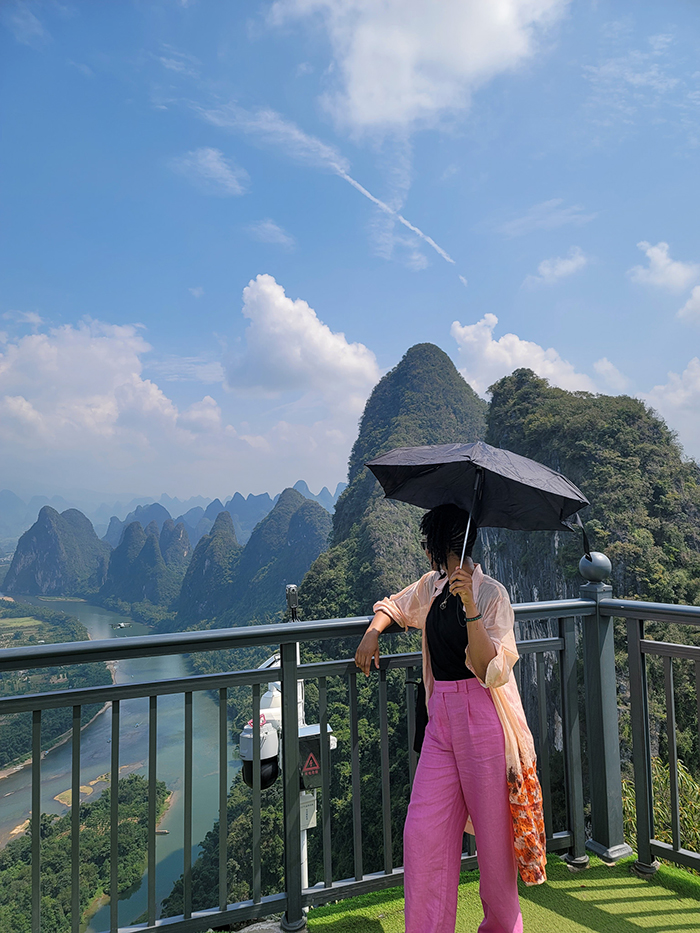

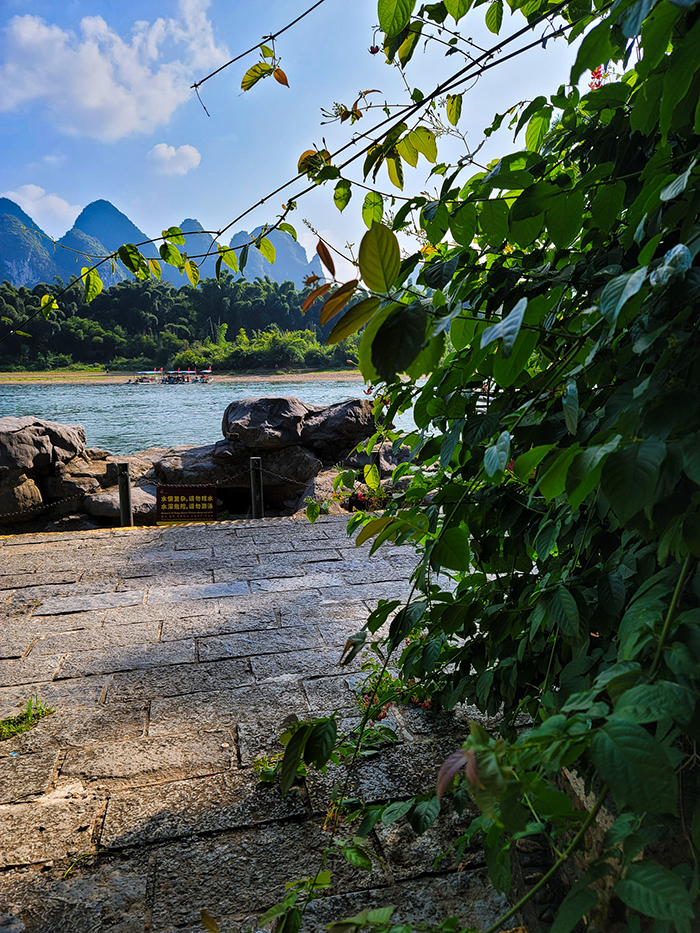
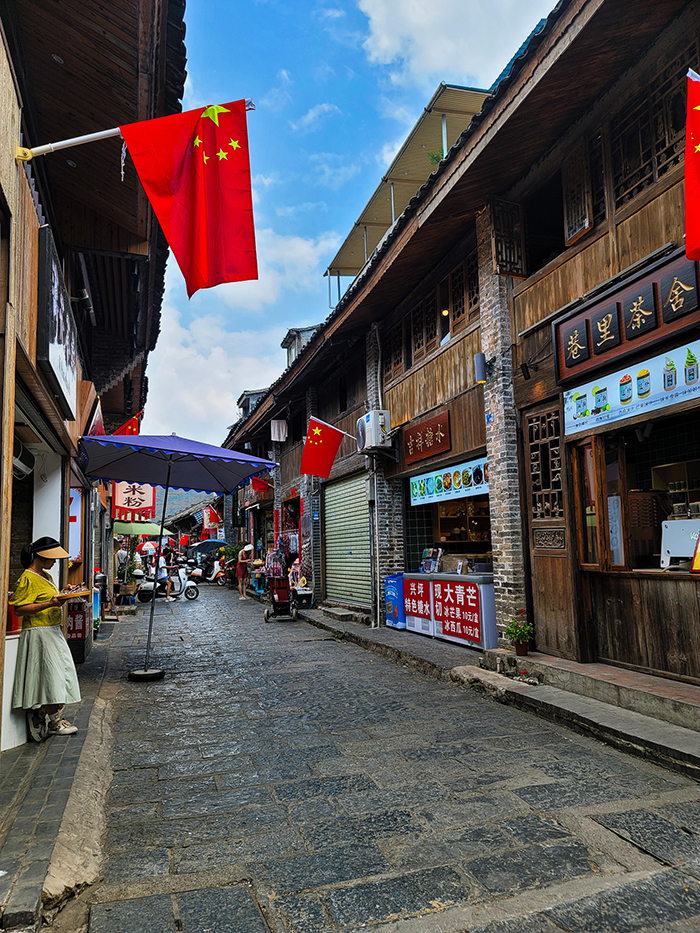
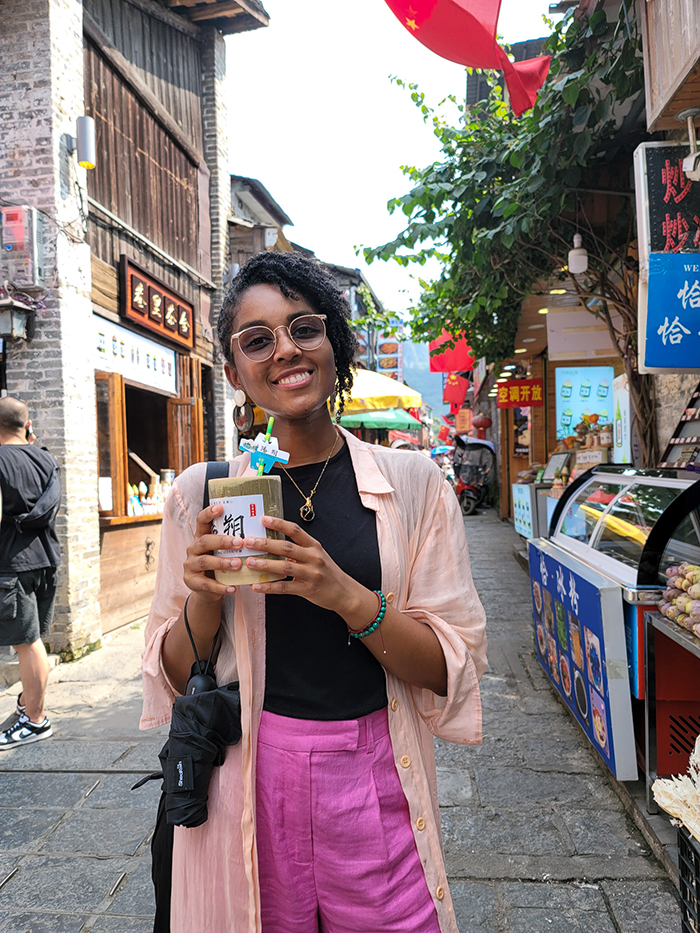
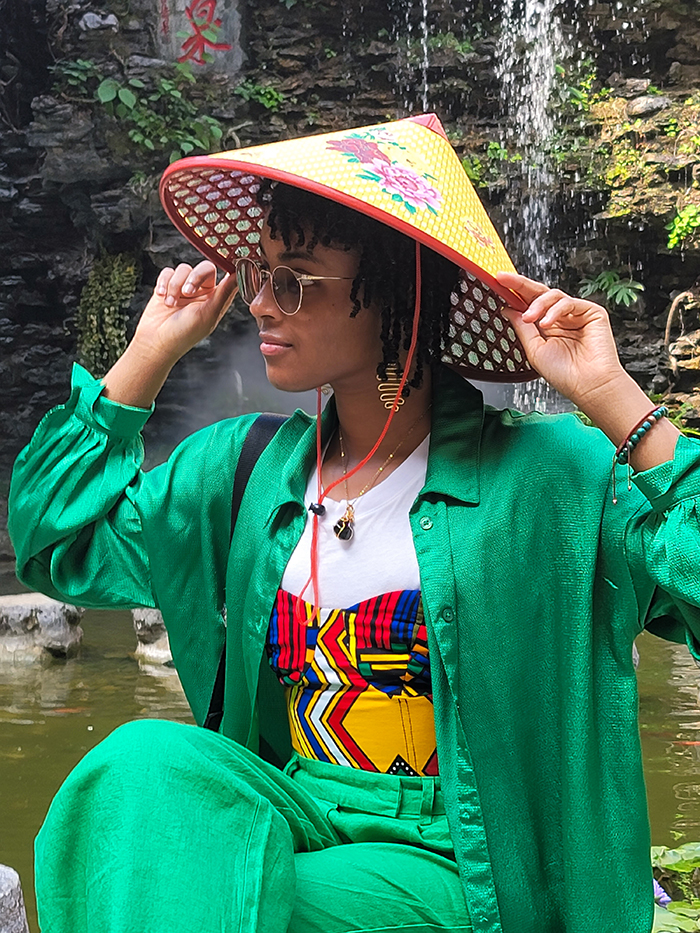

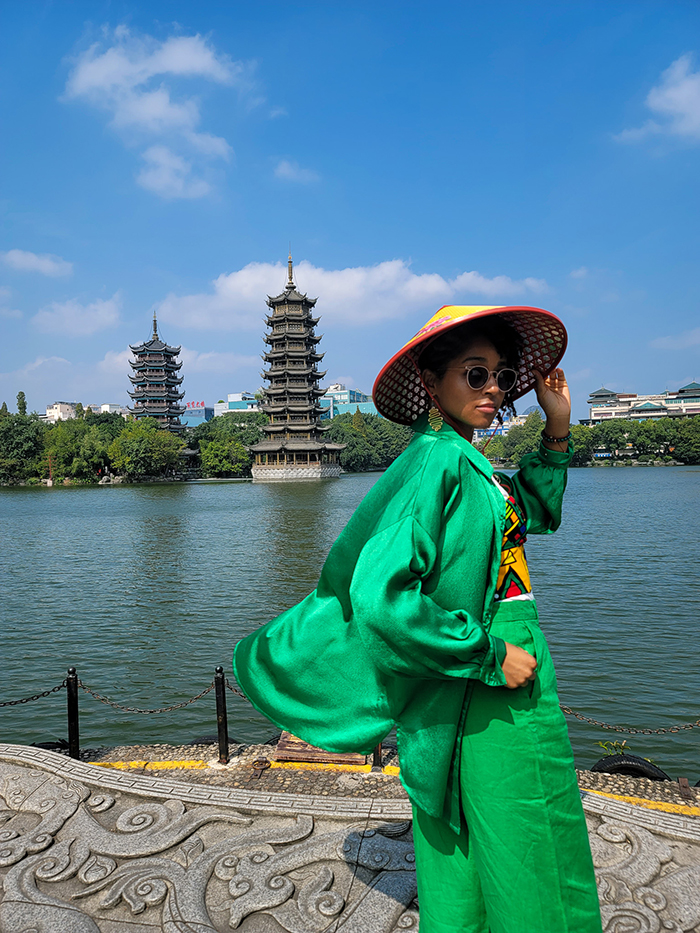

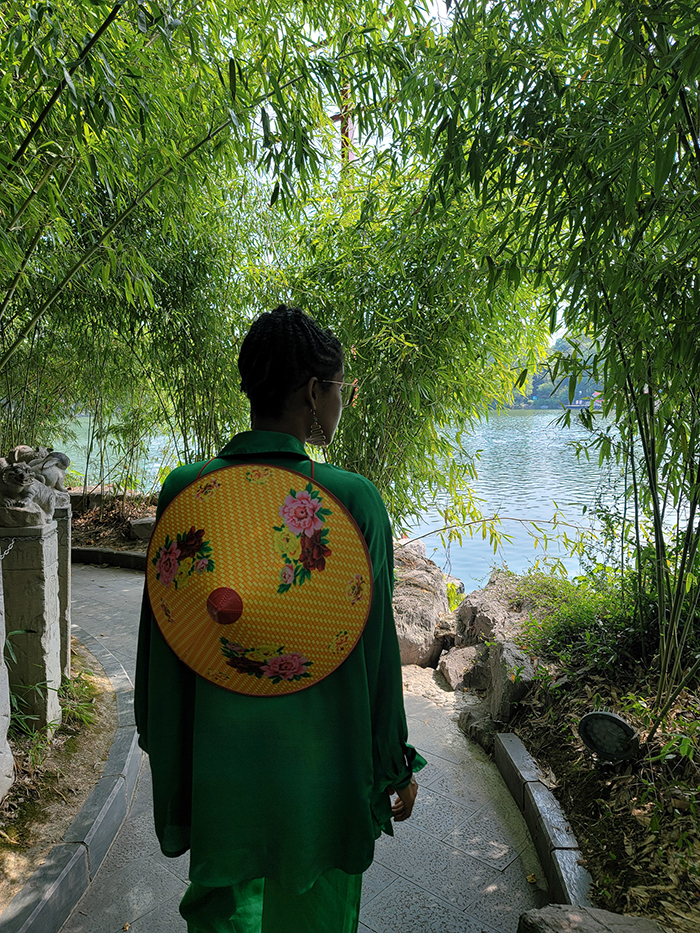
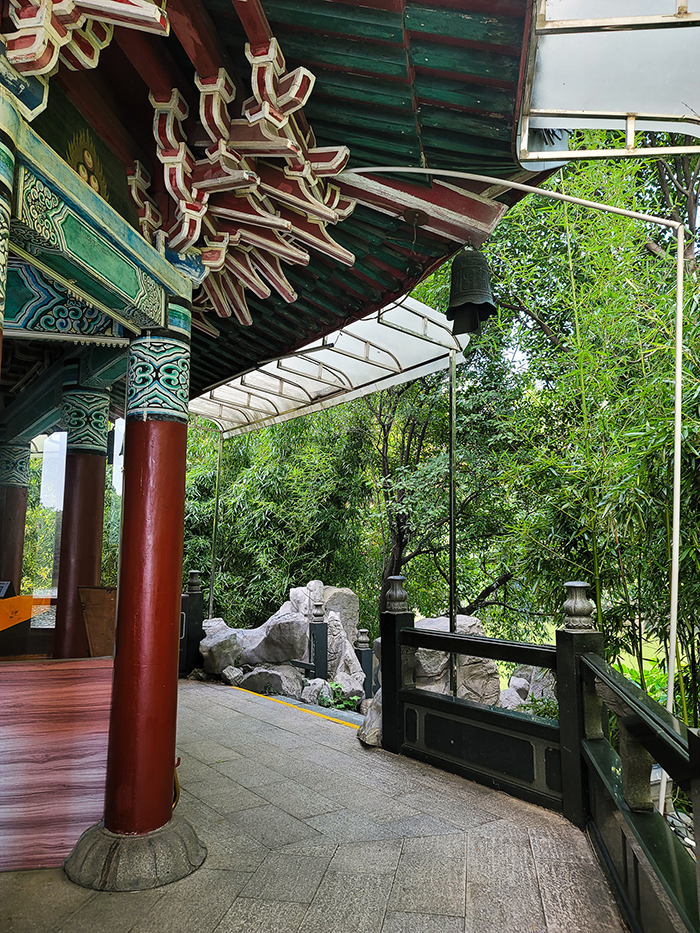
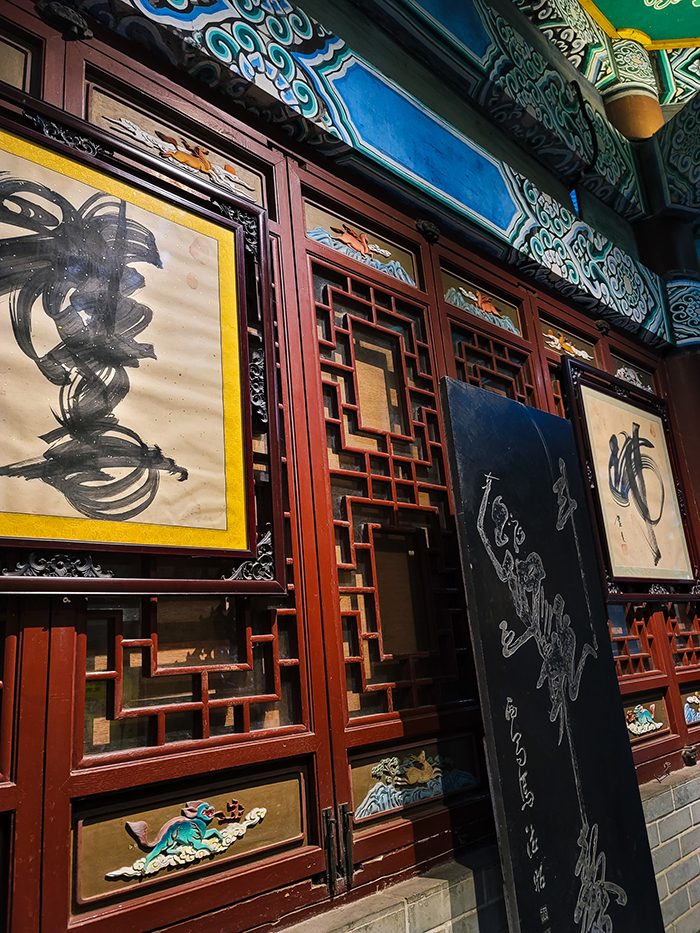
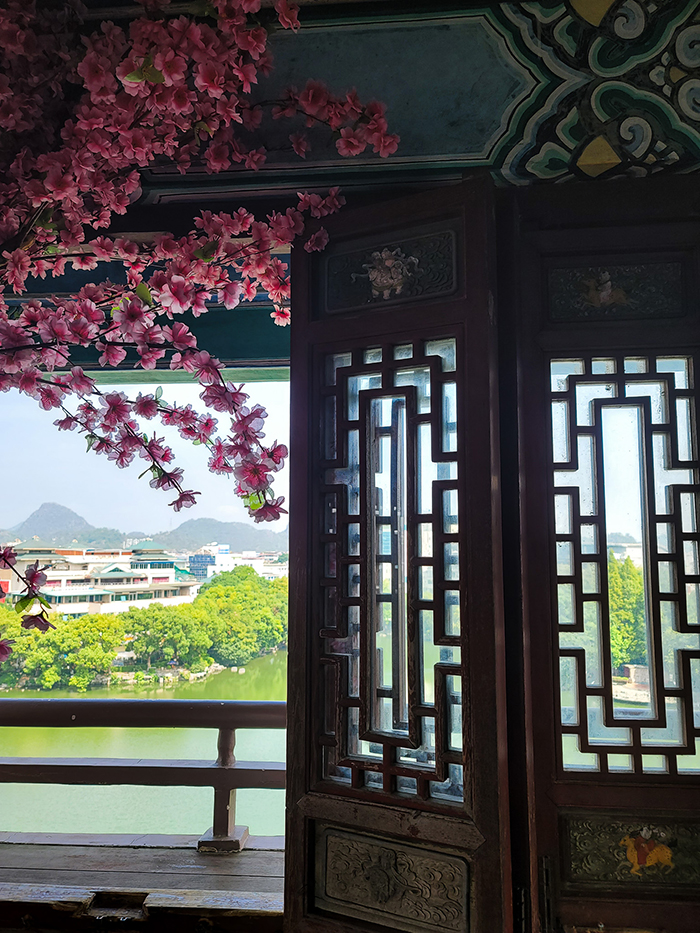
Now, back in Shenzhen.
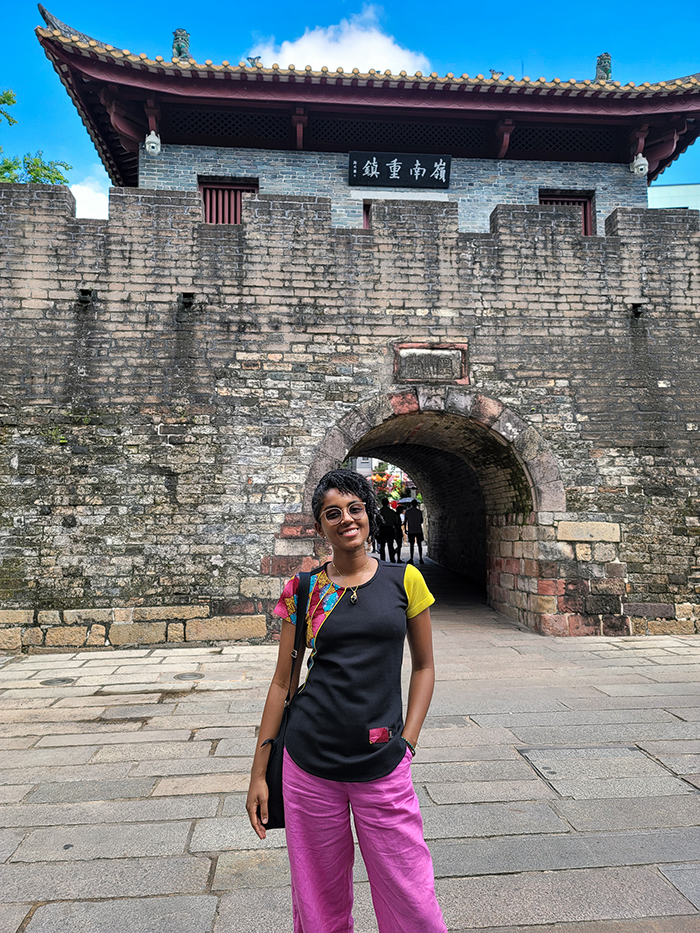
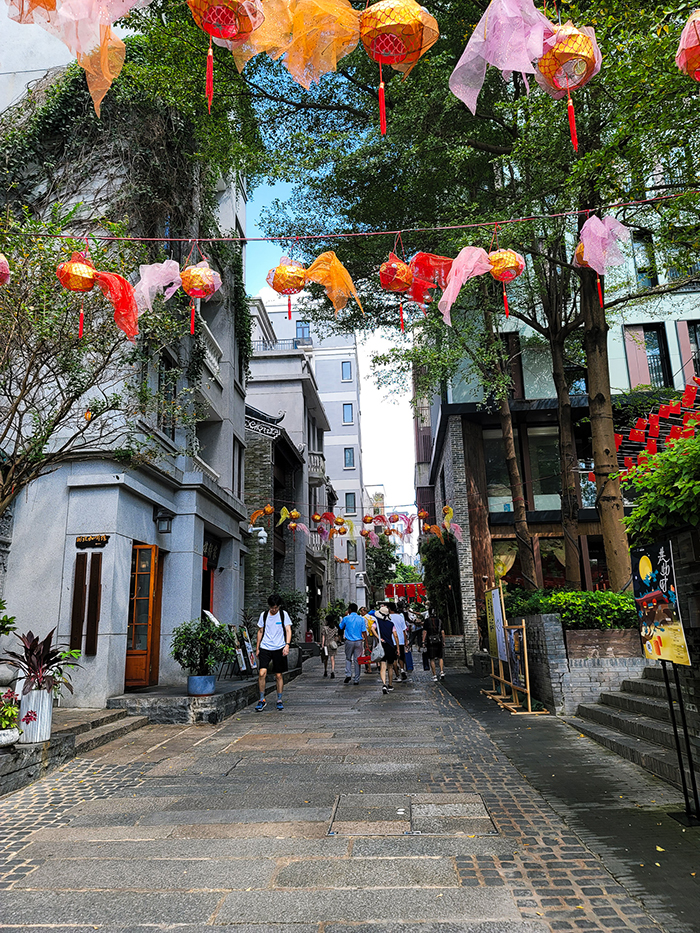
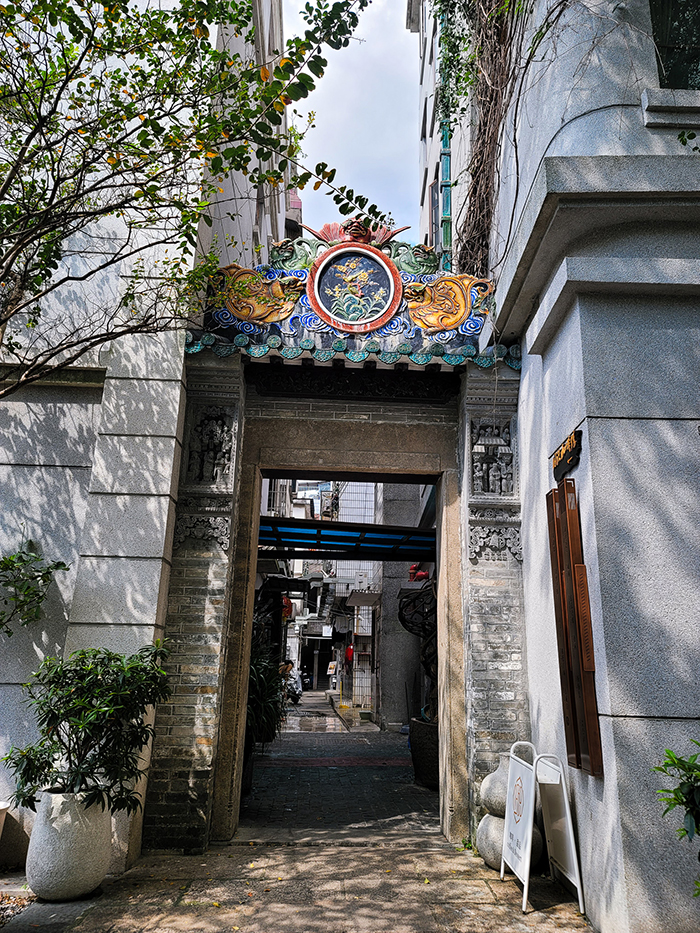
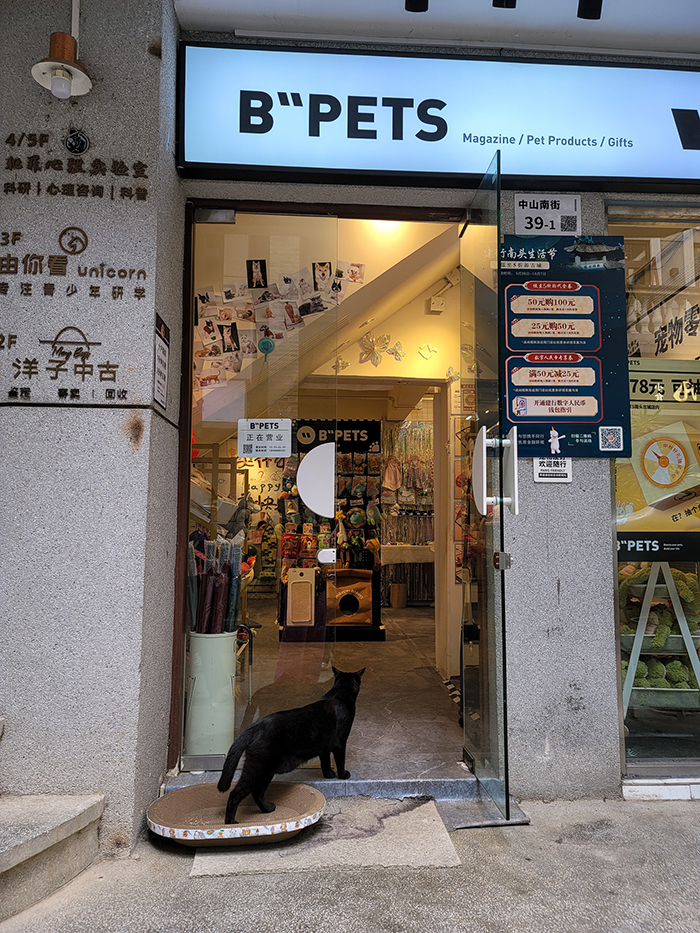

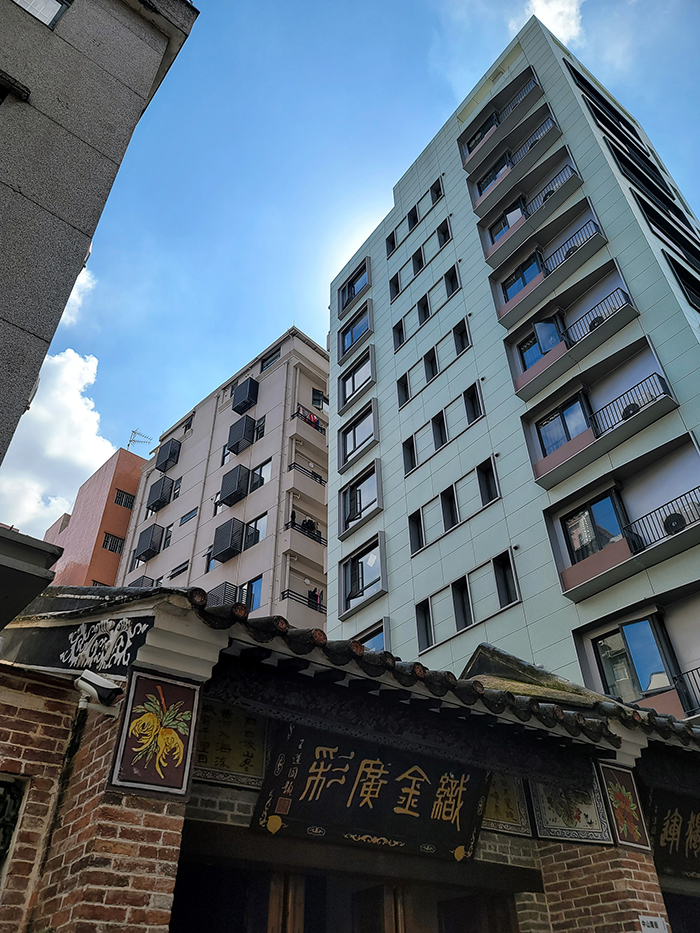
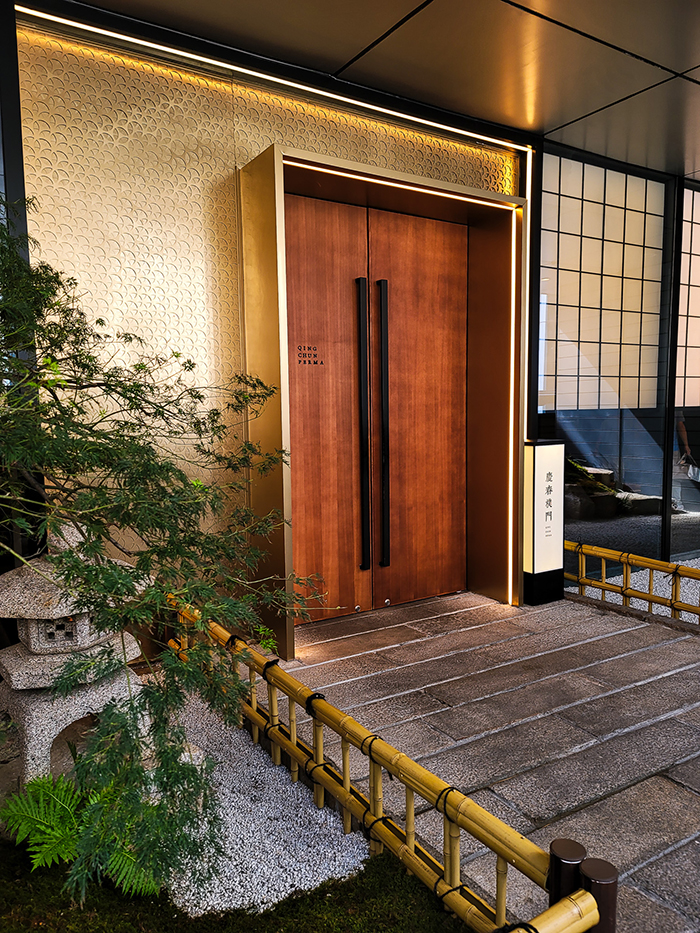
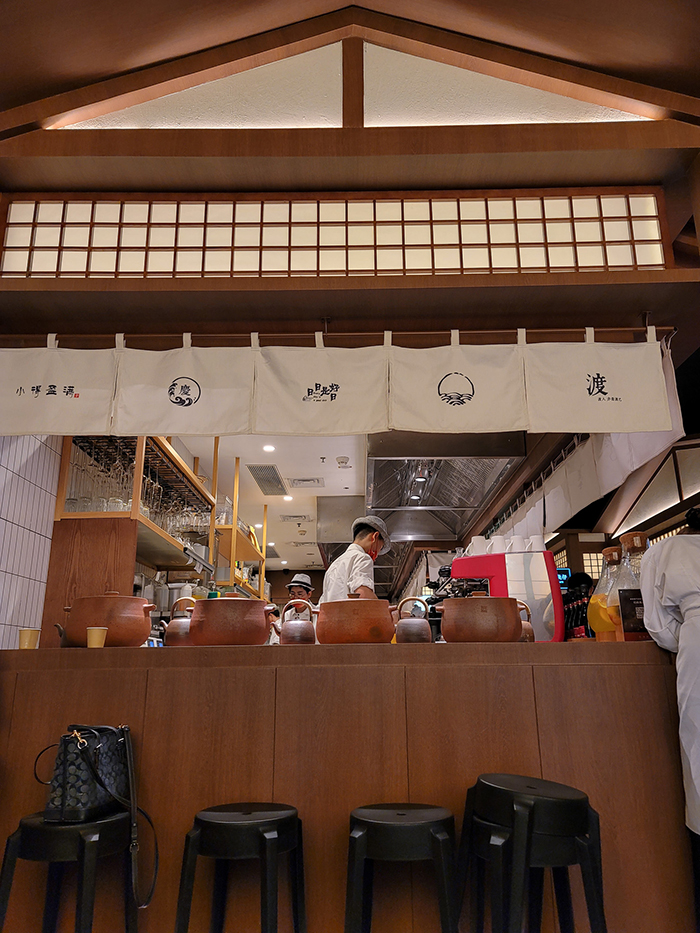

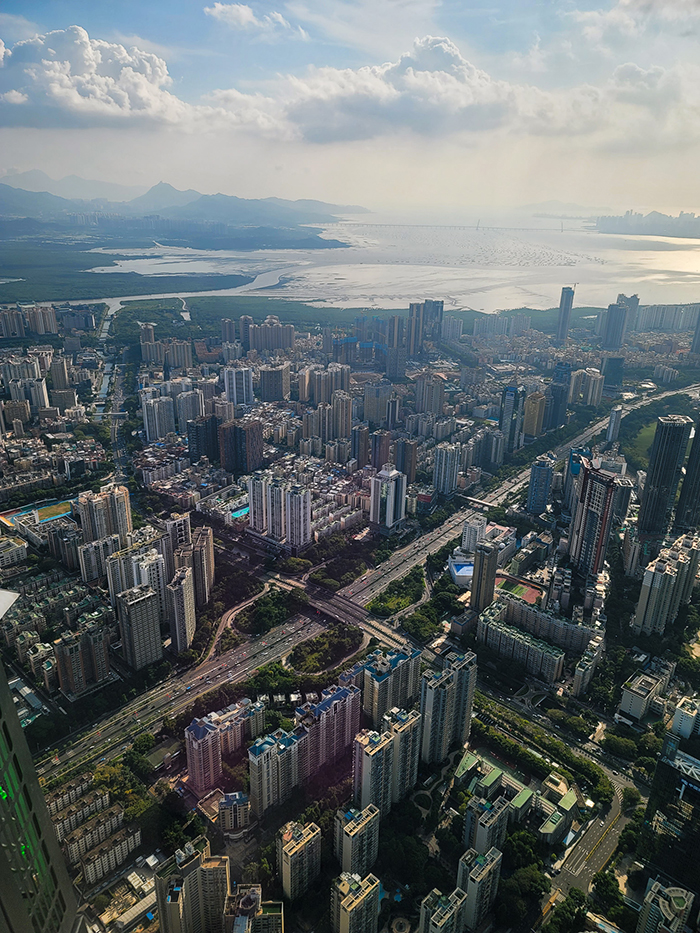
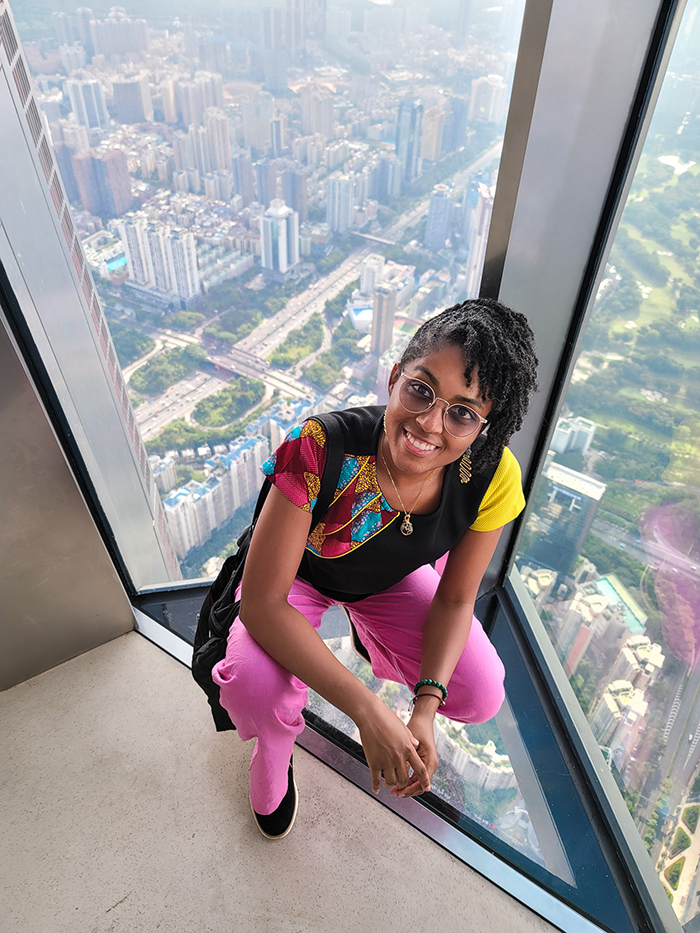
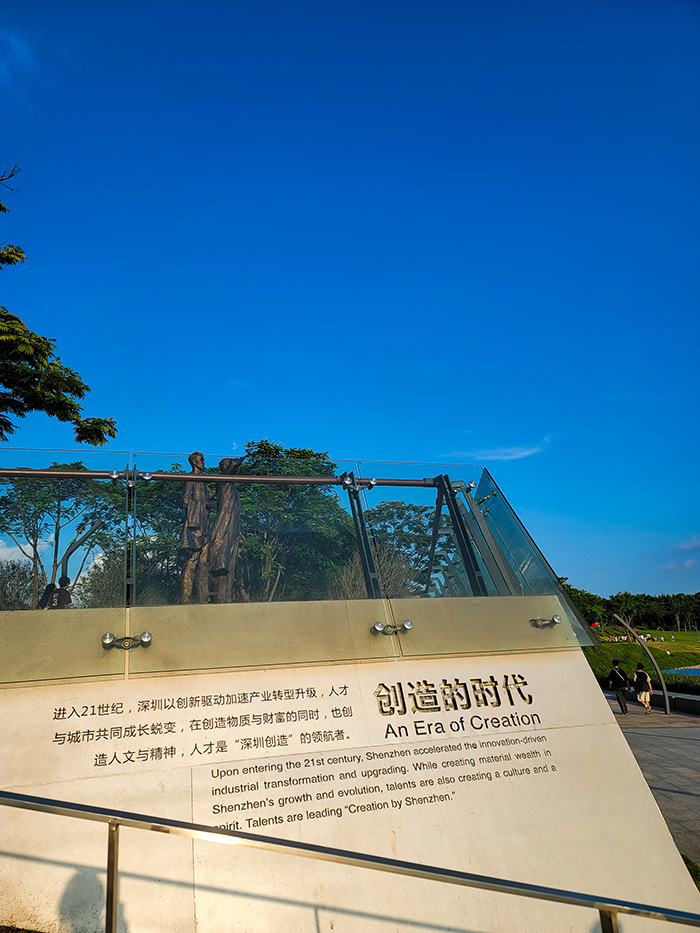
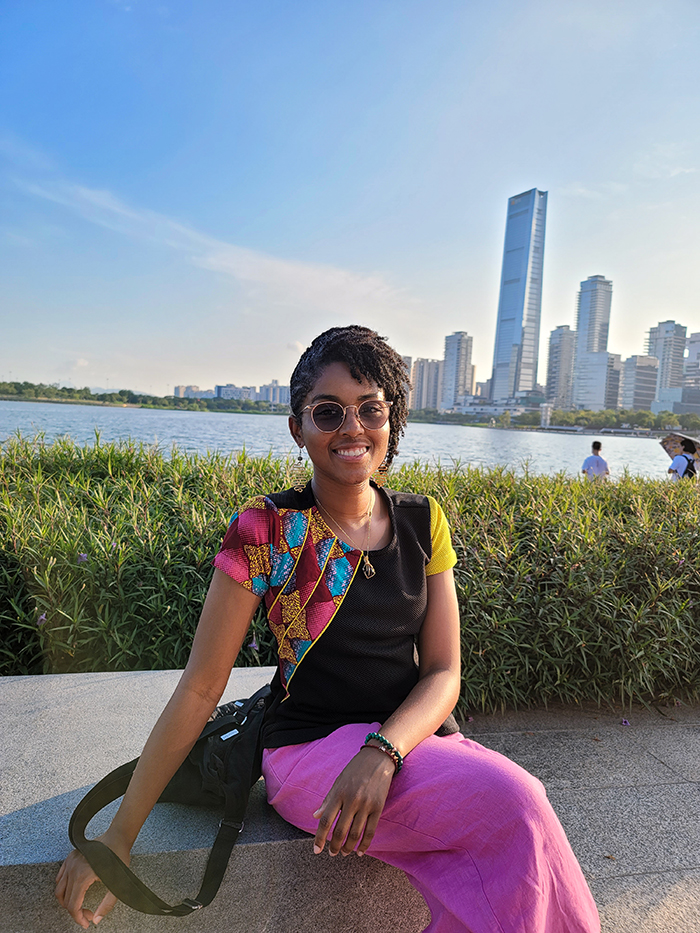
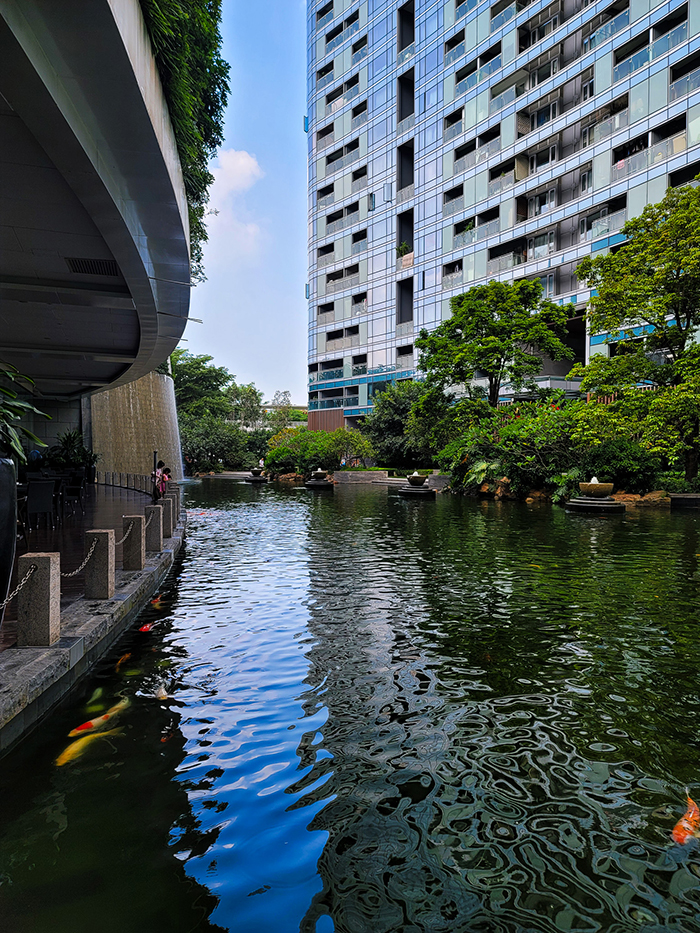

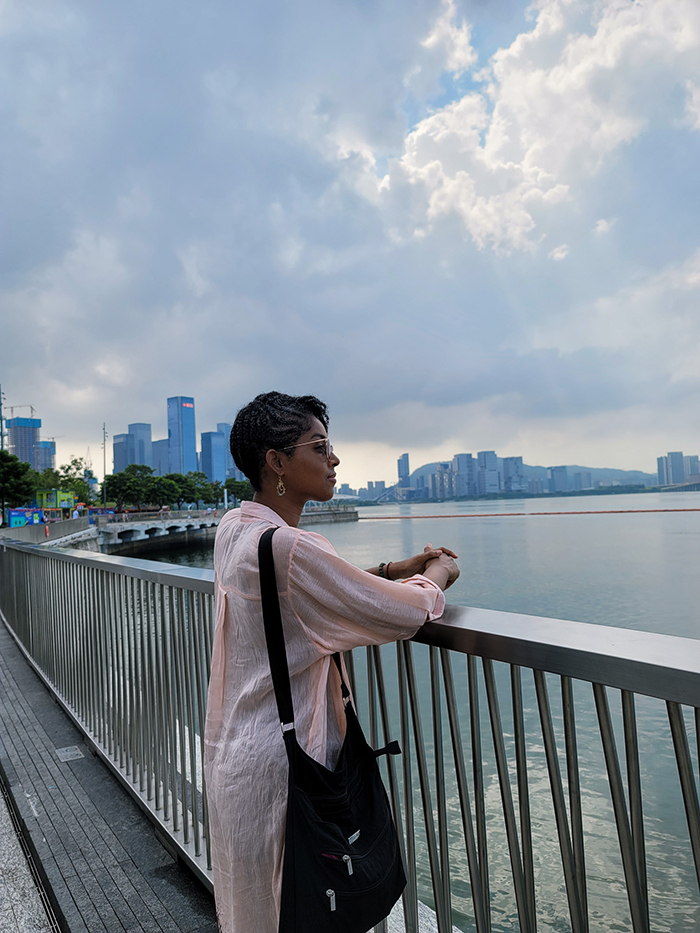
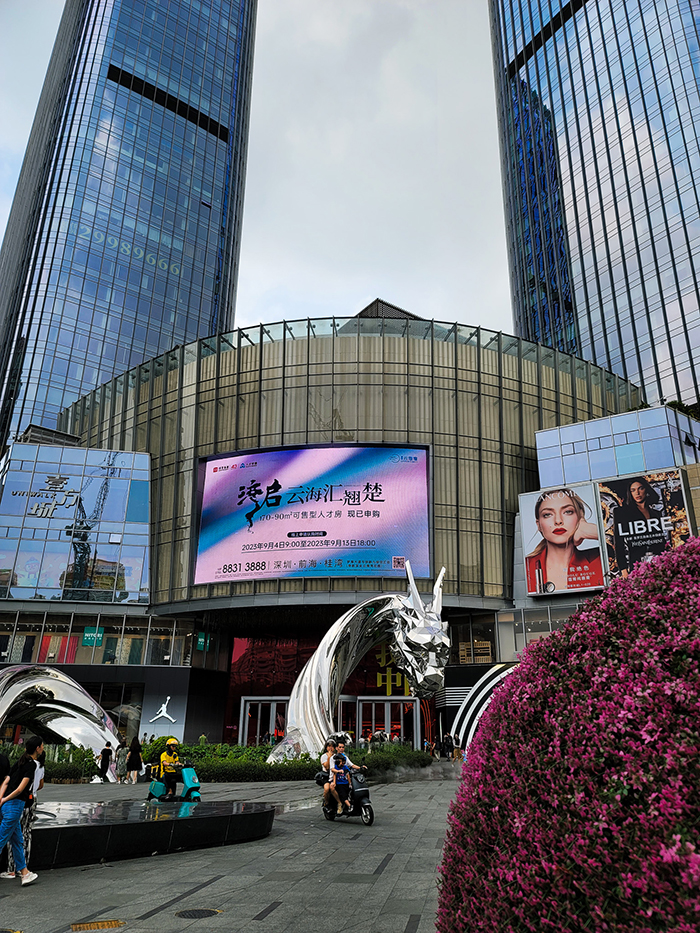

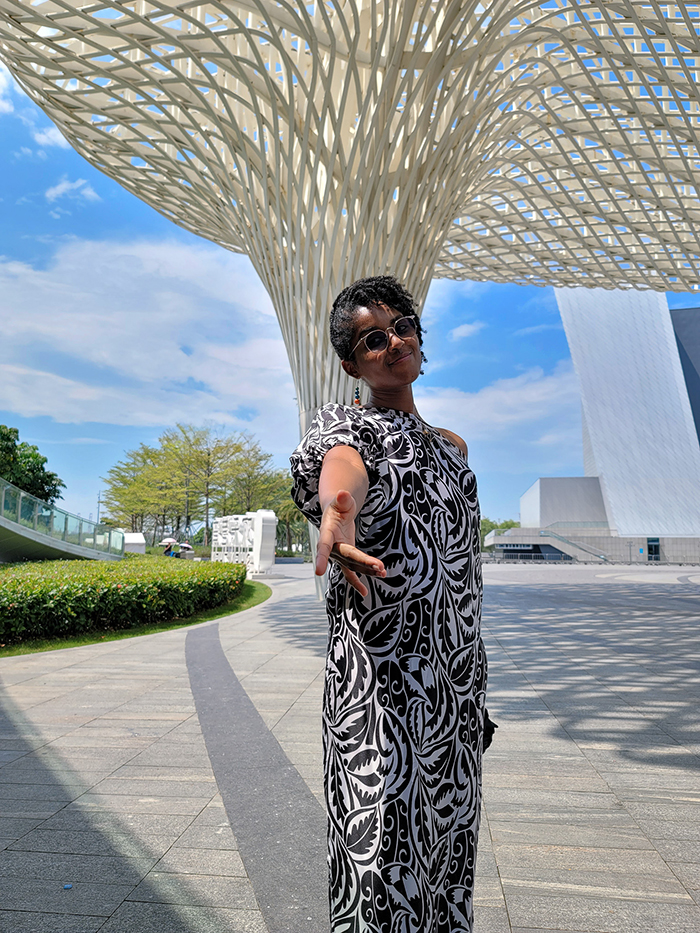
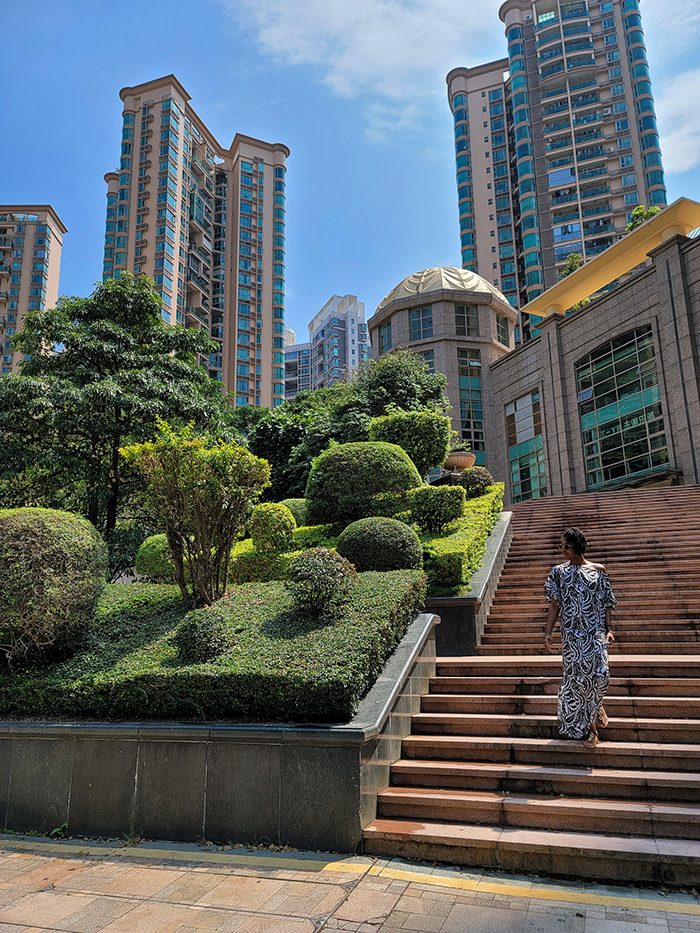
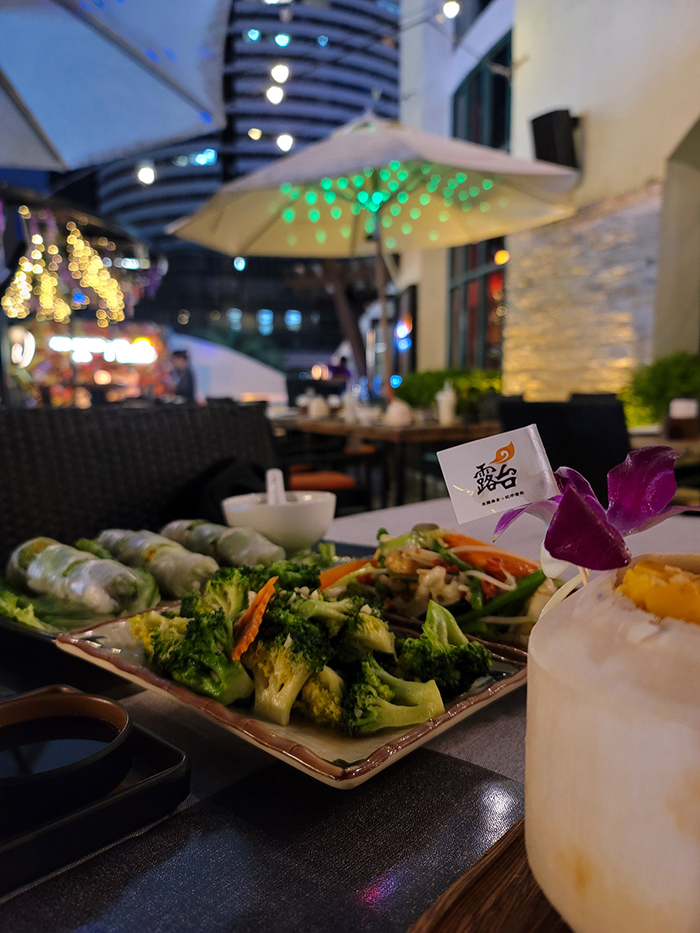

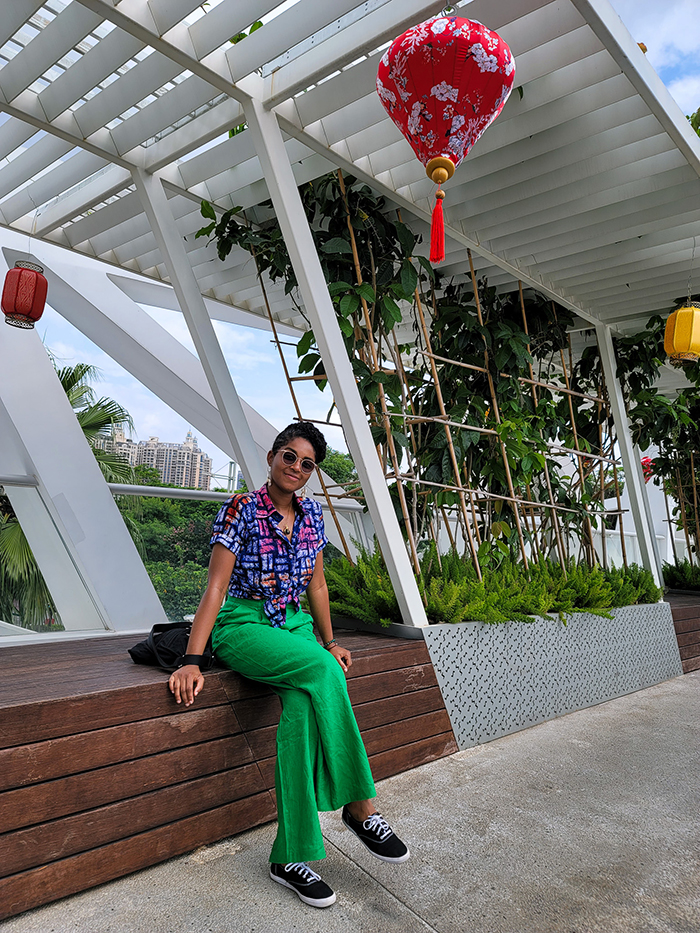


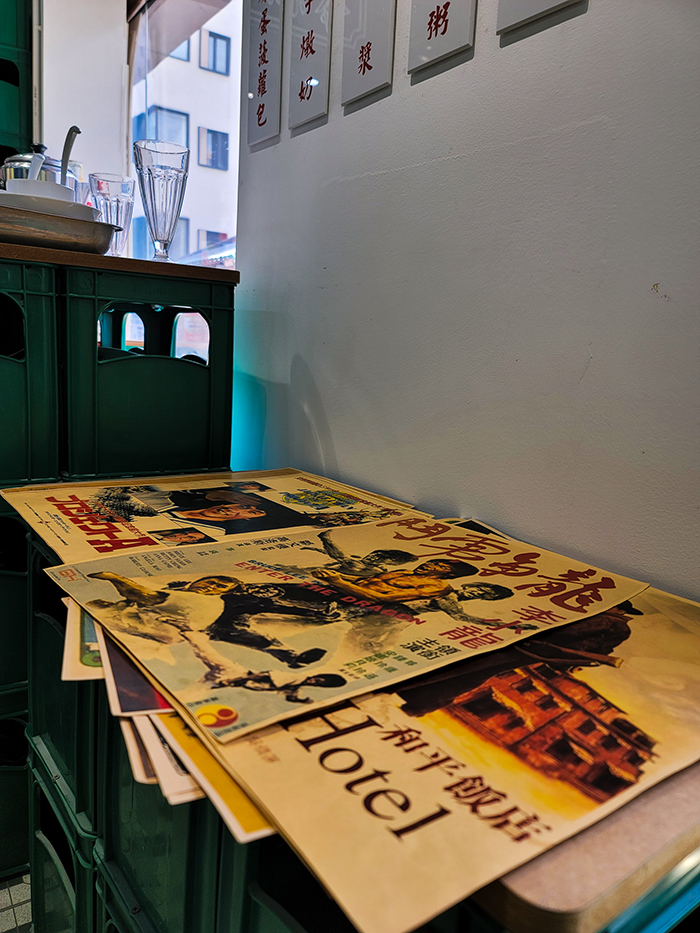
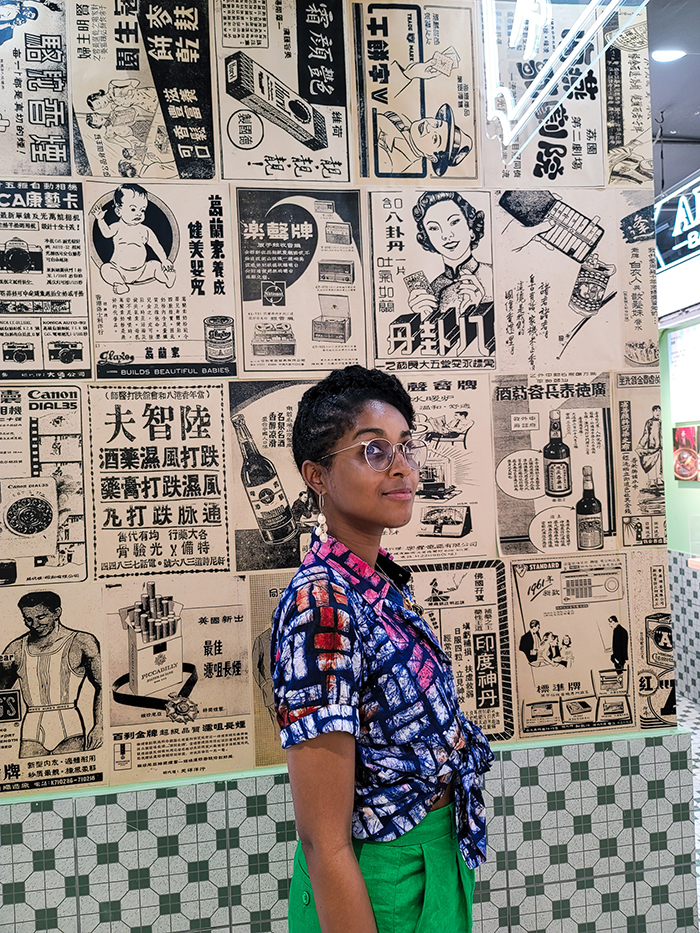

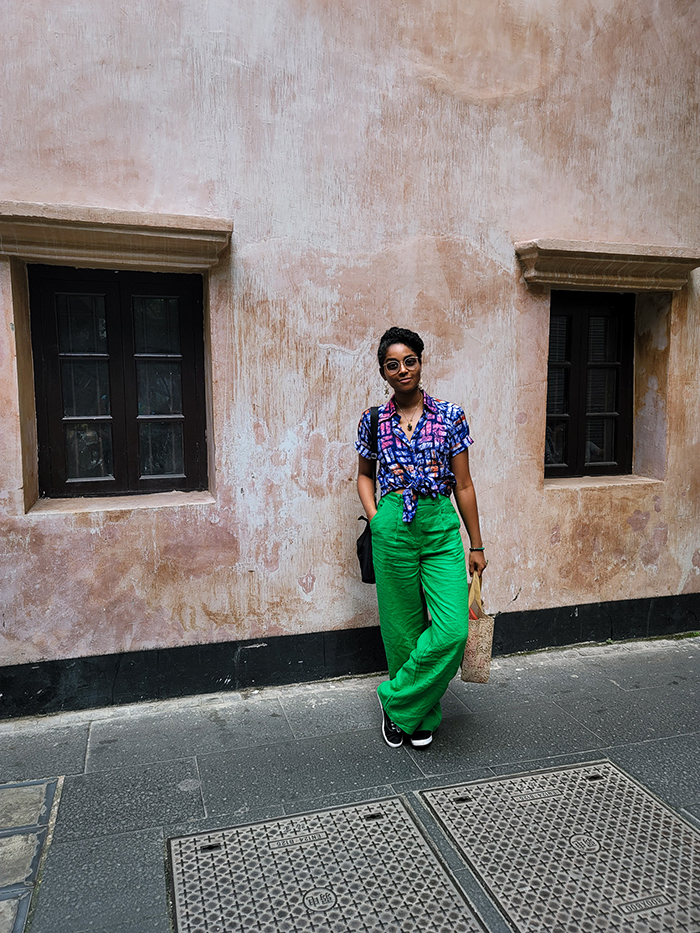
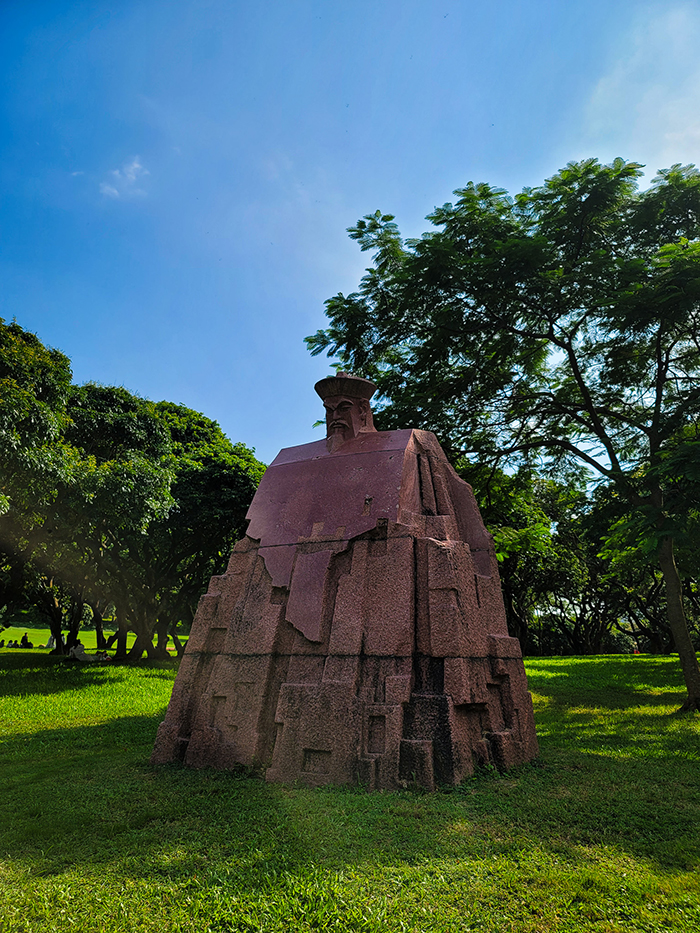
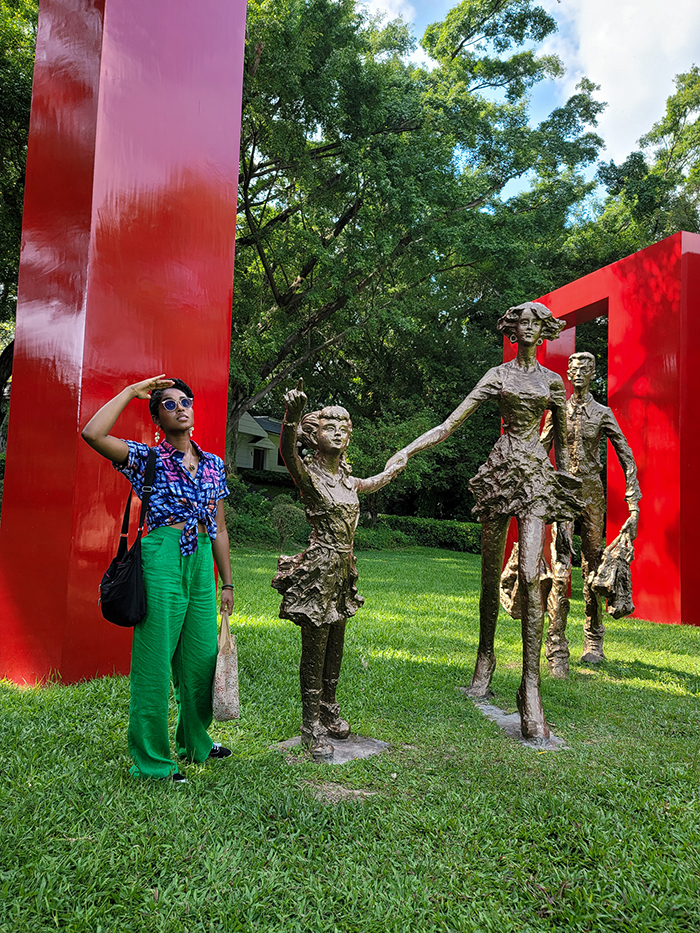

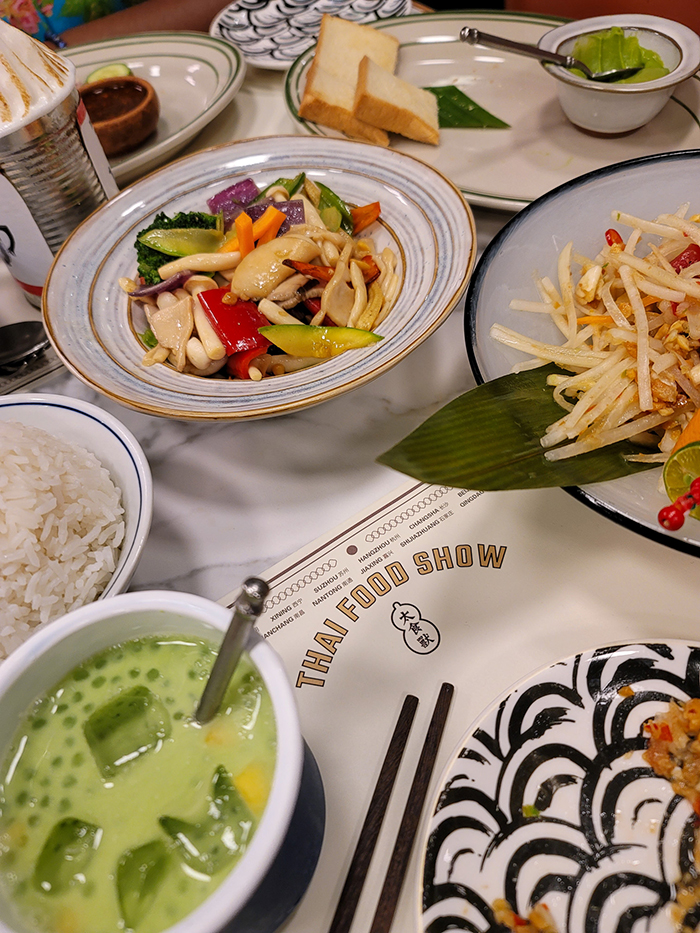
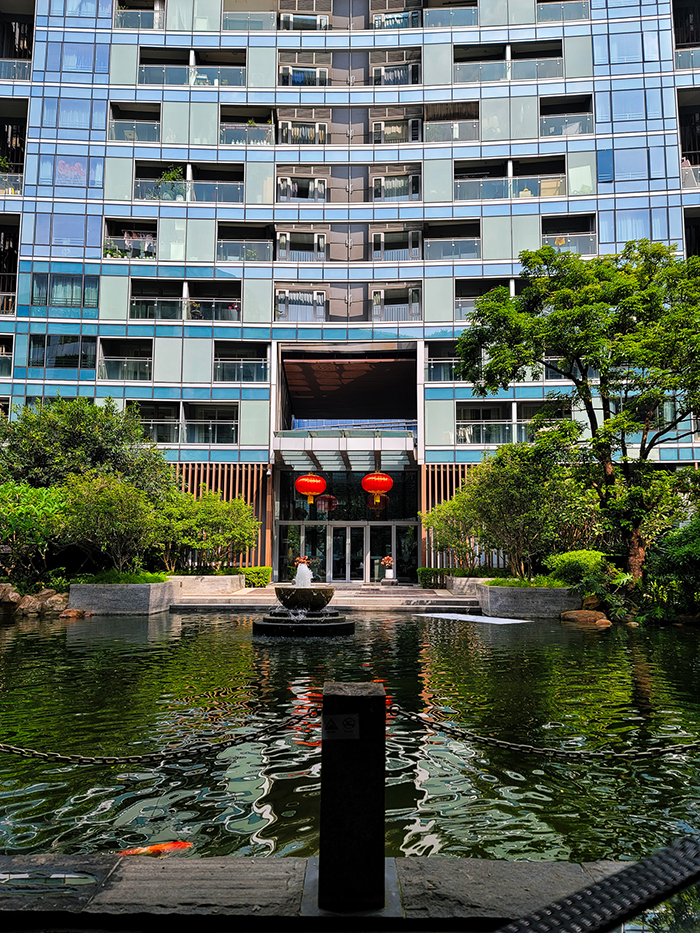


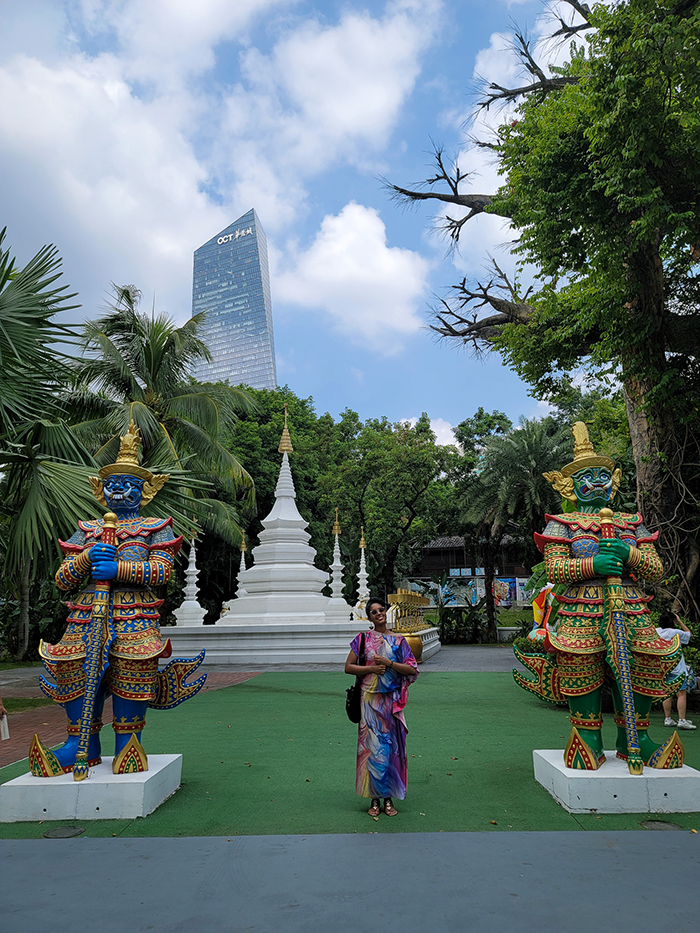
Overall, I really enjoyed my trip. Thanks to this experience, I am still reflecting on a few things. May I share them with you?
When People Can Tell Their Own Story
I loved how history was documented and showcased in Shenzhen. Every part of their museums, parks, and exhibits are very intentional in maintaining the narrative they want for their people. History, traditions, and stories are beautifully illustrated and celebrated in a variety of story methods. Available all year round for all ages. The majority of the guests in these spaces were Chinese. As in, the focus on this documentation and showcasing is not for the foreign gaze or foreign understanding. Instead, I got the sense that all of this effort was for their own people. To reiterate to themselves what they are capable of, where they come from, what there values are, and where they are headed. I found this to be very inspiring. Like I said in the video, China and Chinese people have a lot to be proud of and excited for. The sleeping dragon is way ahead of the rest of us (if that is appropriate to say, respectfully).
This also got me thinking of how we can use similar methods to document and showcase African history, Ghana history, and Black global history. At the time of writing this, I live in Accra, Ghana. So, my examples are focused on this location to start.
Right now, Africa is navigating an era in presenting itself as a tourist destination, investment destination, and repatriation destination. In Ghana, that navigation has continued through the initiatives Year of Return and Beyond the Return. The layers of success and challenges that these initiatives faced and continue to maintain prove there is a demand for this. So, we have a lot of room to take this further. I don’t mean copy what I saw in Shenzhen. Rather, take note of how much more we can do.
For example, the exhibits I shared with you in the video show four types of methods. First, the room with simulation projection that make the guests feel as if they are walking through an ancient city. Second, the exhibit with mannequins reenacting ceremonies, traditions, and milestones. Third, the amusement park with replicas of historical cites and people dressed to represent different regions. Fourth, the talent park that celebrates talent from the city and reiterates the story and purpose behind building the city. What would something like this look like for Accra?
Possibly a room with a simulation projection that shows what Accra was like before it was named Accra and takes you through how the city changed overtime. Documenting and showcasing the tribes indigenous to this regions, the migration that took place, the ceremonies, the traditions, the colonizers influences, the development, the gentrification, the milestones, etc.
Possibly an exhibit with mannequins reenacting the ceremonies and traditions that represent Accra. This actually reminds me of a play I saw last year at the National Theater in Accra. At the moment I forget the name, but the plot was Anansi as a person traveled to every region of Ghana tricking everyone. In the play, Accra was represented with a boxing match, where Anansi again tricked everyone to win. It was a beautiful display of Ghana’s culture. Could we translate that into an exhibit that is available all year? And add a live show within the exhibit every week? Or everyday as demand grows.
Possibly a talent park or garden that showcases people who contributed to Ghana in all sectors and industries. This reminds me of my visit to the newly renovated Kwame Nkrumah museum. Part of the exhibit there lists all the initiatives, industries, and infrastructure he created during his administration. To give that exhibit more substance…hear me out. Each of those initiatives could include showcasing the people who were involved, the story behind how they got it up and running, and who was responsible for shutting it down and why. In addition, this possible talent park can include statues and plaques reiterating what Ghanaians are capable of, what their values are, and where they are headed, including ancient history and modern history.
I know the amusement park might be a little too far ahead to think of right now, but we should still see it as a possibility.
Again, the intention behind all of these is for the enjoyment and enlightenment for domestic tourism as well as international tourism. Things like this should be available throughout the year for local school field trips, national holidays, etc. This is for Ghanaians to be the expert on their own history and values. This is for those who choose to live in Ghana to be aware of history and values. This is for intercontinental and international tourists to acknowledge history and values. Thus, the “Ghana narrative” is solid.
These are only suggestions. Please adapt and implement what resonates with you.
Where In This Galaxy Can Others Have A Futuristic City Of Their Own
As I mentioned in the video, Shenzhen is about 10 years old. This is a very young city. This is part of why I felt like I had traveled to the future. It was really inspiring to witness how a city can be built to accommodate and account for everyones needs. The level of convenience, security, residential options, commercial options, job opportunities, logistics, transportation, etc. was very impressive.
Actually, this also reminded me of the book The City We Became by N. K. Jemisin. In that book, cities are like living organisms that have an avatar to represent them as they develop. New York City has a new avatar, and all the avatars that represent the different boroughs must help the new one fight against the virus that wants to stop the city from developing. It was a really clever and creative story. If you like fantasy like that, I recommend it. She is one of my favorite authors. Ok, I digress. Keep focused.
Experiencing such a futuristic city got me thinking of where in this galaxy can other people have such a thing of their own. My frame of reference is Afrofuturism, but I also would love to see all groups get to experience this for themselves too. What would a new city look like in Africa, South America, the Middle East, other parts of Asia, the Caribbean, etc? A new city that genuinely serves the needs of the people and is culturally in-tune.
For Black people, I’m not sure if we have that yet. There are populations of Black people living comfortably all over the world, but still balancing nuances that do not always serve them. For a long time, we have been drumming the beat that Africa should be where those new cities should be. Are we truly developing in that direction?
In Ghana’s case, there is room to build a new city. I’m not sure if you can do that with Accra, since you continue to develop without city-planning or zoning. This would also cause too much displacement. For example, Shenzhen was a fishing town. They moved the people who were living there to temporary accommodations and provided incentives to build the new city together. Could we do that in another part of Ghana? I know I am not the first to think this. I am sure others have already designed the blueprint for this. But this new city needs to be a complete city. Not only a residential area for a select few who can afford it. Not only an isolated structure with no good road to get to it. Instead, it would be a city that has no slum, because everyone is served and accounted for. It would be a city with trees that are protected. It would be a city that is clean and safe. It would be a city with maximum wages, because the minimum wage system is obviously disrespectful. Can you imagine how cool that would be?
Then we can make this metro idea a reality. I came across this on Twitter and thought it was fabulous.
Again, these are suggestions. The way Shenzhen is set up, their government views these types of things as a priority. In Ghana, there is an interesting dynamic with the government sector, private sector, extractive sector, and exploitive sector. I say this respectfully.
Why Africa-China Relations Need To Develop Beyond Agreements And Propaganda
Finally, in the video I shared examples of the gap I am seeing with the potential within Africa-China relations winning. First, with my very unpleasant experience with my passengers on my Ethiopian Airlines flight from Accra to Addis Abba to Shanghai. Second, with the Galamsey issue in Ghana. With both, I note a stark difference between the people’s behavior and construction methods.
I feel there are possibilities to create a win-win situation for all involved in this. For instance, the way China maintains its autonomy and holds itself as a priority in international interactions is something Ghana and other African countries could implement and benefit from. I’m not going to get too much into what type of government you should follow, but looking at what I experienced on this trip, it seems like you need more than 4 years to get real things done. But that is neither here, nor there, nor everywhere, nor anywhere, nor all at once.
If you do not respect your own country or people, it can be difficult to insist others should do the opposite. It is not enough to point figures at foreigners or push Western anti-China propaganda about this. The issues that Chinese traders and miners face and facilitate in Ghana could be prevented. From undercutting the fish and goods market to destroying the environment through gold mining on one side to being scammed and harmed on the other side. Is it surprising that some Ghanaians view all Chinese people in their country through the prism of illegal activities, mafia affiliations, and the “new colonization”? I’m not endorsing any of these perspectives and I do not mean any harm. We all deserve better.
I believe the way you do anything is the way you do everything. Because the way you do everything is the way you do anything. From what I am seeing, within Africa-China relations, China is very intentional about what their role is. Same in the way they are very intentional about everything. It is very important for African countries to get intentional with their role. This can be equally beneficial. From my perspective, a thriving African country is good business for China. This has not been the case for Western relations with Africa. There are already examples of this with Chinese trade, distribution, and education in Ghana that has been good and beneficial. You already have a growing number of Ghanaians who are fluent in Mandarin, have lived or studied in China, and want to see Ghana do better. You already have Ghanaian banks setting up better systems to facilitate trade between Ghana and China. So, there is no excuse to continue destroying the environment for mining, disrespecting or harming people, or flooding markets with cheap goods. You are already being set up to win. Are you willing to be who you need to be to win? Like I said in the video, I hold both sides responsible for this solution.
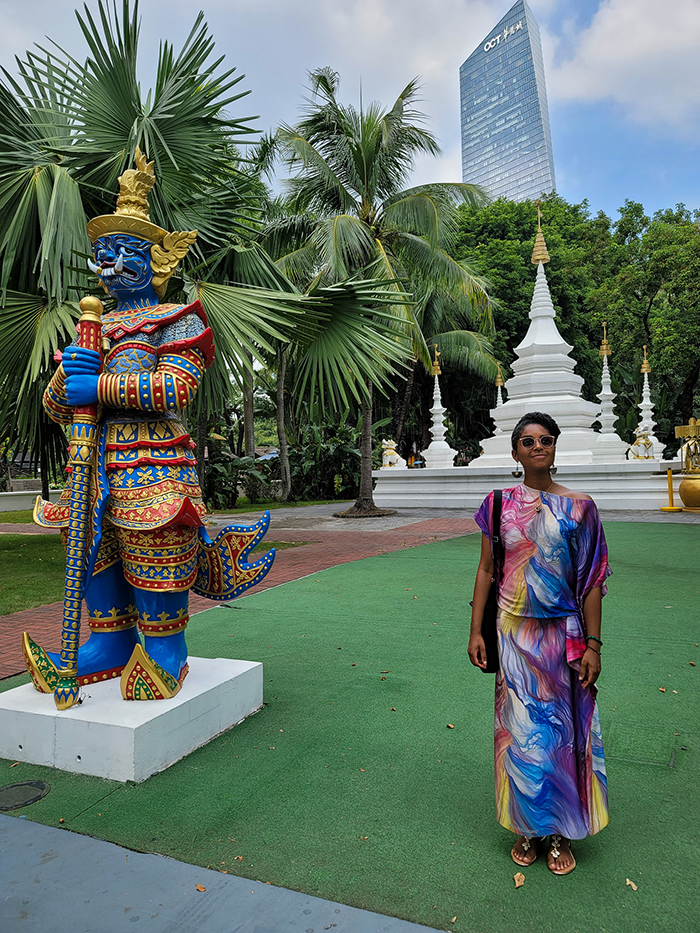
Thank you for taking the time to share in this experience with me and be open to my insight. I hope and trust you found this helpful and fun. As always, I love hearing from you. Let me know your thoughts in the comments. Let’s continue the conversation.
 Dagny Zenovia
Leave a comment