Tag: Education

  • I Have a J.D. Now What?

    I Have a J.D. Now What?

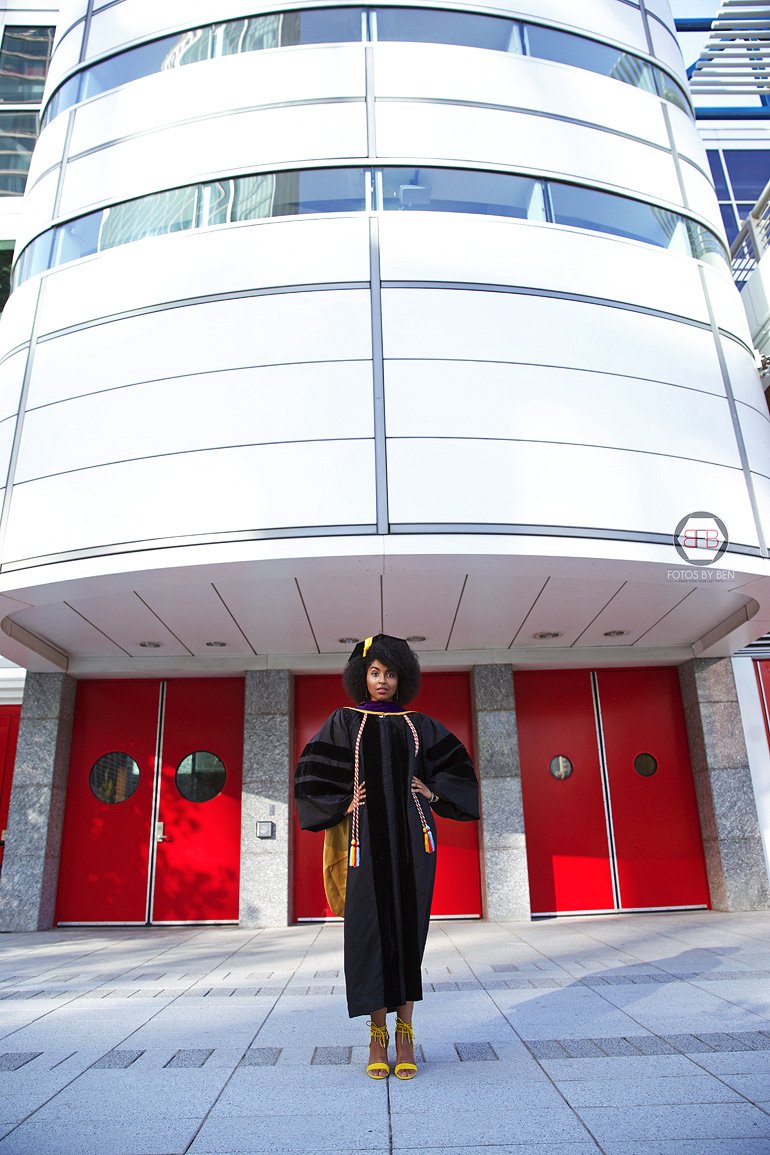
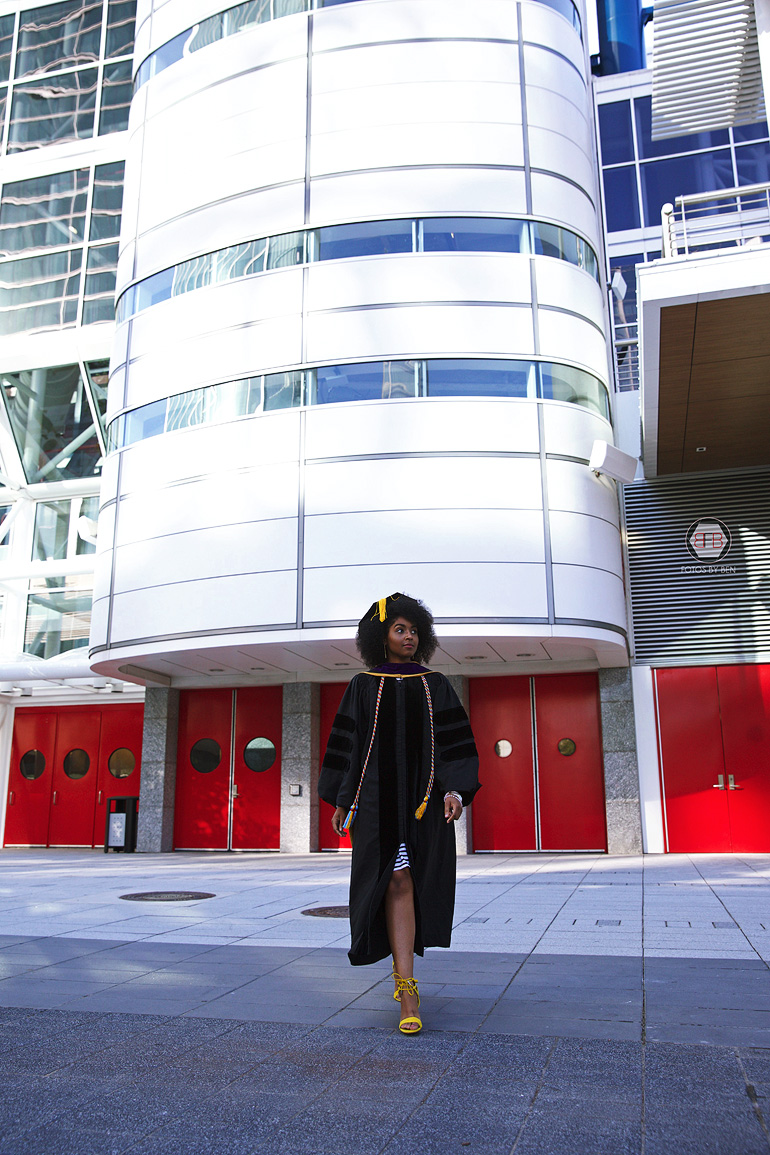
    Here we are. After three long years. Finally done. But, now what? I mean, I should be good now, right? I followed all the rules. I did what my parents told me to do. I stayed in school. Even when I felt frustrated, I stuck to it. Even when I felt like I did not belong, I showed up. Leading up to this very moment, where I can finally agree with all the elders that the “world is my oyster” and “all doors are now open to me.” I was really excited about this grande finale, until it ended. There were no oysters or open doors. It felt as if I was turning the page to the next chapter of a book, a real book, and found the next page blank. This was frightening at first, but I learned to recognize and appreciate my new freedom in this blank page.
    Dagny Zenovia Law GradDagny Zenovia Law Grad

    As you may know, a J.D. can be used for a variety of jobs and landing a job is not easy. As much as everyone likes to advise fresh graduates that networking is the key to success, I feel luck plays a big part in that as well. Your luck only works in your favor if you are prepared for it. That preparation is what I had to take some time to work on. Initially, I figured working hard for grades, a resume, and some form of a network was enough, but it barely scratched the surface. I realized that I had to work on me. I had to believe in me. Crazy, right? How did I miss that? I know I cannot be the only one guilty of forgetting to take care of myself. Well, here are three ways to get back your peace at a turning point in your life.
    Dagny Zenovia Law GradDagny Zenovi Law Grad

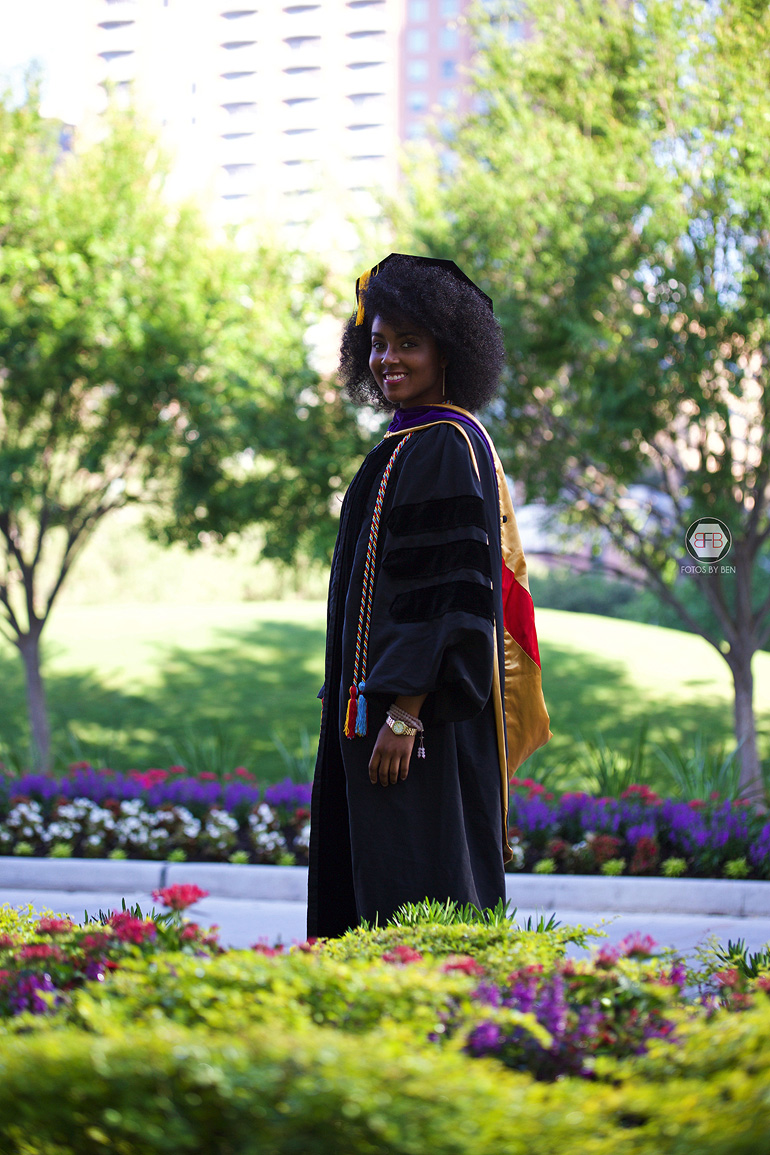
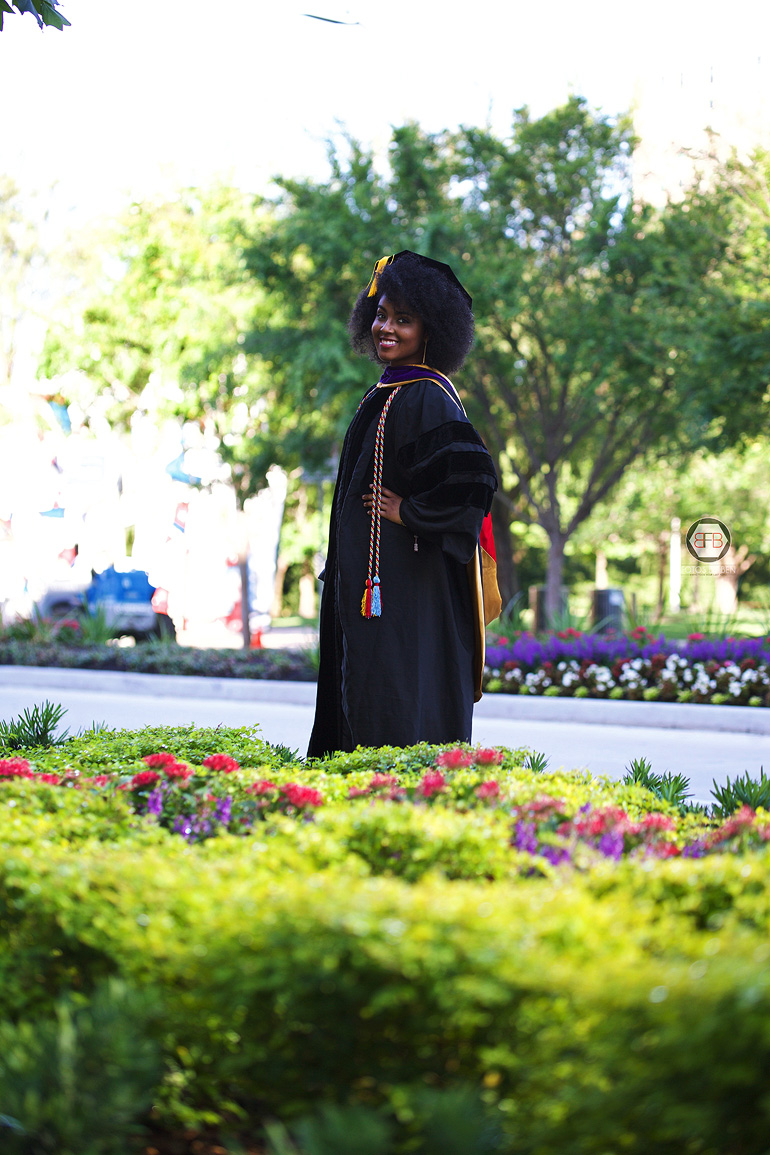
    Jump back and kiss yourself. Yes, I got that from James Brown. You need to be proud of yourself. It is so important to take the time to acknowledge how far you have come and what you achieved. When we are goal-oriented, and possibly humble, we tend to ignore celebrating ourselves. I was guilty of that. Once I master something I put my mind to, I tend to immediately move on to the next challenge. That is ok if you are always in motion. Once there is a pause or a gap, that mindset can lead to heavy doubt. So don’t leave room for doubt. Use that pause to celebrate yourself and be proud of what you accomplished.


    Dagny Zenovia Law Grad 8Dagny Zenovia Law Grad

    Focus on your lane. Comparison is very tempting, especially when it seems everyone else is doing something better than you. Remember, we are all masters of filters and nothing is as it seems. Do not get lost in comparing your chapter 5 with another’s chapter 34. When we fall into comparisons, we miss the opportunity to celebrate others. That is what I continue to remind myself. Spreading love brings good karma in your direction. When I see my colleagues announcing their job placements before Bar exam results come out or engagement parties or moving to a new place, I cheer for them. I am genuinely happy for them and really hope it all works well in their lane. I truly want to see all of us succeed and I know my time in my lane is perfect.

    Dagny Zenovia Law GradDagny Zenovia Law Grad

    Be optimistic about your new freedom, regardless of what your next step is. Freedom can be scary and exciting. Understand that mixture is ok. This was the biggest thing that had me feeling stuck. This new freedom frightened me because I was afraid of failure. With no guidelines to follow, or program to continue on to, or automatic job to slide in, what would keep me from falling? What would keep me from making mistakes?  I realized that is what was so wonderful about this freedom. Do it afraid. Do it excited. I can design my destiny. I can be so in tune with my purpose, that I can trust I am being guided through this freedom.


    Dagny Zenovia Law Grad 4Dagny Zenovia Law Grad 5Dagny Zenovia Law Grad 11Dagny Zenovia Law Grad 12

    That is what makes this time so beautiful. It can be transformative if you believe in yourself. Do you have any other tips for feeling stuck after a big accomplishment. Let me know in the comments!

    Also, remember to connect with me on Twitter and Instagram. I would love to hear from you.

    Photography: Fotos By Ben

    Wearing: Kaela Kay dress; DSW heels

  • A Safe Space For Students: 15 Years of No Place for Hate in Houston

    A Safe Space For Students: 15 Years of No Place for Hate in Houston

    I believe the children are our future and I’m sure you do as well. Since children spend the majority of their day in school, a school’s curriculum and environment influences their development and our future. With the increase in school’s security, state testing, and in some subjects or activities reduced funding, I sometimes wonder if school’s are heading in the right direction. Thankfully, there are programs that enhance our children’s school experience. I had the pleasure of interviewing Susan Shaw, the education director at the Anti-Defamation League’s Houston office, about their No Place for Hate initiative. The program promotes respect for individual and group differences and challenges prejudice and bigotry in schools K – 12. This year marks the program’s 15 year anniversary in Houston. We talked about the program’s progress in Houston, the upcoming 15 year celebration, and how you can get involved with this wonderful initiative.

    Dagny Zenovia: A Safe Space for Students - 15 Years of No Place for Hate in Houston
    Provided by ADL No Place for Hate Houston

    The No Place for Hate program was launched in Houston in 2001. This was the first time such an initiative was used in schools. Initially, in 1999, the program started in Boston for townships and municipalities. The regional director of the Houston office at the time “made a visit to the Boston office and sort of fell in love with the whole concept,” said Susan Shaw. “Our office along with the Philadelphia office started to recreate the materials and we built an education committee.”

    The program is implemented in schools by forming a coalition, which includes students, administrators, faculty, staff, and parents, to come together to do an assessment of the issues that need to be addressed on campus. All members of the coalition sign the Anti-Defamation League (ADL) resolution of respect and participate in at least 3 anti-bias or diversity activities throughout the school year. For those interested in getting your school to participate in this initiative, this is the application process:

    1. Submit a proposal for the school activities by October;
    2. The review committee determines if the proposed activities are appropriate and whether they address the issues on campus;
    3. Once approved, school proceeds to create and implement the activities;
    4. In May, school submits a report to go over challenges, progress, and how ADL can continue to help in the future;
    5. New schools get a personalized banner with 5 blank stars; for every year they earn a designation, they get a star with the school year to place on the banner.
    Dagny Zenovia: A Safe Space for Students - 15 Years of No Place for Hate in Houston
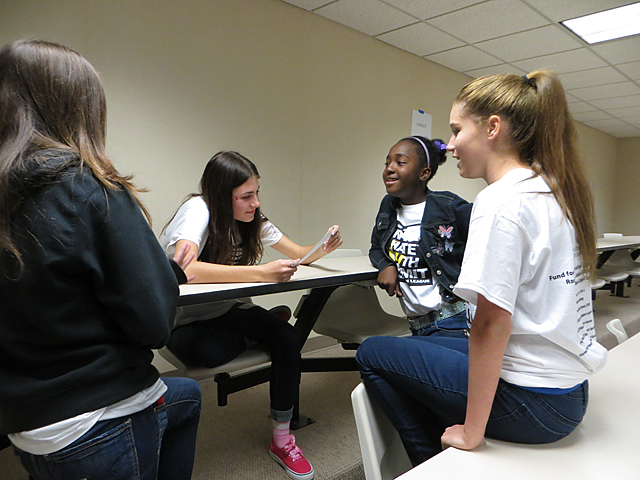
    Students at No Place for Hate Youth Summit at South Texas College of Law (source: ADL No Place for Hate Houston)

    The combination of school proposed activities and ADL lesson plans provide creative and innovative ideas. For example, one of their most popular activities is known as “mix it up.” At lunch, the students get to sit with students other than their friends and are given questions to ask each other. This encourages students to interact with others in school. Another activity that was recently implemented is known as “buddy bench.” Lessons were done through the guidance counselor on bullying, name calling, and acceptance. Part of the activity included building a buddy bench so that no students would feel isolated or excluded.

    Dagny Zenovia: A Safe Space for Students - 15 Years of No Place for Hate in Houston
    Provided by ADL No Place for Hate Houston

    Susan has worked with ADL for 18 years, after previously working as the education director at the Holocaust Museum in Houston and as a 2nd and 3rd grade teacher in Spring Branch ISD. Her work in anti-bias and diversity reaches beyond her job to her upbringing in Long Island, New York. “I’m a product of the 60s and remember very clearly when integration came to our community,” said Susan. “My parents were more about acceptance and I think I carried a little of that baggage with me. That is why ADL seemed like a perfect fit for me.”

    From the beginning of No Place for Hate in Houston, Susan has directed and created this program every step of the way. During their first year, they had 9 schools participate. Due to the success of that first year and word of mouth, they doubled their numbers every year after that. They now have 21 regional offices and 1500 schools participating in the program. During the 2014 – 2015 school year, 350 public, private, and charter schools earned No Place for Hate designation. During this past school year, 2015 – 2016, more than 400 schools have applied. “It’s great to see schools not only focusing on the basic reading, writing, and arithmetic, but also respect the importance of social and emotional learning in the classroom,” said Susan.

    Dagny Zenovia: A Safe Space for Students - 15 Years of No Place for Hate in Houston
    Students at No Place for Hate Youth Summit at South Texas College of Law (source: ADL No Place for Hate Houston)

    That progress is what makes the upcoming Luncheon so special. ADL’s annual luncheon will celebrate the 15th anniversary of the No Place for Hate initiative by recognizing the hundreds of schools that have achieved No Place for Hate designation and honoring three educators for their efforts to create a school atmosphere that promotes diversity. The honorees include Dr. James W. Cain, Klein ISD Superintendent, Yvonne DeLeon, Kenneth E. Little Elementary School Counselor, and Dr. Nancy Simpson, Kinkaid Lower School Counselor. The Luncheon will also feature keynote speaker Dr. Jennifer Arnold, M.D. of Texas Children’s Hospital and TLC’s “The Little Couple.” This special event will be on May 4th at noon at the Hilton Houston Post Oak. For more information and tickets, contact Alexis Tahara at alexis@integrateagency.com or Dena Marks at dmarks@adl.org.

    “This is my favorite event of the year,” said Susan. “Not only is it an opportunity for ADL to showcase the great work we do in education, but it is also an opportunity to honor and recognize the educators that are doing the work. We get to say thank you for the their support, creativity, compassion, and collaborative efforts.”

    Dagny Zenovia: A Safe Space for Students - 15 Years of No Place for Hate in Houston
    Provided by ADL No Place for Hate Houston

    I think the influence of an initiative like No Place for Hate is really important. In addition to creative activities, this can impact a student’s performance and development in and out of the classroom. A school atmosphere that is truly free of hatred is more secure. Students would have more of an incentive to attend school and perform well in an atmosphere where they feel safe and appreciated.

    “The No Place for Hate program has become a safe haven for those who may not traditionally engage in after school activities,” said Susan. “We consistently think of what resources and support educators need to feel comfortable addressing these issues [such as Ferguson and transgender identity] in the classroom.”

    If you would like to learn more about the No Place for Hate initiative in Houston, visit http://www.adl.org/noplaceforhatehouston and houston.adl.org/noplaceforhate

    Have you participated in a No Place for Hate activity? What do you think of the initiative? How do you think we can improve our children’s experience at school?

  • Story: The School-To-Prison Pipeline

    Story: The School-To-Prison Pipeline

    *Update June 5, 2014: Published via The Austin Chronicle. View details.

    Source: state.sc.us
    Source: state.sc.us

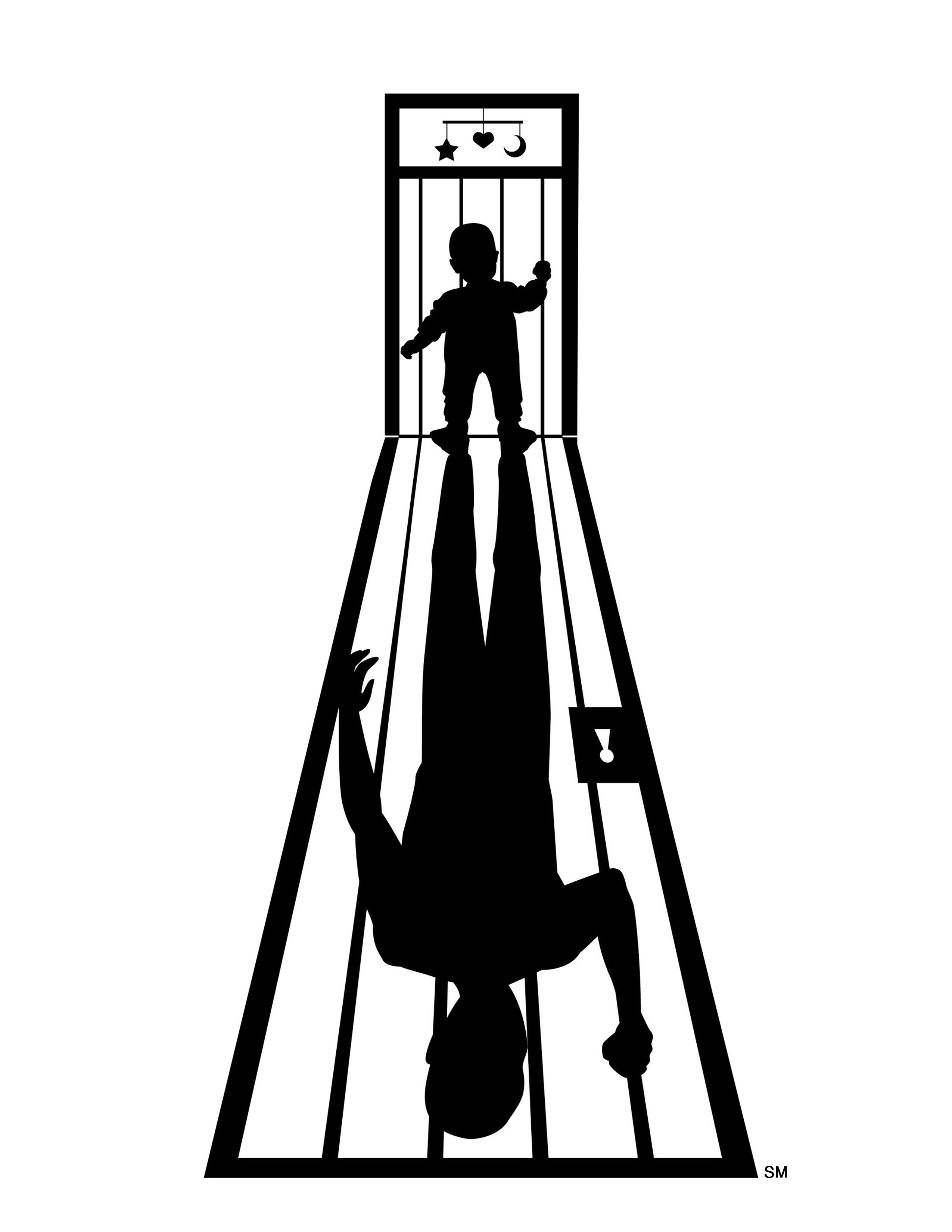
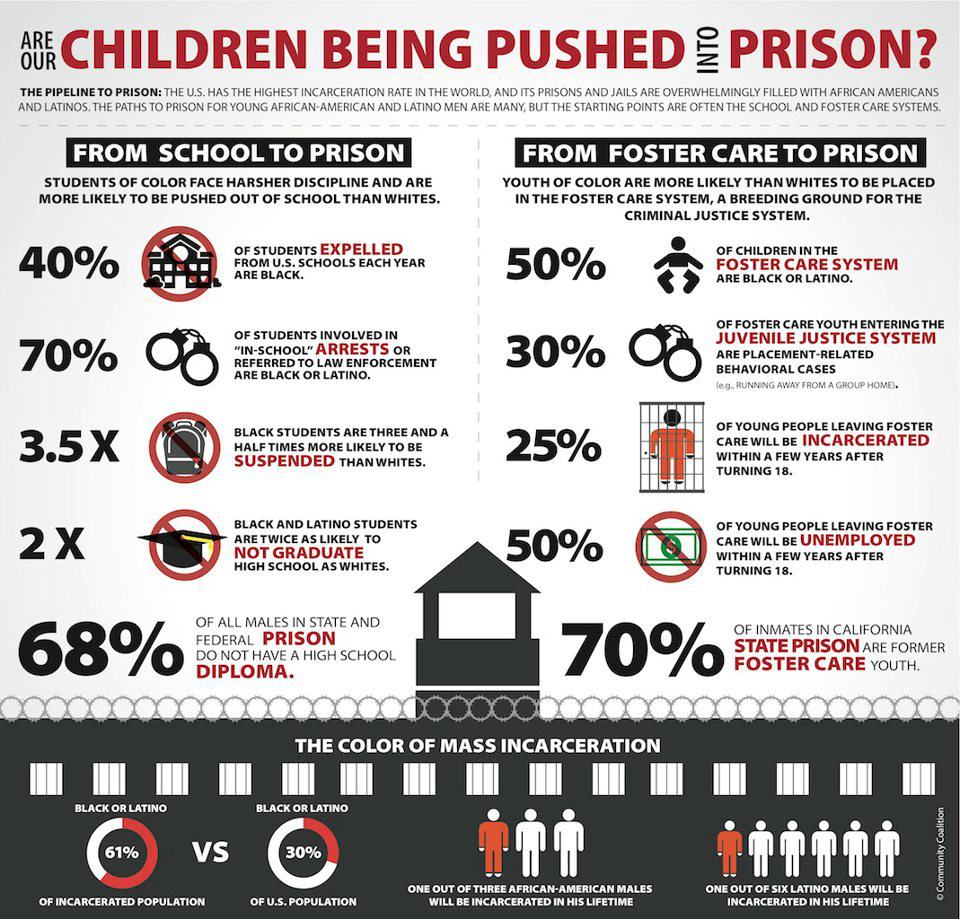
    For my master’s report, I will be discussing the school-to-prison pipeline theory in terms of it’s solutions. Most stories and documentaries about this issue tend to take the blame-route, primarily focusing on the types of children who are in trouble and the types of institutions that are to blame. I am currently taking a class about this theory and have read a variety of studies and stories about this issue. From what I have gathered, a lot of programs and legislation has been implemented to address this issue, but has not eliminated it. For instance, according to a Texas Appleseed report, Texas has decreased the population in state secure facilities by 60%, increased funding for community-based programs, and closed a few facilities. From this perspective, it looks like we have made a lot of progress in a short amount of time. In contrast, I visited a juvenile courtroom and detention center a week ago and sadly it was not empty. Observing the cases and touring the facility, I could feel my heart weep for all these youth who do not get a chance to tell their full story and are given an orange suit too quickly. I suspect there is a disconnect between the implemented solutions and the existing issue. To find the answer to this dilemma, I am interviewing individuals who have worked in education, detention facilities, and promising programs to dig deeper in what has been implemented and their take on what still needs to be done. I will also be using data analysis and research from a variety of organizations dedicated to solving this issue. This project will be a long-form article with a creative media component. If you or someone you know have a story to share about this or suggestions for resources, please comment here or contact me.

    Source: pbs.org/tavissmiley
    Source: pbs.org/tavissmiley