Tag: digital influencer

  • How to Create Digital Content for Africa by Africa: Strategies for Personal Brands & Businesses

    How to Create Digital Content for Africa by Africa: Strategies for Personal Brands & Businesses

    Digital content is leveling the playing field when it comes to opportunities and connections. The influencer industry continues to transform as consumer behavior and technology evolves. What does this mean for Africa? With the increased global interest to support, invest, and collaborate with the vast spectrum of talent and innovation throughout the continent, this is the time to strategically position all of Africa’s voices. In this video, I share tips on how to develop a digital strategy, focusing on personal brands and businesses based in Africa and interested in tapping into the African market.

    As I mentioned in the video, your overall digital strategy should answer the following points:

    • What is your story?
    • What is your goal?
    • Who is your target audience?
    • Who is your competition?
    • What platforms or channels will you focus on?

    Even though there is a lot of material about digital marketing and digital content strategy in the West, not all of it appropriately translates for the African market. Each country in Africa holds different cultural norms, laws, and consumer behavior. Access to internet is also varied. Thus, traditional modes of digital marketing and strategy do not always fulfill expectations on the ground. That is why I decided to break it down here.

    Story

    As a personal brand, your story is the most important part of your strategy. It answers the question for your potential community as to why they should pay attention to you and trust you. Authenticity is key here. What have you overcome? What are you passionate about? How can you be of service? This does not have to be complicated or astronomically huge. The more vulnerable and intimate your answer is, the more likely it will resonate with the right people. This also does not require pulling heart strings. If I really did not grow up living in a shoe box in my Dad’s garage, I do not need to create a persona of struggle.

    As a business, your story is also the most important part of your brand. It provides your potential customers a reason to care about your product and trust you.  Authenticity and creativity is key here. Your people are also important. The brand story can encompass the narrative behind how the business began, the problem your product solves, the people who make your product a reality, and the people you want to serve with your product. Give your company a personality.

    Goal

    As a personal brand, you are building a community to take them somewhere. This can evolve over time, but pay attention to the value of your community. Take note of their questions and preferences. Develop a reliable way to communicate with them individually.

    As a business, your goal is to make a profit, of course, but also to establish your brand as the expert and preferred choice in your industry. This can be done in a variety of ways. In the video, I speak to advertisements, which need to be clever and not look like an advertisements. Other options include educating your audience, showcasing your employees and customers, plus hosting experiences.

    Target Audience

    As a personal brand, I feel there are two branches to this. One, create an imaginary person who you think would benefit from your content or service. Second, focus on the lifestyle, mindset, or experience you think your potential audience would be attracted to.

    As a business, your audience can be more narrow in terms of who would purchase your product or service. However, a developed online brand expands your potential customer reach.

    Competition

    As a personal brand, this is where market research comes in. Follow and study hashtags and brands to understand what is working and trending. This will lead you to understand where the void is and how you can fill it better.

    As a business, expand your market research to see how others in your industry are positioning their brand online. Also study your customers online preferences and behavior.

    Platforms or Channels

    For both personal brands and businesses, set up an account on every platform that is widely used. This is free and is important to keep your brand professional. Then, take the time to understand how your story and goal translates into each platform. You do not need to be active on all of them, but you do need to be effective on the ones that work for you.

    There is such a wide space for this. For example, in Ghana, there is a growing number of creators producing a variety of media. There is so much room for more sponsored content between local businesses and these creators plus strategic positioning to establish these voices as experts in their industries. This also is where aligning the content and strategy with the cultural norms, laws, and consumer behavior for the country is important. For instance, the news about 5 Egyptian women being arrested in Egypt over the videos they posted on TikTok illustrates how important it is to balance all the information you are consuming globally and how to safely position your voice on the ground.

    I feel the influencer and brand industry can fill part of the void in market data in Africa. As a voice with an engaged community surrounding your expertise, you can be the liaison between opportunity interest coming from brands and investments in and out of Africa. This is an exciting time.

    I hope you found these tips helpful. What else about digital content strategy would you like to learn about? Let me know in the comments.

    Also, who is your favorite African influencer or brand? Share with me in the comments.

    Remember to connect with me on Instagram, Twitter, or Facebook. I love hearing from you.
     

  • Can We Capitalize on Creativity Equally

    Can We Capitalize on Creativity Equally

    Creativity has reached new heights with the internet and social media. Gone are the days when your brilliant artwork was only framed on your parents refrigerator. Now it has the potential to go viral with a simple tweet, insta-post, or snap. The question is, where does all of that new attention lead to?

    dagnyzenovia_colorpair2

    Digital influence, according to Techopedia, is the ability to create an effect, change opinions and behaviors, and drive measurable outcomes online largely through social networking. So, it is more than just a popularity contest, but still has some mystery behind it. As I learn more about branding and production to enhance my blog and future projects, I have noticed a variety of patterns in what gets loved and lost. Also, being interested in intellectual property and legal protection of creativity, I have noticed a gap in protection and awareness.

    dagnyzenovia_colorpair5dagnyzenovia_colorpair9

    Certain niches or content tend to pick up more attention quickly. Women are the majority of online creators. Fashion and beauty get the most attention. The definition of quality content is based on a preference for polished personal branding. This is where the difference among titles comes into play.

    • The blogger post has a few paragraphs similar to a journal entry with a lot of pretty pictures, sponsored links, and social media followers.
    • The writer post has numerous paragraphs similar to a short story with a few illustrations or gifs, helpful links, and social media followers.
    • The journalist post has numerous paragraphs similar to a news article with pretty pictures, source links, interviews, and social media followers.

    For the consumer, the internet is a great asset because you have access to all kinds of content. For the creator, depending on your circumstances, the internet feels highly saturated. Which of these three posts would you pay the most for? Which of these three posts do you think receives the most revenue?

    dagnyzenovia_colorpairdagnyzenovia_colorpair4

    Monetizing creativity is not a new phenomenon, but the internet has taken it to another level. This new level of digital influence comes with some questionable characters. People can buy followers, likes, and comments. This diminishes the credibility and value of the digital influence industry, which was brilliantly called out in this article by The Luxury Spot. On the other hand, since this industry is still evolving, there are no concrete rules or rates. Creatives who are organically growing their following are being ripped off by brands. Refinery29 did a great article about this issue. I am glad to see others sharing information and insight on this, but we still have a long way to go to establish whether this industry is a passing trend or a substantial career.

    dagnyzenovia_colorpair8dagnyzenovia_colorpair7

    Across the board, according to the digital influence experts, the one guaranteed way to monetize your creativity online is through e-courses. Initially, online courses with recorded lectures and live interaction were popular among some universities in 2012. This phase faded for reasons I am not sure of yet. Later, bloggers picked it up and adapted it to their niche. From DIY projects, to parenting tips, to business advice, there is an e-course on everything. There are even e-courses to teach you how to create an e-course. Now, we have celebrities doing e-courses: Serena Williams teaches tennis, Christina Aguilera teaches singing, and Dustin Hoffman teaches acting through MasterClass. These courses range from hundreds to thousands of dollars. That adds up to a pretty nice profit. The question is, does the value of the course equal the price? Is the curriculum viable? Is the information more than what you could Google yourself? Depending on what you are looking for, the course could be great or fluff.

    dagnyzenovia_colorpair10

    Protecting creativity is also not new, but does need an upgrade. I worked at a pro bono trademark clinic this past semester and gained some insight in the business behind creating and filing trademarks and copyrights. Our clients were traditional small businesses looking to trademark logos and names, but the work got me wondering how these intellectual property laws apply to new media and digital influence. For example, someone creates something really funny or catchy on Vine or Snapchat and it gets a big response. Then, someone else with a bigger following (who might be a real celebrity or company) picks up the original clip, copies it, and posts it as their own with their face on it. Technically, your work is entitled to copyright protection once it is created. Can the original person present their Vine in court as evidence of copyright infringement? Since the majority of social media is free, the likelihood of anyone paying for litigation to protect their work is slim to none. We need to enhance the support and protection of those who create and innovate. What incentive is there to share your work when it is overlooked or stolen? The Fader did a great article on this issue.

    dagnyzenovia_colorpair6Small

    When balancing popularity contests and mysterious algorithms with no support, it can seem capitalizing on creativity equally is not possible. With the variety of creators and innovators I have interacted with, I think we can shift this digital influence industry to be a more wholesome experience. This is not public radio or cable TV, where the advertiser, sponsor, and shareholder dictates what and who is seen or heard. This is the future of content and culture. The advertiser, sponsor, and shareholder might continue to make the bulk of the profit from this new medium of content, but the consumer is demanding more of a say in what they want to see and hear. We can make an impact on this. So many of us digital influencers are part of the “side hustle” club. Our skills and talents cover more industries than you would expect. Let’s think outside of the box to not only contribute to the never-ending feed of polished photos, funny videos, and trending hashtags, but to also take ownership of an industry we created.

    dagnyzenovia_colorpair3

    What do you think about capitalizing creativity? What do you think about digital influencers? Can we bring equality to this industry? Let me know in the comments below. Also, remember to connect with me on Twitter and Instagram. I would love to hear from you.

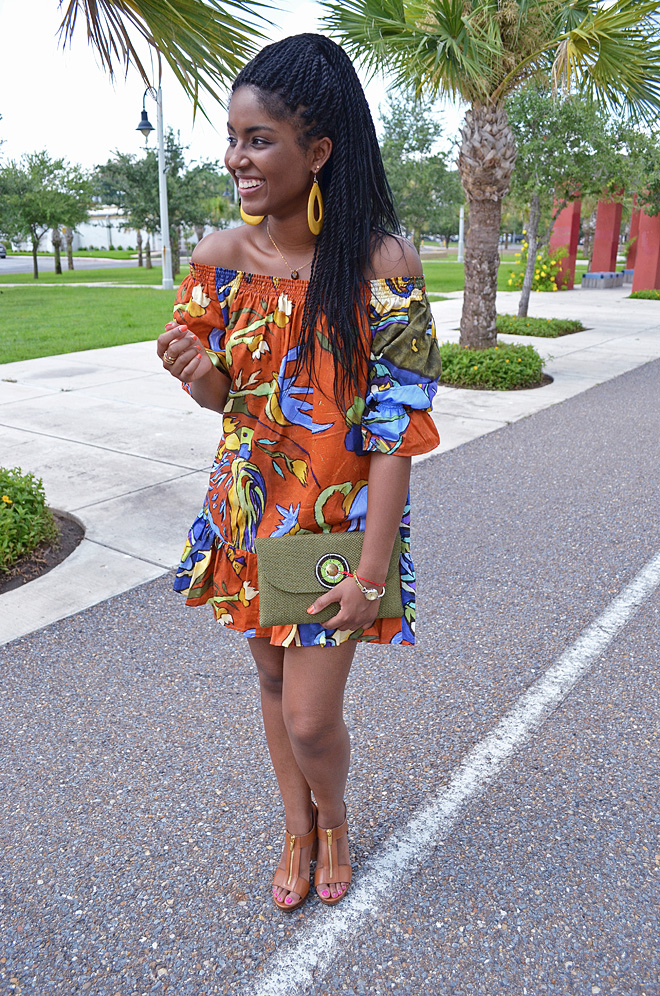
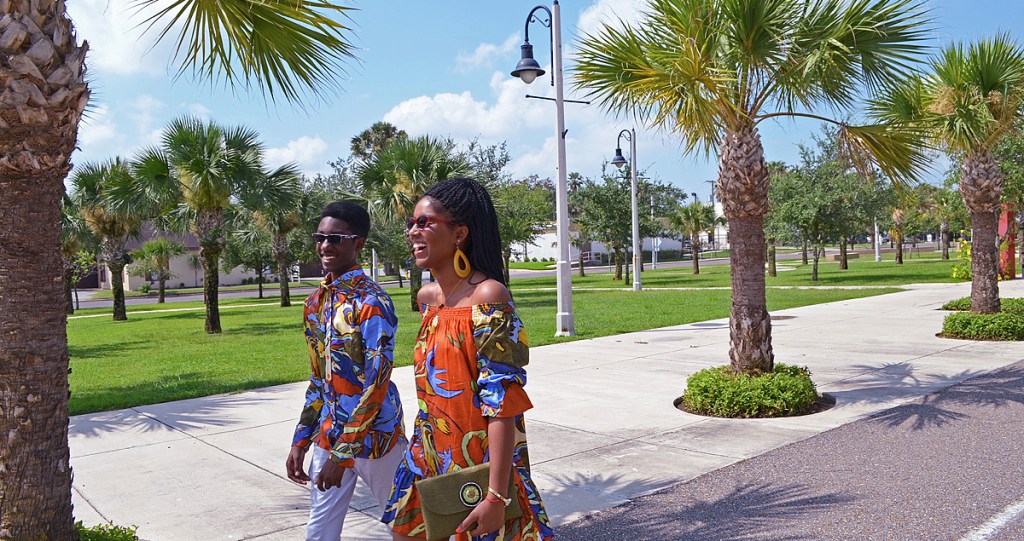
    Wearing: Angela Taioni dress and shirt; Michael Kors heels; Clutch made in Liberia

    Big thank you to Uncle Nii Bonney and Auntie Damali for these beautiful clothes. They really are a work of art.