Tag: Beauty

  • Can I Find My Niche in Ghana & Africa

    Can I Find My Niche in Ghana & Africa

    Africa is the future. The real question is, whose future does it benefit? What does Beyond the Return look like now? Before moving to Ghana, I did a lot of research to try to understand the country and see where I could fit. Even though that helped to encourage me to take the first step, it did not compare to what I needed to learn on the ground. In this video, I discuss what has worked for me in finding and creating my niche in Ghana and Africa.

    As I discussed in the video, nothing compares to learning from experience. Being patient, adaptable, and open to learning will take you much further, if you are looking to find and create your niche in Ghana and Africa.

    Networking does play a role in your success. Instead of insisting there is only one way to do this, I encourage you to explore what works for your industry and your personality. Some people need to be in everyone’s face. Others prefer to keep their circle of contacts small and close. I have found that a mixture of in person socializing and online outreach allows me to have a diverse network of people to learn from, collaborate with, support, and work with. This lends itself to the work culture in Ghana. You do not need to limit people to one transaction or interaction. The person you purchase furniture from can also introduce you to a business opportunity, help you with your garden, invite you to meet their family, or find that particular gadget that is not available in stores. The person you met at an event can also collaborate with you on a project, introduce you to the manager of a bank, teach you how to cook traditional dishes, or introduce you to their tailor. It all depends on how you value and maneuver your interactions.

    Even though these connections feel more wholesome compared to the isolating transactions I experienced in Houston, or America in general, I am still learning how these interactions evolve to create your closer circle of friends. This might be influenced by the societal notion that everyone should know their place. Some people, in spite of interacting with each other for an extended period of time, may never feel comfortable enough to invite me into their home. As an American, this is not unusual because we all have friends who don’t know where we live. From my understanding, Ghanaians do invite their real friends home and introduce them to their families. I have also learned that people in Accra are different from people based or born and raised in other parts of Ghana. This might be similar to other big cities, but the sense that not everyone is truly as they seem or say is not foreign in Accra. I am very grateful that I have met and continue to connect to the people who are wholesome, supportive, authentic, and interesting.

    Regarding the established network groups I mentioned in the video, I feel they are a great start to get a sense of who is around, what people are talking about, and what you can connect to. Ahaspora is a group for young professionals. I have also used their job listing to find opportunities. AAAG, the African American Association of Ghana, is the group that introduced me to the W.E.B. Du Bois Center in Accra. Ghana Must Read Book Club is a lovely group of book nerds. I really enjoyed the meet up I attended to discuss Children of Virtue and Vengeance by Tomi Adeyemi. This year, each month is dedicated to a different region of the world. There are many more groups for a variety of interests through out Ghana. These are the ones I have participated in thus far.

    When it comes to figuring out if your industry exists in Ghana, or another country in Africa, it is important to remember that it may look different than what you are used to. Even though most of the data you need will come from word of mouth, there are startups developing ways to gather that data for all industries. Survey54 is a platform focused on emerging markets in Africa and its diaspora. I met the founder, Stephen Eyeson, in Ghana during the December holiday season. Him and his team are doing an impressive job developing their product. This article in African Business Magazine discusses the industries that are buzzing due to need to shift the economy into a digital landscape. Like I mentioned in the video, mobile financing, online education, and tele health are on their list. There is also a luxury market in Africa that continues to expand and grow. Another article from African Business Magazine discusses this in more detail. The speed of development, debt, and demand creates an interesting environment in Ghana and Africa. The mixture provides a blank canvas for you to choose how you further your business, make an impact, and gain in every aspect of your life.
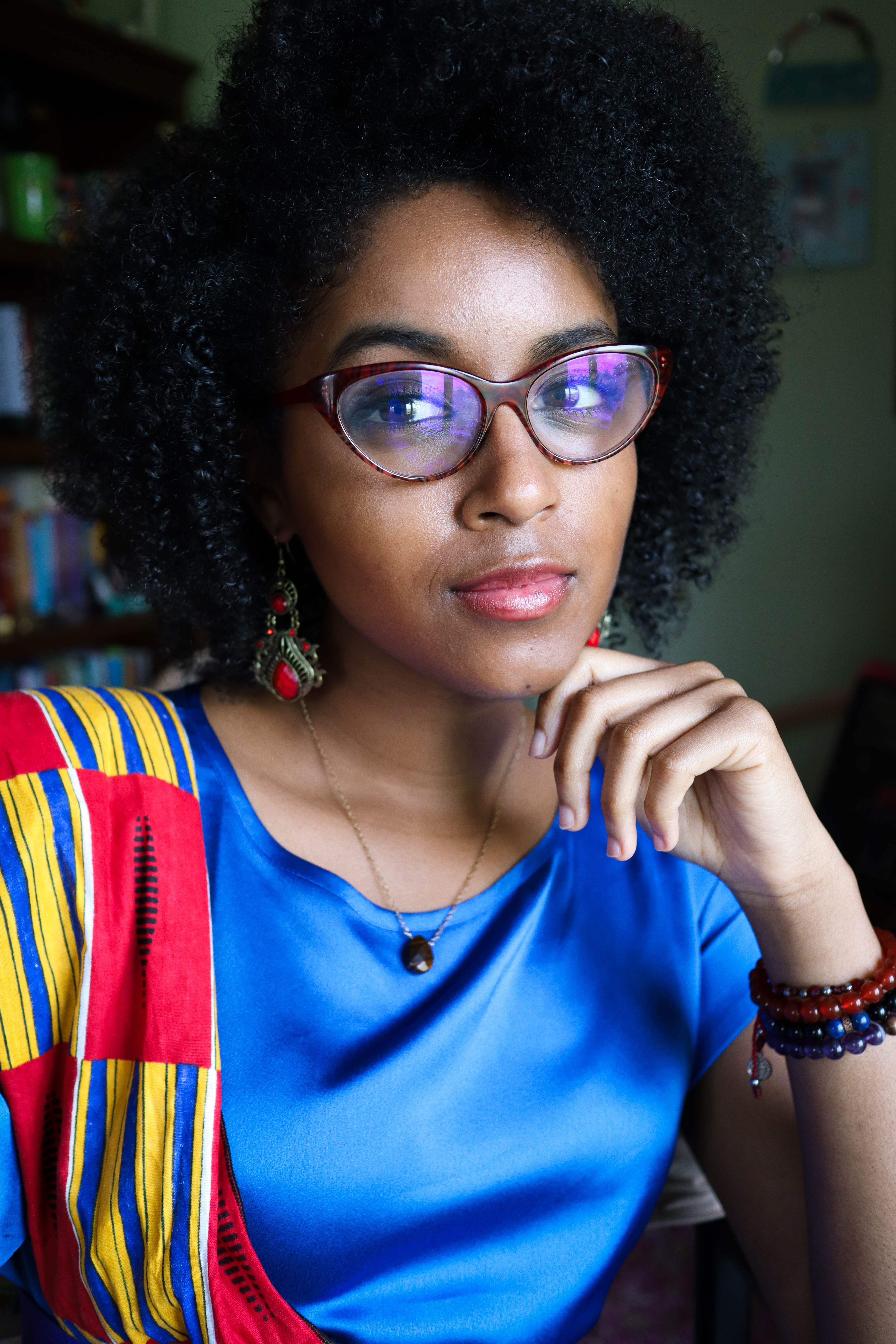
    Dagny Zenovia Niche in Ghana Africa Beyond the Return

    So far, this is what has encouraged me to continue my journey. Are you looking to move or work in Ghana or another country in Africa? Are you already based in the royal continent and looking to expand or pivot? What do you find helpful? Let me know in the comments. Let’s continue the conversation.

    Also, feel free to reach out and connect with me on Instagram, Twitter, or Facebook. I love hearing from you.

  • The Teddy Riley vs Babyface IG Live Battle & Protecting the Culture during the Live Stream era

    The Teddy Riley vs Babyface IG Live Battle & Protecting the Culture during the Live Stream era

    Let’s talk about the historical, monumental, and hysterical Instagram Live battle between Teddy Riley and Babyface. This was the most anticipated battle of pandemic era time. Nostalgia for 90s R&B and New Jack Swing plus block parties brought around 500,000 people to watch this epic dual of music producers. They had to bring the hits, the shade, and the legends. In this video, I recap on how the battle went down and discuss what this live stream era means for culture.

    Now, let’s dive deeper. As I mentioned in the video, this was such an enjoyable virtual experience. It was so cool to feel connected to everyone who is feeling the same nostalgia and joy in music and teasing each other. Taking note of how crisp Teddy Riley’s individual live stream, this is a really exciting time to see how virtual experiences evolve.

    Looking to Instagram Live for music entertainment began with DJ D-Nice and his DJ sets coined “Club Quarantine.” In March of 2020 he set the record for the most live stream viewers in the history of Instagram while playing 9 hours straight. This was encouraging and uplifting because, if you read his story, he has been in the entertainment business for a long time without fully being recognized for his talent. He started in the mid-1980s as a member of a teenage hip-hop group Boogie Down Productions. He released a solo album in 1990 and 1991, which were produced by him, sold half a million copies, and reached #1 on Billboard’s Hot Rap Tracks chart. In spite of that, Hip Hop was considered one hit wonders by the main stream music industry, so his record label did not renew his contract. He later added photographer and DJ to his high-profile collection of hats. Fast forward to the stay-at-home order in L.A., DJ D-Nice decided to share his gift and live stream his DJ sets while sharing stories and shouting out people who were watching. You can read more about his story in this LA Times article.

    giphy

    This lead to the next wave of Instagram Live Stream trends: R&B producer battles. Swizz Beats and Timbaland host Verzuz beat battles on Instagram Live. In this series, two prominent producers pair up on IG Live to prove who has the better catalog. The live viewers decide who wins. Similar to the original DJ battles in Hip Hop history. Read more about who won the battles so far in this Vulture article. This series has been really cool because you get to enjoy the music while also getting insight on how many people are involved in creating a song. I think it is also an interactive way to celebrate history and culture.

    Currently, these experiences are a way to cope and connect. I feel we should also be proactive in archiving these experiences and protecting the content. At the moment, live streaming is free and convenient. It will become the new normal for education, entertainment, and services. What does that mean for documenting and protecting culture? There are so many platforms to focus on. For example, during the Teddy Riley vs Babyface Verzuz battle, there was a lot of activity in the live comments and social media. There were also numerous reaction videos and articles. How could this be archived for a future exhibit?

    Dagny Zenovia New Jack Swing

    This got me thinking about the future of museums and experiencing curated history and culture. Will we feel comfortable again to enter a room with a large group of people to enjoy an exhibit? Can the things and people needed for exhibits travel reliably? Is there enough funding to maintain the industry as is? I am someone who loves to take my time in museums and galleries in real life. As of yet, virtual tours of exhibits cannot create the same ambiance. I am excited to see how some museums and galleries are being innovative in thinking outside of the box. For example, the CFHILL gallery in Sweden is currently hosting their new exhibit BLACK VOICES / BLACK MICROCOSM to illustrate the “fragile intersection of art and race, gender roles and beauty and socio-economic, as a miniature representation of what it is to be human and black right now.” The exhibit features artists and artworks from 15 cities on 3 different continents. It includes a digital show opening, live streaming, guided 3D tours, artist talks, and video footage made by the artists in their studios. This is so neat!

    Dagny Zenovia 90s R&B

    “But,” you may ask, “what about the money? How do we monetize these collections?” Well, Black Art In America, an arts media company based in Georgia, is currently hosting a Black Art Auction virtually. Their website includes an online catalog, bidding account, and in person previews via Facetime.

    When it comes to archiving, celebrating, and protecting the culture in the live stream era, we need to focus more on impact instead of likes and follows. Do we need platforms owned by people who represent the culture? Absolutely! Do we need people who represent the culture sitting at the table with established brands, platforms, and institutions? Absolutely! This is an opportunity to level and expand the playing field. Whether it is a live stream Hip Hop battle, carrot bacon, or Tik Tok dance challenge, we are once again setting the trends. This time, let’s own it.

    Dagny Zenovia retro cap

    Have you watched any of the IG Live sets or battles? What did you think of the Teddy Riley vs Babyface session?

    Do you enjoy museums and galleries? How would you like to experience exhibits now?

    Share with me in the comments. I love hearing from you. Feel free to reach out on Instagram, Twitter, or Facebook.

  • Perks Of Not Being A Mainstream Beauty

    Perks Of Not Being A Mainstream Beauty

    We like to blame the media for pretty much everything. Politics are out of whack. It’s the media! Kids are bringing guns to school. It’s the media! Everyone has low self-esteem. It’s the media! It is easy to blame something that cannot answer back and is so vast that there is no all-encompassing way to really track its influence. I will probably write about the other issues I mentioned in later posts, but here I want to focus on self-image and self-love.

    What is mainstream beauty? Tall, skinny, and pale? Blue or green eyes? Exotic and tan? I guess it depends on where you are from to answer that question. Just like those photo experiments where a girl sent her picture to several photographers around the world to edit to fit the beauty standards of their country – the answer varies. We also can note that there has been attempts to include the “non-conventional” model in fashion shows, commercials, and movies. However, for the most part, the image of mainstream beauty is not me.

    This is not a pity party. There are some advantages in not being the target audience of every beauty product, romantic comedy, award ceremony, and popularity contest. Growing up I was allowed to be a care free girl for as long as I needed to be. I looked up to Grace from Amazing Grace by Mary Hoffman and shared her adventures and wonders. I was also tall and lanky, had my hair styled in corn rows or braids with colorful bubbles, and had a big imagination.

    I looked up to Nzingha from The Royal Diaries by Patricia McKissack and believed that I too was a warrior princess ready to save all of Africa. I looked up to Hermione from Harry Potter by J.K. Rowling and felt encouraged to continue striving to have good grades. Even if the teacher did not want to acknowledge my worth, just like Hermione, I was learning for me and not for anyone else.

    I looked up to Dagny Taggart from Atlas Shrugged by Ayn Rand, whom I am named after, and felt empowered in my transition to becoming a young lady with a boss plan. Now, I did not only read when I was a child. I also played with Barbies, but I also played Nintendo, created fake mad-scientist experiments in the kitchen, and enjoyed pretending the grass outside was larva while climbing the swing set.

    These are the characters, along with my parents, who helped me develop my sense of self-love and respect. I was so involved and happy with my little world of positivity as a child that I do not remember noticing the lack of images that looked like me on TV or in magazines. My imagination was not warped. I did not wonder why my eyes were not purple like my Barbie. I really did not compare myself to what I saw in magazines or online until College, and even then, it was more about emphasizing what I want to be known for and how I want to portray my essence.

    I am grateful for my self-love journey. I still have some glitches to work on, but I think I am heading in the right direction. Sometimes I feel concerned about what is portrayed online and wonder if it really affects people like “experts” criticize. In case you are working on uncovering your beauty or are unsure of your radiance, here is some guidance:

    1. Visualize and Articulate your Identity

    Dagny Zenovia: Perks Of Not Being A Mainstream Beauty

    Who are you? Who do you want to be? If your name was listed in a dictionary, what would the definition say? I am not only talking about how you want others to see you, but more for how you feel about yourself. You should feel proud of yourself. Your presence is a gift to anyone who has the privilege to experience it.

    2. Appreciate your Jewels and Scars

    Dagny Zenovia: Perks Of Not Being A Mainstream Beauty

    We all have experiences we love to share and prefer to hide. You need to appreciate both your assets and your flaws. Once you own both sides of your essence, you will feel a boost of inner strength in knowing no one can shame or phase you by bringing up your past or chastising your future. You have to find peace with yourself before you can expect to move beyond grudges and hurt feelings.

    3. Only Compete With Who You Were Yesterday

    Dagny Zenovia: Perks Of Not Being A Mainstream Beauty

    This ties in the two tips above plus push it further. I think one of the reasons why my persona presents a calm confidence is because I do not focus on competing with others. I genuinely celebrate others achievements, but I keep my game plan separate. It is easier said then done, but with persistence and determination you will find clarity in almost everything you do. Less time will be spent questioning your dreams and other people’s intentions.

    Now, I know these tips sound more like meditation guidelines, but stick with me here. Uncovering your beauty is not only about finding the right shade of lipstick, style of clothes, exercise routine, and diet habits. It is also about nurturing your mind and soul. It is about achieving a balance of contentment with how you have progressed and where you are heading. I really feel this is the way to allow your inner radiance to shine.

    What are you doing to uncover your beauty? How can we as a community help each other feel comfortable with our unique radiance?

  • Self Esteem vs. Instagram

    “This culture of hair crushes, girl crushes, hair twins, etc… may be causing more damage than good. I often think about the women, the ever increasing amount of women, who create entire accounts strictly dedicated to highlighting others’ good hair days – but behind the good intention does that woman love her own beauty?” – Shannon T Boodram

    Shannon T Boodram, author, TV host, and photographer, posted an insightful article that I think really spoke to the dynamics of beauty in an insta-world. The line between surrounding yourself with inspiration for what you want to look like and obsessively viewing photos to fuel your self-doubt can be very blurry. Shannon explains how important it is to be aware of this distinction and how easy it is to get glued to your Instagram feed. She also filmed a clip “How To Look Like Me TAG,” which I think is brilliant and funny. She recorded a reverse beauty tutorial to show what she looks like without any beauty products. Funnily enough, most of the comments for the article claimed that since she looks beautiful before and after, it does not count as a viable example of natural beauty. I beg to differ. Her video shows the following:

    -Confidence to show the public what she looks like without beauty products and admit she uses acne medication

    -Beauty is unique and shines with individuality. Make-up and extensions are only used to accentuate what you already have

    I think the fact that there is no drastic difference between the two images clearly illustrates her point about accepting your natural beauty. Do you agree? Referring back to her article, do you think the way we use Instagram is at fault? or is it something deeper? Let me know in the comments!