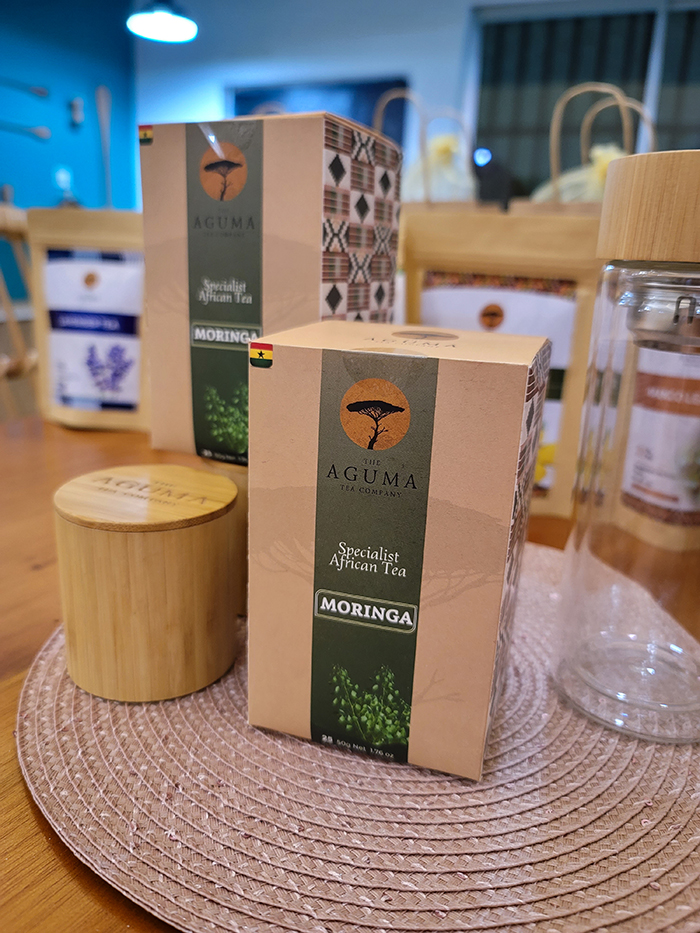
What do you get when you put a food scientist, an artisan tea manufacturer, and an innovative chef in the same room? A unique and memorable dining experience. I had the pleasure of attending the first Sip and Savor dinner experience hosted by Crescendo Foods in collaboration with Aguma Tea and Chef Britney. It was a 3-course meal tea pairing. Did you know you could pair tea with every course? Did you know you can cook with tea, too? Let’s indulge, shall we?
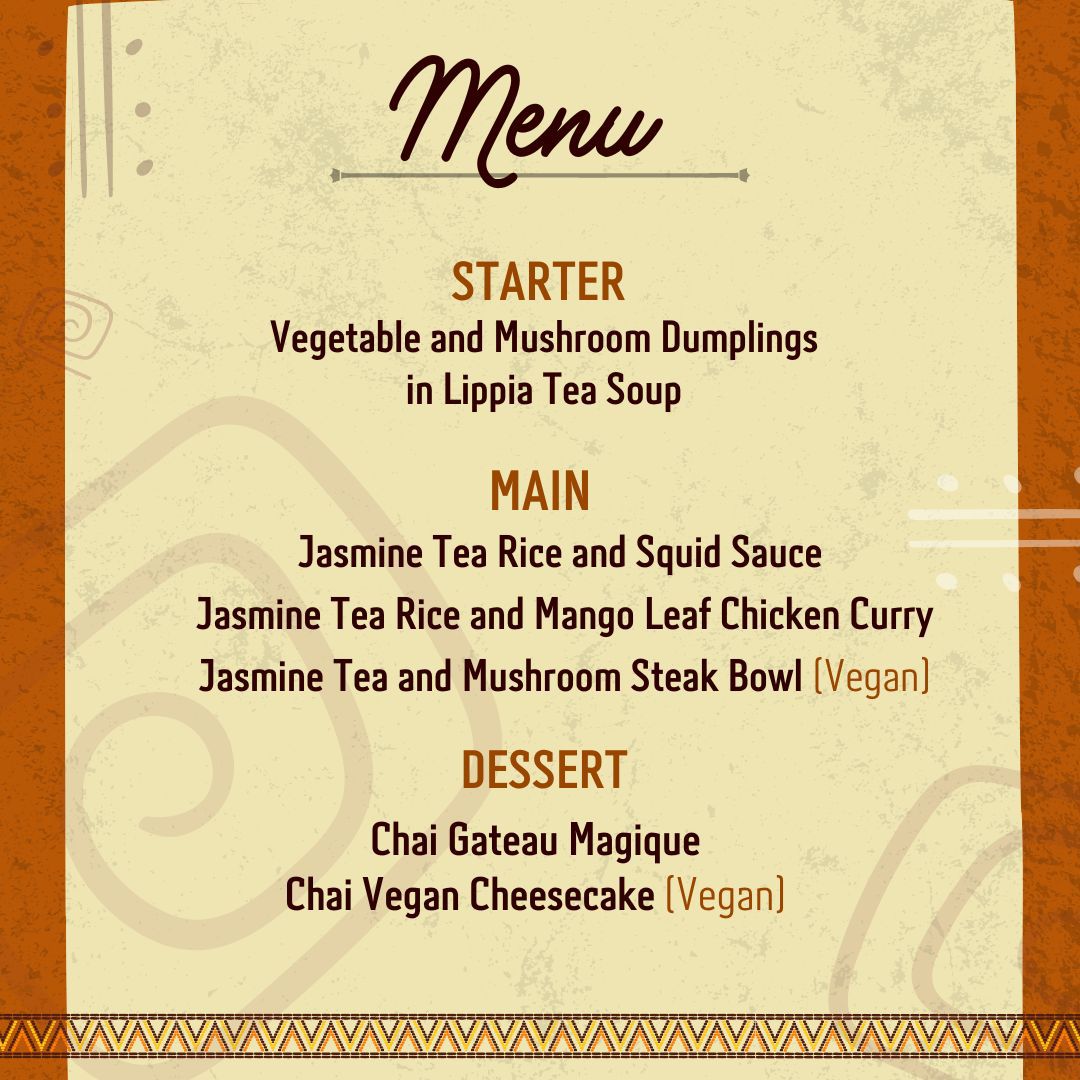
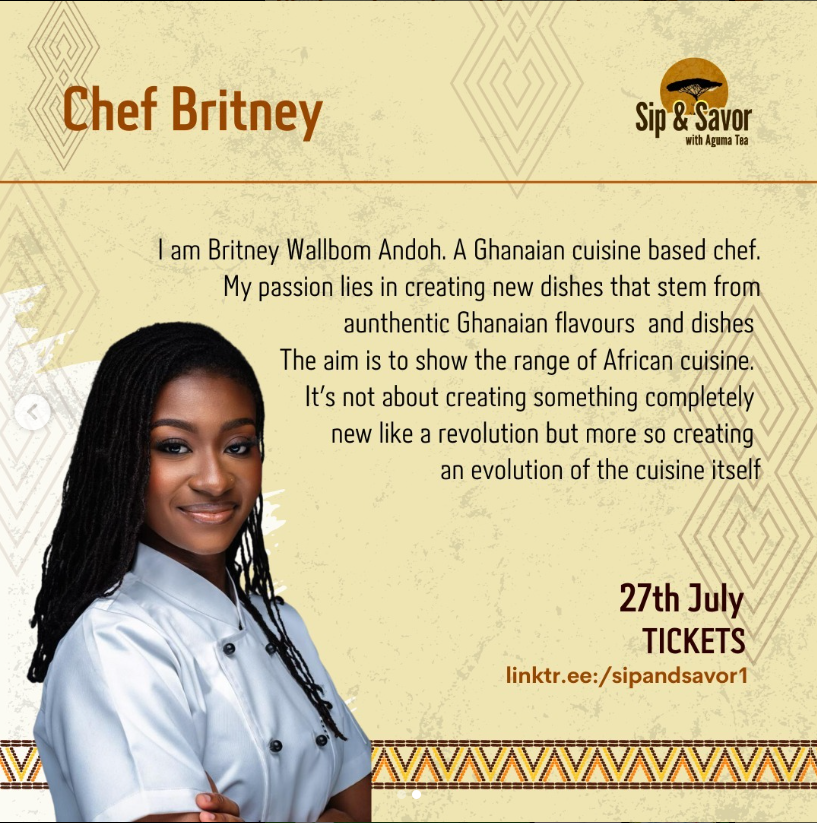
The event included a 3-course meal specially created by Chef Britney Andoh incorporating tea from Aguma Tea as a key ingredient. Here was the menu:
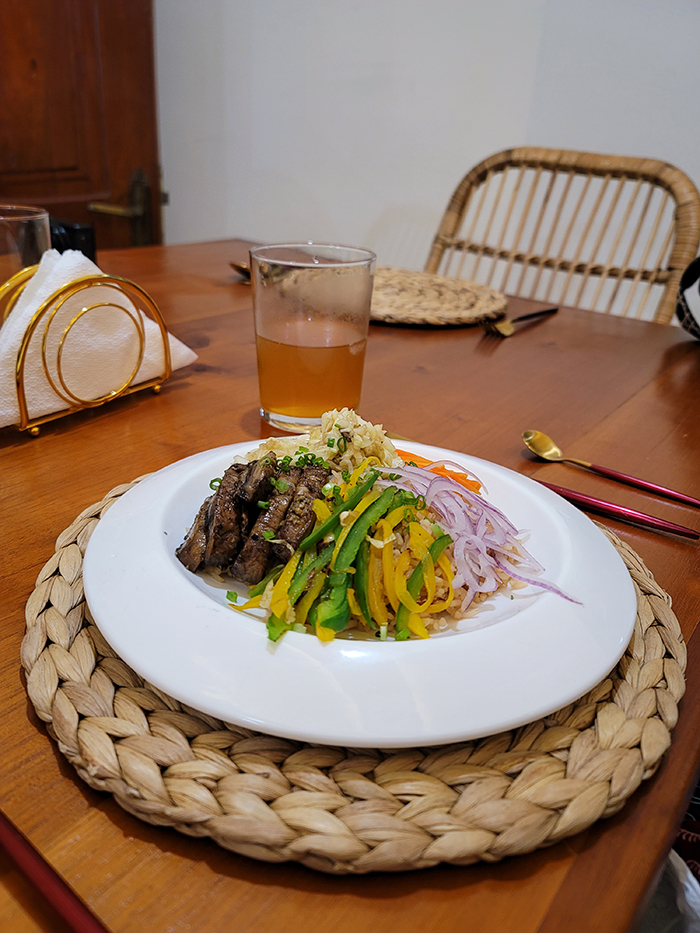
With each course, both Clarissa, from Aguma Tea, and Chef Britney joined us at the dining table to explain the inspiration and taste expectations for each course. I was the resident vegan guest and I enjoyed each of my courses. This was my first time at a tea pairing experience and I was pleasantly surprised at how each tea added an extra layer of flavor and personality with each drink and course ingredient. The Vegetable and Mushroom Dumplings in Lippie Tea Soup was spicy and delectable. The Jasmine Tea Rice and Mushroom Steak Bowl had a nice blend of sweet and savory, while still being flavorful and satisfying. The Chai Vegan Cheesecake was yummy. Like, I have no words because I need seconds…yummy.
As a kid, tea was something I was only given as an aid when I was feeling sick or as an aid to fall asleep. However, my mother and brother drink tea casually. My adult experience with tea has been varied, with a few memorably delicious experiences. Trying the variety of flavors Aguma Tea offers has inspired me to step up my tea game and be more intentional in cultivating a worthy tea collection.
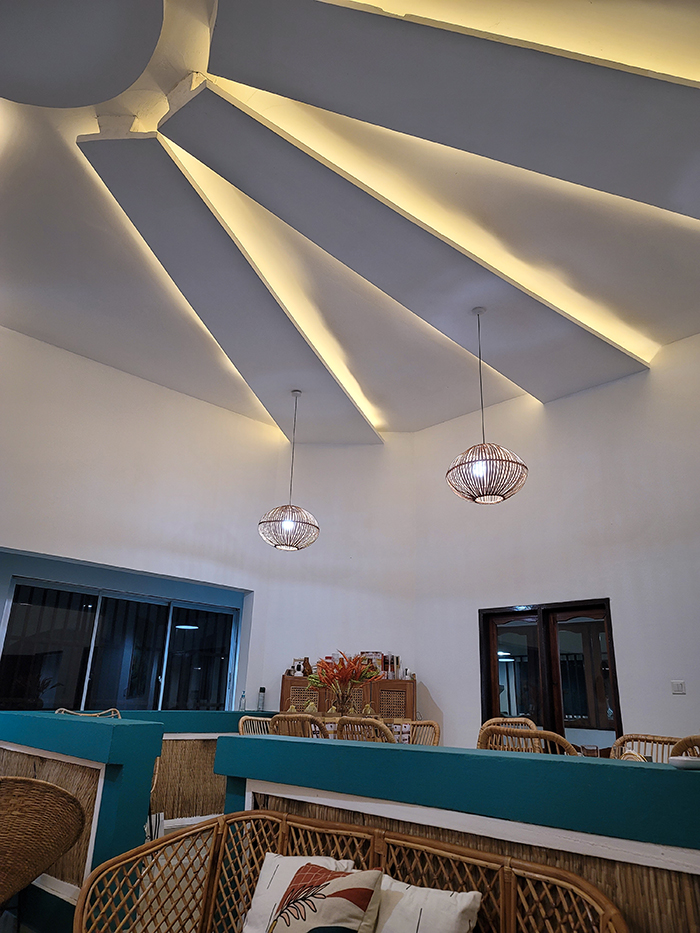
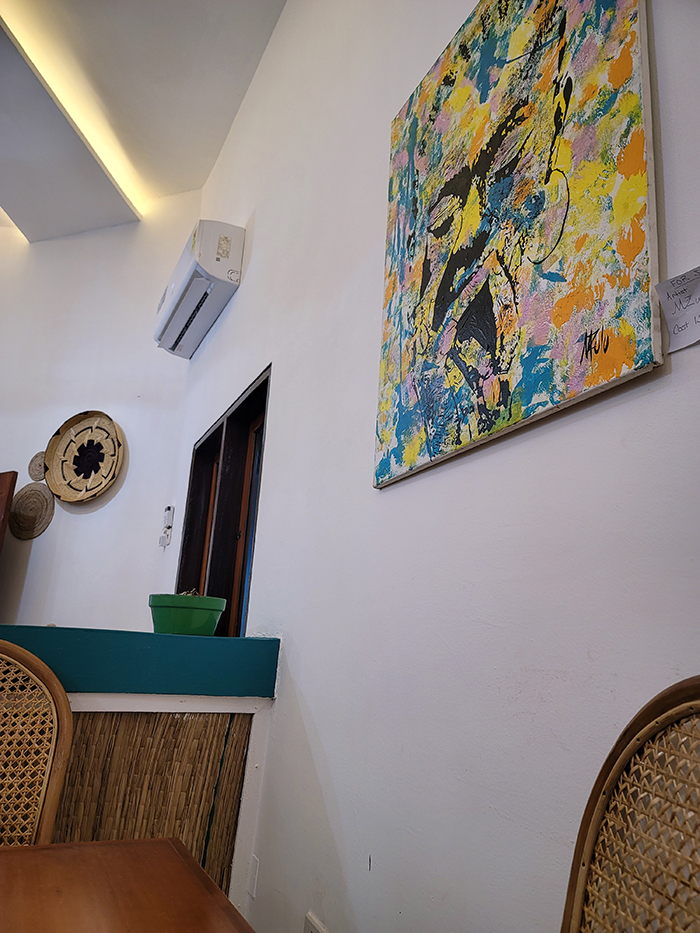
The space at Crescendo Foods provides a great ambience for intimate and collaborative dining events. You feel as if you are visiting a good friend’s home, which also happens to feature a private chef, for this event, a co-cooking space, a co-working space, and office space. It’s colorful and cozy.
The Collaboration
I love seeing brands and people collaborate because it provides room to innovate and grow. This event was a collaboration between three brands.
Crescendo Foods is the first food coworking space and shared kitchen hub in Ghana and West Africa. Dr. Wanida Lewis, founder and CEO of Crescendo Foods is filling the gap in food incubators by providing not only events and workshops, but also specializing in recipe development and food safety. Read more about her story here.
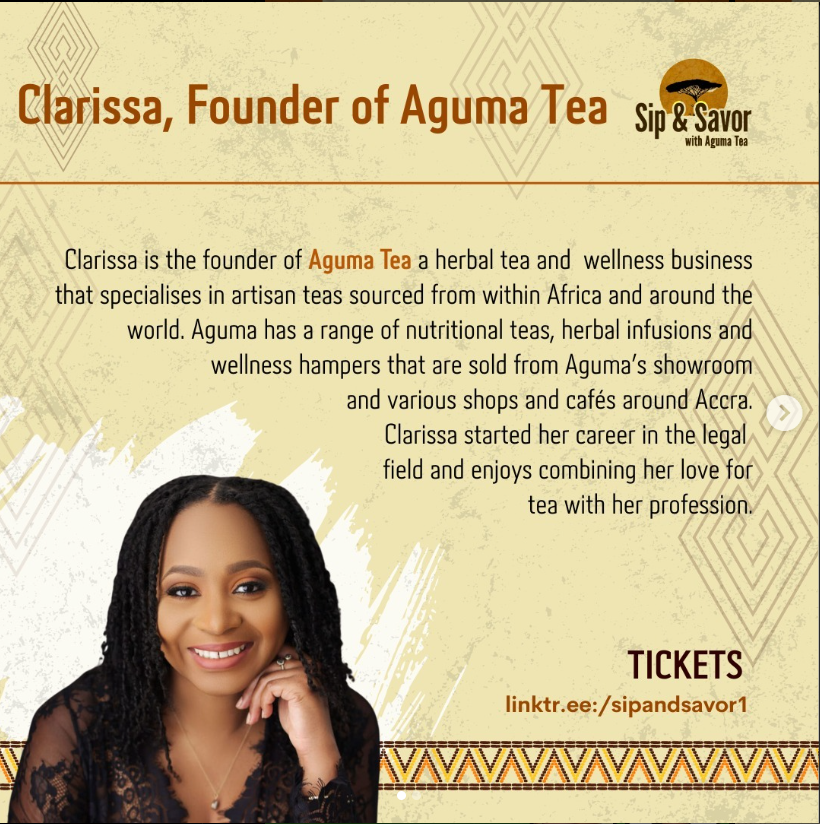
The Aguma Tea Company specializes in African teas, flowers, infusions, and herbals. They source their products and packaging from different African countries. Learn more about Clarissa and Aguma Tea here.
Chef Britney Andoh is one of the lead chef’s at NsuomNam Restaurant in Accra. Her dishes are known to be a fusion of traditional African ingredients and modern cooking techniques. She graduated from the Cesar Ritz Colleges in Switzerland with a Bachelor’s Degree in Culinary Arts and Business Management.
Cheers To Pioneers
Sitting at the dining table with the other guests encouraged a variety of interesting conversations. The group of guests were a mixture of Ghanaian, 1st generation diasporan, and diasporan. Naturally, we had to talk about the thought process behind choosing to move, work, or invest in Ghana and Africa. It was lovely to hear and hold space for the different perspectives.
I feel this event is part of the answer to that never ending conversation topic. Part of the thought process is about feeling called to be a pioneer. Each of these ladies are bringing innovation, expertise, and passion to their industries. Filling a gap and contributing to community. The question should not be “why do this in Ghana or Africa when (insert endless list of problems and excuses)?” Instead, it should be “how can I support or connect this to reach who needs this?” Food for thought.
Overall, I enjoyed my time at the first Sip and Savor dining experience at Crescendo Foods in Accra. The collaboration with the Aguma Tea Company and Chef Britney Andoh was informative, delicious, and pleasant. Make sure to check out the other events each of these brands have coming up. It’s worth it. You will enjoy it.
Have you been to a tea pairing dining experience before? Are you into food incubators? Are you are tea enthusiast? Let me know in the comments. I love hearing from you.
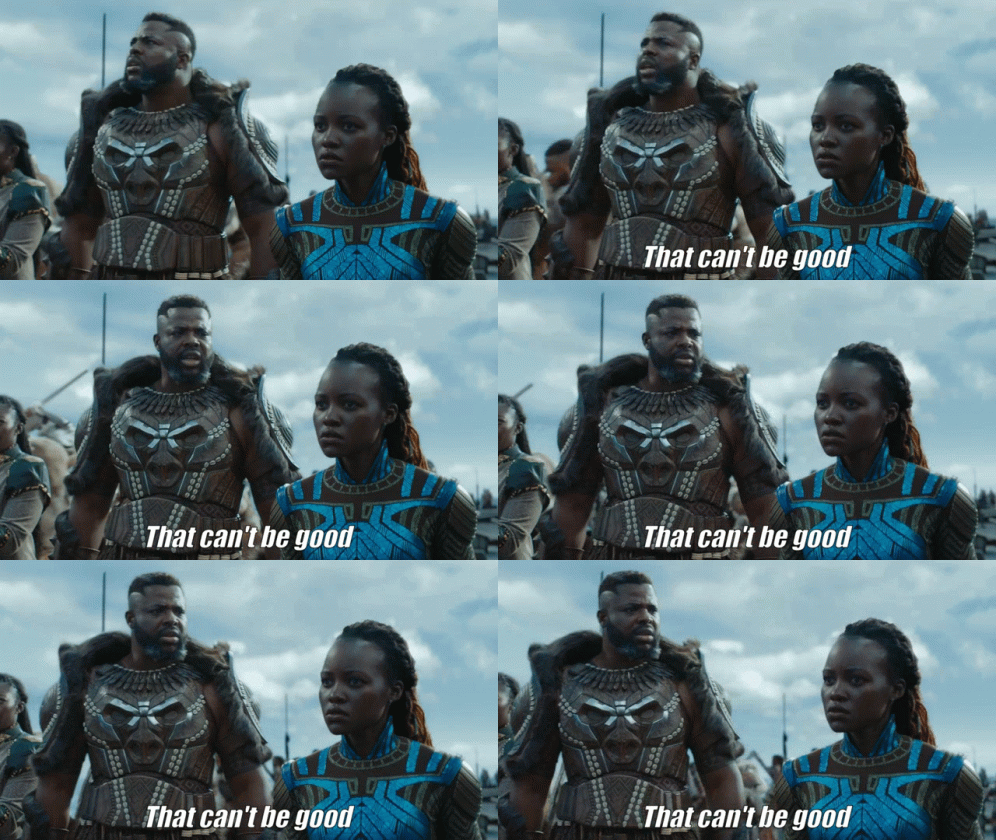
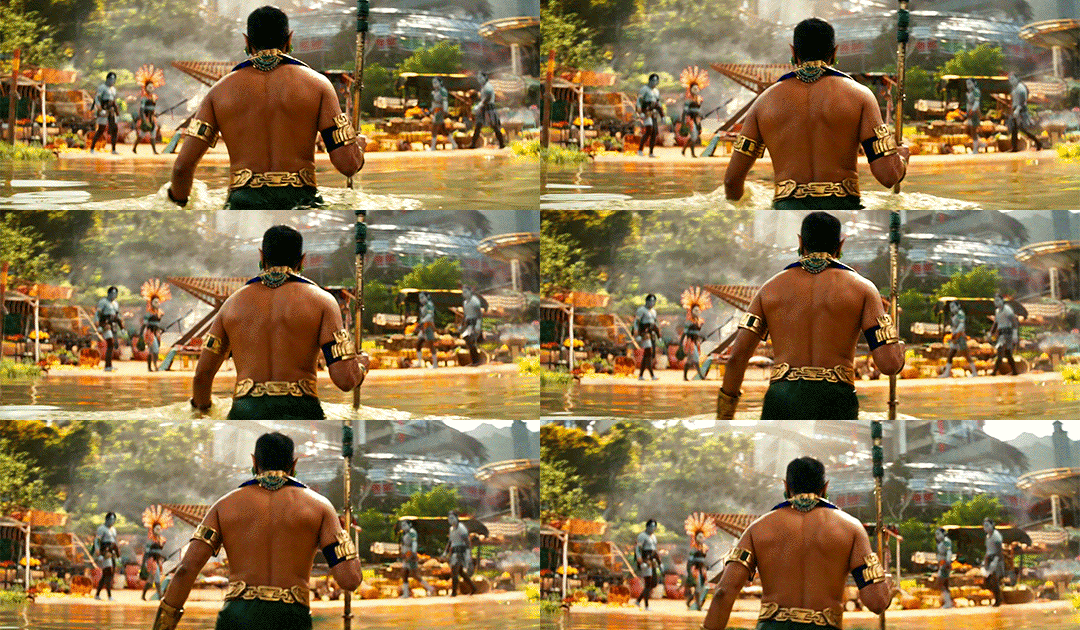
I feel we have had more than enough time to reflect, marinate, and embody our thoughts and feelings towards the direction Wakanda is going. Did the movie Black Panther Wakanda Forever give what it needed to give?
In this episode, we share how we felt about the movie and what themes stood out to us.
Which team would you choose to win this game? Team Wakandans or Team Talakans? Or Team 3?
One theme that stood out to me in this movie was the focus on the two most powerful groups on the planet fighting each other for 2 hours and 41 minutes over damage and chaos caused by a bully, colonizer, or institution of bully colonization. I feel this dynamic reflects reality in the two extremes we follow historically to steer change and playing the bigger game. Let’s unpack that.
Team Wakandans’ mode of operation is to be the bigger person. The noble one that navigates their decisions for the higher good. This is great and admirable, but can possibly hinder progress if done narrow mindedly. For example, Wakanda’s previous decision to set up an outreach program in Compton, California is wonderful. In addition to that, why could we not also set up an outreach program next door in Niger? That could also help balance out the exploitation bases there. Another good example is the scene at the UN meeting in this movie. The Queen of Wakanda is invited and two particular countries, the US and France, hold the majority of the dialogue in the scene. They insist the world is not safe if only Wakanda has access to vibranium and it is in the best interest of international policy to give it to the US and France. However, behind the scenes, they had already deployed their agents to try to steal the vibranium. Does this sound familiar?
Let’s connect some dots. Is it too much of a stretch to note that vibranium rhymes with uranium? Or that the US and France are currently in Niger playing the international diplomacy violin for the cameras and causing the proxy chaos behind the scenes for access to uranium? What role is ECOWAS playing? Are they showing up like Wakanda, calmly refusing to participate in the destruction of their neighbors while protecting their resources and people? Or are they volunteering to be played?
But, back to the movie. Team Talakans’ mode of operation is to be the only person standing…or swimming. When the opponent goes low, the Talakans will show you how low they can go. This influences their decisions to mostly drown first and don’t ask questions later. Similar to Wakanda, their heart is in the right place and they are valid in protecting themselves the way they do. Actually, I felt they have a better sense of what bullies are capable of compared to Wakandans. For example, when the King of Talakan was asked why he chose not to kill Shuri and destroy Wakanda, because he could have, his answer reflects a lot of wisdom. He understands the game, or scam, people on land play. He notes that Wakanda is the most powerful group of people on land, but they have no ally and obviously do not fully grasp the games others are playing. One day, Wakanda will need Talakans help. Talakan will give that help…probably for a price. It’s giving Godfather. It’s giving Mafia chess moves. It’s giving ancient Egyptian empire has entered the chat. Is it clean? Probably not. But is it effective? Possibly.
Now, let’s connect some more dots. Do you see how these two teams represent previous attempts to pushing for change and protection? One side wants to use reason and fairness. Wants to discuss and make arrangements. The other side wants to take back its power by any means necessary. Wants to protect its own by all costs. Because all their lives they had to fight. Two extremes that have played out throughout history all over the world. And yet, these two extremes have been played or blindsided each time by an outsider bully looking to distract and extract. That is something I appreciated about this movie. This dynamic is not only focused on Africa or Black vs white. Latin America, the Islands, Asia, and the Middle East have also experienced variations of this. All dealing with similar groups of bullies.
If this same game has been played for so long, why does everyone continue to play the same role? That is what I found fascinating. At least in the way I saw the movie. Wakanda and Talakan are powerful, but they are playing as pieces on the board of the game. While the bully is sitting at the table moving the pieces. Regardless of how strategic Wakanda and Talakan try to be, or how much effort, resources, or sacrifice they give, they can only see and fight what is in front of them, which is placed on the board by the bully.
Which team do you think can win at this game? Or, could we have a third option? Team 3 could leverage the combined strength of Wakanda and Talakan, but also be smarter to either be 10 steps ahead of the bully or completely transform the board game.
What do you think? Let me know in the comments. Again, remember, we are only talking about a movie. Based on a comic book and fantasy. None of this is real.
If you enjoyed this podcast episode, remember to subscribe here. We are streaming on Spotify, Afripods, Google, Apple, and Pocketcast.
We know we are not the only ones who can watch our favorite Studio Ghibli movies a million times and never get tired of them. Studio Ghibli is a Japanese animation studio founded in 1985. Their movie catalog is famous for unique storytelling that blends fantasy, adventure, and deep themes.
In this episode, we share our experience exploring our favorite Studio Ghibli movies, the story themes that stand out to us, and how to navigate the legacy and magic of a project when it needs to be passed on to the next leader or generation.
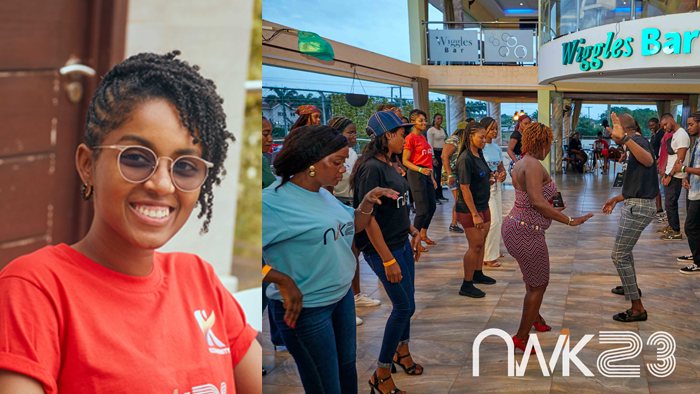
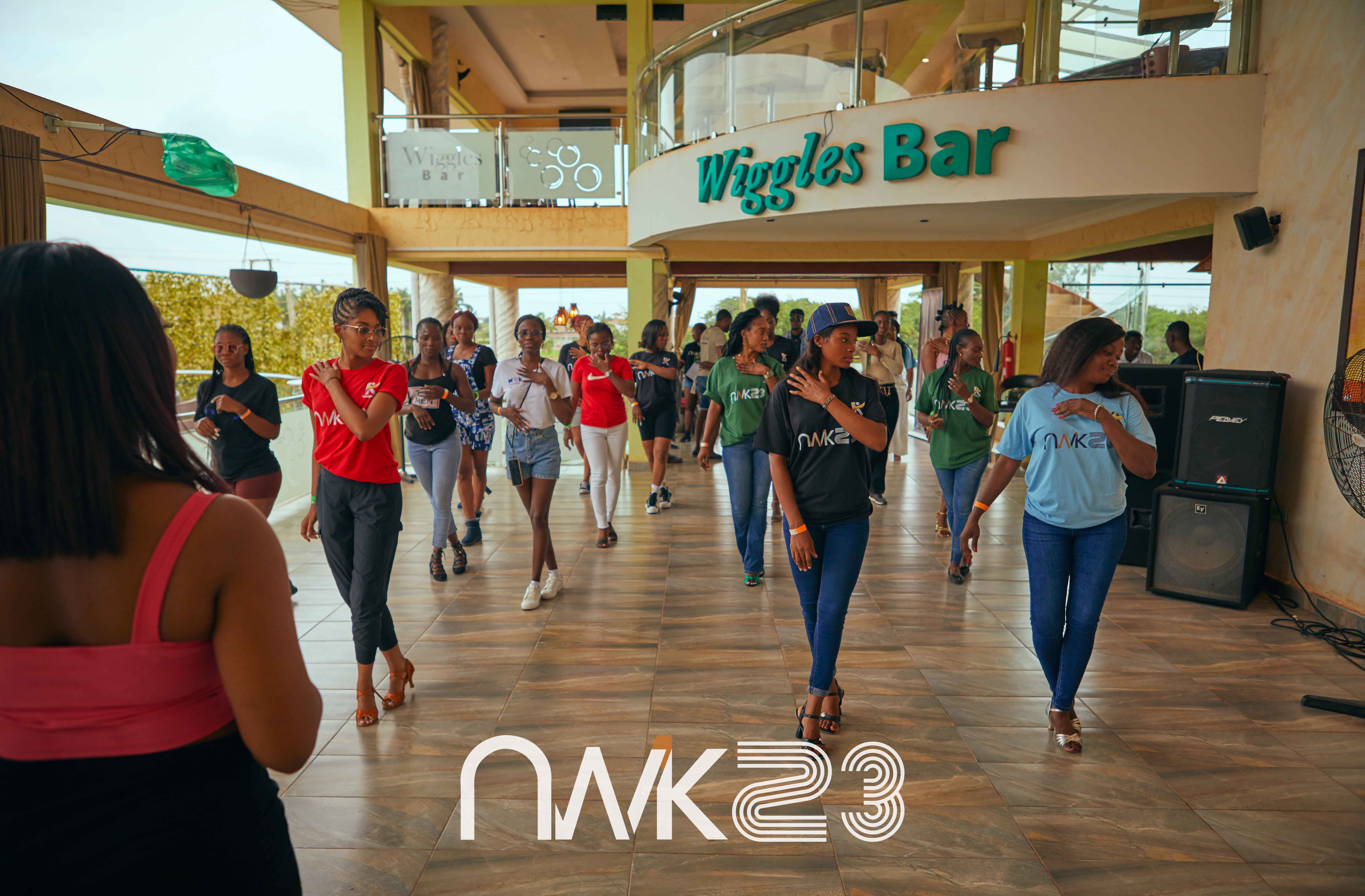
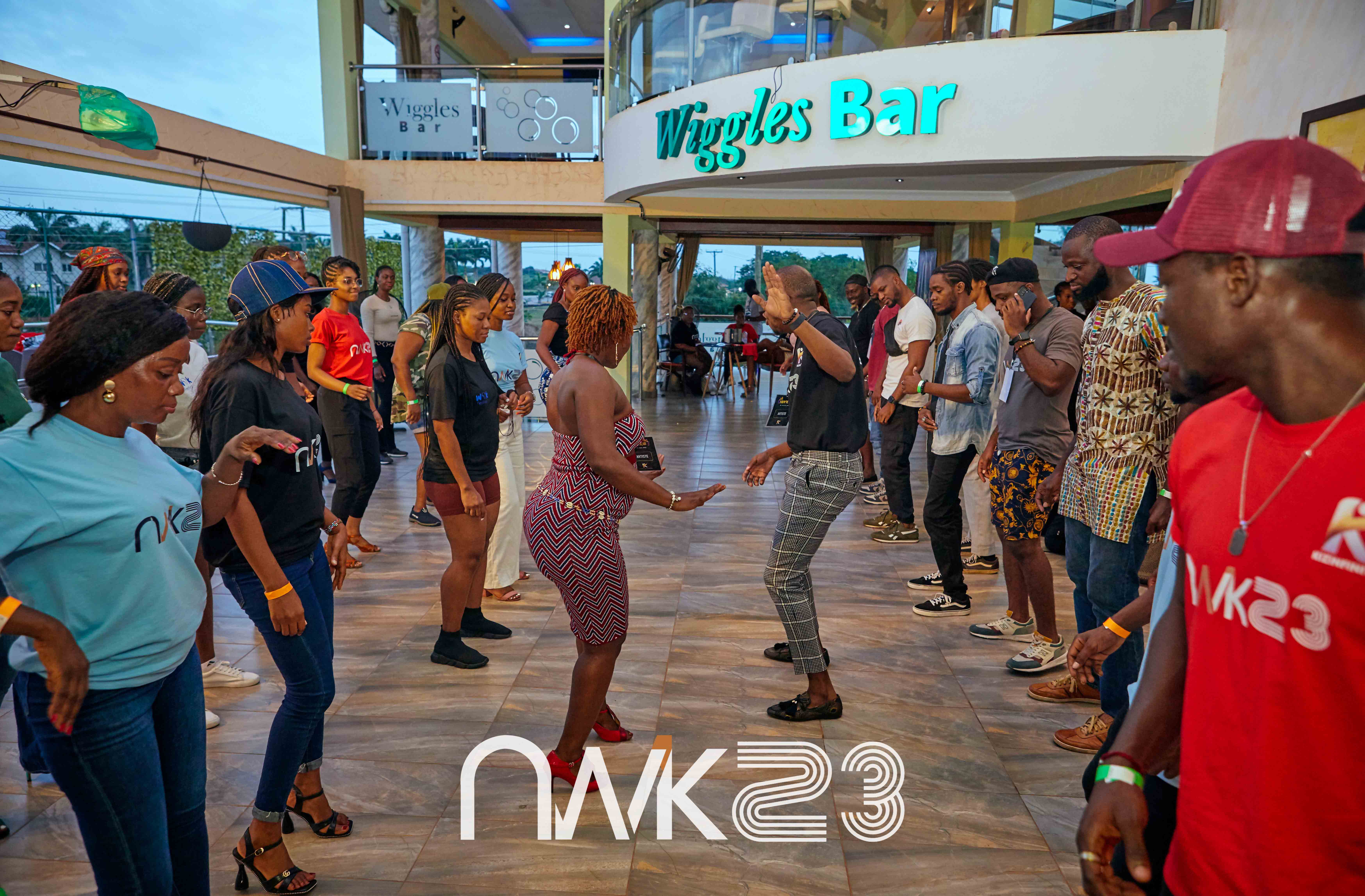
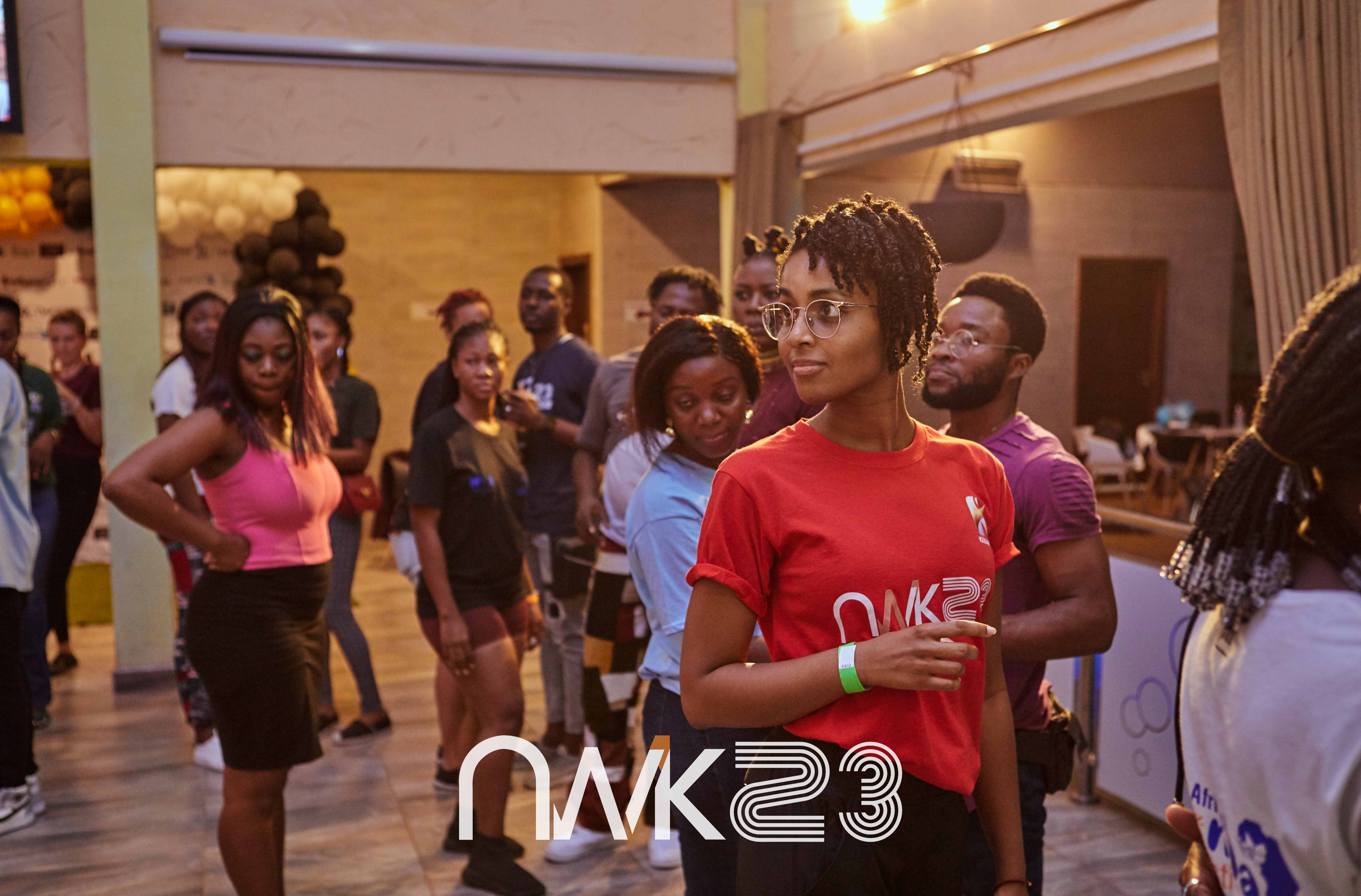
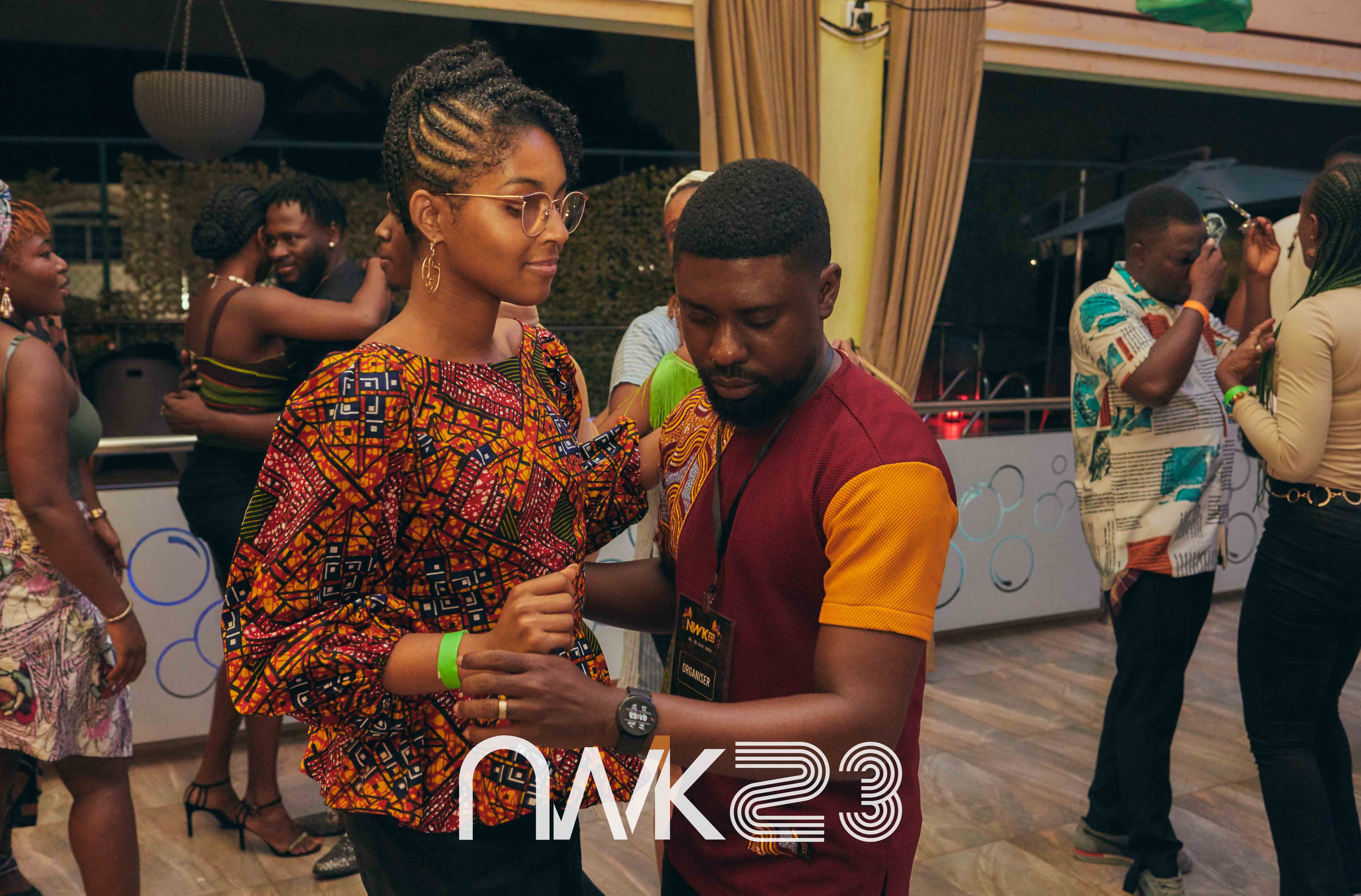
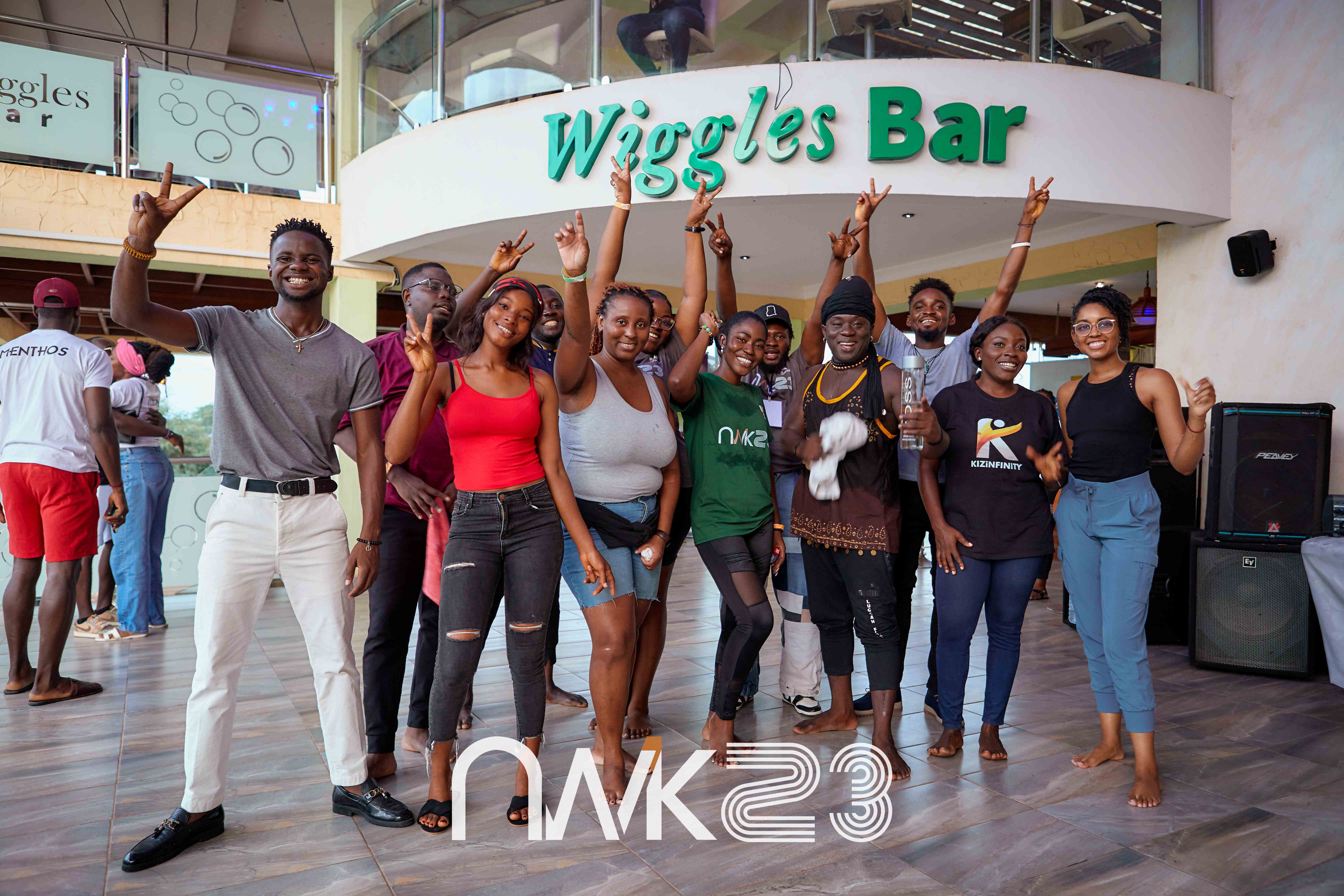
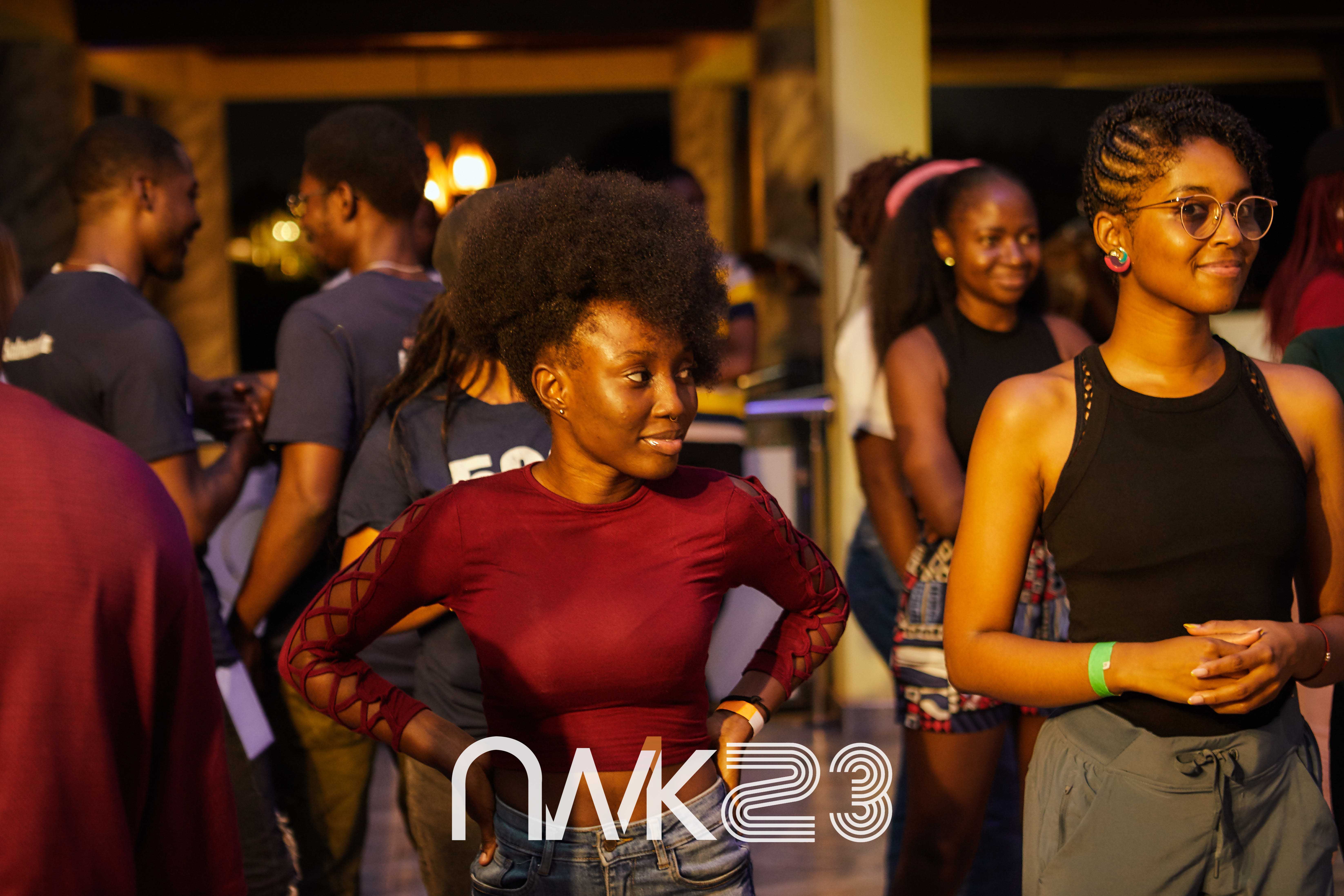
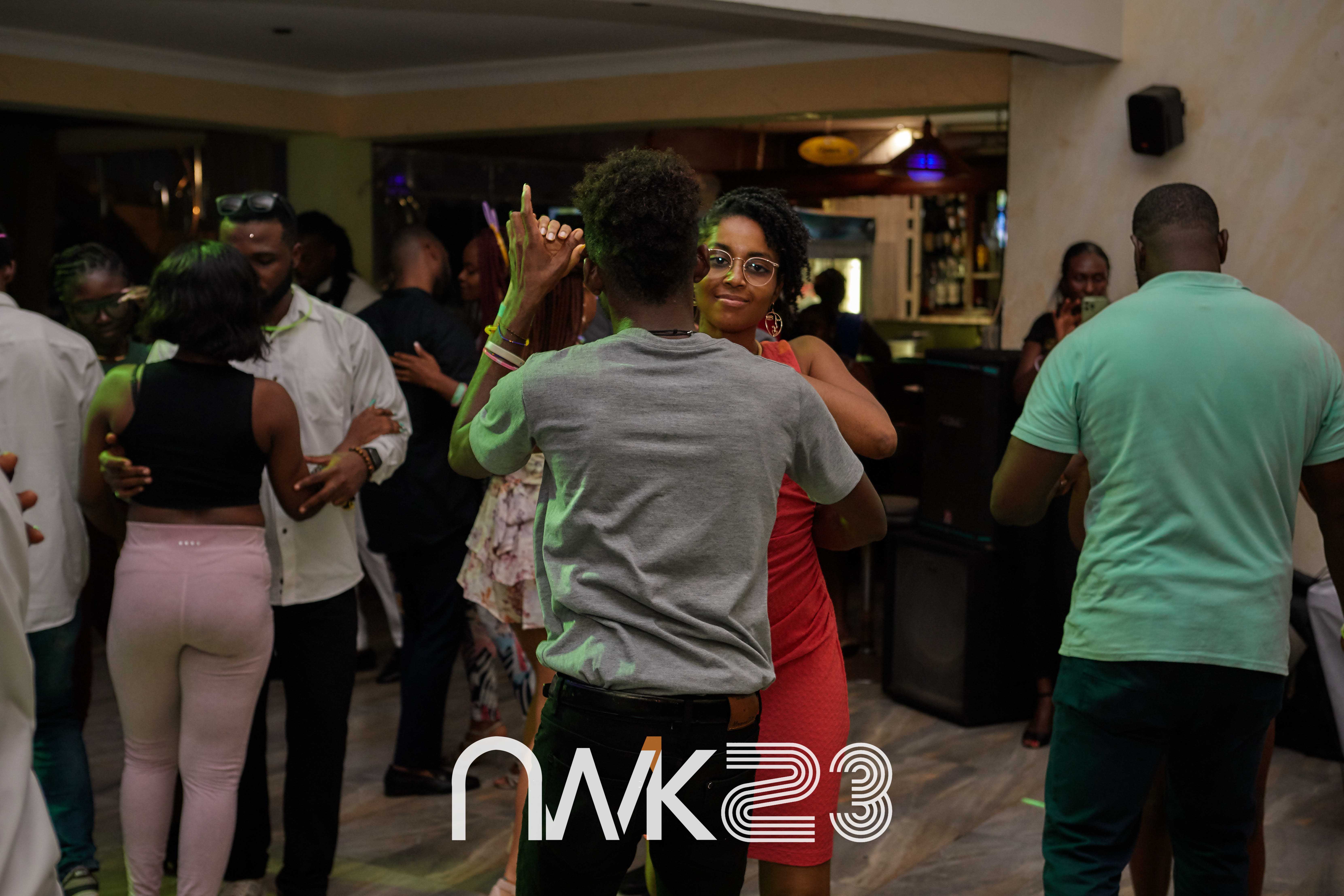
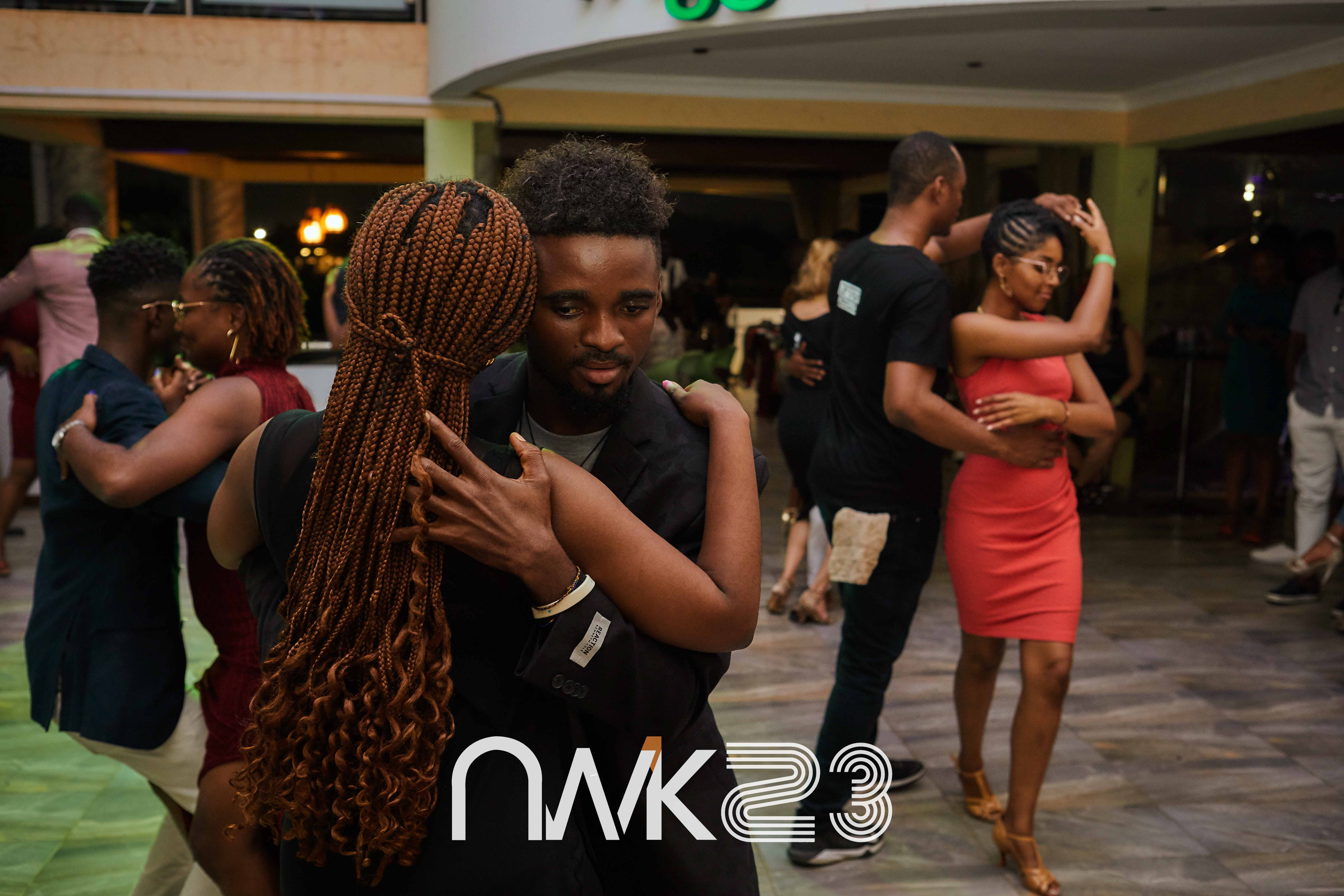
As you may know, social dancing continues to be a gift that keeps on giving in my life. From the community to the music to the different dance styles, there is so much to learn and grow with, if you are open to it. I had the pleasure of attending Kizinfinity‘s Night With The Kiz Stars, #NWK23, in Accra. They planned to provide back-to-back enjoyment, and they did not disappoint. The festival included tours to the Central Region, Eastern Region, and Greater Accra, plus dance workshops and parties focused on Kizomba. Here, I would like to share with you a mini-recap of parts of the program I attended, what stood out to me, and why you need to come and support the next one. Let’s indulge, shall we?
The Program
I only attended the dance workshops and parties.
To begin, the opening party was at Soho at Marina Mall. The DJs provided a nice mix of traditional Kizomba, Salsa, Bachata, Urban Kiz, and Afrobeat fusion. The guests were giving what they needed to give.
Next, the workshops, parties, and performances at Wiggles Bar in the Trasacco area. This covered two days.
The workshops were enjoyable and provided a nice variety of style and fun. Each session went pretty fast. I really appreciated that the instructors included some tips for technique within their choreography routine. I also liked the tips on mindset that some of the instructors shared: set your intention to come to dance with your enjoyment as a priority + share your smile and fun with others.
I really appreciate how Kizinfinity dedicated time and effort to organize this program. Communication is one of the most important factors that can make or break an event. NWK23 had a separate Whatsapp group for all guests to be notified of announcements, ask questions, and share event related content. Leading up to the event, Kizinfinity shared (1) a calendar schedule with activity, location, and attire information, (2) short form videos for details on the location, what to explore in and around Accra, and attire inspiration, (3) and an IG live to answer questions, introduce special guests, and reiterate the activity schedule. During the event, Kizinfinity shared in the Whatsapp group welcome messages to guests traveling to Accra, branded text images as reminders for what to expect on each day, and announcements for schedule changes. While on Instagram, they shared branded professional video recaps for each day. At the end of the program, heart-felt “thank you” and “goodbye” messages were shared all around in the Whatsapp group.
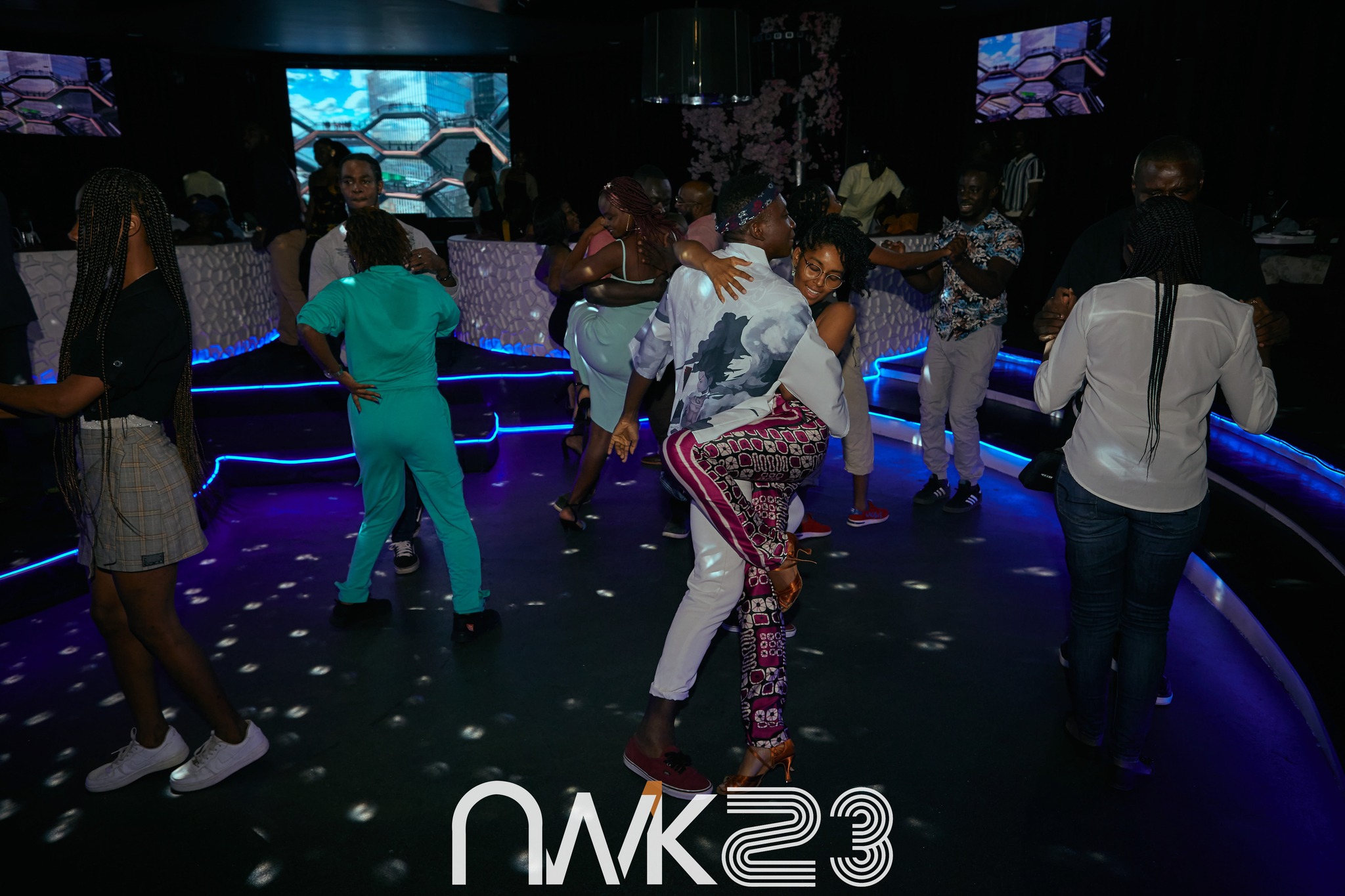
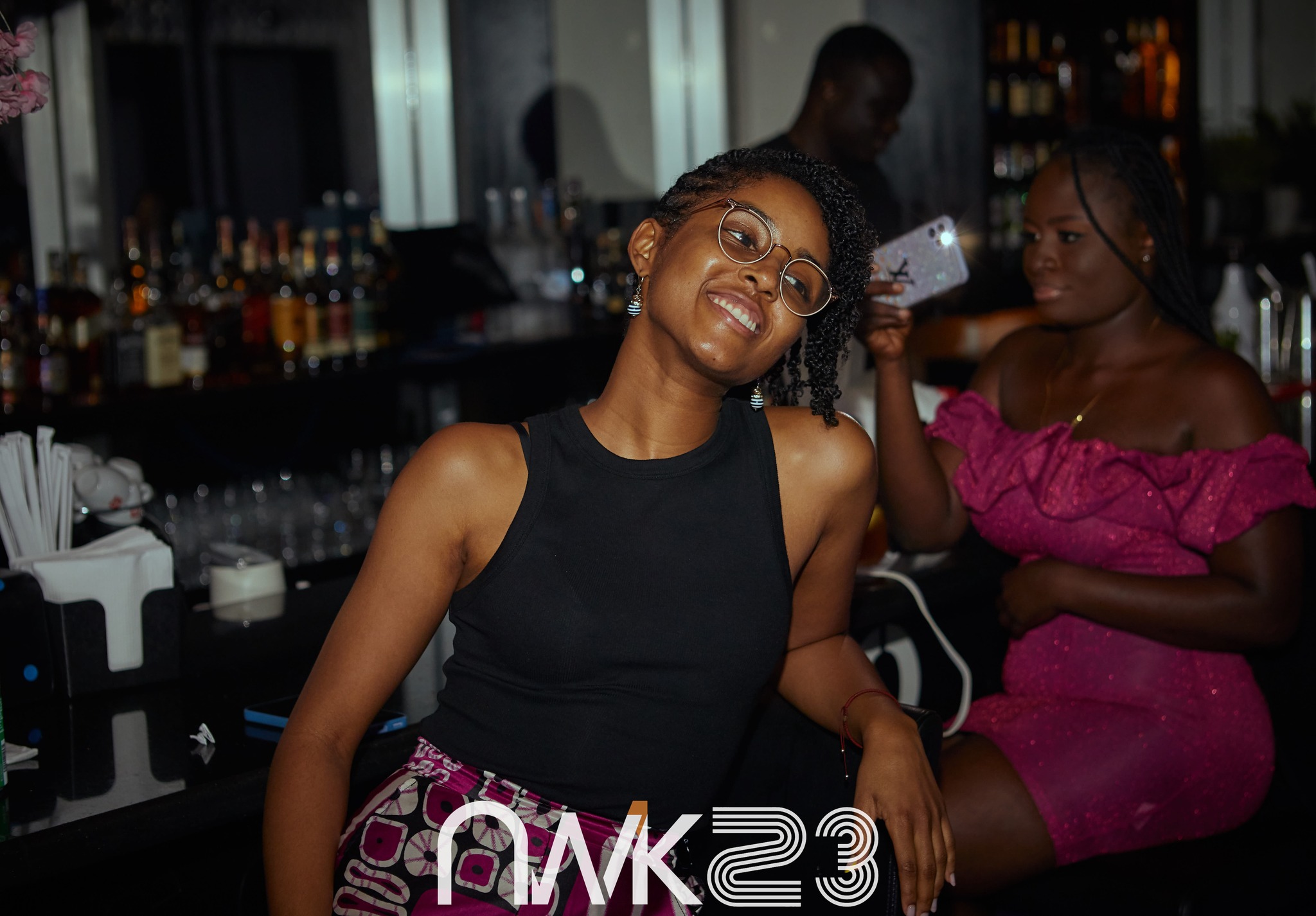
The branded media was also on point. There was one official photographer, Kidjo Photography, and one official videographer, EriCarL Appa, covering this event. That is a big deal for one person each. First, timeliness. They both delivered edited media in a very short amount of time, considering how much photos and footage they must have taken. Second, they both did a great job in showcasing the program authentically. I know I am not the only person who sometimes might give a discreet boombastic side-eye to event photos and videos that seem to only show certain angles and cuts to make the event look bigger or better than it actually was. The photos and videos above genuinely represent the size, fun, and hype that this program had. You can see more of the photos on their Facebook page.
The Kizinfinity team also did justice to the level of hospitality Ghanaians pride themselves for. At any given moment during the program, they were checking in with and showing up for their guests in person and online to make sure everyone was comfortable and having fun. As a guest, you came not feeling as if you were attending an event alone, but instead, feeling as if you were a star among a family of wholesome stars.
A few activities inspired me to envision a remix for that activity. Are you open to hear my insight? Are you sure? It’s not by force.
Ok. This is only an imaginative suggestion. Take what resonates with you and, if you choose to, implement it in the way that feels aligned for you. Here we go…
We had one activity where we were taught a dance to do with a traditional African drum. It was fun and an intense workout for some, me included. This got me thinking. I understand the sentiment to incorporate something to showcase traditional culture, especially for the guests who traveled to Accra for the event. Since the majority of the guests are African, could we take more creative license with the traditional African drum? Ok, hear me out. Imagine this. We have the drum / dance instructor with 10 additional different drums. Everyone who wants to participate gets a chance to play one of the drums. The activity begins with learning the significance behind each type of drum and certain rhythms. Then we are taught a 2 or 3 part rhythm to play together. Simple enough to get the hang of it quickly, but a little complex to be interesting. Those who are not drumming are given the challenge to dance Kizomba (or some variation of it) to the rhythm the new drummers were taught. We go maybe 2 or 3 rounds so the new drummers also get a chance to dance, if they want to.
Do you see how beautiful such an experience could be? Looking at the types of people who attended this program, by all means some will add there own singing or special effects to the rhythm. In this way, you are able to incorporate traditional culture with the theme of the program plus provide an opportunity for creative collaboration, which would seamlessly flow into the next workshop dance activity.
It’s an idea. Flow with it. I’m sure you can add more to make it work better for you.
Things We Can All Take Note Of For Social Dances / Festivals / Fiestas
Venue
For social dances in general in Accra, I have observed how finding and convincing a venue to participate can be tricky. Most of the time, the venue is a restaurant / bar that has agreed for the social dance to occur on a day they either have low traffic or have customers that will see the social dance as free entertainment. As the social dance community in Accra continues to grow and evolve, I hope and trust more quality venues in Accra continue to recognize its value and continue to enhance the experience. That way, there can be more venues that provide the right floor for dancing, temperature control or relief, comfortable seating, appropriate music equipment, and genuine interest in the dance community.
Timing
There is a fascinating need to balance the intricate dynamic between CP time (Colored People Time), GMT (Ghana Man Time), and scheduled time. During this program, the organizers, instructors, and DJ’s were ready at the time they were scheduled. The opening party was scheduled for 8pm on a Wednesday. At 8pm on that Wednesday, the music was playing and the floor was ready. The workshops were scheduled to start at 4pm on Friday and Saturday. At 4pm on Friday and Saturday, the music was playing and the instructors were ready. However, the guests were not all ready. This was not as much of a glitch for the parties, but this did cause a change in schedule for the workshops.
I understand that some guests come to these festivals only for the dance parties, which is fine. However, for the ones who sign up for the workshops, we can do better. On the organizer side, it might be beneficial to have more of a gap of time between the workshops and parties, but again, that is dependent on guest attendance. Would it make a difference if program tickets were divided for parties only and workshop + parties to get a better sense of who will attend the workshops? How can we entice guests to show up closer to the start time? On the guest side, if a program has already demonstrated they are punctual, why keep them waiting for you? Would a different time schedule work better for you?
I feel we can create a win-win situation for all sides. It will get there eventually.
Etiquette
Kindness and boundaries are important and should be respected. This is something that came up during this program (and has come up a number of times in social dancing in Accra in general), so it stood out to me. This is not to generalize or indict anyone, but I feel as a community, being more open in communicating how we are making an effort to ensure this is a safe community for everyone is beneficial for all of us.
Kizomba is a fun dance. There are variations of it that can make the dance more intimate, which requires balancing each dance partners comfort zones. Up to this point, I have primarily danced as a “follow.” The main glitch I have experienced and witnessed is a mismatch in understanding and a mismatch in accommodating or correcting when a boundary or request is articulated.
This is not to single out one particular gender or one side of the dance. “Follows” are also capable of overstepping boundaries or being a mismatch. Sometimes, a “lead” does not know there is an issue because a “follow” did not articulate it or speak up. For all of us who are supportive of this community and genuinely are not here to cause harm, I feel we can create a win-win situation. We can all continue to hold space for each other to learn and evolve our comfort zones, articulate our boundaries, look out for each other, and accommodate different requests and styles without feeling concerned about being judged or ostracized.
What To Expect At Night With The Kiz Stars, NWK
If it is not already obvious, you can expect back-to-back enjoyment at Kizinfinity’s Night With The Kiz Stars. A diverse community who share a common passion for dance and fun. A program that is organized, intentional, and understands the assignment. An experience in Accra that is different from your typical night life or tourist attraction. Memories that you will cherish forever. An opportunity to “show dem.”
Thank you to the Kizinfinity team and the dance community. I am looking forward to the next one.
As the generation that has experienced the most changes in technology advancement in the past 4 decades, we have a bit of wisdom on how to navigate social media. In this episode, we share how our experience with social media has evolved, where did social activism go, and how to be intentional with your “why.” Let us know what you think of the episode.
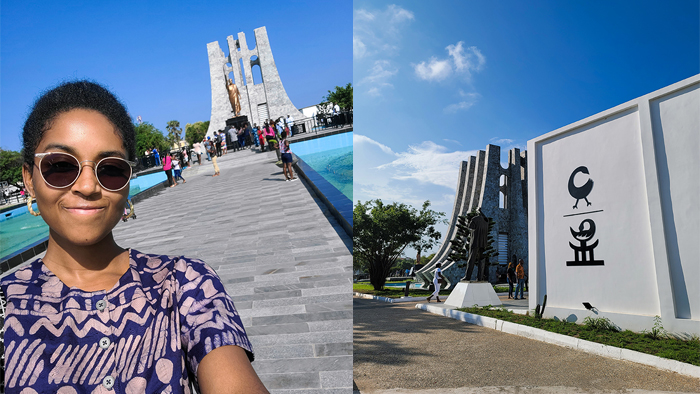
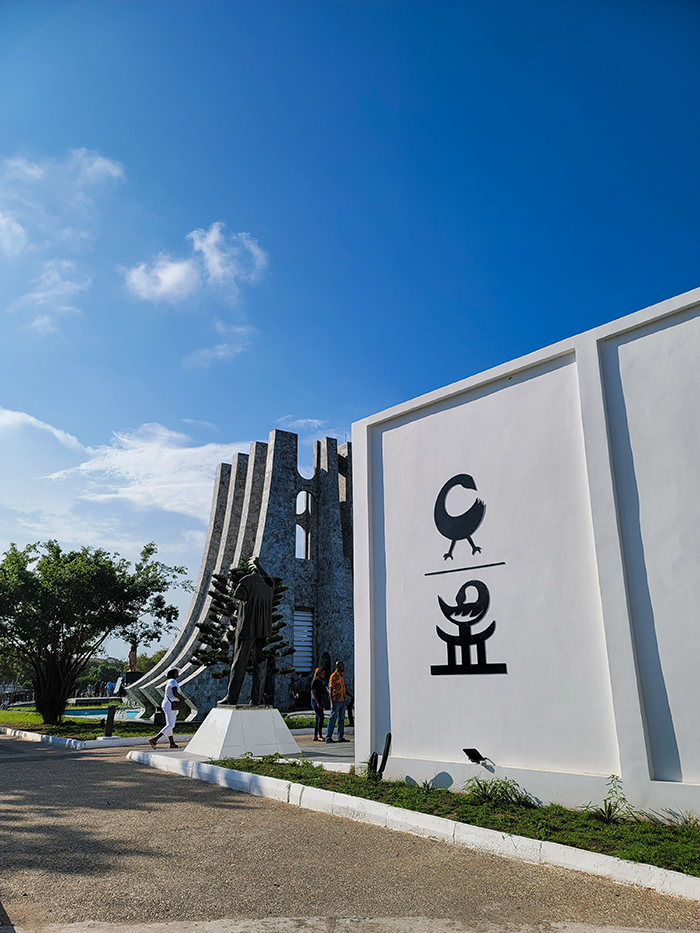
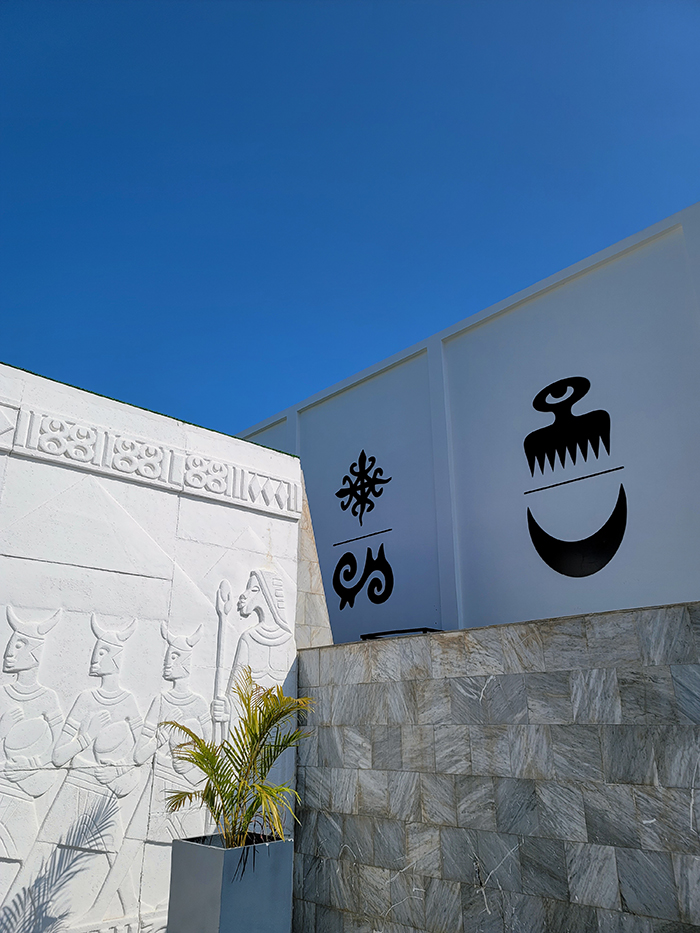
Let’s go outside! Did you know the Kwame Nkrumah Memorial Park and Mausoleum is now re-opened to the public? Would you like to know what to expect? I had the pleasure of visiting the newly renovated Kwame Nkrumah Memorial Park and Mausoleum on a beautiful and sunny Saturday afternoon. I also picked up a few observations and thoughts I wanted to share with you. Let’s indulge, shall we?
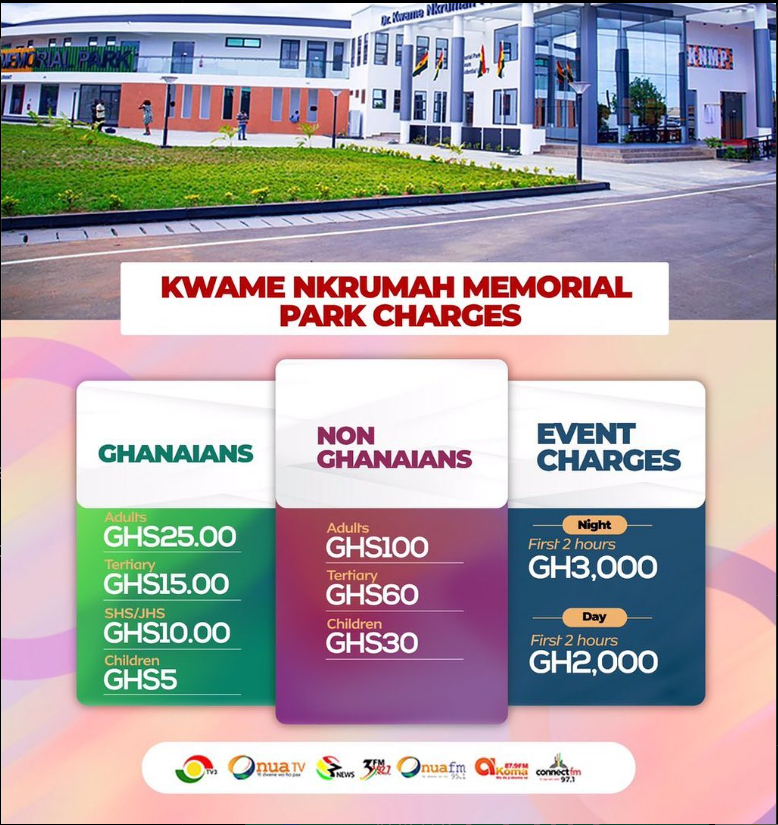
First, logistics. As of the time of posting this, the ticket prices are as follows:
Regarding the renovations, I feel they did a beautiful job in enhancing and redefining the space. The moment you walk through the entrance gate, you meet a large Welcome sign and a profile illustration of Kwame Nkrumah. You feel as if you are being transported into a full dedicated experience. Uplifting music is playing nearby. On the day that I went, people of all ages were enjoying their time as they took photos and explored.
Yes, the sky was actually this blue and beautiful on a Saturday afternoon in July. Lucky me.
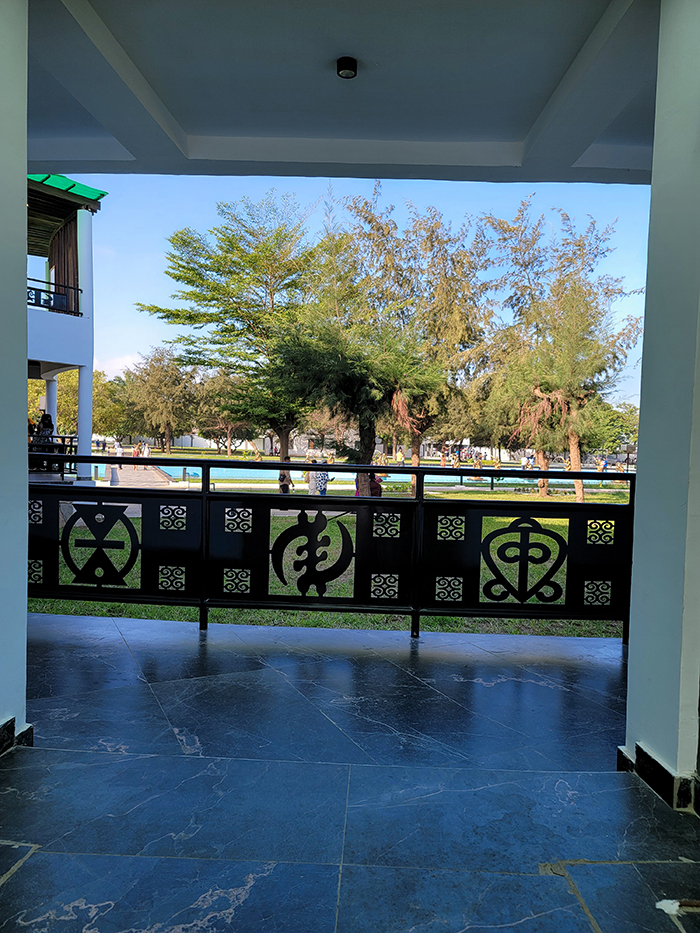
The reception hall is decorated with a pleasant blend of minimalistic clean lines and Ghanaian colorful culture. The high ceiling and large windows make it feel spacious and refreshing. Depending on when you go, there might be a bit of a line to purchase your ticket.
The architect behind the new design, who is Ghanaian, was able to enhance the park with a signature millennial aesthetic by creating multiple spaces that cater to ambiance, easy photos and videos, and history in a relaxed and pleasant vibe. The fountain sings a different upbeat song every hour. The garden is lush and green. All the architecture doubles up as the perfect backdrop. It is giving what it needs to give.
Now, for the museum. This is where I feel there is room to do a lot more.
There are two parts to the museum. Upstairs, you walk through a hall. The floors, walls, and ceiling are black with quotes from Kwame Nkrumah written in gold font. As you are walking, you hear in the distance Kwame Nkrumah’s voice as he speaks announcing Ghana’s independence. At the top, there is a screen looping the video of that speech. Downstairs, you walk through a room to view key points of Kwame Nkrumah’s life. This room includes photos and artifacts.
This is where I feel a lot more can be added. For me, walking through this room felt as if I was reading facts from a Wikipedia page or encyclopedia. They were all factual, but they did not include any context. For example, on one side of the room, there are images of Ghanaians celebrating Kwame Nkrumah as president. On the other side of the room, there are images of Ghanaians celebrating tearing down Kwame Nkrumah’s statue. There is nothing in the middle to explain these two extreme positions. As another example, there is long blocks of text listing all the factories, schools, hospitals, industries, and initiatives Kwame Nkrumah developed and established. Again, no context on what that did for Ghana.
Are you open to hear my feedback on what would help with this? Are you sure? Ok.
I feel details on what Kwame Nkrumah’s writings were about are important to showcase in the museum to better illustrate what his definition and thoughts were on Pan-Africanism, Ghana, freedom, etc. The gap between independence and coup d’état should include details of the CIA’s involvement, the Ghanaians who participated in it, and the historical use of the illusion of democracy vs communism propaganda. The image of the “big 6” should include details on who among them were involved in the overthrow of Kwame Nkrumah and how since that day Ghana’s presidency continues to only involve the families of the “big 6” with a few breaks in between due to military coups. It would be cool to have an infographic depicting every industry and initiative Kwame Nkrumah established illustrating when it was opened, how it impacted Ghana, when it was closed or destroyed, and who was responsible for shutting it down.
I feel the library, which at the moment of this post is an empty room and will most likely be completed later, should have copies of Kwame Nkrumah’s books available to read physically and on screens.
Ok, ok. I hear you. This might be too much pepper. But I believe we can handle it. We deserve it.
To be transparent with you, I did not go to school in Ghana. I see what Ghana represents inside and outside of Ghana. Outside, Ghana is a beacon of hope for Pan-Africanism, freedom, and liberation. Outside, Ghanaians are respected for their work ethic, culture, achievements, and hospitality. Outside, Kwame Nkrumah is a legend. Inside, Ghana is hard paa…depending on which bubble you exist in. Inside, Ghanaians are divided, distracted, enjoying, and progressing. Inside, Kwame Nkrumah is a list of dates, depending on whether your family supported him or not.
None of these things are good or bad. It is what it is. Please understand that I am not trying to instigate insults or belittle anyone’s experience. But, do you see why it is so important to make Kwame Nkrumah’s full story be accessible to all? Yes, this park is a tourist attraction. So, it is an opportunity to set the record straight. I’m sure this will not interrupt US-Ghana relations. But also, this park is one of the few places in Accra to learn an aspect of Ghana’s history. Ghanaian students should be going on field trips to visit this park. Does Ghana’s school system teach the full story? These students should be able to come to the park and learn how strategic one needs to be to make a difference for their people. Or do we still want to make sure no one can pick up from where Kwame Nkrumah left off?
I understand, everyone is tired. But, your children are not. They will grow up and hopefully say no to the enemy of progress one day. Why not give them the tools to develop that confidence now?
Again, this is an intellectual and social conversation, respectfully. I am keen to hear different perspectives on what this could look like. What are your thoughts? Share with me in the comments. I love hearing from you.
Also, make sure to visit this park. It is definitely worth the visit.