
” ‘W’s in the chat!,” says iShowSpeed. “We are here in Ghana.” As tens of thousands of people around the world watch him live on YouTube, he finishes his massage near a waterfall and eats fresh mangoes to begin his Ghana tour livestream. The second-to-last stop on his 28-day, 20-African-countries livestream tour.
From mid December 2025 to mid January 2026, there was special excitement throughout Africa that had nothing to do with Detty December or Afcon. One of the world’s biggest livestreamers embarked on the first Africa tour in livestream history. Looking to showcase African travel and culture to challenge stereotypes.
This experience grew into a poingant point in history as each country in the tour had the opportunity to share with a new audience. Beyond the high energy and viral clips, I feel this tour made an impact that will result in a variety of positive ripple effects, depending on how we navigate it. iShowSpeed’s Africa tour expanded the conversations and possibilities for storytelling, challenged the assumptions of power, and added another layer for the global creative economy to leverage.
Let’s indulge. Shall we?
Storytelling As A Tool
When it comes to marketing, entertainment, news, and everything else in between, storytelling is the key. But, online, we are seeing a shift in the type of storytelling people resonate with.
Pre-packaged salesy storytelling is being challenged. Is this authentic? Or is this clickbait? Is this real? Or is this AI?
In my experience in journalism, content creation, and advertising, I find it fascinating to witness how consumer and community behavior continues to evolve. Along with technology and AI advancing at a ridiculous pace, let’s just say our expectations are overwhelmingly changing.
But something I would like us to focus on with storytelling is the concept of gatekeeping.
Before, media corporations determined what got published and promoted, from news to entertainment. The internet has added another nuance to that dynamic. On the surface, we could assume anyone can share their story and obtain an audience. In some aspects, it has created an equal playing field to build a following towards a project or product. But, I feel the algorithm has become a gatekeeper in disguise. Constantly changing the rules and moving the goal post…just like The Wiz.
But, sometimes, there is someone who cracks the code.
I feel iShowSpeed’s Africa tour created a crack in the gate. I can’t speak to what inspired him or his team to take on this endeavor. And I don’t think we need to put him on a pedestal or force him into a puppet public figure role. This tour introduced Africa to a different audience through a candid medium that has not been done before.
To see a young man explore Africa live, with real reactions and responses, adds another layer to representation.
Storytelling is not just about the script, angles, and psychology. It now has to be as immersive as possible.
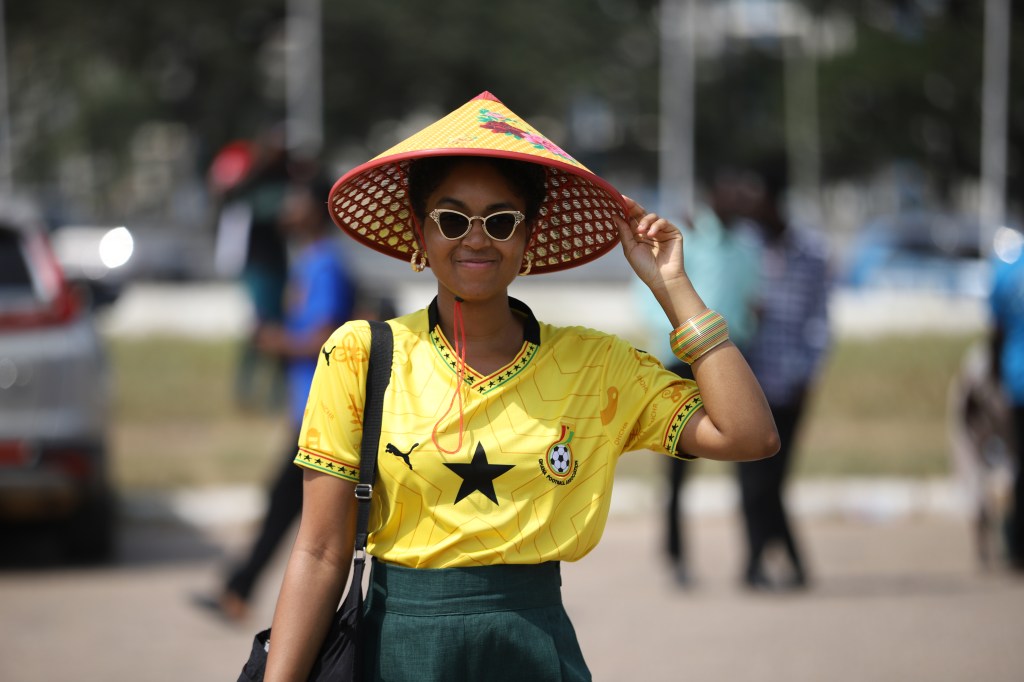
I experienced iShowSpeed’s Africa tour first-hand at Independence Square in Accra, Ghana. It was a beautiful moment to witness in person. I share more on my podcast here:
Power To The People, Maybe Not The Institution
Another thing that stood out to me in this tour is who iShowSpeed chose to interact with. He and his team were focused on the youth. Real people on the street and at markets. Real people contributing to and maintaining innovation and culture. Showcasing initiatives, businesses, and landmarks to new audiences and opportunities.
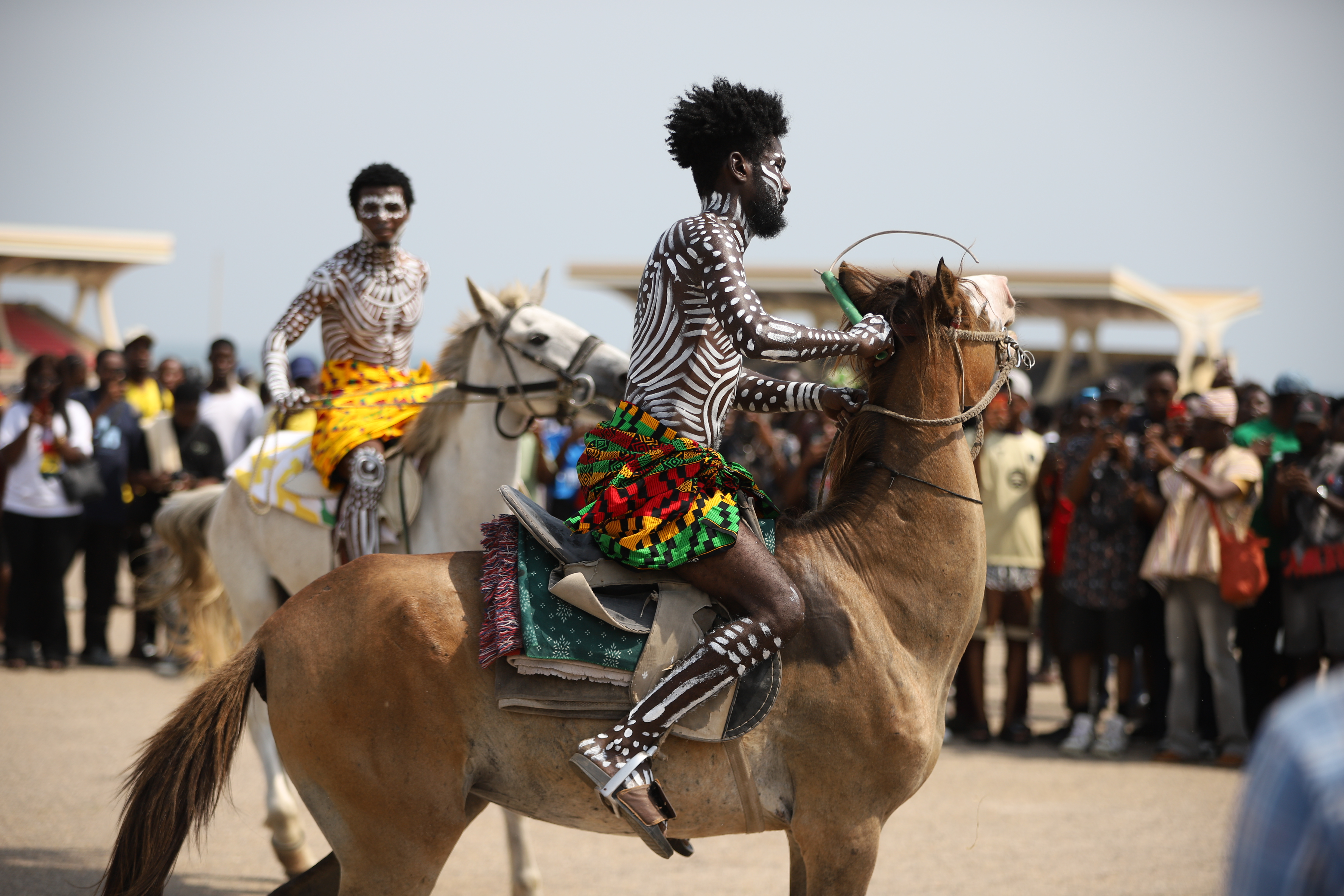
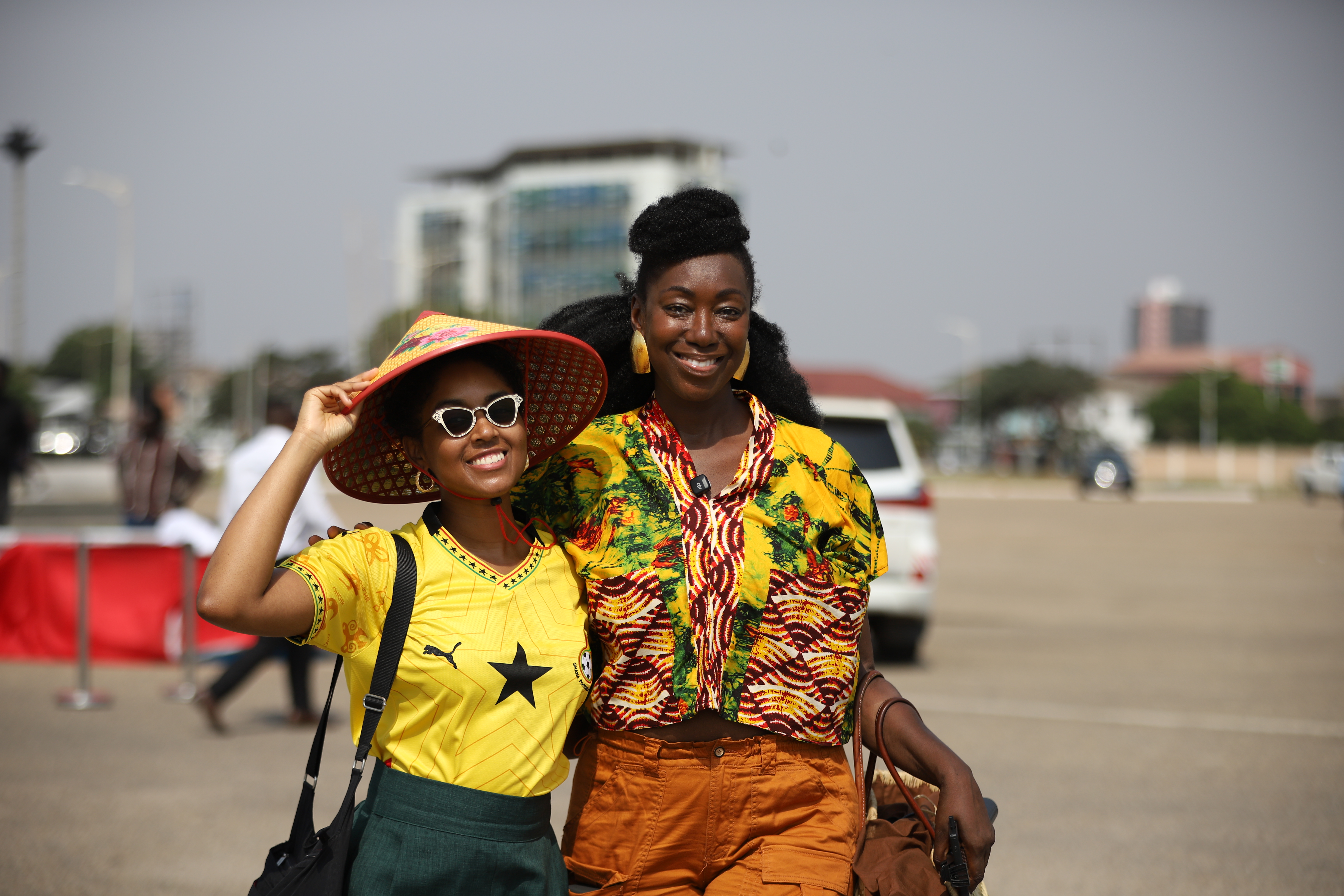
For me, this is starkly different from other content claiming to showcase Africa. Yes, there is a continued wave of celebrities visiting Africa, obtaining citizenship to different African countries, and investing in Africa. All of this is great. But it tends to lean toward an older demographic and have some government or political tint to it. I’m not here to tell you if that is good or bad. But, sometimes, it can give the impression of a photo-op, which may or may not have substance to back it up.
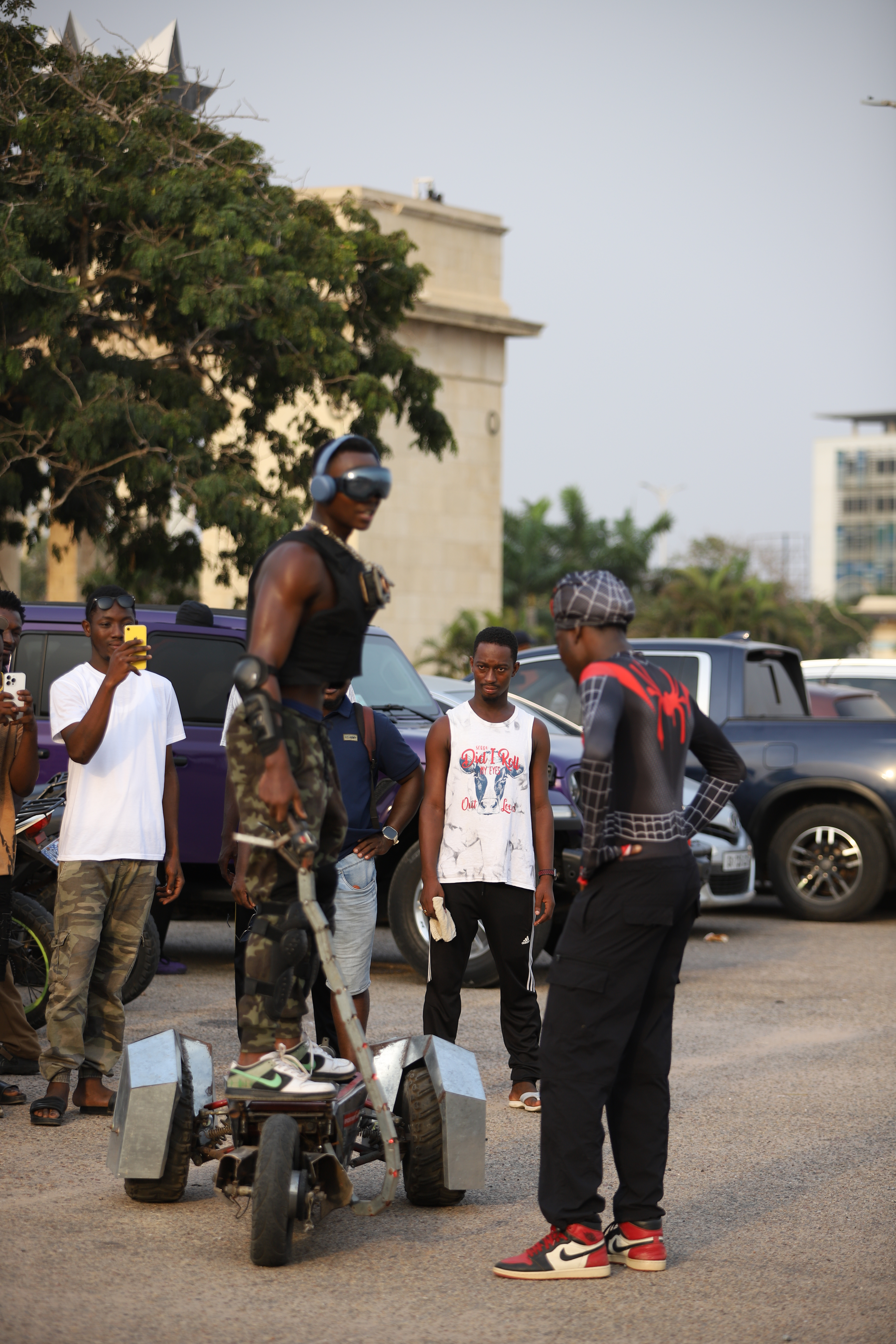
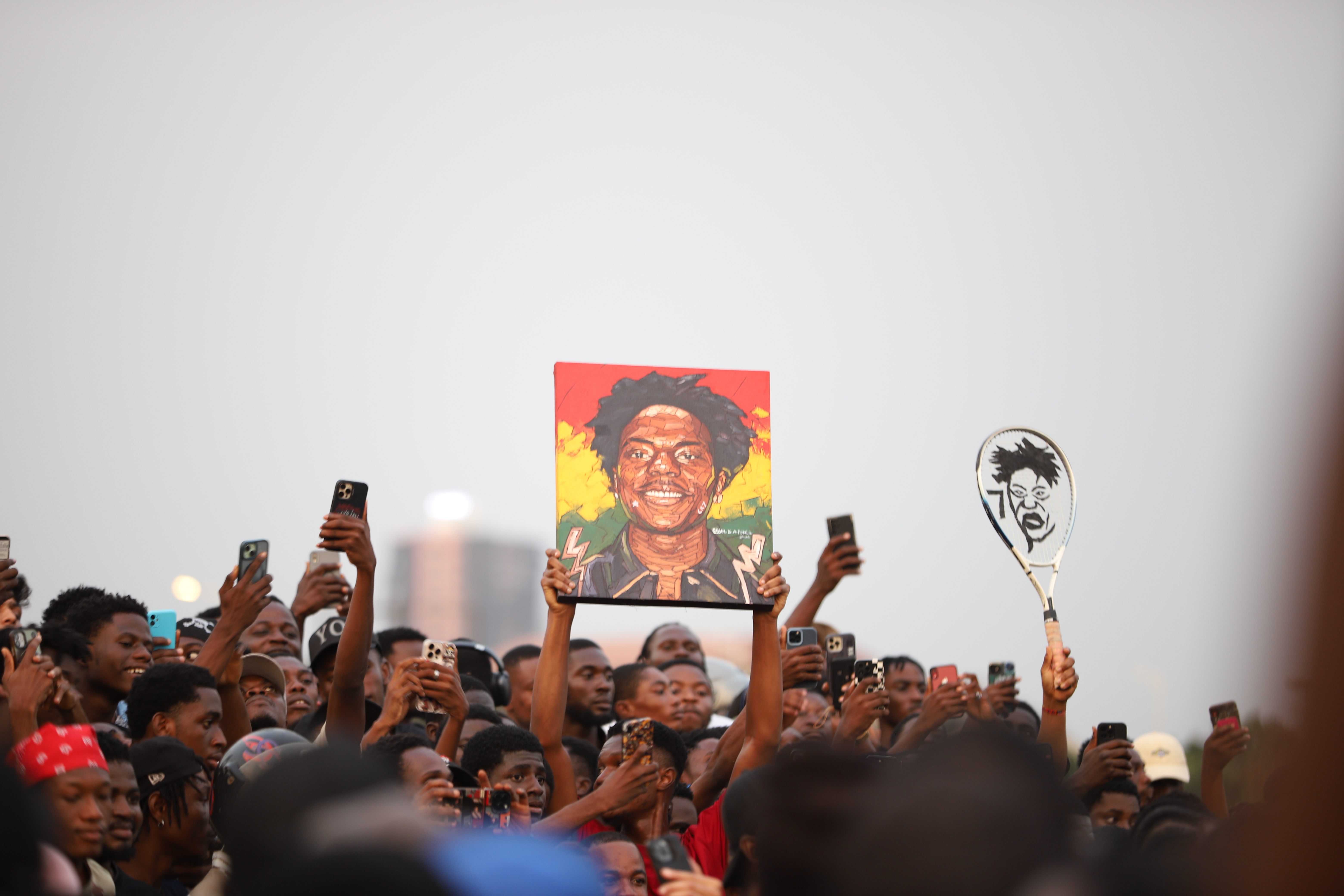
This Africa tour provided a different medium. Governments and officials did use their authority to facilitate access to security, landmarks, etc. But they did not have to do a stiff press conference or a slow-paced beauracratic showcase. Instead, the youth, tour guides, itinerary guides, etc were the face of the experience. This can continue to be a beneficial collaboration if it is leveraged accordingly. The people are the face and the institution provide the support for the face. This can create a more authentic representation.
I do not mean any disrespect to institutions or officials. This is just an example for how to collaborate and work with your youth while also allowing them to introduce you to new ways of thinking and doing things.
Global Creative Economy Unite
Ok. Now, let’s get into some numbers. You might think the creative economy is just a buzz word, but there is real growth, trade, and structure developing in this.
Let’s start with the global lens and then focus on the Africa lens.
According to the IFC (International Finance Corporation), the global creative economy is valued at $2 trillion USD. It provides nearly 50 million jobs worldwide and is considered one of the world’s fastest-growing sectors. Culture and creative industries, according to UNESCO, make up 6.2% of the global employment and contribute 3.1% of the world’s GDP. When we look at the global creator economy alone, based on individual digital content creators, the project growth is not something to ignore. As reported by Future Market Insights, the global creator economy is estimated to grow from $253 billion USD in 2025 to approximately $2 trillion USD in 2035.
What does this mean? The global creative economy is real and not slowing down anytime soon.
But, how does the African creative economy contribute to this?
According to CNBC Africa, Africa’s creative economy is valued at $60 billion USD. Analysts project this could grow to $200 billion USD by 2030, dependent on investment and structural reform. As reported by Afreximbank, creative and cultural industries contribute 8.2% to employment in African nations, the highest share of any continent and above the global average. This should be promising, but there is a catch. “Africa is creating content at global scale, but translating cultural influence into sustainable economic value remains a structural challenge,” as explained in this The Creative Brief article.
This gap holds an ocean of opportunities.
Africa’s share of the global creative economy is expanding rapidly, with a focus on music streaming, film production, mobile gaming, and digital design. According to Sustainable Stories, African policymakers are gradually seeing the creative economy as a hedge against commodity dependency. This can be an opportunity to build intangible capital, export services, and create employment for a young, tech-savvy population.
The Opportunity For Africa’s Algorithm
Why does iShowSpeed’s Africa tour matter? Why does this gap between the global creative economy and Africa’s creative economy matter?
Culture is a currency. Visibility has a monetary value.
The numbers do not lie, but they do obscure. A $2 trillion USD global creative economy. Africa holds roughly $60 billion USD of it. That gap is not a reflection of talent; it is a reflection of access, infrastructure, and the machinery of historical marginalization that has decided, for centuries, whose stories are worth telling and whose culture is worth monetizing.
But, something is shifting. Livestreaming, social media, and the democratization of digital platforms have done something that no industry policy has managed. They have handed the microphone directly to the people. When iShowSpeed toured Africa, he did not go through a media conglomerate. This tour stood out to me not because iShowSpeed is a singular genius, but because of what his presence revealed. When the world is invited to pay attention, it does. And if a livestreamer can do that, imagine what intentional investment, structural support, and genuine creative infrastructure could unlock.
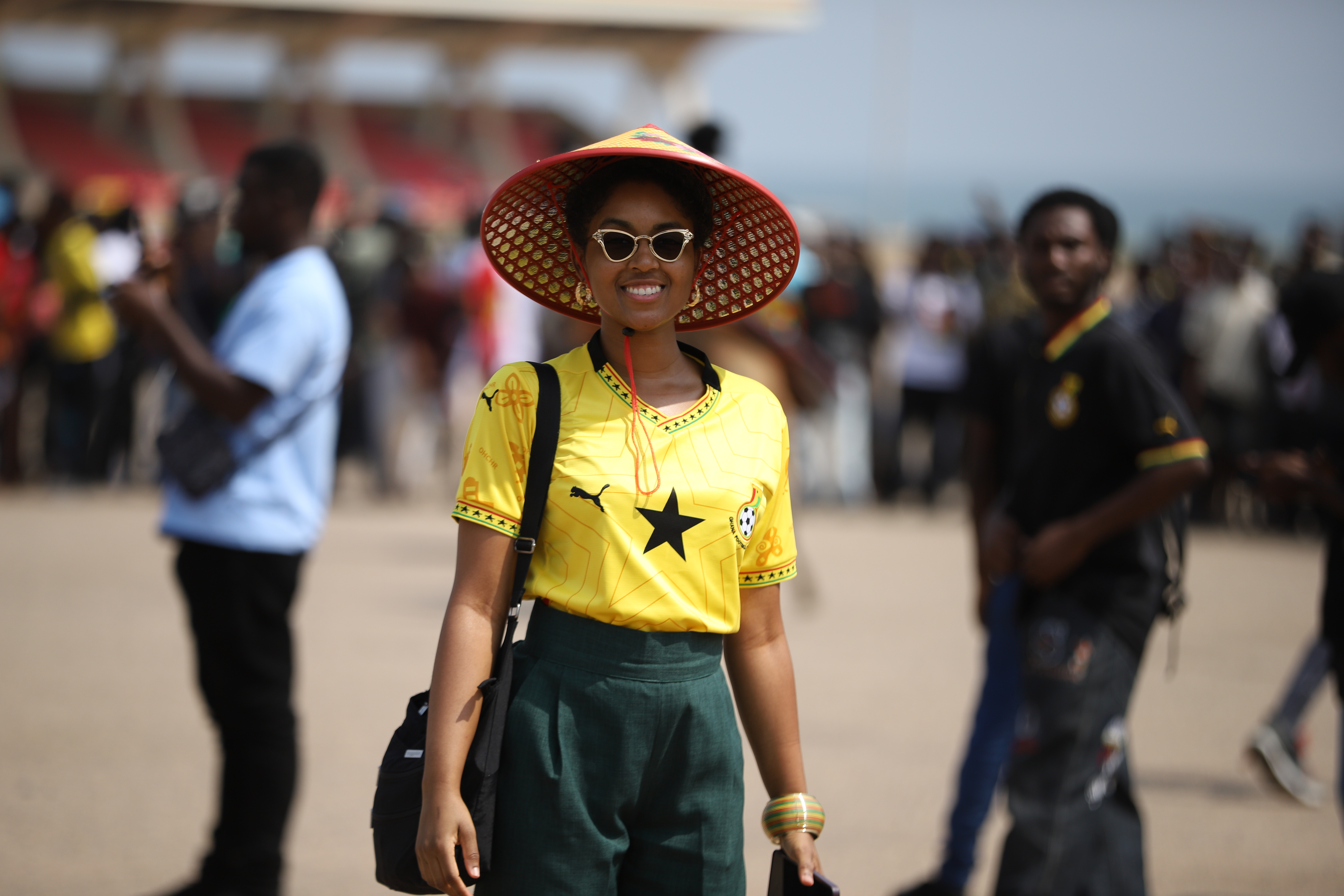
This is what leveling the playing field looks like in the digital age. It is imperfect, uneven, and largely controlled by platforms headquartered thousands of miles away. But it is real. And for creatives in Africa, in the Caribbean, in South Asia, and in every pocket of the world that has been told its stories do not travel, this moment is a proof of concept. The field is not level yet. But it is tilting.
The algorithm came to Africa. Now, what do we build while the world is watching?
 Dagny Zenovia
Leave a comment